Modern warehouses are under constant pressure to fulfill orders faster, improve accuracy, and reduce operating costs. As e-commerce and distribution demands continue to grow, many businesses are considering investing in an order picker to streamline warehouse operations and increase productivity.
If you are planning to upgrade your material handling equipment, this comprehensive order picker buying guide will help you understand the key factors, benefits, costs, and best practices before making a purchasing decision.
What Is an Electric Order Picker and How Does It Work?
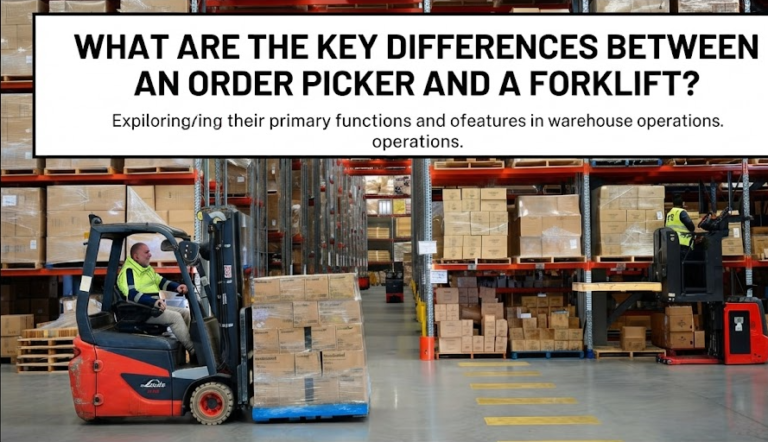
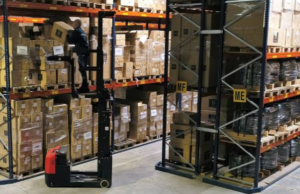
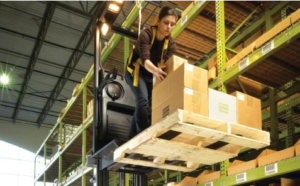
An order picker is a specialized type of warehouse forklift designed to lift operators to storage locations so they can manually retrieve products from racks. Unlike standard forklifts that primarily move pallets, order picker warehouse equipment is specifically engineered for item-level picking operations.
Order pickers are commonly used in:
E-commerce fulfillment centers
Retail distribution centers
Third-party logistics (3PL) warehouses
Manufacturing facilities
Large inventory storage operations
By allowing operators to access elevated inventory directly, order pickers significantly improve picking efficiency and reduce travel time.
Why Investing in an Order Picker Makes Business Sense?
Increased Picking Efficiency
One of the biggest advantages of investing in an order picker is the ability to accelerate order fulfillment. Operators can quickly access inventory stored at various heights without relying on ladders or manual equipment.
Reduced Labor Costs
Businesses seeking effective warehouse productivity solutions often find that order pickers help reduce labor requirements. Faster picking speeds mean fewer labor hours are needed to process the same volume of orders.
Improved Order Accuracy
Modern order pickers often integrate with warehouse management systems (WMS), barcode scanners, and inventory tracking tools. This improves inventory visibility and reduces picking errors.
Enhanced Workplace Safety
Compared with manual picking methods, modern order picker safety features provide better operator protection through guardrails, harness systems, anti-slip platforms, and advanced stability controls.
Key Factors to Consider Before Investing in an Order Picker
Warehouse Layout
Before selecting a machine, evaluate aisle widths, storage density, and rack configurations. Some facilities benefit from a narrow aisle order picker, while others require more versatile models.
Lifting Height Requirements
Determine the maximum rack height in your warehouse. Different order pickers are designed for low-level, mid-level, or high-level picking operations.
Load Capacity
Choose equipment capable of handling your average product weight and picking volume. Overloading equipment can reduce efficiency and create safety risks.
Battery Performance
For businesses operating multiple shifts, battery life becomes critical. Many companies prefer an electric order picker because it offers lower operating costs, reduced emissions, and quieter operation.
Types of Order Pickers Available
Low-Level Order Pickers
Low-level models are ideal for fast-moving inventory stored near ground level. They are commonly used in retail and e-commerce fulfillment environments.
Mid-Level Order Pickers
These units provide additional reach while maintaining high productivity, making them suitable for medium-height storage systems.
High-Level Order Pickers
A high-level order picker allows operators to access inventory stored at significant heights, maximizing warehouse storage capacity.
Narrow-Aisle Order Pickers
For warehouses with limited space, a narrow aisle order picker can improve storage density while maintaining efficient inventory access.
Understanding Order Picker Cost and ROI
Many buyers focus exclusively on purchase price, but evaluating order picker cost and benefits requires a broader perspective.
Initial Investment
Costs vary depending on:
Lift height
Load capacity
Brand reputation
Technology integration
Battery configuration
Operating Costs
Ongoing expenses include:
Energy consumption
Maintenance
Battery replacement
Operator training
Productivity Gains
The true value of an order picker investment guide lies in understanding potential productivity improvements. Faster picking cycles and fewer errors can generate significant long-term savings.
Return on Investment (ROI)
Businesses often achieve a strong order picker ROI through:
Increased order throughput
Reduced labor expenses
Improved inventory accuracy
Lower workplace accident rates
Common Mistakes When Choosing an Order Picker
Focusing Only on Price
The cheapest machine may not provide the best long-term value. Consider durability, efficiency, and support services.
Ignoring Future Growth
Your warehouse may expand in the future. Select equipment that can support increasing inventory volumes and operational demands.
Overlooking Service Support
Reliable after-sales service is critical. Downtime can quickly disrupt warehouse productivity.
Neglecting Operator Training
Even the best warehouse picking equipment requires proper training to maximize efficiency and ensure safety.
Order Picker Maintenance Tips for Long-Term Performance
Regular maintenance helps extend equipment lifespan and reduce unexpected downtime.
Daily Inspections
Operators should check:Tires,Brakes,Hydraulic systems,Controls and Safety devices.
Battery Care
For an electric order picker, proper charging and battery maintenance are essential for consistent performance.
Scheduled Preventive Maintenance
Routine servicing helps identify potential issues before they become costly repairs.
Safety Compliance Checks
Regular inspections ensure the equipment continues to meet workplace safety standards and regulations.
Conclusion
Choosing the right order picker is a strategic decision that can significantly impact warehouse productivity, operating costs, and customer satisfaction. By following this electric order picker buying guide, evaluating your facility requirements, and understanding the full order picker cost and benefits, your business can make a smarter investment decision.
Whether you operate an e-commerce fulfillment center, a distribution warehouse, or a manufacturing facility, investing in an order picker can help improve efficiency, enhance safety, and deliver long-term returns. Taking the time to compare options, assess operational needs, and plan for future growth will ensure you select the best order picker for your warehouse operations.