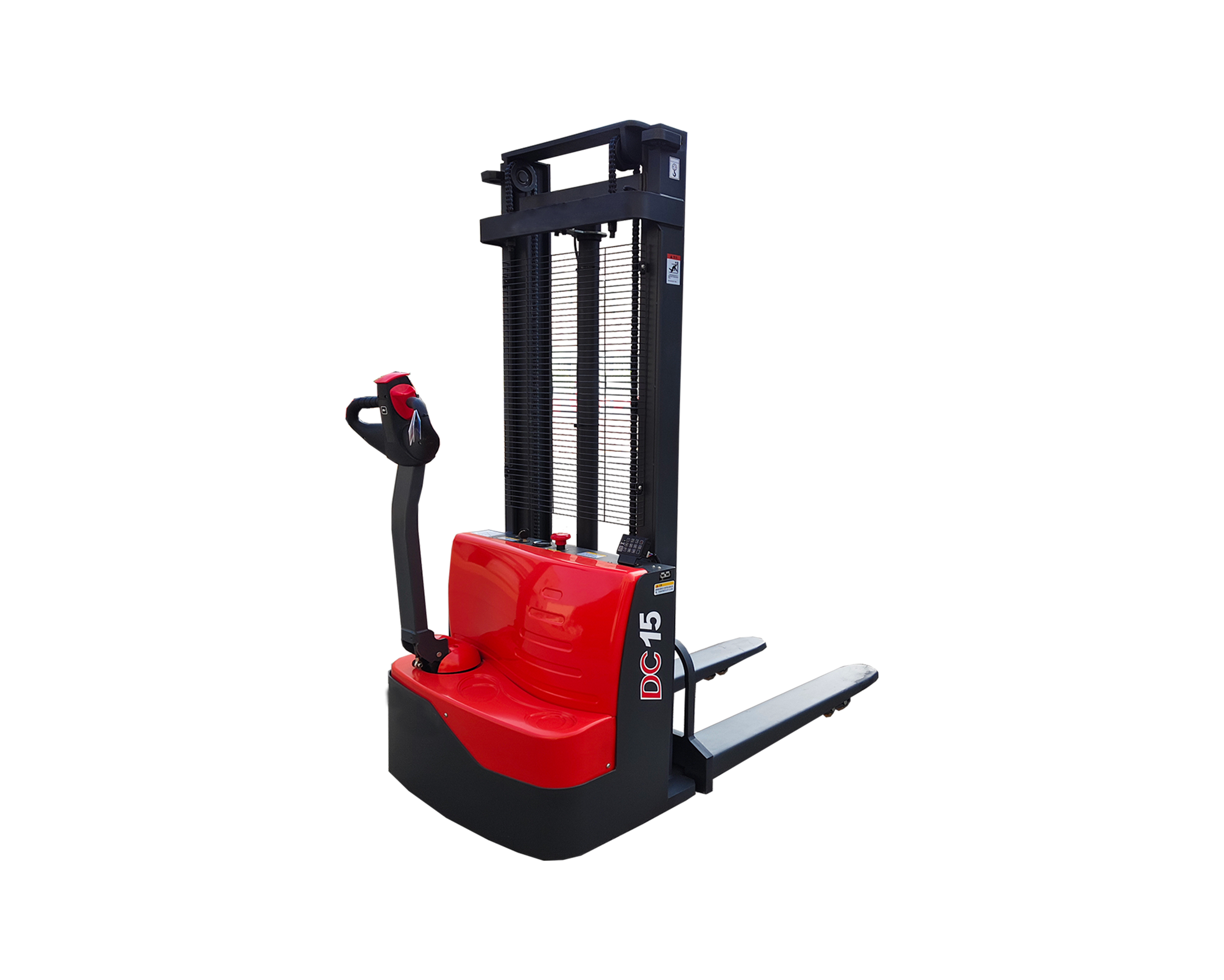
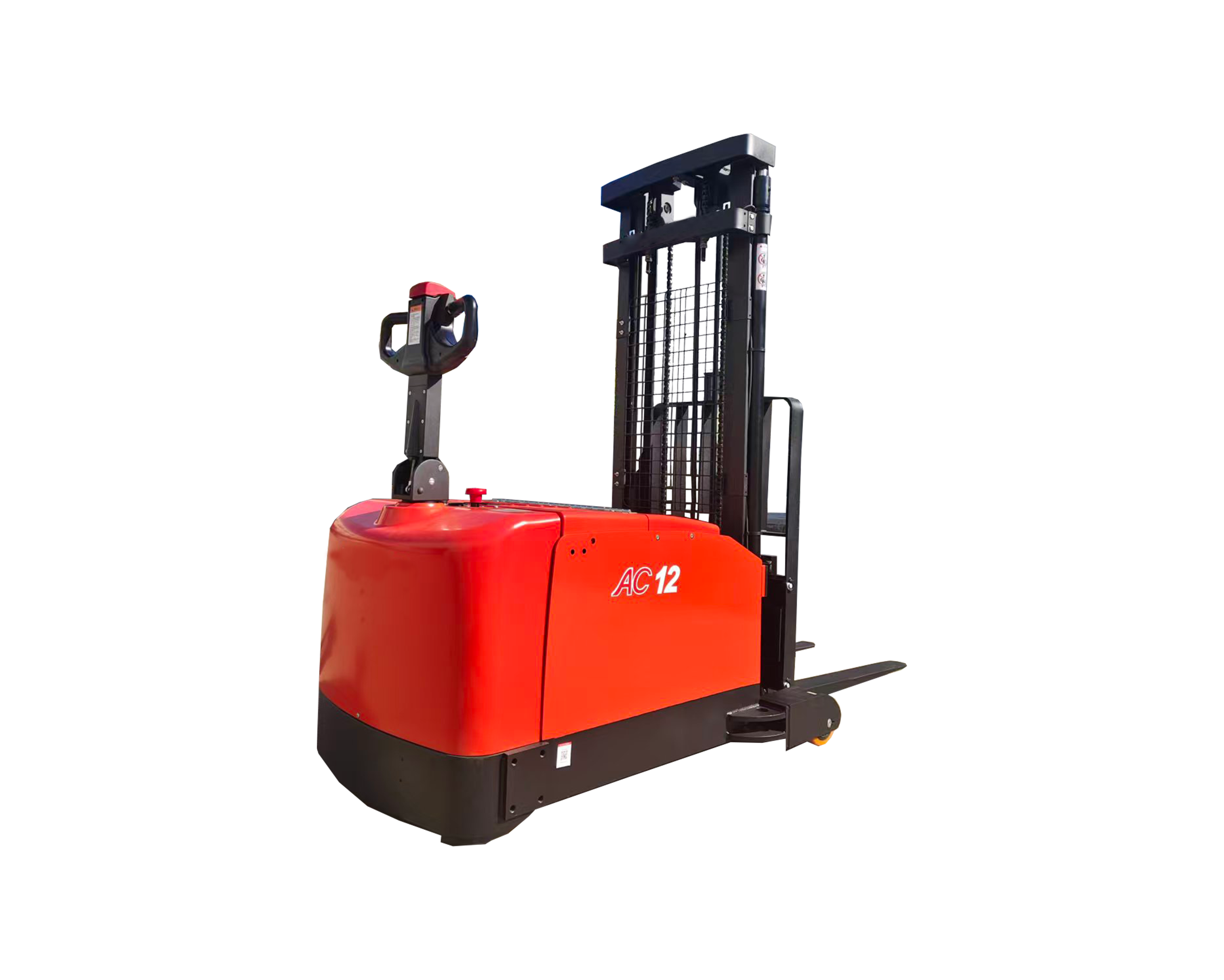
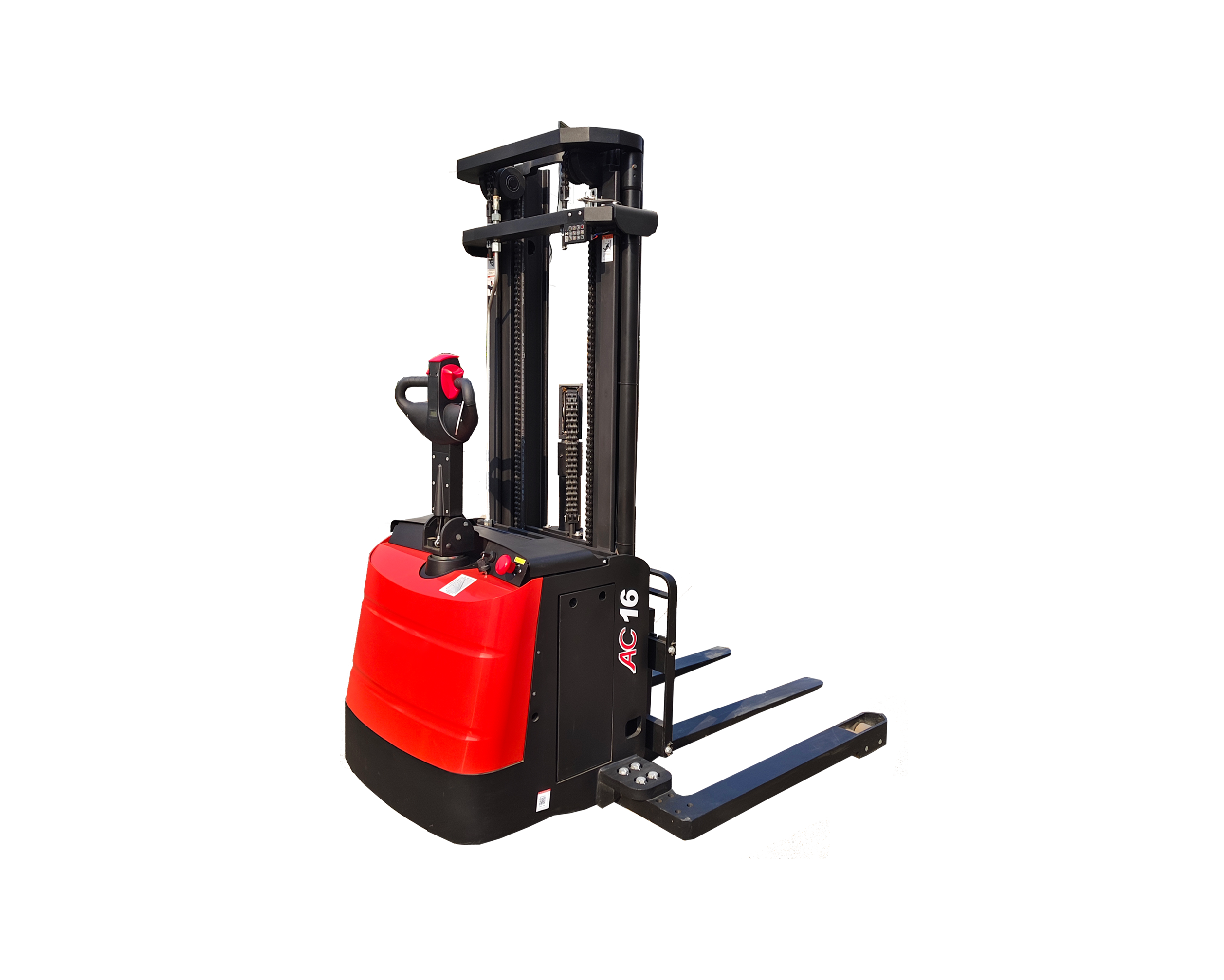
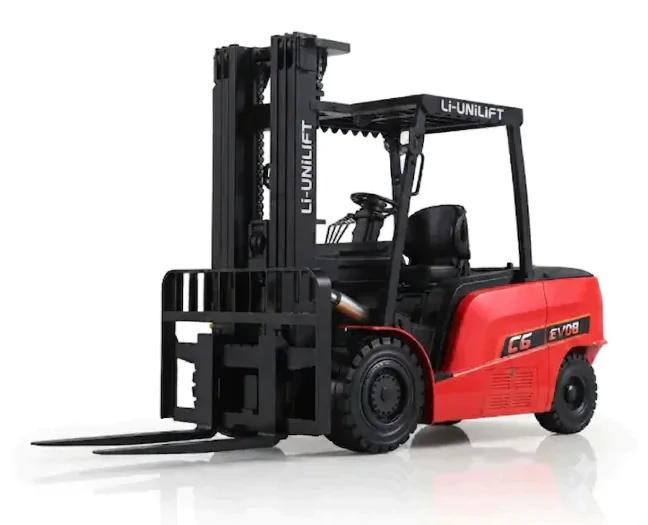
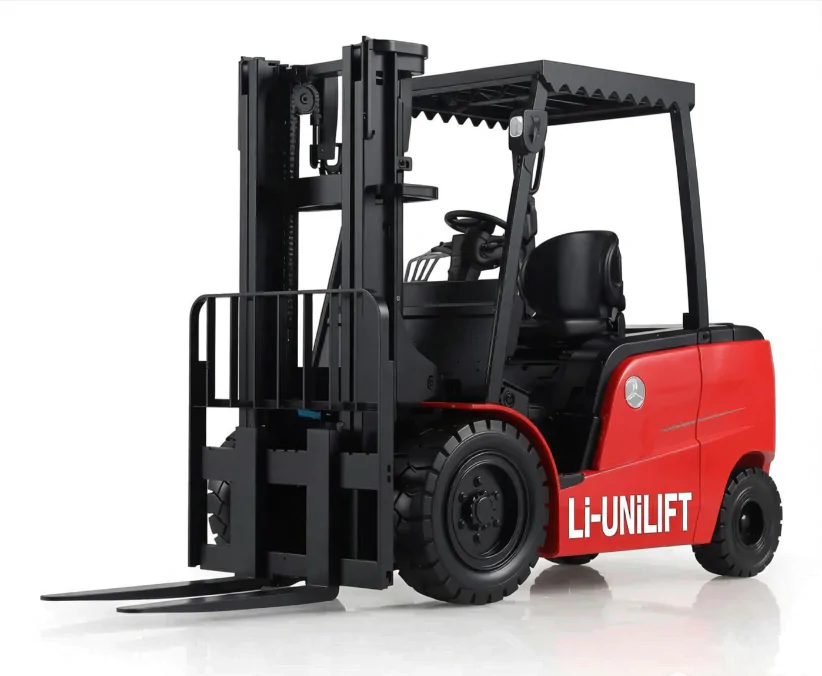
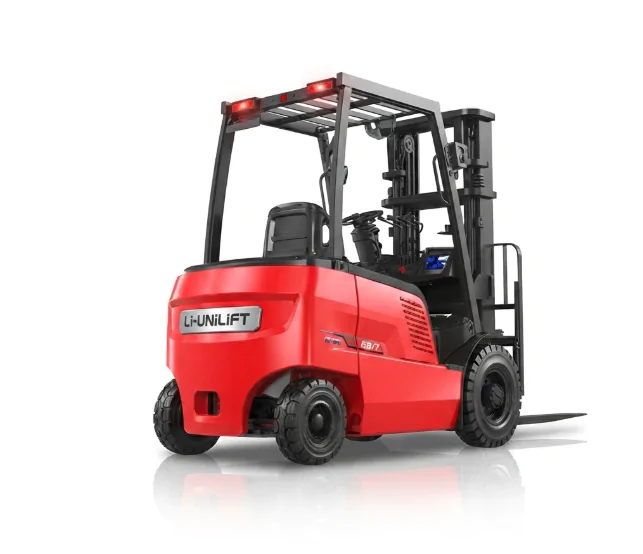
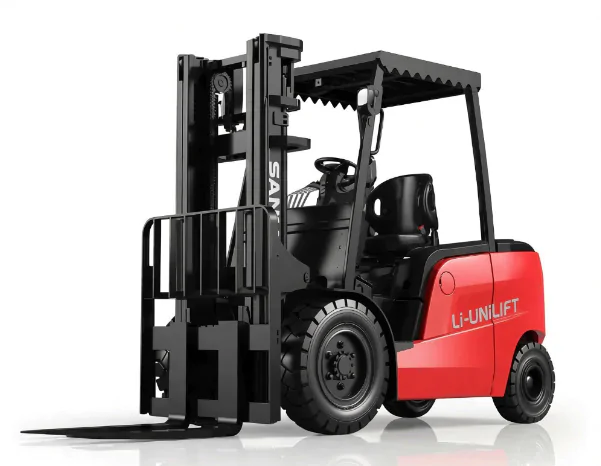
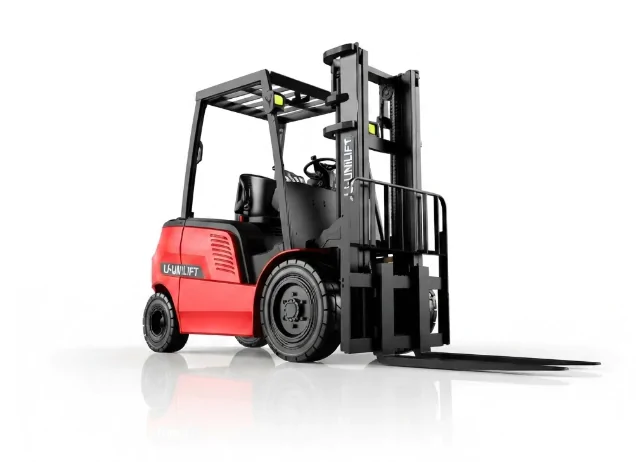
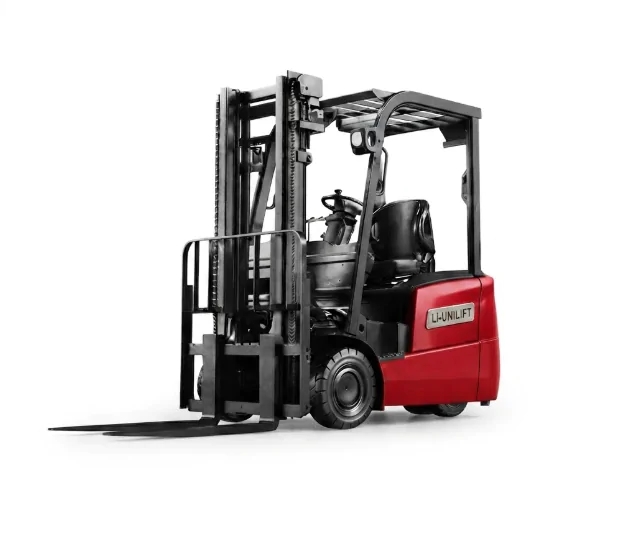
The Rough Terrain Pallet Truck Cost depends on several factors, including load capacity, wheel configuration, frame construction, fork dimensions, and the working environment. Designed for outdoor material handling, this specialized equipment helps businesses transport compatible palletized goods across suitable uneven surfaces where conventional warehouse pallet trucks may struggle. Understanding the factors behind pricing helps buyers compare models more accurately and avoid paying for features that do not match their operational needs.
For construction suppliers, agricultural businesses, industrial yards, and outdoor storage facilities, the Rough Terrain Pallet Truck Cost should be evaluated alongside durability, maintenance requirements, and expected service life. A lower purchase price may appear attractive, but the best investment is equipment that meets the required load specifications and performs reliably under the intended working conditions.
1. How Much Does a Rough Terrain Pallet Truck Cost?
The Rough Terrain Pallet Truck Cost varies considerably across suppliers, markets, and equipment configurations, so there is no single price that applies to every model. Public online listings illustrate this variation: some UK manual models are listed at approximately £895–£1,399 excluding VAT, while a US all-terrain model is listed at $2,095 and specialized models from another US supplier range from approximately $2,672 to $3,243. These are examples of listed prices, not directly comparable quotations or prices for UNILIFT-mhe products.
When comparing these prices, the Rough Terrain Pallet Truck Cost should be assessed against the specifications included in each offer. Differences in load capacity, fork dimensions, tire design, construction, accessories, delivery, and regional taxes can significantly affect the final amount. Buyers should request quotations based on equivalent requirements rather than assuming that the lowest advertised price represents the best overall value.
2. Load Capacity and Fork Specifications
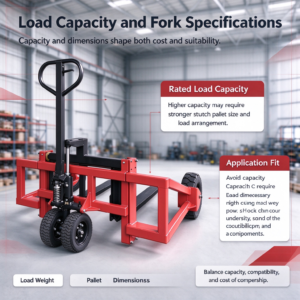
One of the biggest influences on the Rough Terrain Pallet Truck Cost is the equipment’s rated load capacity and the dimensions required for the intended application. Models designed for different load weights may require different structural components and configurations, while longer forks or adjustable fork widths can introduce additional design considerations.
Businesses should identify their maximum intended load, pallet dimensions, and required fork arrangement before comparing models. A higher-capacity specification is not automatically better if the additional capacity is unnecessary, but selecting an undersized truck can restrict operations and create safety risks. The correct choice balances rated capacity, load compatibility, and the cost of ownership.
3. Wheel and Tire Configuration
Wheel selection can affect the Rough Terrain Pallet Truck Cost because tire size, construction, and intended surface conditions influence both product design and maintenance requirements. Larger wheels may help a suitable truck negotiate minor irregularities, while pneumatic tires can provide cushioning in applications where the manufacturer approves their use.
Solid tires may be attractive where puncture resistance is a priority, although their performance depends on the specific tire design and ground conditions. Buyers should compare tire durability, traction, rolling resistance, and replacement costs rather than choosing solely by initial price. The selected configuration must suit the actual operating surface and rated load.
4. Frame Construction and Material Quality
The Rough Terrain Pallet Truck Cost also reflects the construction of its forks, chassis, welded joints, and other load-bearing components. Equipment intended for repeated outdoor use needs a structure designed to handle its rated load under the manufacturer’s specified conditions.
When evaluating suppliers, buyers should review the technical specifications, structural design, manufacturing consistency, and available inspection information. Strong engineering and appropriate material selection can support durability, but product weight or frame appearance alone cannot prove quality. The entire design should be assessed against the intended workload and environment.
5. Hydraulic System and Mechanical Components
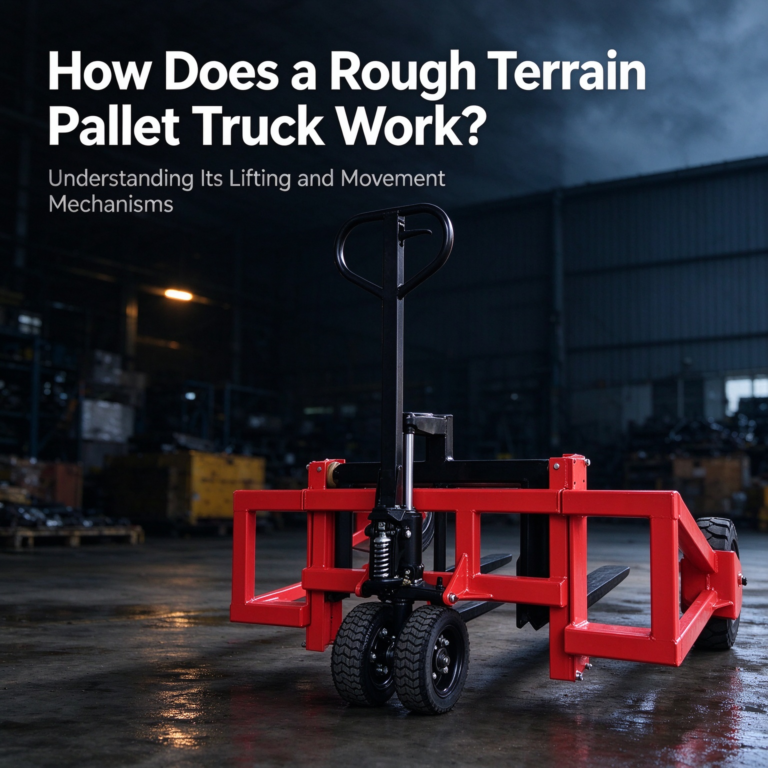
Hydraulic design is another factor in the Rough Terrain Pallet Truck Cost, particularly for manual models that use an integrated pump and lifting cylinder. Buyers should evaluate lifting performance, controlled lowering, component accessibility, and the manufacturer’s maintenance requirements.
A well-designed hydraulic system can support consistent lifting within the rated limits, while serviceable components may simplify routine maintenance. However, the truck’s long-term performance also depends on wheels, bearings, steering components, seals, and other mechanical parts. Comparing the complete system provides a more reliable basis for purchasing decisions than focusing on a single feature.
6. Customization and Optional Features
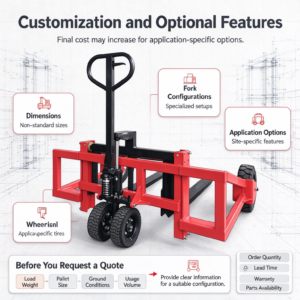
The final Rough Terrain Pallet Truck Cost may increase when a buyer requires non-standard dimensions, specialized fork configurations, particular wheel materials, or other application-specific options. Customization can be valuable when standard models do not match the pallets, load dimensions, or operating conditions in a facility.
Before requesting a customized model, define which features are essential and which are simply preferences. Supplying clear information about maximum load weight, pallet size, ground conditions, and expected usage helps manufacturers determine a suitable configuration and prepare a more accurate quotation.
For distributors and businesses purchasing multiple units, it may also be useful to request pricing for different order quantities and specifications. Any quoted discount should be considered alongside shipping, lead times, warranty terms, and the availability of replacement parts.
7. Manual vs. Powered Rough Terrain Pallet Trucks
The Rough Terrain Pallet Truck Cost can differ substantially depending on whether the equipment uses manual operation or powered drive and lifting systems. Manual models can be suitable for short-distance handling where loads, surface conditions, and operator effort remain within acceptable limits.
Powered alternatives may be more appropriate for frequent movement, longer travel distances, or demanding workloads. They introduce additional considerations, such as batteries, electrical systems, controls, and associated servicing. Published US listings for powered all-terrain pallet trucks show prices substantially above those of many manual models, although the products are not directly equivalent in specification or capability.
When evaluating the total cost, businesses should consider the expected handling frequency, operator workload, purchase budget, and maintenance requirements. The most suitable option is the one that meets operational needs without introducing unnecessary complexity or expense.
8. Shipping, Taxes, and After-Sales Support
A complete assessment of the Rough Terrain Pallet Truck Cost should include expenses beyond the equipment itself. Freight, import duties where applicable, taxes, delivery arrangements, and any required accessories can affect the final landed cost, especially for international purchases.
Warranty coverage and service support also matter for businesses that depend on equipment for daily material movement. Buyers should confirm what the warranty covers, whether replacement parts are available, and how technical support is provided. A clear quotation that separates equipment price, shipping, taxes, and optional features makes it easier to compare offers from different suppliers.
9. How to Evaluate Total Cost of Ownership
Looking beyond the initial Rough Terrain Pallet Truck Cost helps businesses assess whether a model offers good value over its expected service life. Ownership costs may include routine inspection, wheel replacement, hydraulic servicing, repairs, and downtime associated with maintenance.
A practical comparison should consider the expected workload and the cost of maintaining each option under the actual operating conditions. A less expensive truck may be suitable for occasional handling on prepared surfaces, while a model with more appropriate components may be a better fit for frequent outdoor use.
Businesses can also estimate payback when a change in equipment is expected to reduce measurable labor or handling costs. Such calculations should be based on realistic operational data rather than assumed productivity improvements. Durability, safe operation, and compatibility with the intended loads should remain essential purchasing considerations.
10. How to Choose the Right Model for Your Business
The best Rough Terrain Pallet Truck Cost is one that aligns with the technical requirements and budget of the intended application. Buyers should begin by documenting load capacity, pallet dimensions, ground conditions, operating frequency, and the distance over which loads must travel.
Next, compare equipment specifications, including wheel configuration, ground clearance, fork dimensions, hydraulic design, and maintenance requirements. Confirm that the selected model is approved for the intended surfaces and load configuration, since not every product marketed for rough terrain can operate safely on soft soil, deep mud, steep slopes, or severe obstacles.
Before placing an order, request a detailed quotation and verify the manufacturer’s product documentation, warranty conditions, spare parts availability, and delivery terms. This structured approach makes supplier comparisons more meaningful and reduces the risk of choosing equipment that does not fit the workplace.
Conclusion
The Rough Terrain Pallet Truck Cost depends on more than a product’s advertised price. Load capacity, tire configuration, structural design, hydraulic components, customization, shipping, and after-sales support all influence the final investment.
For businesses comparing models, the most effective approach is to define the intended application first, compare equivalent specifications, and calculate the likely cost of ownership. A suitable truck should provide the required handling capability while remaining practical to maintain and operate.
By assessing product quality, technical specifications, and supplier support alongside the initial price, buyers can make a more informed investment in outdoor material handling equipment that meets their operational needs.
Follow UNILIFT MHE for More Material Handling Insights
Stay connected with UNILIFT MHE for the latest updates on electric pallet trucks, electric stackers, electric tuggers, warehouse equipment, material handling solutions, and industry insights. Follow our social media channels to discover new products, application scenarios, company updates, and practical information for modern warehouse and logistics operations.
Explore reliable electric pallet trucks, electric stackers, and material handling solutions at Unilift MHE.
If you would like to contact us, please click here.
If you would like to learn more about our news, please click here.
Facebook: Follow UNILIFT MHE on Facebook
TikTok: Follow UNILIFT MHE on TikTok
Instagram: Follow UNILIFT MHE on Instagram
X: Follow UNILIFT MHE on X
Pinterest: Explore UNILIFT MHE on Pinterest
LinkedIn: Connect with UNILIFT MHE on LinkedIn