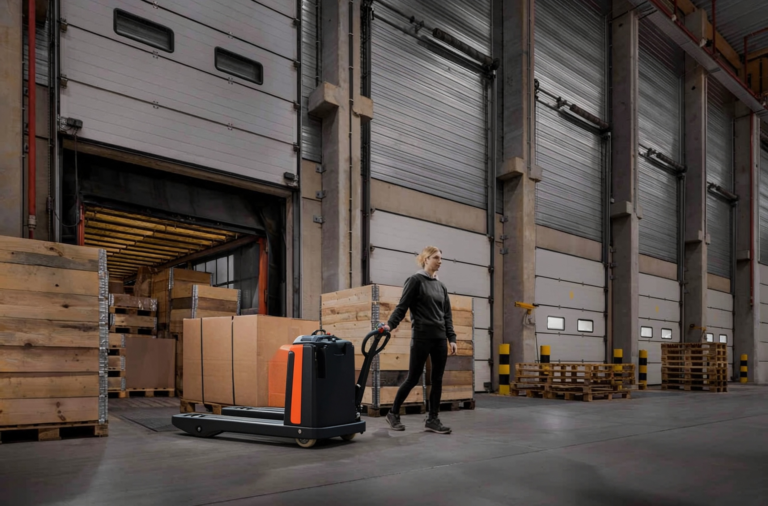
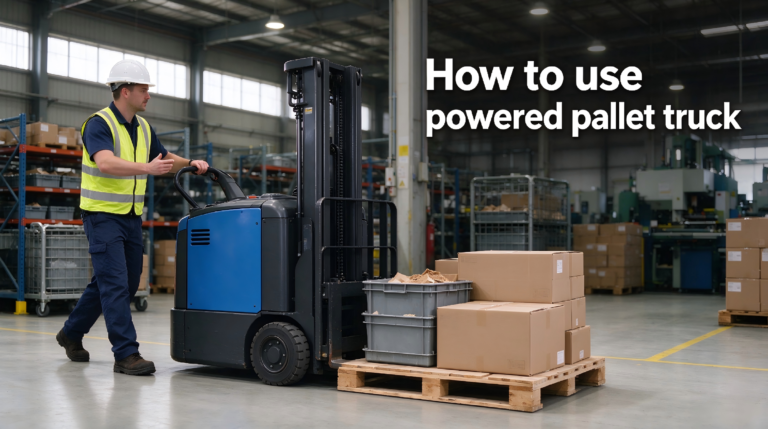
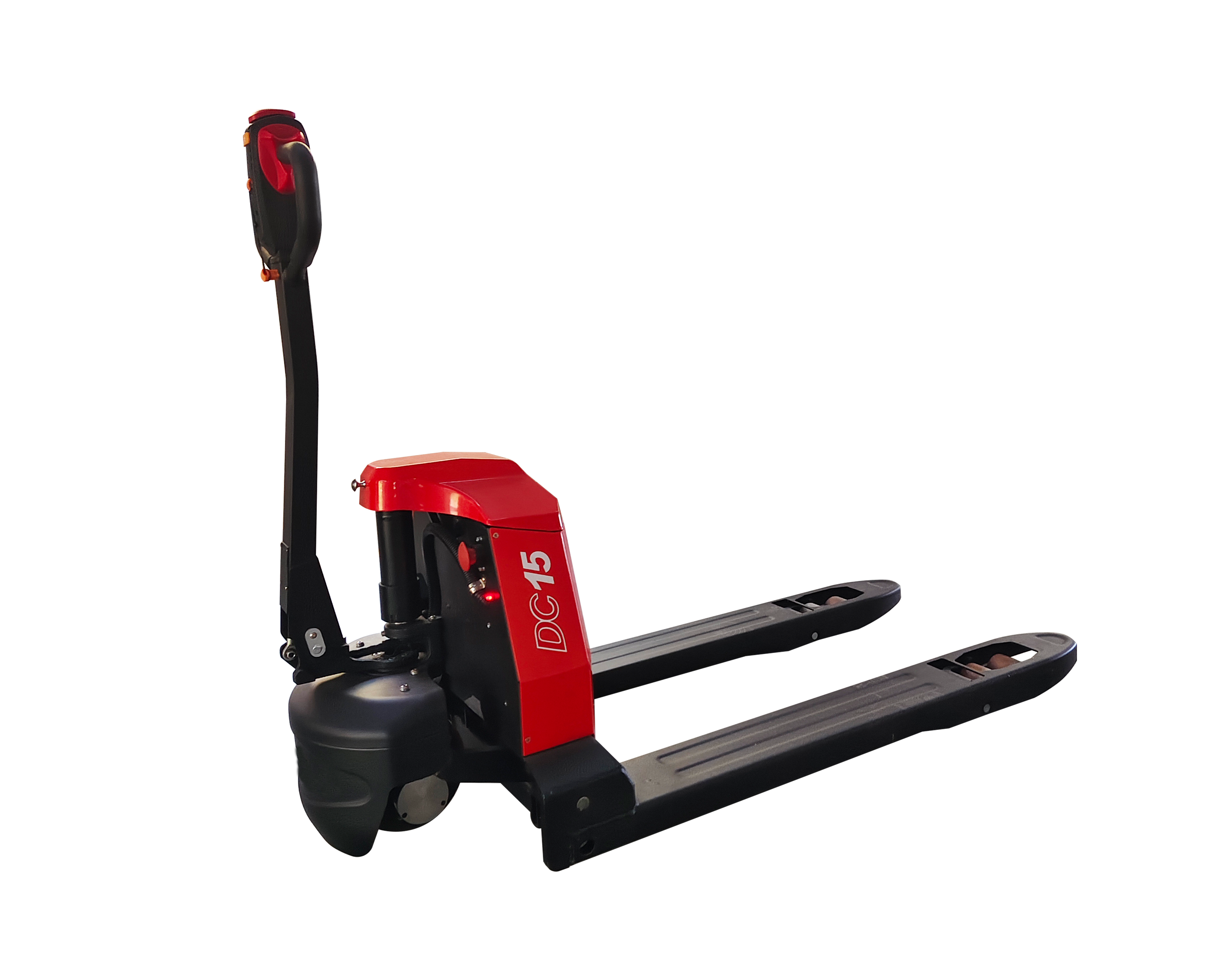
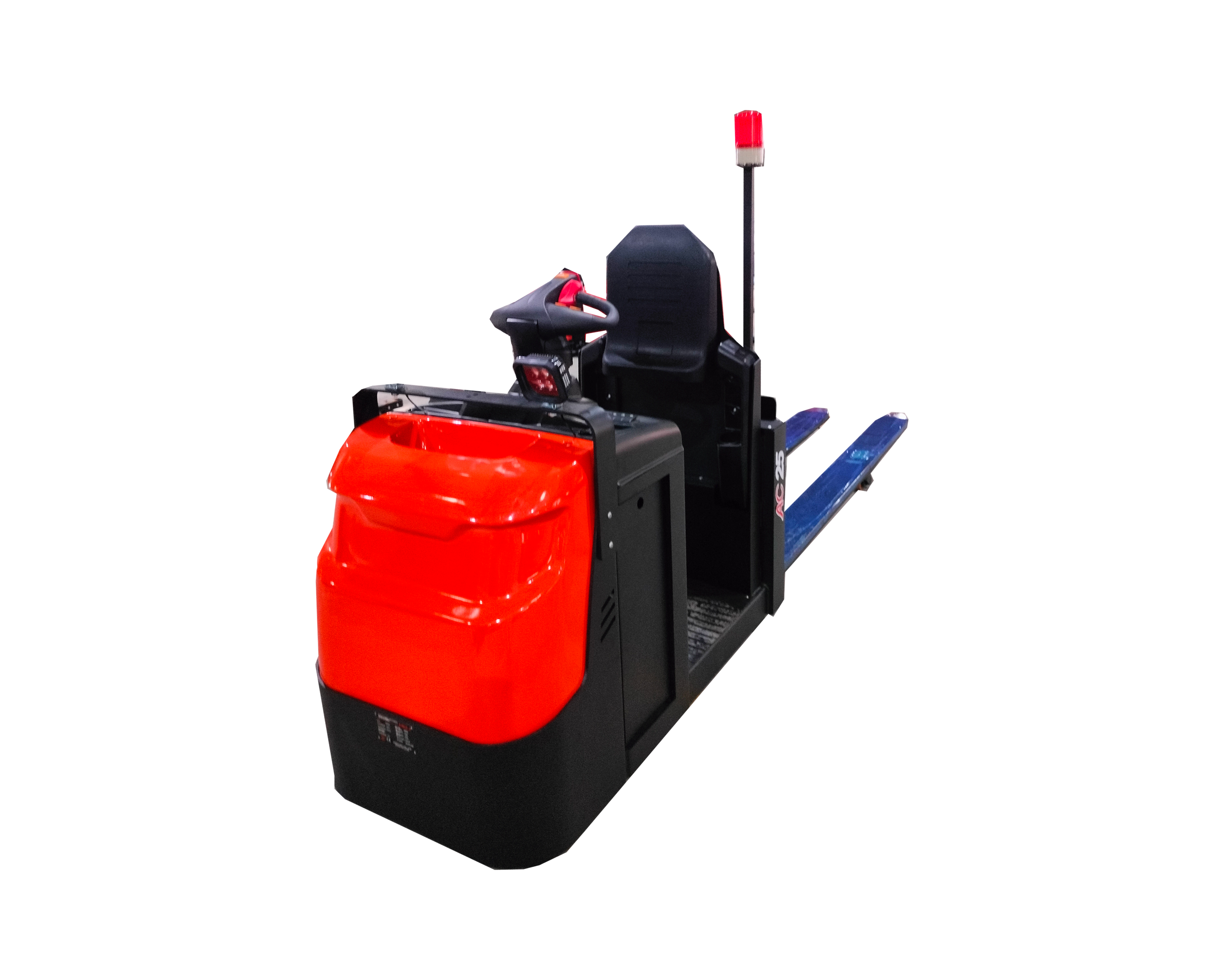
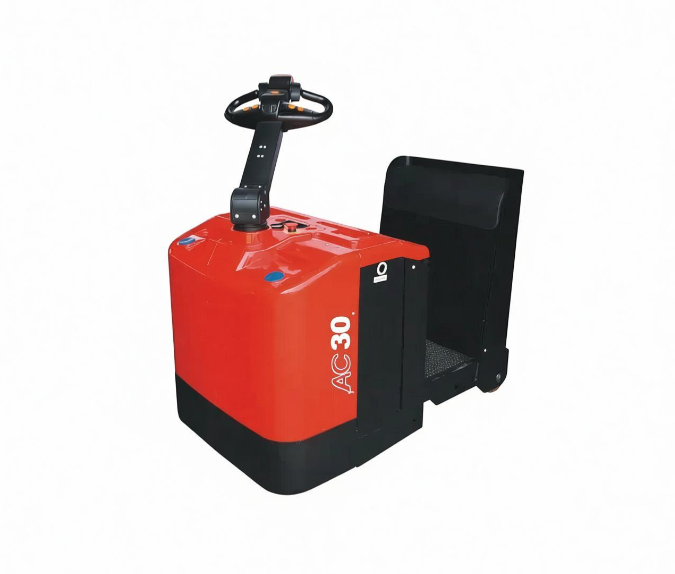
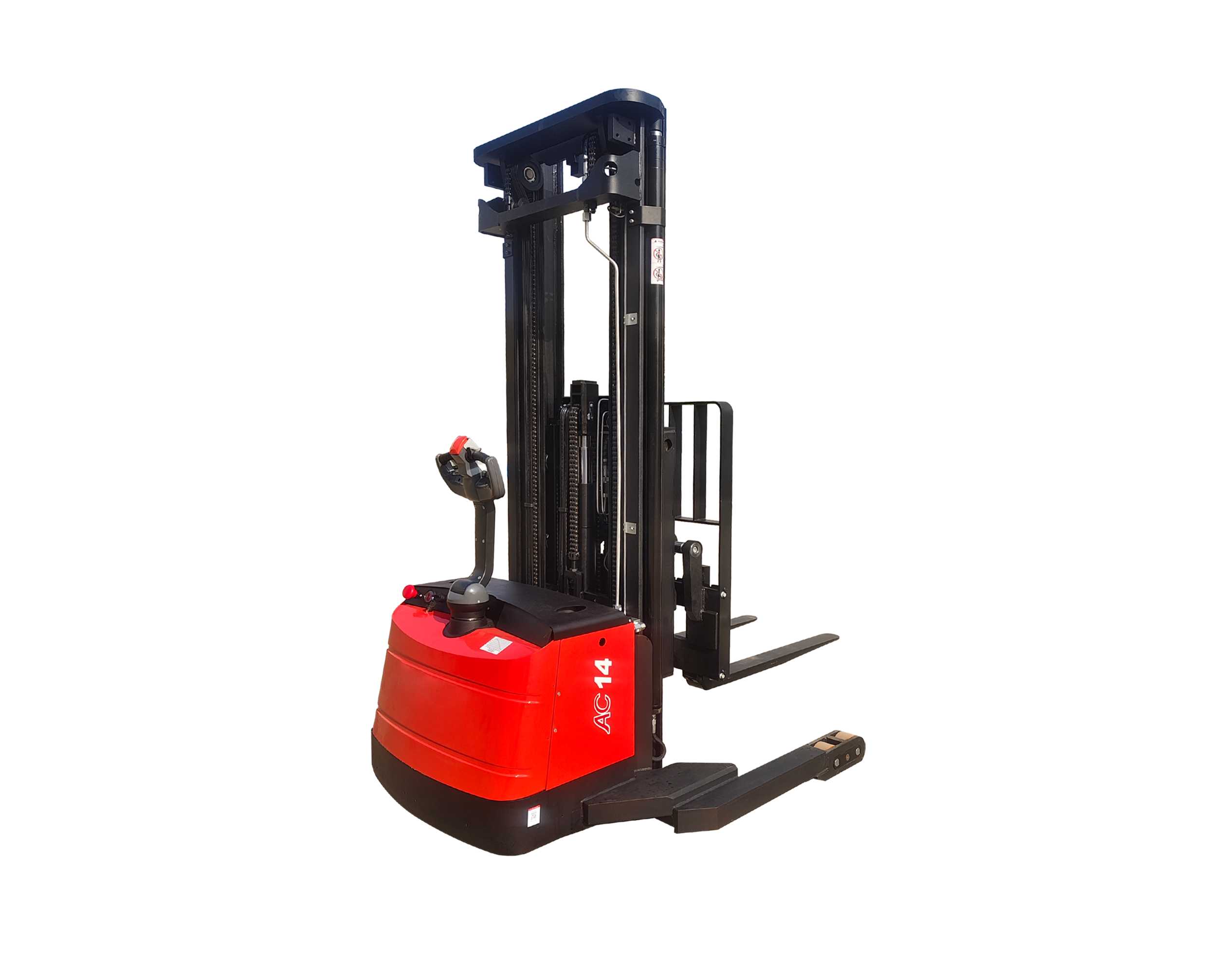
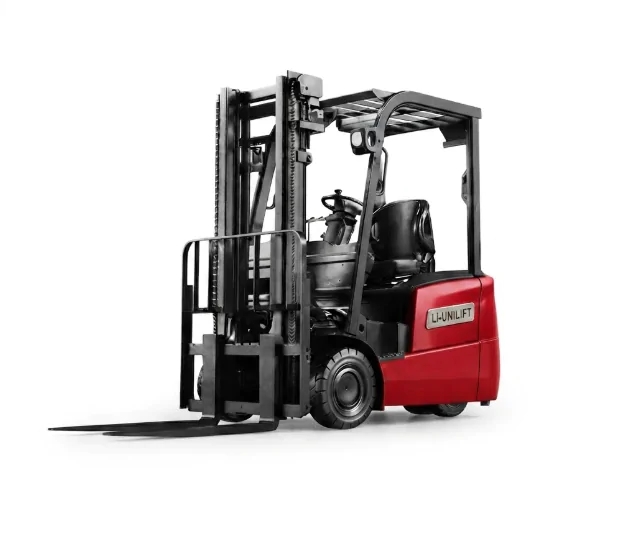
A powered pallet truck is a battery-powered material handling vehicle designed to lift palletized loads slightly off the floor and transport them across warehouses, factories, distribution centers, and other industrial facilities. Also known as an electric pallet truck or powered pallet jack, it uses an electric drive system to move loads with less manual effort than a traditional hand pallet truck.
For warehouse managers, logistics operators, and equipment buyers, understanding how a powered pallet truck works is an important first step toward choosing the right material handling solution. The most suitable model depends on load capacity, travel distance, operating conditions, and the type of work being performed.
What Is a Powered Pallet Truck Used For?
A powered pallet truck is primarily used for horizontal pallet transportation rather than high-level stacking. Its forks lift a pallet just enough to clear the floor, allowing the operator to move goods between storage areas, loading docks, production lines, and staging zones.
Common applications include:
- Warehouses and distribution centers: Moving palletized inventory between receiving, storage, picking, and dispatch areas.
- Manufacturing facilities: Transporting raw materials, components, and finished products between production stations.
- Retail and wholesale operations: Replenishing stock and moving palletized merchandise through backrooms and distribution areas.
- Loading and unloading areas: Moving palletized goods between staging zones and suitable loading positions.
- Logistics and cross-docking facilities: Transferring incoming shipments to outbound staging areas with minimal unnecessary handling.
The suitability of a particular powered pallet truck depends on the load, floor condition, available space, travel distance, and required operating cycle. Heavy-duty or demanding applications may require a model with a higher rated capacity, a rider platform, or a different type of material handling equipment.
How Does a Powered Pallet Truck Work?
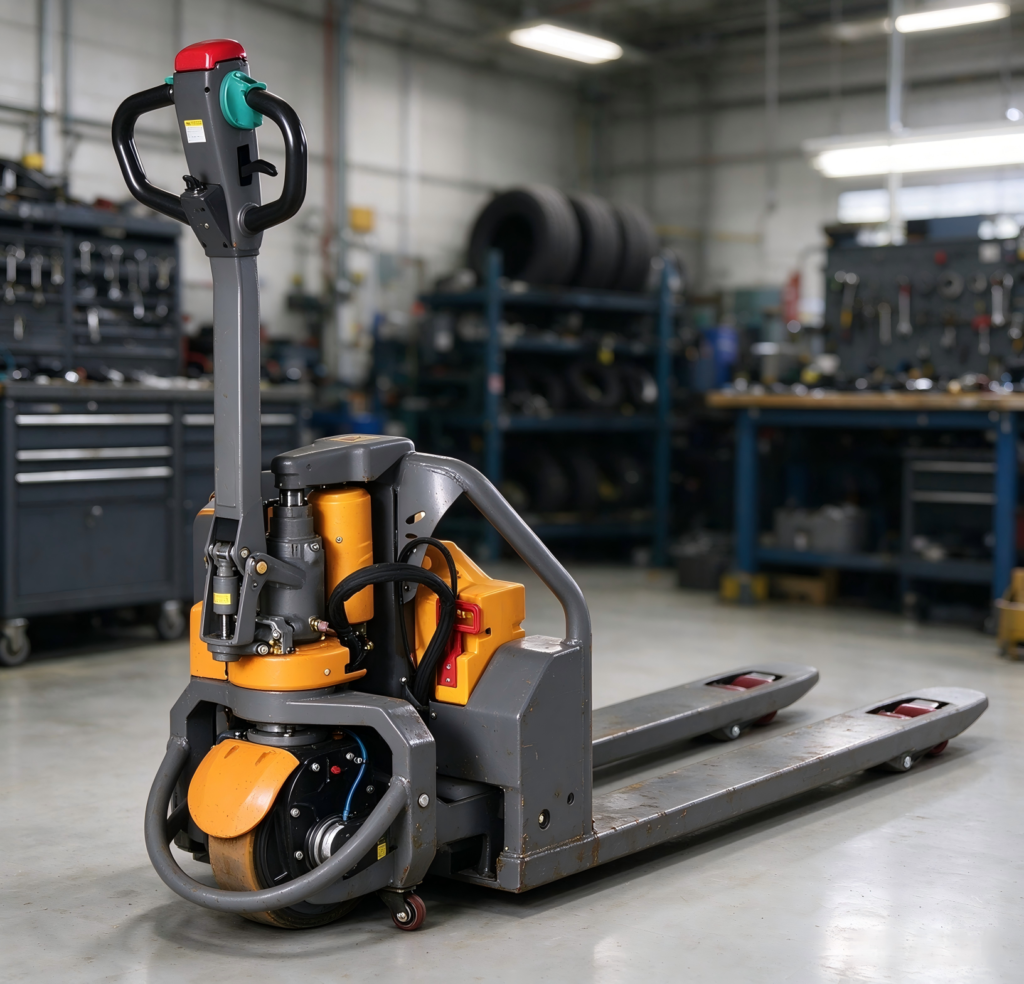
A powered pallet truck combines an electric traction system, a lifting mechanism, a battery, and operator controls to move palletized goods.
Although the exact configuration varies by model, the operating process generally follows these steps.
1. The forks enter the pallet
The operator positions the forks beneath the pallet, ensuring that they are correctly aligned and fully inserted as required by the equipment design. Proper positioning helps distribute the load appropriately across the forks.
2. The lifting system raises the load
When the operator activates the lift control, an electric motor typically drives a hydraulic pump that raises the forks. The forks need only rise enough to provide suitable ground clearance for transportation.
3. The electric drive system moves the truck
A battery supplies electrical energy to the traction motor, which drives the powered wheel or drive assembly. The operator controls travel direction and speed using the designated handle or control interface.
4. The operator transports the load
The operator moves the pallet along an appropriate route while maintaining control of the equipment and keeping pedestrians clear of the operating area. Travel speed and load handling must remain suitable for the floor conditions, visibility, and surrounding traffic.
5. The forks lower the pallet
At the destination, the operator positions the load safely and lowers the forks until the pallet rests on the floor or designated support surface. The truck can then be withdrawn according to the manufacturer’s operating instructions.
This combination of powered travel and powered lifting reduces the physical effort required for routine pallet movement. Actual operating performance depends on the truck’s design, rated capacity, battery condition, floor conditions, and working environment.
What Are the Main Components of a Powered Pallet Truck?
Understanding the main components helps buyers compare equipment configurations and plan routine inspections.
| Component | Primary function |
|---|---|
| Forks and chassis | Support the palletized load and provide the main structural platform. |
| Battery | Supplies electrical energy to the drive and lifting systems. |
| Traction motor | Powers the truck’s travel movement. |
| Lifting system | Raises and lowers the forks, commonly through an electrically driven hydraulic system. |
| Drive and load wheels | Support movement and help the truck travel across the operating surface. |
| Control handle or operator controls | Allow the operator to steer and control travel and lifting functions. |
| Braking and safety systems | Help control movement and support safe operation according to the equipment design. |
Component arrangements differ across models. Buyers should consult the relevant technical specifications and operating manual rather than assume that every powered pallet truck uses the same motor, battery, braking system, or control configuration.
What Types of Powered Pallet Trucks Are Available?
Powered pallet trucks are available in different operator configurations to suit varying travel distances, handling volumes, and workplace layouts.
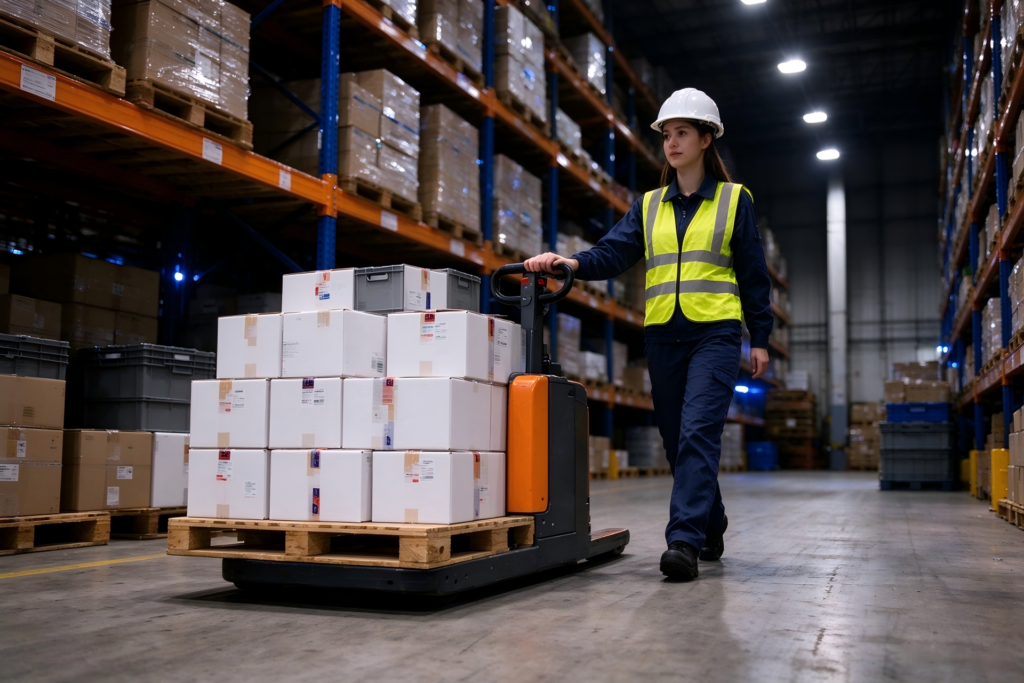
Walkie Powered Pallet Trucks
A walkie powered pallet truck is controlled by an operator who walks alongside or behind the machine, depending on the model and operating instructions.
This configuration is often suitable for short-distance transportation, loading areas, smaller warehouses, and applications where the operator needs to maneuver frequently within a limited space.
Its suitability depends on the workload and travel distance, particularly when the equipment is used repeatedly throughout a shift.
Rider Powered Pallet Trucks
A rider powered pallet truck allows the operator to travel on the equipment rather than walking alongside it for the entire journey. Depending on the design, the truck may have a standing platform or a seated operator position.
Rider configurations can be appropriate for facilities with longer internal travel distances or higher pallet movement volumes. Buyers should evaluate platform design, operator protection features, turning requirements, and the manufacturer’s specified operating conditions.
Walkie-Rider Powered Pallet Trucks
Some models combine walk-behind operation with a platform that allows the operator to ride when appropriate. This arrangement can provide flexibility when work involves both short maneuvering movements and longer travel distances.
The available operating modes and platform features vary by model, so buyers should verify the actual configuration before purchasing.
Powered Pallet Truck vs. Manual Pallet Truck
The main difference between a powered pallet truck and a manual pallet truck is how the equipment moves and lifts its load.
A manual pallet truck relies primarily on human force for travel and uses a manually operated hydraulic mechanism to raise the forks. A powered pallet truck uses an electric drive system and typically provides powered lifting, reducing the physical effort required for repeated transportation tasks.
| Comparison factor | Powered pallet truck | Manual pallet truck |
|---|---|---|
| Travel movement | Electric-powered | Primarily manual |
| Fork lifting | Commonly powered | Manually pumped hydraulic system |
| Operator effort | Lower physical effort for powered movement | Greater physical effort for moving loads |
| Repeated handling | Can suit frequent pallet transportation | Can suit occasional or lower-volume movement |
| Initial investment | Generally higher | Generally lower |
| Charging requirements | Battery charging and battery care may be required | No traction battery required |
| Maintenance | Includes electrical and powered drive components | Generally simpler mechanical and hydraulic systems |
A powered pallet truck may be a better fit when employees move pallets frequently, handle substantial workloads, or need to reduce repetitive pushing and pulling. A manual pallet truck may remain practical for occasional movements, low-volume operations, or situations where simplicity and purchase cost are priorities.
The right decision should be based on total operating requirements, including labor effort, handling frequency, travel distance, maintenance, and equipment utilization—not purchase price alone.
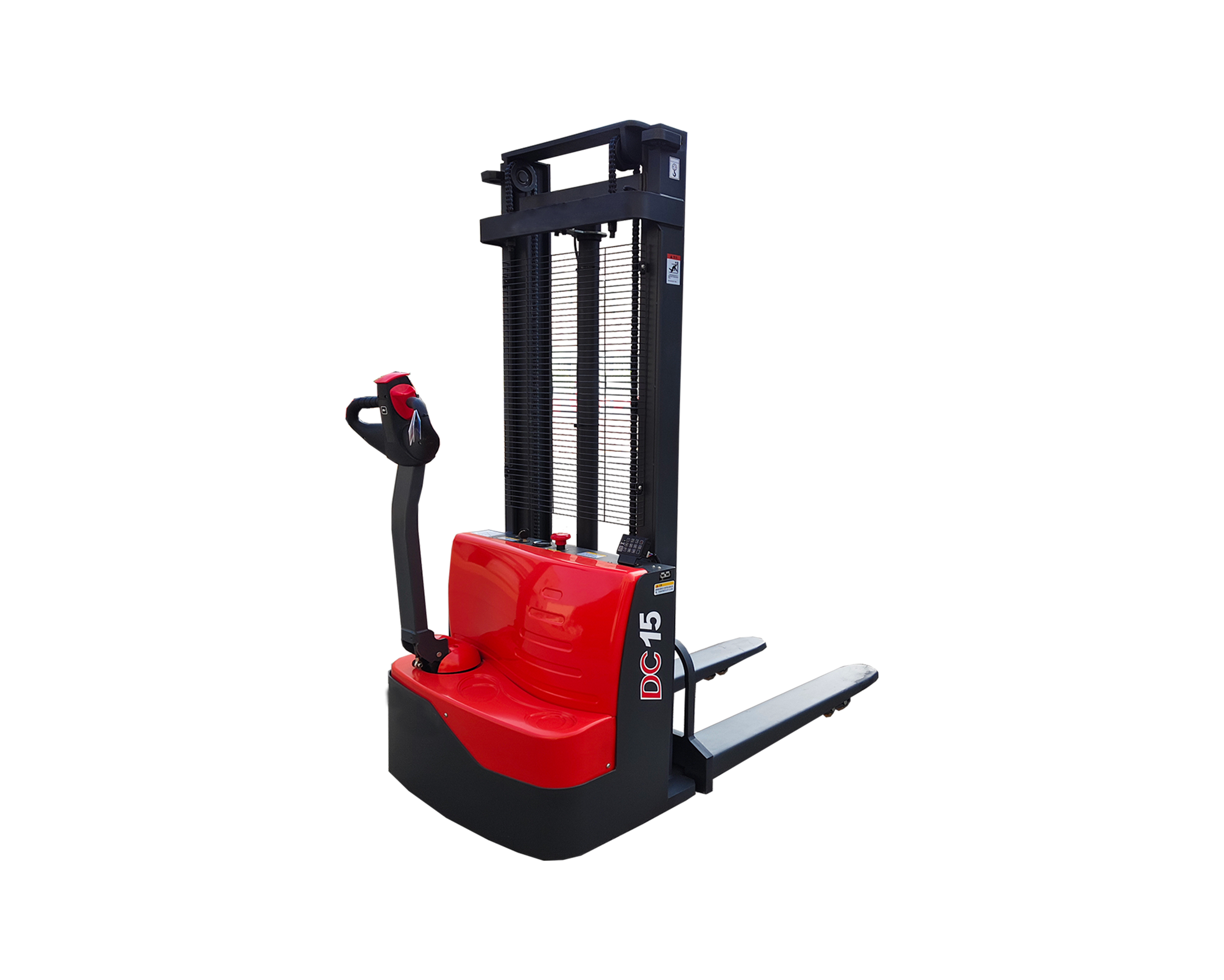
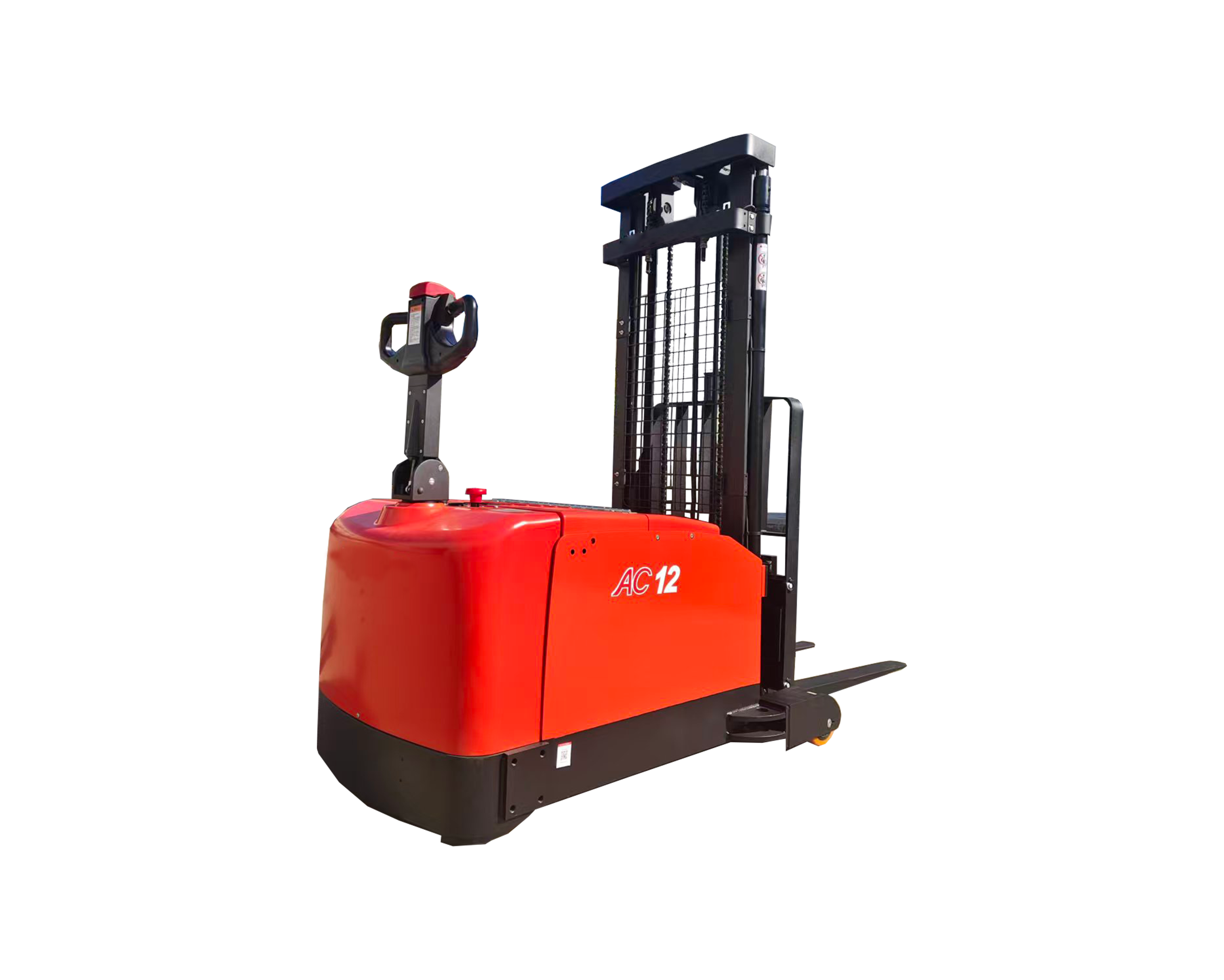
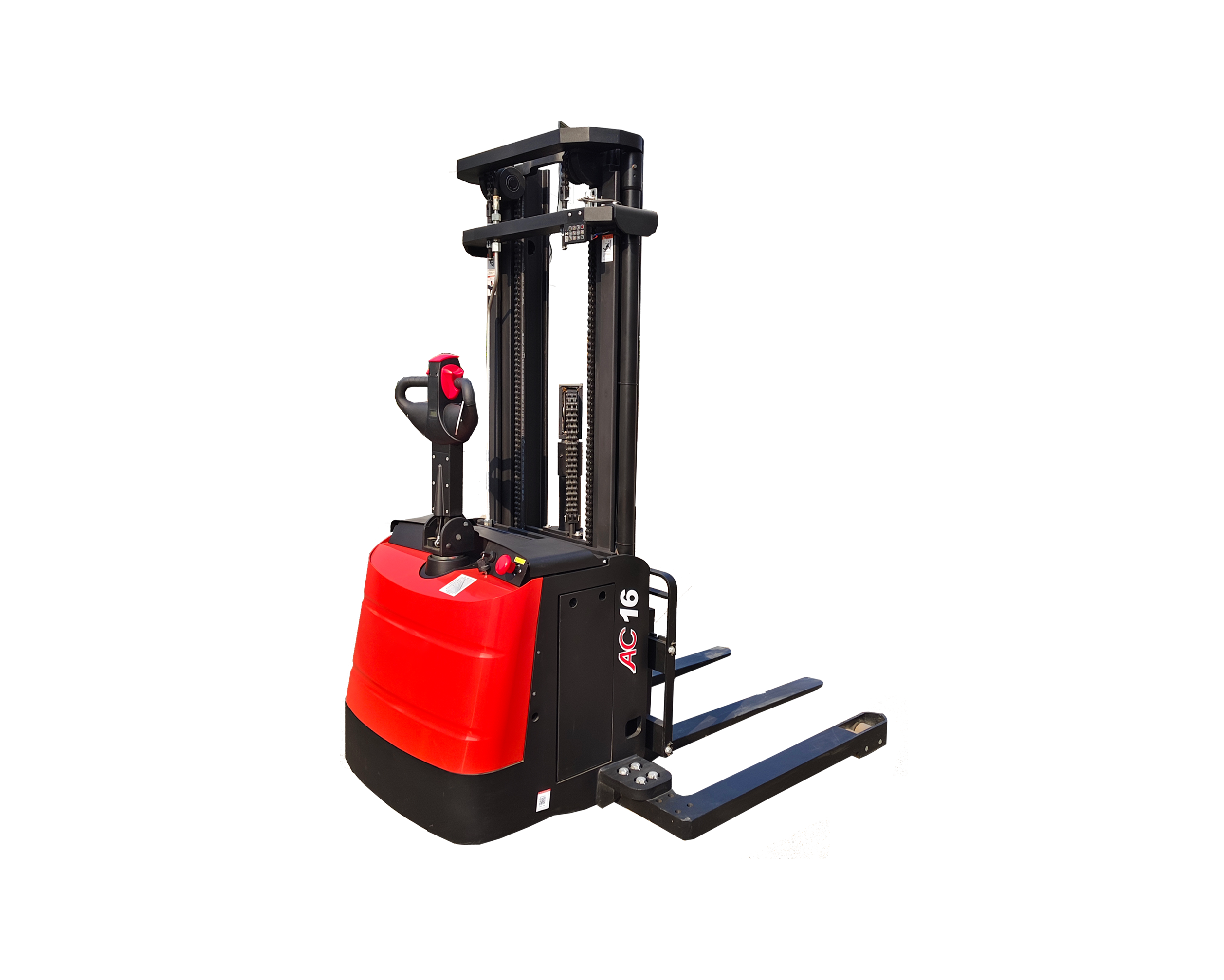
Powered Pallet Truck vs. Electric Stacker
A powered pallet truck and an electric stacker serve different material handling purposes. Choosing between them requires understanding whether the main task is horizontal transportation or lifting goods to elevated storage positions.
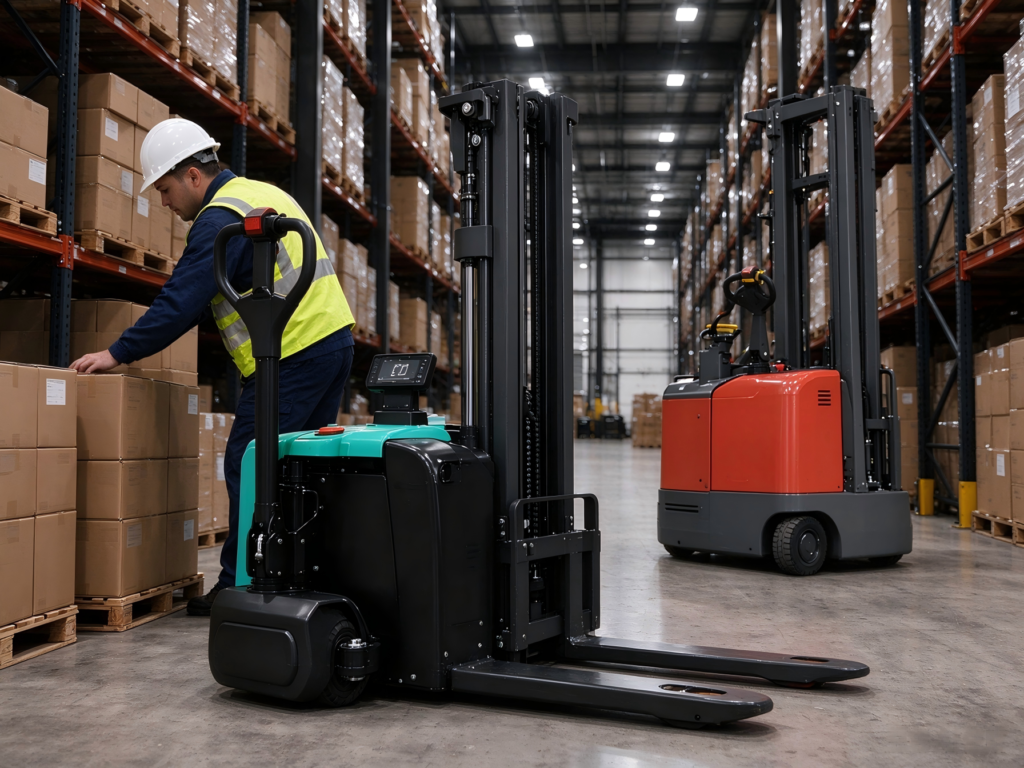
A powered pallet truck is designed primarily to transport pallets at low lifting heights. An electric stacker uses a lifting mast to raise loads to greater heights for stacking or placing goods on suitable racks.
| Comparison factor | Powered pallet truck | Electric stacker |
|---|---|---|
| Primary purpose | Horizontal pallet transportation | Lifting and stacking palletized loads |
| Lifting arrangement | Low lift for ground clearance | Mast-based lifting |
| Elevated storage | Not designed for high-level stacking | Suitable for stacking within its rated limits |
| Typical applications | Loading areas, staging zones, production areas | Storage areas, pallet stacking, suitable racking operations |
| Key selection factors | Travel distance, load capacity, maneuverability | Load capacity at lift height, required lift height, aisle dimensions, stability |
If your operation mainly moves pallets between locations on the same floor, a powered pallet truck may be appropriate. If your workflow requires placing pallets on racks or stacking loads vertically, evaluate an electric stacker or another truck specifically designed for that task.
Always verify rated capacity at the required lifting height and follow the manufacturer’s load chart and operating instructions.
What Should You Consider When Choosing a Powered Pallet Truck?
Selecting the right powered pallet truck requires more than comparing headline load capacities. Buyers should assess the operating environment and workload before choosing a configuration.
1. Rated Load Capacity
Choose a truck with a rated capacity suitable for the heaviest loads you expect to handle. Consider the weight of the complete load, pallet dimensions, load distribution, and any other relevant operating restrictions.
Never assume that a truck can safely handle every load below a stated weight without considering the manufacturer’s conditions and load limits.
2. Fork Dimensions and Pallet Compatibility
Fork length, fork width, and the spacing between forks must match the pallets and loads used in your facility. Incorrect dimensions can make pallet entry difficult or affect load support.
Before ordering, confirm your pallet dimensions and the truck’s actual fork specifications.
3. Travel Distance and Operating Frequency
Short-distance handling may favor a compact walkie model, while frequent transportation across a larger facility may justify evaluating a rider configuration.
Consider the number of pallet movements per shift, average travel distance, peak workload, and the amount of time operators spend moving between work areas.
4. Battery and Charging Requirements
Battery capacity, charging arrangements, operating time, and charging opportunities all influence equipment availability. Lithium-ion and lead-acid batteries have different charging, maintenance, and operating requirements.
Confirm the battery type, charger compatibility, charging procedure, and expected duty cycle for the specific model. Do not assume that all powered pallet trucks support opportunity charging or have the same charging time.
5. Aisle Width and Floor Conditions
Measure the available aisle width and assess turning space, floor joints, slopes, thresholds, and surface quality. The truck must be able to maneuver safely without obstructing pedestrian routes or creating unnecessary handling difficulties.
If ramps or gradients are involved, check the manufacturer’s specified gradeability and operating restrictions. Do not assume that every powered pallet truck is suitable for use on ramps.
6. Operator Configuration and Safety Features
Consider whether a walkie, rider, or walkie-rider configuration is appropriate for the operation. Review the control layout, braking arrangements, emergency functions, and any platform or operator protection features provided by the selected model.
The equipment must be suitable for the intended workplace and operated by personnel who have received the required instruction and training.
How to Maintain a Powered Pallet Truck
Routine maintenance helps identify developing problems and supports reliable equipment operation. The exact inspection and servicing schedule should follow the manufacturer’s instructions for the specific truck and battery system.
Key maintenance practices include:
- Inspect before use: Check the forks, wheels, controls, brakes, visible cables, and other specified safety-critical components for damage or abnormal conditions.
- Monitor battery condition: Follow the approved charging procedure and inspect the battery and charging equipment according to the manufacturer’s requirements.
- Check the lifting system: Look for visible hydraulic leaks, abnormal lifting behavior, or other signs of malfunction.
- Keep the equipment clean: Remove accumulated dirt and debris using methods appropriate for the equipment and its electrical components.
- Monitor wheel and control performance: Investigate unusual noise, vibration, steering resistance, or inconsistent movement.
- Arrange qualified servicing: Have faults and required repairs assessed by appropriately trained service personnel.
If a safety-critical fault is identified, stop using the equipment, secure it as required, and report the issue. Do not continue operating a truck that may be unsafe, and do not attempt repairs beyond your authorization or training.
For U.S. workplaces, OSHA’s powered industrial truck guidance and applicable requirements should be reviewed alongside the manufacturer’s instructions. Daily inspection procedures should be appropriate for the equipment type and workplace.
Frequently Asked Questions About Powered Pallet Trucks
Is a powered pallet truck the same as an electric pallet jack?
In many material handling contexts, the terms refer to the same general category of powered low-lift pallet transportation equipment. Terminology varies by region and manufacturer. Buyers should compare the actual equipment configuration and specifications rather than rely on the product name alone.
Can a powered pallet truck lift pallets onto warehouse racks?
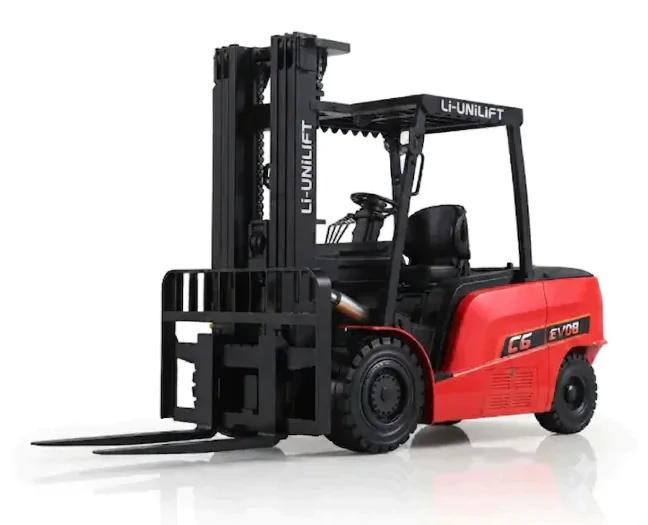
A standard powered pallet truck is designed primarily for low lifting and horizontal transportation, not high-level stacking. If pallets must be placed on elevated racks, consider an electric stacker, reach truck, or another suitable lifting truck based on the required height and load capacity.
Is a powered pallet truck suitable for a small warehouse?
It can be suitable when the warehouse handles pallets frequently enough to benefit from powered travel and has sufficient space for the selected truck. A compact walkie model may be worth evaluating, but aisle dimensions, pallet sizes, workload, and floor conditions must be considered.
What is the difference between a walkie and a rider pallet truck?
A walkie pallet truck is operated by a person walking alongside or behind it. A rider pallet truck provides a designated position for the operator to travel on the machine. The appropriate configuration depends on travel distances, handling frequency, maneuverability, and the specific operating environment.
How do I choose the right load capacity?
Start by identifying the heaviest complete load, pallet dimensions, load distribution, and expected operating conditions. Compare these requirements with the manufacturer’s rated capacity and any applicable load limitations. If the load configuration is unusual, seek confirmation from the equipment supplier before ordering.
What maintenance does a powered pallet truck require?
Maintenance commonly includes pre-use inspections, battery care, wheel and fork checks, control and brake inspections, and examination of the lifting system. The exact schedule depends on the model, usage intensity, battery type, and manufacturer recommendations.
Conclusion: Choosing the Right Powered Pallet Truck
A powered pallet truck is a practical option for businesses that need to move palletized goods with less manual effort. Its value depends on selecting the correct configuration for the workload, travel distance, pallet dimensions, battery requirements, and working environment.
For warehouse managers and equipment buyers, the best starting point is to define the actual handling task before comparing models. When the operation requires horizontal pallet transportation, a powered pallet truck may be suitable. When it requires elevated stacking, a different type of lifting equipment may be necessary.
LI-UNILIFT supports material handling equipment requirements for warehouses, factories, and logistics operations. Businesses evaluating electric pallet trucks can review the available product information and contact the team to discuss application requirements, equipment configurations, and suitable options.
Need help selecting material handling equipment? Contact LI-UNILIFT to discuss your load requirements, operating environment, and warehouse handling needs.
Follow UNILIFT MHE for More Material Handling Insights
Stay connected with UNILIFT MHE for the latest updates on electric pallet trucks, electric stackers, electric tuggers, warehouse equipment, material handling solutions, and industry insights. Follow our social media channels to discover new products, application scenarios, company updates, and practical information for modern warehouse and logistics operations.
Explore reliable electric pallet trucks, electric stackers, and material handling solutions at Unilift MHE.
If you would like to contact us, please click here.
If you would like to learn more about our news, please click here.
Facebook: Follow UNILIFT MHE on Facebook
TikTok: Follow UNILIFT MHE on TikTok
Instagram: Follow UNILIFT MHE on Instagram
X: Follow UNILIFT MHE on X
Pinterest: Explore UNILIFT MHE on Pinterest
LinkedIn: Connect with UNILIFT MHE on LinkedIn