Introduction
Selecting the right Electric Counterbalance Forklift is an important decision for warehouses, factories, and logistics companies. A suitable forklift can improve productivity, reduce operating costs, and provide safer material handling operations.
However, different working environments require different forklift configurations. Before purchasing, companies should carefully evaluate factors such as load capacity, battery technology, operating conditions, safety features, and supplier support.
This Electric Counterbalance Forklift Buying Guide explains the five key factors you should consider before making a purchase decision.
The Importance of Choosing the Right Electric Counterbalance Forklift
Understanding the features and advantages of electric counterbalance forklifts is the primary prerequisite for making a selection.
Improve Operational Efficiency
Choosing the right Electric Counterbalance Forklift ensures faster and smoother material handling operations, helping warehouses and factories improve productivity and reduce unnecessary downtime.
Ensure Workplace Safety
A properly selected forklift with suitable capacity, safety features, and ergonomic design can reduce operational risks and create a safer working environment for operators.
Reduce Operating Costs
The right forklift can lower energy consumption, maintenance expenses, and repair costs, providing better cost efficiency throughout its service life.
Match Specific Application Requirements
Different workplaces require different forklift configurations. Selecting the appropriate load capacity, battery type, lifting height, and operating features ensures the equipment meets actual handling needs.
Extend Equipment Service Life
Using a forklift that matches the workload and environment helps reduce excessive wear and improves durability, allowing the equipment to deliver reliable performance for years.
Electric Counterbalance Forklifts Are Ideal for Indoor Material Handling Operations not only because of the feature advantages mentioned above, but also because, compared to traditional internal combustion forklifts, they possess other new advantages.
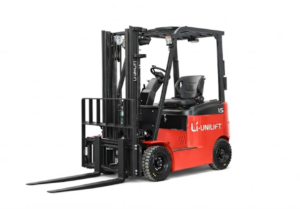
The Mian 5 Factors You Should Consider When You Choose an Electric Counterbalance Forklift
If you are planning to choose an Electric Counterbalance Forklift as your industrial vehicle, consider the following key selection factors.
1. Check the Load Capacity and Lifting Requirements
The first step in choosing the right electric counterbalance forklift is understanding your lifting requirements.
The forklift capacity determines whether the equipment can safely handle your daily workload.
Important factors include:
- Maximum lifting weight
- Average load weight
- Lifting height
- Operation frequency
According to the Electric Forklift Load Capacity Guide, common capacities include:
| Forklift Capacity | Typical Applications |
|---|---|
| 1.5 Ton Electric Forklift | Small warehouses and light-duty handling |
| 2 Ton Electric Forklift | General warehouse and factory operations |
| 2.5-3 Ton Electric Forklift | Heavy-duty industrial applications |
Choosing the correct capacity prevents equipment overload and improves service life.
2. Select the Right Battery Technology
Battery performance directly affects forklift efficiency.
When following an Electric Forklift Battery Selection Guide, buyers usually compare lead-acid batteries and lithium batteries.
Lead Acid Battery
Advantages:
- Lower initial investment
- Mature technology
Limitations:
- Longer charging time
- Regular maintenance required
Lithium Battery Electric Forklift
The Lithium Battery Electric Forklift Advantages include:
- Fast charging capability
- Longer battery lifespan
- Maintenance-free operation
- Higher energy efficiency
For warehouses requiring frequent operation, lithium battery forklifts are becoming an increasingly popular choice.
3. Consider Your Working Environment
Different industries require different forklift solutions.
Understanding Electric Forklift Applications in Warehouses helps companies select suitable equipment.
Warehouse Operations
For indoor warehouses, companies usually need:
- Compact design
- Excellent turning ability
- Low noise operation
Manufacturing Facilities
Factories often require:
- Strong chassis
- High durability
- Continuous working capability
Cold Storage
Cold environments require:
- Special battery solutions
- Reliable electrical components
- Stable performance under low temperatures
Selecting the correct forklift based on application improves efficiency and reduces downtime.
4. Evaluate Safety Features and Product Quality
Safety is one of the most important factors when purchasing an industrial forklift.Professional Industrial Electric Forklift Solutions should include advanced safety systems.
Reliable Braking System
Ensures safe stopping during operation.
Stability Control
Helps maintain forklift balance when lifting heavy loads.
Emergency Stop System
Allows operators to quickly stop the machine during emergencies.
Operator Protection Design
It includes a comfortable driving position, clear visibility, and a protective overhead guard to ensure safer and more efficient forklift operation.
5. Choose a Reliable Manufacturer and After-Sales Support
The supplier you choose is as important as the forklift itself.
A professional manufacturer should provide:
- Technical support
- Spare parts availability
- Warranty service
- Maintenance guidance
Before purchasing, check the supplier’s:
- Manufacturing experience
- Production capability
- Quality certifications
- Customer service system
A reliable supplier can provide long-term support throughout the forklift lifecycle.
Conclusion
Choosing an electric forklift requires careful evaluation of multiple factors, including load capacity requirements, battery technology, working environment, safety features, and manufacturer support. By following this Electric Forklift Selection Guide, companies can identify the most suitable equipment for their specific operations. A properly selected Electric Counterbalance Forklift can enhance warehouse efficiency, reduce maintenance costs, improve operational safety, and deliver reliable performance for many years.
If you need logistics equipment or industrial vehicles, please contact us to receive the latest product catalog and pricing information.