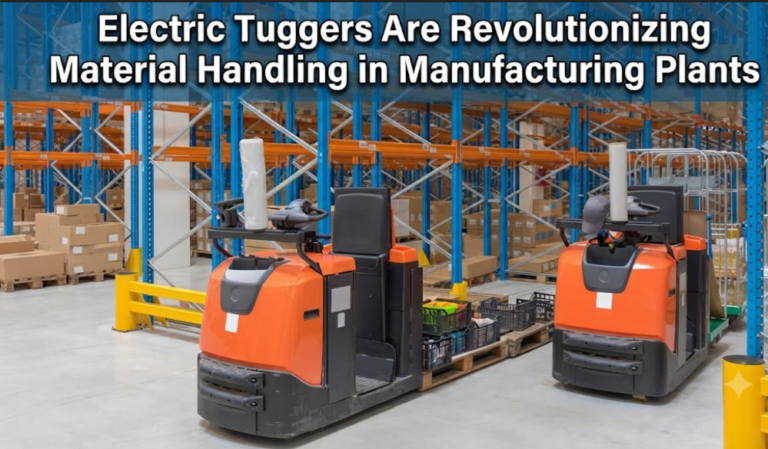
Why Are Electric Stackers Widely Used in Automotive Parts Warehouses?
Primary Keyword:
- Electric Stackers for Automotive Parts Warehouses
Secondary Keywords / Long-tail Keywords:
- electric stacker for automotive parts storage
- warehouse equipment for automotive parts handling
- how electric stackers improve automotive warehouse efficiency
- electric pallet stacker for auto parts warehouses
- material handling solutions for automotive logistics
- best stacker for automotive parts warehouse operations
- electric stacker benefits in automotive supply chains
- improve automotive warehouse productivity with electric stackers
Introduction: The Growing Importance of Efficient Handling Equipment in Automotive Parts Warehouses
- Explain the complexity of automotive parts logistics and warehouse operations.
- Highlight the challenges faced by automotive parts warehouses:
- Thousands of different components and SKUs
- Heavy and irregularly shaped parts
- Frequent inventory movement
- Limited storage space
- Strict production supply requirements
- Introduce electric stackers as an important material handling solution for automotive parts warehouses because they provide:
- efficient pallet movement
- precise handling control
- compact operation
- lower operating costs
Transition:
From receiving components to supplying production lines, electric stackers help automotive warehouses achieve faster, safer, and more organized material handling operations.
1. What Role Do Electric Stackers Play in Automotive Parts Warehouses?
Definition of Electric Stackers
- Explain that an electric stacker is battery-powered warehouse equipment designed for:
- pallet lifting
- pallet stacking
- inventory transportation
- rack storage operations
- Explain how electric stackers support automotive supply chain activities.
Main Systems of Electric Stackers
Electric Drive System
- Provides powered movement.
- Helps operators transport heavy automotive parts with less effort.
- Improves internal logistics efficiency.
Electric Lifting System
- Enables smooth lifting and lowering of pallets.
- Supports vertical storage operations.
Battery Power System
Provides energy for:
- warehouse transportation
- pallet stacking
- continuous material handling
Lithium battery options provide:
- fast charging
- longer working cycles
- reduced maintenance requirements
2. Why Do Automotive Parts Warehouses Need Electric Stackers?
2.1 Handle Large Numbers of Automotive Components Efficiently
Automotive warehouses manage:
- engine components
- transmission parts
- electronic modules
- tires and wheels
- metal components
- spare parts
Electric stackers help:
- move different pallet loads efficiently
- improve inventory circulation
- reduce material handling time
SEO keyword integration:
- electric stacker for automotive parts warehouse
2.2 Support Just-in-Time Automotive Manufacturing
The automotive industry depends on:
- accurate inventory management
- timely component delivery
- continuous production supply
Electric stackers help:
- transport parts from storage areas to production lines
- reduce supply delays
- maintain stable manufacturing processes
2.3 Manage Heavy Automotive Parts Safely
Many automotive components are:
- heavy
- expensive
- sensitive to damage
Electric stackers provide:
- stable lifting performance
- precise control
- safer pallet handling
Benefits:
✔ Reduce product damage
✔ Improve operator safety
✔ Increase handling reliability
3. Key Reasons Electric Stackers Are Widely Used in Automotive Parts Warehouses
3.1 Improve Warehouse Handling Efficiency
Automotive warehouses require frequent movement of:
- incoming components
- production materials
- finished spare parts
Electric stackers improve efficiency by:
- reducing manual transportation time
- speeding up pallet movement
- supporting continuous warehouse operations
Benefits:
✔ Faster inventory turnover
✔ Higher warehouse productivity
✔ Better logistics performance
3.2 Optimize Storage Space Utilization
Automotive parts warehouses often need:
- high-density storage
- organized inventory areas
- efficient rack management
Electric stackers help:
- stack pallets vertically
- utilize warehouse height
- operate in narrow aisles
Results:
- Increased storage capacity.
- Improved warehouse organization.
3.3 Reduce Labor Intensity
Traditional manual handling of automotive parts can cause:
- operator fatigue
- slower transportation
- higher labor requirements
Electric stackers reduce:
- physical pushing and pulling
- repetitive manual tasks
- handling workload
Advantages:
- Better worker efficiency.
- Improved workplace conditions.
3.4 Improve Material Handling Accuracy
Automotive parts often require careful handling.
Electric stackers provide:
- smooth lifting control
- stable movement
- accurate positioning
Benefits:
- Reduce handling errors.
- Protect valuable components.
4. Applications of Electric Stackers in Automotive Parts Warehouses
4.1 Receiving and Incoming Material Handling
Electric stackers are used for:
- unloading supplier deliveries
- moving pallets into storage areas
- organizing incoming components
Common materials:
- engine parts
- body components
- electrical systems
- packaging materials
4.2 Parts Storage and Rack Management
Applications include:
- pallet stacking
- inventory organization
- rack replenishment
Advantages:
- Better use of warehouse space.
- Faster access to stored components.
4.3 Production Line Supply
Electric stackers support:
- component delivery
- material replenishment
- internal transportation
Workflow:
Parts Warehouse
↓
Storage Area
↓
Assembly Line
↓
Production Process
Benefits:
- Reduce production interruptions.
- Maintain smooth manufacturing operations.
4.4 Finished Spare Parts Distribution
Used for:
- preparing outgoing shipments
- moving replacement parts
- loading transport vehicles
5. Electric Stackers vs Traditional Handling Equipment in Automotive Warehouses
Comparison Table
| Feature | Manual Handling Equipment | Electric Stacker |
|---|---|---|
| Power Source | Human effort | Battery-powered |
| Handling Speed | Slow | Faster |
| Operator Effort | High | Low |
| Load Handling | Limited | Stronger |
| Stacking Capability | Basic | Advanced |
| Long Working Hours | Difficult | Suitable |
| Safety | Lower | Higher |
6. Electric Stackers vs Forklifts for Automotive Parts Warehouses
Advantages of Electric Stackers
Compact Design
- Suitable for indoor warehouse environments.
- Works effectively in narrow aisles.
Lower Operating Costs
- Lower energy consumption.
- Reduced maintenance requirements.
Easier Operation
- Requires less training.
- Suitable for frequent warehouse tasks.
When Forklifts Are More Suitable
Forklifts may be preferred for:
- very heavy automotive components
- outdoor transportation
- long-distance movement
7. Choosing the Right Electric Stacker for Automotive Parts Warehouses
7.1 Consider Load Capacity
Common options:
1.0 Ton Electric Stacker
Suitable for:
- lightweight components
- small parts warehouses
1.5 Ton Electric Stacker
Suitable for:
- standard automotive parts handling
- medium-duty operations
2.0 Ton Electric Stacker
Suitable for:
- heavier pallets
- high-volume warehouse operations
7.2 Consider Lifting Height
Important factors:
- rack height
- storage layout
- warehouse space utilization
Higher lifting capability allows:
- better vertical storage
- improved inventory organization
7.3 Consider Battery Type
Lead-Acid Battery
Advantages:
- lower initial investment
- reliable performance
Lithium Battery
Advantages:
- faster charging
- longer service life
- maintenance-free operation
- suitable for multi-shift warehouses
7.4 Consider Warehouse Layout
Small Automotive Parts Warehouse
Recommended:
- compact electric stackers
- walkie stackers
Large Automotive Distribution Center
Recommended:
- fully electric stackers
- heavy-duty pallet stackers
8. Safety Benefits of Electric Stackers in Automotive Warehouses
Important safety features include:
Emergency Stop System
- Allows quick shutdown during emergencies.
Braking System
- Ensures controlled movement.
- Improves operator protection.
Overload Protection
- Prevents unsafe lifting operations.
Ergonomic Handle Design
- Improves operator comfort.
- Reduces fatigue during long shifts.
9. Future Trends of Electric Stackers in Automotive Logistics
Lithium Battery Technology Development
Future improvements:
- longer operating time
- faster charging
- improved energy efficiency
Smart Automotive Warehouse Integration
Electric stackers may integrate with:
- Warehouse Management Systems (WMS)
- IoT tracking platforms
- smart logistics systems
Benefits:
- Real-time equipment monitoring.
- Improved warehouse planning.
Sustainable Automotive Supply Chains
Electric stackers support:
- lower emissions
- cleaner warehouse environments
- greener logistics operations
10. Why Electric Stackers Are Essential for Automotive Parts Warehouses
Key Benefits Summary:
✔ Improve component handling efficiency
✔ Support just-in-time production
✔ Optimize warehouse storage space
✔ Reduce labor intensity
✔ Improve handling safety
✔ Protect valuable automotive parts
✔ Lower operating costs
FAQ Section
Q1: Why are electric stackers used in automotive parts warehouses?
Electric stackers provide efficient pallet handling, accurate material movement, and flexible storage solutions for complex automotive logistics operations.
Q2: Can electric stackers handle heavy automotive components?
Yes. Depending on the model, electric stackers can handle pallet loads from light components to heavier automotive parts.
Q3: Are electric stackers suitable for narrow automotive warehouses?
Yes. Their compact design allows them to operate efficiently in narrow aisles and limited warehouse spaces.
Q4: How do electric stackers improve automotive production efficiency?
They ensure faster movement of components from storage areas to production lines, reducing material supply delays.
Q5: Are lithium battery electric stackers suitable for automotive warehouses?
Yes. Lithium battery models provide longer operation time, faster charging, and lower maintenance, making them suitable for modern automotive logistics.