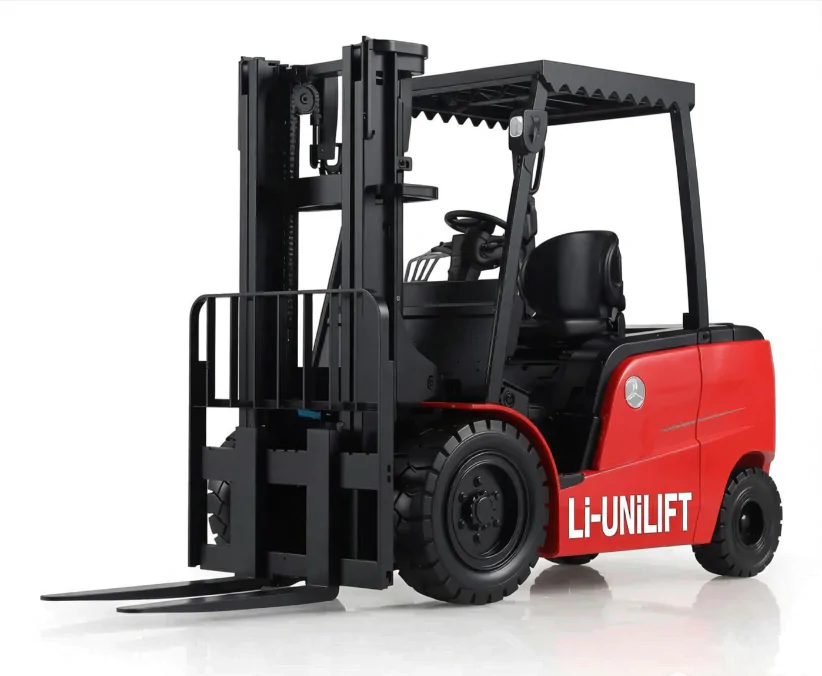
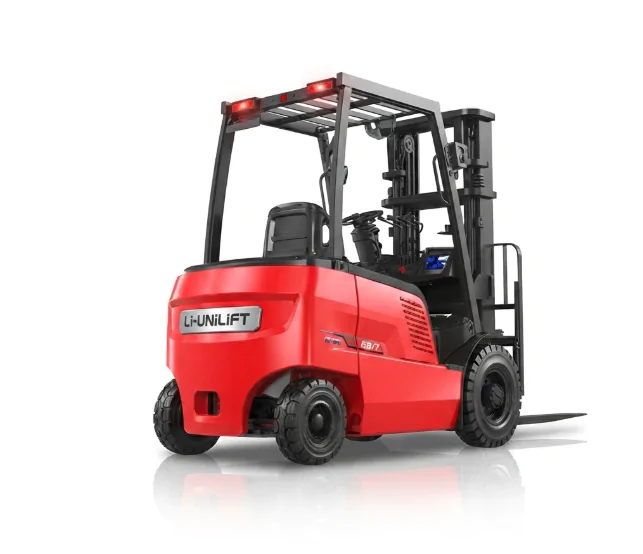
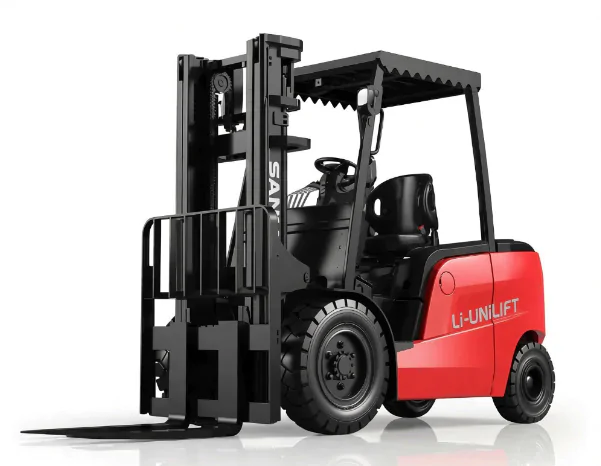
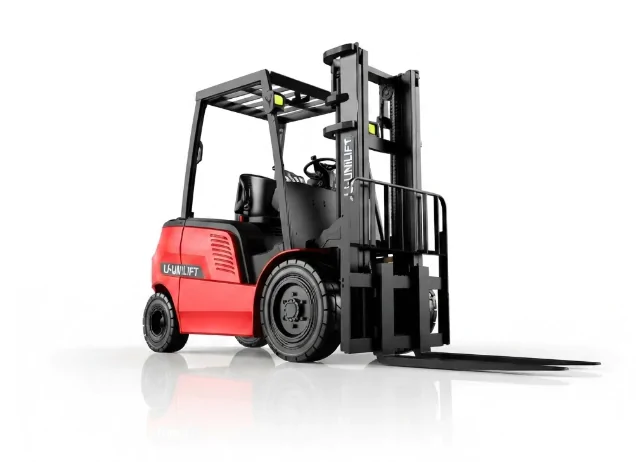
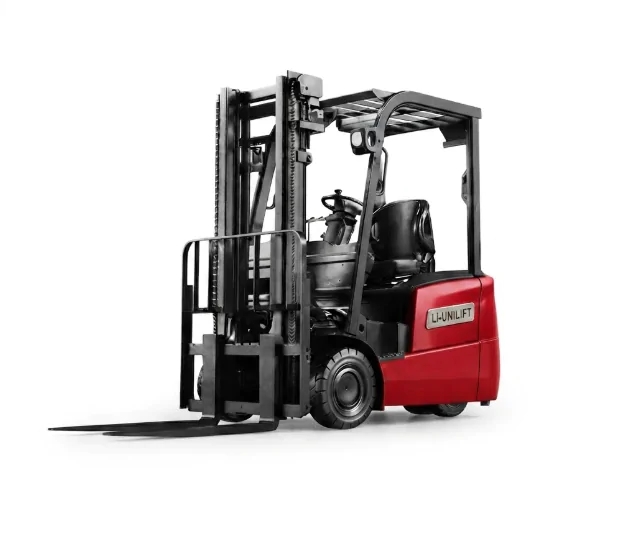
Regular Rough Terrain Pallet Truck Maintenance helps businesses keep outdoor material handling equipment in reliable working condition while reducing avoidable downtime and repair costs. Unlike equipment used exclusively on smooth warehouse floors, rough terrain pallet trucks may encounter dust, moisture, gravel, surface irregularities, and other conditions that accelerate wear on wheels, hydraulic components, and structural parts. A consistent maintenance routine helps operators identify potential problems early and maintain dependable performance within the manufacturer’s specified operating limits.
For construction suppliers, agricultural businesses, industrial yards, and outdoor storage facilities, Rough Terrain Pallet Truck Maintenance should be part of a broader equipment management plan. Routine inspections, correct operation, timely servicing, and suitable replacement parts can help extend service life while supporting safer and more efficient material handling.
1. Why Rough Terrain Pallet Truck Maintenance Matters
A structured Rough Terrain Pallet Truck Maintenance program helps identify wear and damage before they develop into more serious mechanical problems. Regular checks can reveal tire deterioration, hydraulic leaks, loose fasteners, damaged forks, and other issues that may affect handling performance.
Preventive maintenance can also reduce unexpected interruptions during busy operating periods. When equipment is inspected consistently and serviced according to the manufacturer’s recommendations, businesses can plan repairs more effectively, manage replacement parts, and avoid some of the costs associated with neglected components.
2. Conduct a Pre-Operation Inspection
Effective Rough Terrain Pallet Truck Maintenance begins with a visual and functional inspection before the equipment enters service. Operators should check the truck for visible damage, abnormal wear, leaks, loose components, and anything that could affect safe lifting or movement.
The inspection should include the forks, frame, wheels, steering mechanism, hydraulic system, and lowering controls. Any unusual noise, unstable movement, or visible structural damage should be investigated before the truck is returned to operation. Equipment with a safety-critical defect should be removed from service until it has been assessed and repaired appropriately.
Check the Forks and Frame
A key part of Rough Terrain Pallet Truck Maintenance is examining the forks and load-bearing frame for cracks, deformation, damaged welds, or other signs of stress. These components support the load and must remain within the manufacturer’s specified condition and operating limits.
Operators should also look for loose fasteners, visible corrosion, and impact damage that could affect structural integrity. Damaged load-bearing components should not be straightened, welded, or modified without an approved repair procedure from the manufacturer or a qualified service provider.
Test the Lifting and Lowering Functions
Functional checks are an important part of Rough Terrain Pallet Truck Maintenance, particularly for manual hydraulic models. Operate the lifting mechanism without exceeding the manufacturer’s permitted conditions and confirm that the forks respond consistently and lower in a controlled manner.
If the forks fail to lift properly, descend unexpectedly, or move irregularly, the equipment should be removed from service until the fault has been investigated. Routine functional checks help identify developing hydraulic problems before they disrupt handling operations.
3. Maintain Wheels and Tires for Outdoor Conditions
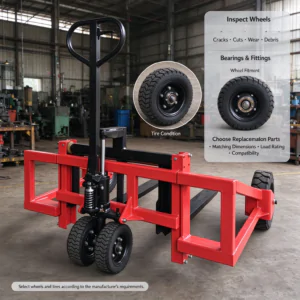
Wheel care is essential to Rough Terrain Pallet Truck Maintenance because tire condition directly influences rolling resistance, maneuverability, and movement across suitable outdoor surfaces. Gravel, grit, moisture, and repeated contact with uneven ground can contribute to wear or damage over time.
Inspect the wheels for cracks, cuts, excessive wear, embedded debris, loose fittings, and damaged bearings. For pneumatic tires, check inflation pressure according to the manufacturer’s recommendations. Solid tires should be examined for deterioration, separation, or other damage that could affect their performance.
Choose Appropriate Tires and Replacement Parts
A complete Rough Terrain Pallet Truck Maintenance strategy should account for the tire type specified for the actual model. Pneumatic tires may provide cushioning on certain uneven surfaces, while solid tires may offer different advantages, including resistance to punctures in suitable applications.
Replacement wheels and tires must match the manufacturer’s requirements for dimensions, load rating, compatibility, and intended operating conditions. Choosing parts based only on appearance or price may affect handling performance and could make the truck unsuitable for its approved application.
4. Inspect and Maintain the Hydraulic System
Hydraulic care is a central part of Rough Terrain Pallet Truck Maintenance because the lifting mechanism must raise and lower loads within the equipment’s specified limits. Leaks, contaminated fluid, damaged seals, or worn components can affect lifting performance and may create safety risks.
Check the hydraulic pump, cylinder, hoses where fitted, seals, and associated connections for signs of leakage or damage. Follow the manufacturer’s instructions when checking fluid levels or servicing the system, and use only the specified hydraulic fluid and approved replacement components.
Identify Early Signs of Hydraulic Problems
Routine Rough Terrain Pallet Truck Maintenance should include monitoring changes in lifting performance, such as slow lifting, inconsistent fork movement, difficulty holding a load, or abnormal lowering behavior. These symptoms can have several causes and should not be attributed to a single faulty component without inspection.
If the truck cannot lift a permitted load as expected or does not lower safely, stop using it and arrange an appropriate assessment. Hydraulic repairs should be performed by qualified personnel, and operators must never work beneath an unsupported raised load.
5. Keep Moving Parts Clean and Properly Lubricated
Cleaning is a simple but important part of Rough Terrain Pallet Truck Maintenance, especially when equipment is regularly used around dust, mud, gravel, or outdoor storage areas. Accumulated debris can interfere with wheels, bearings, joints, and other moving components while making damage harder to identify.
Remove loose dirt and contaminants using cleaning methods suitable for the equipment, taking care not to force water or debris into hydraulic components, bearings, or other sensitive areas. After cleaning, inspect the main components for damage and make sure the equipment is ready for its intended operating environment.
Appropriate lubrication also supports Rough Terrain Pallet Truck Maintenance by helping reduce friction at the points specified by the manufacturer. Apply the recommended lubricant at the prescribed intervals and avoid over-lubricating components, since excess grease can attract dust and abrasive particles.
6. Protect the Equipment from Corrosion and Environmental Damage
Environmental protection should form part of Rough Terrain Pallet Truck Maintenance whenever equipment is used or stored outdoors. Moisture, mud, fertilizer residues, and certain industrial contaminants can contribute to corrosion or deterioration if they remain on exposed surfaces.
Clean the equipment after particularly dirty operations and inspect painted surfaces, joints, fasteners, and other exposed areas for corrosion or damage. Where practical, store the truck in a dry, sheltered location and follow the manufacturer’s guidance for protecting it during extended periods of inactivity.
Storage practices also affect Rough Terrain Pallet Truck Maintenance because leaving equipment exposed to severe weather can increase wear on metal surfaces and components. Before returning a stored truck to service, perform a thorough inspection and verify that all functions operate correctly.
7. Follow a Preventive Maintenance Schedule
A planned Rough Terrain Pallet Truck Maintenance schedule makes it easier to track inspections, manage wear, and identify recurring faults. The correct interval depends on the manufacturer’s instructions, working conditions, frequency of use, and the type of equipment.
A practical schedule can include the following activities:
- Before each use: Check the forks, frame, wheels, hydraulic system, lifting and lowering functions, and visible safety-related components.
- At regular intervals: Review wheel wear, fasteners, moving parts, structural condition, and service records according to the manufacturer’s maintenance plan.
- When a problem appears: Stop operation when a defect may affect safety, investigate the cause, and arrange repair before returning the equipment to service.
- During extended storage: Clean the equipment, protect it as recommended, and complete the required inspection before reuse.
Consistent Rough Terrain Pallet Truck Maintenance records should identify inspection dates, findings, repairs, replaced components, and any recurring problems. These records help businesses monitor equipment condition and plan service work more efficiently.
8. Common Maintenance Problems and How to Prevent Them
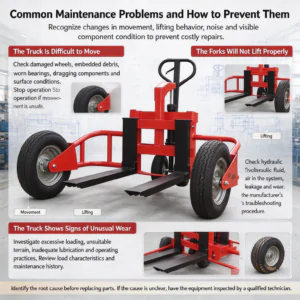
Recognizing common faults early can make Rough Terrain Pallet Truck Maintenance more effective and help prevent minor problems from developing into costly repairs. Operators should pay attention to changes in movement, lifting behavior, noise, and visible component condition.
The Truck Is Difficult to Move
If a truck becomes difficult to move, Rough Terrain Pallet Truck Maintenance should begin with checking for damaged wheels, embedded debris, worn bearings, dragging components, and unsuitable surface conditions. Excessive load weight or uneven ground may also contribute to movement difficulties.
Stop operating the equipment if a wheel or steering component appears damaged or movement becomes unsafe. Identify the cause before replacing parts, since incorrect repairs may fail to resolve the underlying problem.
The Forks Will Not Lift Properly
Poor lifting performance requires attention to the hydraulic components during Rough Terrain Pallet Truck Maintenance. Possible causes include insufficient hydraulic fluid, air in the system, leakage, wear, or a mechanical fault, depending on the design.
Follow the manufacturer’s troubleshooting procedure rather than adding fluid or adjusting components without diagnosis. If the cause is unclear or the system cannot safely hold a load, have the equipment inspected by a qualified technician.
The Truck Shows Signs of Unusual Wear
Unusual wear discovered during Rough Terrain Pallet Truck Maintenance may indicate excessive loading, unsuitable terrain, inadequate lubrication, damaged components, or operating practices that differ from the manufacturer’s recommendations.
Investigate repeated wear instead of replacing the same part without addressing the cause. Reviewing load characteristics, floor conditions, inspection findings, and maintenance history can help businesses determine whether a change in operating practices or equipment selection is necessary.
9. Train Operators in Correct Handling Practices
Operator training is an essential part of Rough Terrain Pallet Truck Maintenance because operating practices influence equipment wear as well as workplace safety. Workers should understand rated capacity, suitable operating surfaces, correct load positioning, inspection procedures, and the approved method for raising and lowering loads.
Operators should avoid sudden movements, excessive loads, unsuitable slopes, and surfaces beyond the truck’s approved capabilities. Loads must be stable and compatible with the forks, while travel routes should be inspected for obstacles, soft ground, and abrupt changes in surface height.
Good operating habits support Rough Terrain Pallet Truck Maintenance by reducing avoidable impacts and helping components remain within their intended working conditions. Training should also explain how to report faults and when equipment must be removed from service.
10. How Product Design Affects Service Life
The effectiveness of Rough Terrain Pallet Truck Maintenance depends partly on the quality and suitability of the original equipment. Structural design, material selection, hydraulic component quality, wheel assemblies, and access to service points can all influence durability and the ease of routine inspection.
A well-designed model should match its intended load and working environment while allowing operators and technicians to inspect important components. Clear technical documentation and suitable replacement parts also help businesses maintain equipment according to the manufacturer’s requirements.
When evaluating products from UNILIFT-mhe, buyers should review the actual model’s rated capacity, fork dimensions, wheel configuration, hydraulic design, and permitted operating surfaces. Confirming these details before purchase helps ensure that the selected equipment is suitable for the application and that its maintenance requirements are understood from the outset.
Conclusion
Effective Rough Terrain Pallet Truck Maintenance combines regular inspections, appropriate wheel and hydraulic care, correct lubrication, suitable storage, operator training, and timely repairs. These practices help businesses identify problems earlier, reduce avoidable downtime, and maintain equipment in a condition appropriate for its intended use.
Long service life depends on more than maintenance frequency alone; product suitability, operating conditions, load handling, and manufacturing quality all play important roles. Following the manufacturer’s specifications and keeping accurate service records helps businesses make better-informed decisions about repair, replacement, and equipment management.
For companies handling palletized goods outdoors, a consistent maintenance program is a practical investment in operational reliability. Selecting suitable equipment and caring for it correctly can help support dependable material handling throughout its working life.
Follow UNILIFT MHE for More Material Handling Insights
Stay connected with UNILIFT MHE for the latest updates on electric pallet trucks, electric stackers, electric tuggers, warehouse equipment, material handling solutions, and industry insights. Follow our social media channels to discover new products, application scenarios, company updates, and practical information for modern warehouse and logistics operations.
Explore reliable electric pallet trucks, electric stackers, and material handling solutions at Unilift MHE.
If you would like to contact us, please click here.
If you would like to learn more about our news, please click here.
Facebook: Follow UNILIFT MHE on Facebook
TikTok: Follow UNILIFT MHE on TikTok
Instagram: Follow UNILIFT MHE on Instagram
X: Follow UNILIFT MHE on X
Pinterest: Explore UNILIFT MHE on Pinterest
LinkedIn: Connect with UNILIFT MHE on LinkedIn