Introduction
Order pickers are essential tools in modern warehouses, helping operators retrieve products efficiently from elevated storage locations. However, because these machines involve working at height, moving through busy warehouse environments, and handling inventory, proper training is critical.
Without a structured training process, new employees may be exposed to safety risks, equipment damage, and reduced productivity. That is why every warehouse should implement a comprehensive order picker training program designed to build skills, reinforce safety awareness, and ensure operational consistency.This guide explains how to train new employees to operate an electric order picker correctly and establish a safer, more productive warehouse environment.
Why Electric Order Picker Operator Training Is Essential
A well-designed order picker operator training program benefits both employees and employers.
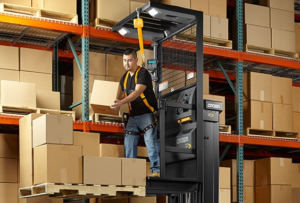
Improving Workplace Safety
One of the primary goals of order picker safety training is preventing workplace accidents.
Proper instruction helps operators understand:
Equipment limitations
Safe operating procedures
Fall protection requirements
Hazard recognition techniques
Employees who receive effective training are more likely to make safe decisions during daily operations.
Increasing Productivity
Well-trained operators can complete tasks more efficiently while maintaining accuracy and safety standards.
Reducing Equipment Damage
Training helps prevent:
Collisions
Improper load handling
Mechanical misuse
Premature equipment wear
This reduces maintenance costs and improves equipment lifespan.
Meeting Safety Compliance Requirements
Many companies require documented warehouse order picker training to support workplace safety programs and regulatory compliance.
Building an Effective Electric Order Picker Training Program
Creating a successful order picker training program starts with clear objectives and standardized procedures.
Assess Employee Experience Levels
Before training begins, evaluate each employee’s:
Warehouse experience
Equipment knowledge
Safety awareness
Technical skills
This allows trainers to tailor instruction to individual needs.
Establish Training Objectives
Training goals should include:
Safe operation
Equipment inspection
Load handling
Emergency procedures
Productivity standards
Develop Standard Operating Procedures
Consistent procedures help ensure all operators receive the same level of instruction and guidance.
A documented order picker operation guide serves as an important reference tool throughout the training process.
Step-by-Step New Employee Electric Order Picker Training Process
An effective new employee order picker training program should combine classroom instruction with practical experience.
Step 1: Classroom Safety Training
Before operating equipment, employees should understand warehouse safety fundamentals.
Warehouse Safety Procedures
Topics may include:
Pedestrian awareness
Traffic management
Emergency response protocols
Hazard communication
Order Picker Safety Training Basics
Operators should learn:
Equipment safety features
Stability principles
Fall protection requirements
Safe operating limits
This foundation supports long-term safe performance.
Step 2: Equipment Familiarization
Before driving the machine, employees should become familiar with its design and controls.
Understanding Order Picker Components
Key components include:
Operator platform
Lift controls
Steering system
Battery compartment
Safety devices
Reading the Operator Manual
Reviewing manufacturer documentation helps employees understand equipment capabilities and limitations.
This step is a critical part of order picker certification training.
Step 3: Pre-Operation Inspection Training
Every operator should understand the importance of daily equipment inspections.
Daily Inspection Checklist
Training should cover:
Tire inspection
Battery condition
Hydraulic systems
Safety devices
Control functions
Identifying Potential Hazards
Operators should learn how to recognize issues that require maintenance attention.
Inspection skills are an important part of order picker operator safety practices.
Step 4: Hands-On Operation Training
Practical experience is where employees begin applying what they have learned.
Driving Techniques
Employees should practice:
Starting and stopping smoothly
Steering safely
Maneuvering in aisles
Operating at controlled speeds
Lifting and Lowering Procedures
Training should emphasize:
Smooth lift operation
Proper positioning
Stability awareness
Picking Operations
Employees should learn efficient and safe methods for retrieving inventory from storage locations.
These exercises reinforce how to operate an order picker safely in real-world conditions.
Step 5: Supervised Practice
New operators should never work independently immediately after training.
Real Warehouse Scenarios
Supervised practice allows employees to:
Navigate active warehouse environments
Handle actual inventory
Respond to common operational challenges
Performance Evaluation
Trainers should assess:
Equipment control
Safety compliance
Productivity
Decision-making ability
Only qualified operators should be authorized to operate equipment independently.
How to Operate an Order Picker Safely
Safety should remain the focus of all warehouse order picker training activities.
Maintain Equipment Stability
Operators should:
Avoid sudden movements
Respect load limits
Position loads correctly
Use Fall Protection Equipment
Where required, employees must use approved harnesses and fall protection systems.
Follow Warehouse Traffic Rules
Operators should obey:
Speed limits
Traffic lanes
Pedestrian crossing procedures
Practice Safe Load Handling
Improper load placement can affect equipment stability and increase accident risks.
These principles are central to order picker operator safety practices.
Common Mistakes New Operators Make
Understanding common errors helps trainers prevent accidents and improve performance.
Skipping Inspections:Failing to inspect equipment before use can allow safety issues to go unnoticed.
Speeding in Warehouse Aisles:Excessive speed increases collision risks and reduces operator control.
Improper Load Handling:Overloading or incorrectly positioning products may compromise equipment stability.
Ignoring Safety Procedures:Shortcuts often lead to accidents, equipment damage, and productivity losses.
Order Picker Certification Training and Evaluation
Formal assessment is a critical component of any order picker certification training process.
Skills Assessment
Employees should demonstrate proficiency in:
Equipment inspection
Machine operation
Safe picking procedures
Safety Testing
Knowledge evaluations help verify understanding of safety requirements and operating procedures.
Ongoing Refresher Training
Periodic retraining helps maintain operator competence and reinforces safe habits.
Benefits of Continuous Warehouse Order Picker Training
Training should not end after onboarding.Ongoing warehouse order picker training delivers long-term benefits.
Reduced Workplace Accidents:Well-trained employees are less likely to engage in unsafe behaviors.
Better Equipment Utilization:Proper operation helps maximize equipment performance and lifespan.
Improved Employee Confidence:Training increases operator competence and job satisfaction.
Higher Warehouse Efficiency:Skilled operators work more efficiently while maintaining safety and accuracy.
Conclusion
Successfully learning how to train new employees to operate an order picker requires a structured approach that combines safety education, equipment knowledge, practical instruction, and ongoing evaluation.
A comprehensive electric order picker training program not only improves workplace safety but also enhances productivity, reduces equipment damage, and supports long-term operational success.By investing in high-quality order picker operator training, businesses can create a safer workforce, improve warehouse performance, and ensure that every operator understands how to operate an order picker safely from day one.
Electric order picker UNILIFT Manufacturer
UNILIFT-MHE Logistics Equipment Company is a Chinese manufacturer committed to the intelligent and convenient development of logistics equipment. Our company has launched the Li-UNiLIFT industrial vehicle brand, which boasts environmental advantages while also considering charging efficiency, economy, and ease of maintenance. This brand mainly includes the following forklift types: electric pallet trucks, electric stackers, reach trucks, electric order pickers, electric towing vehicles, and other warehouse material handling equipment for global logistics and industrial applications.