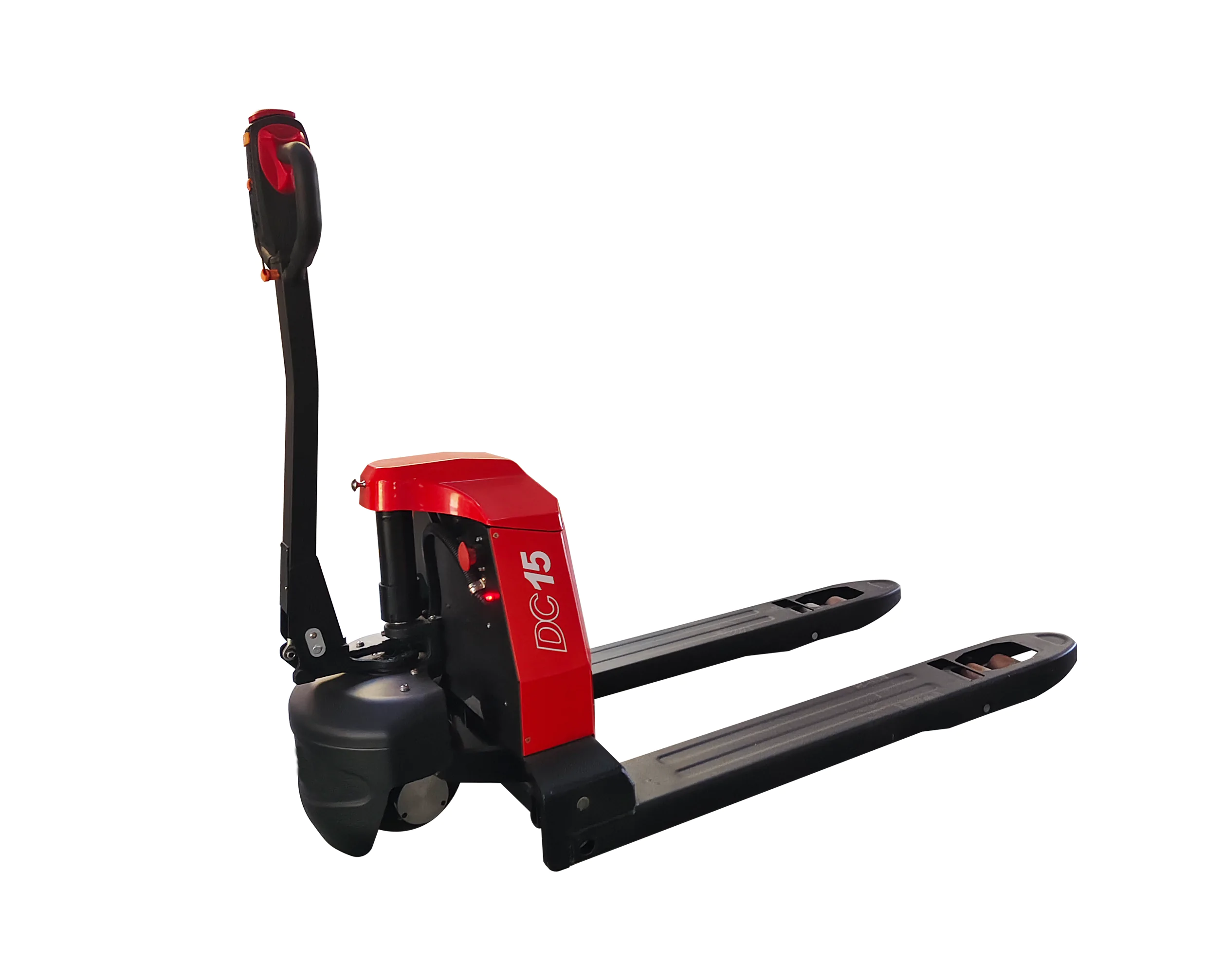
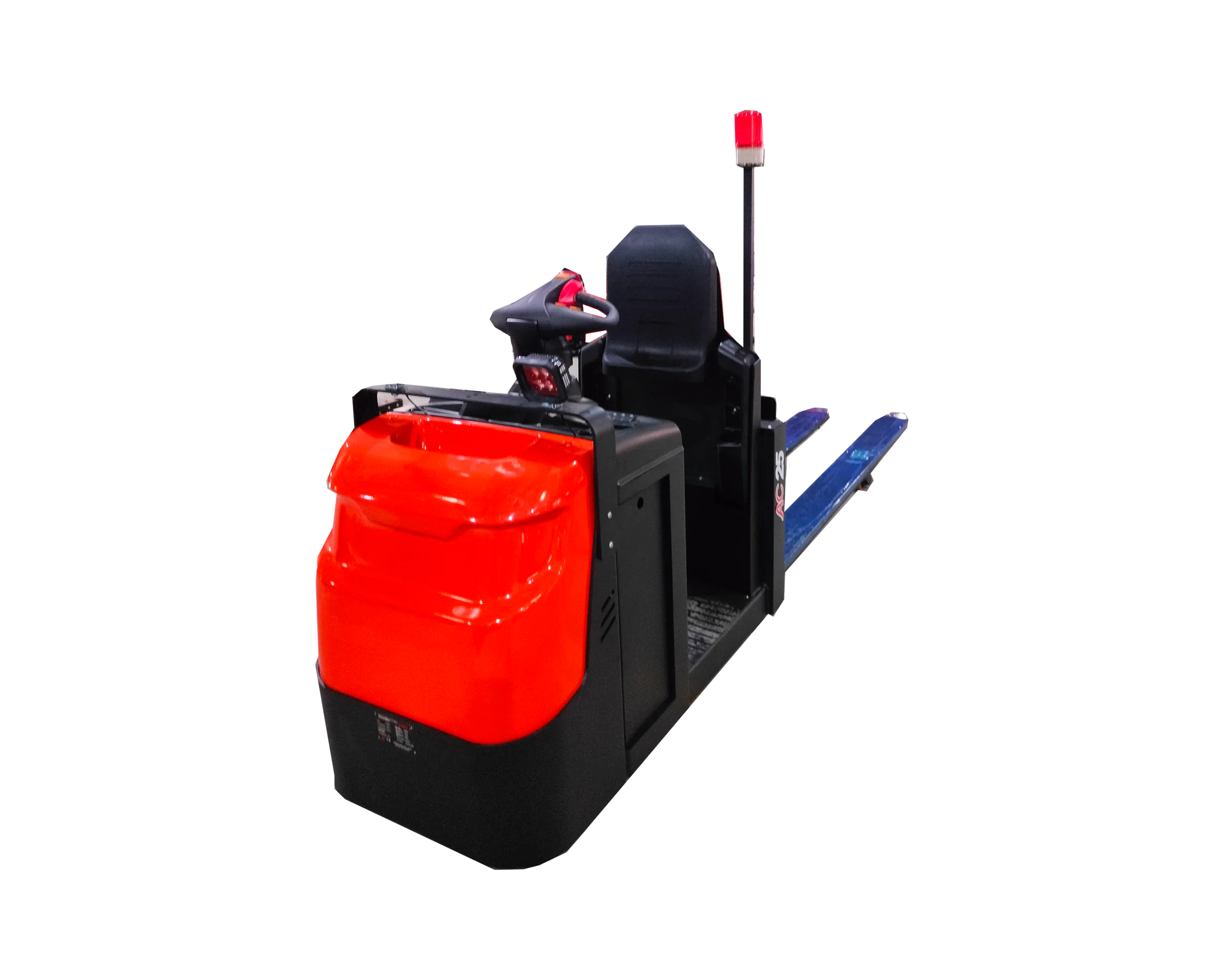
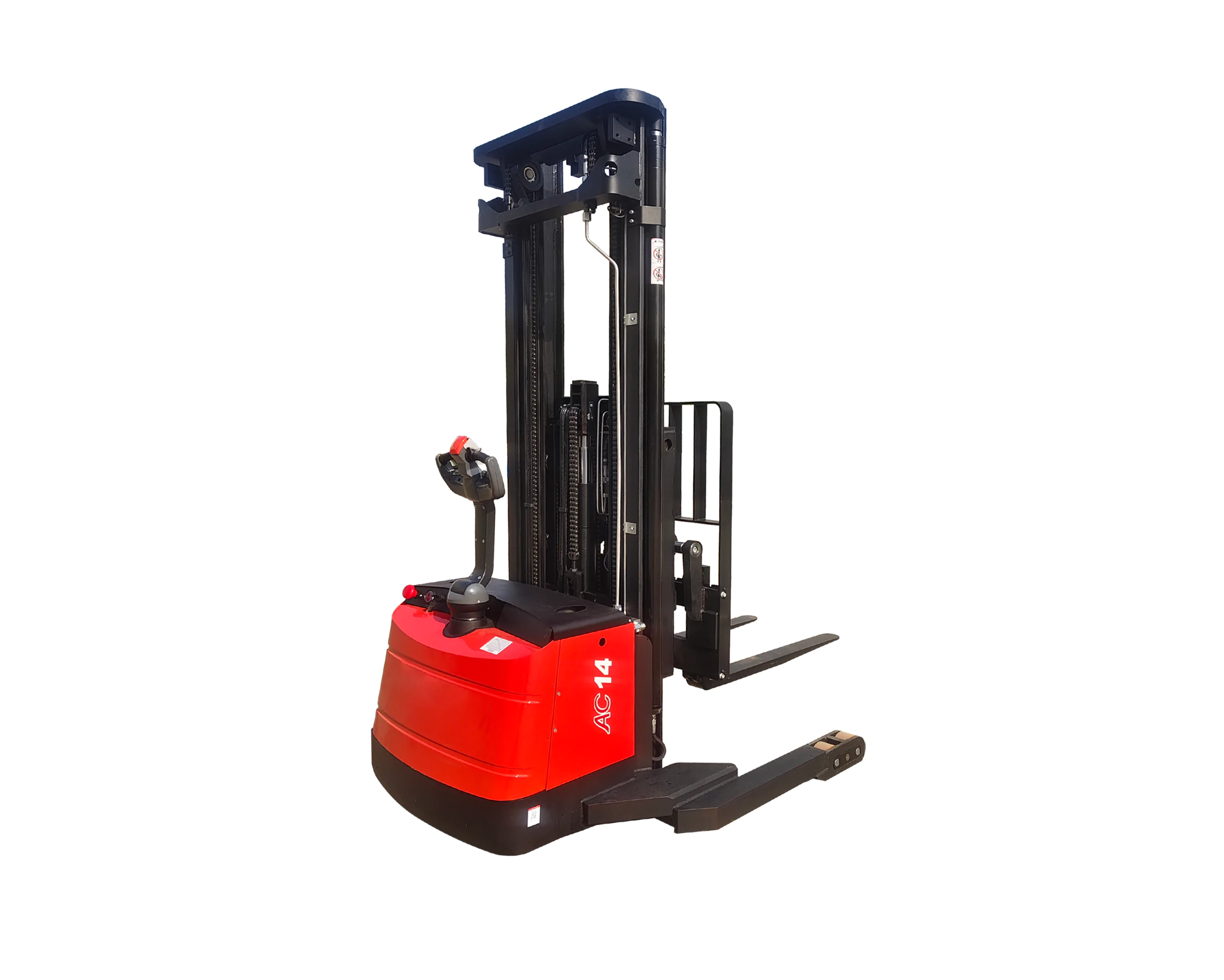
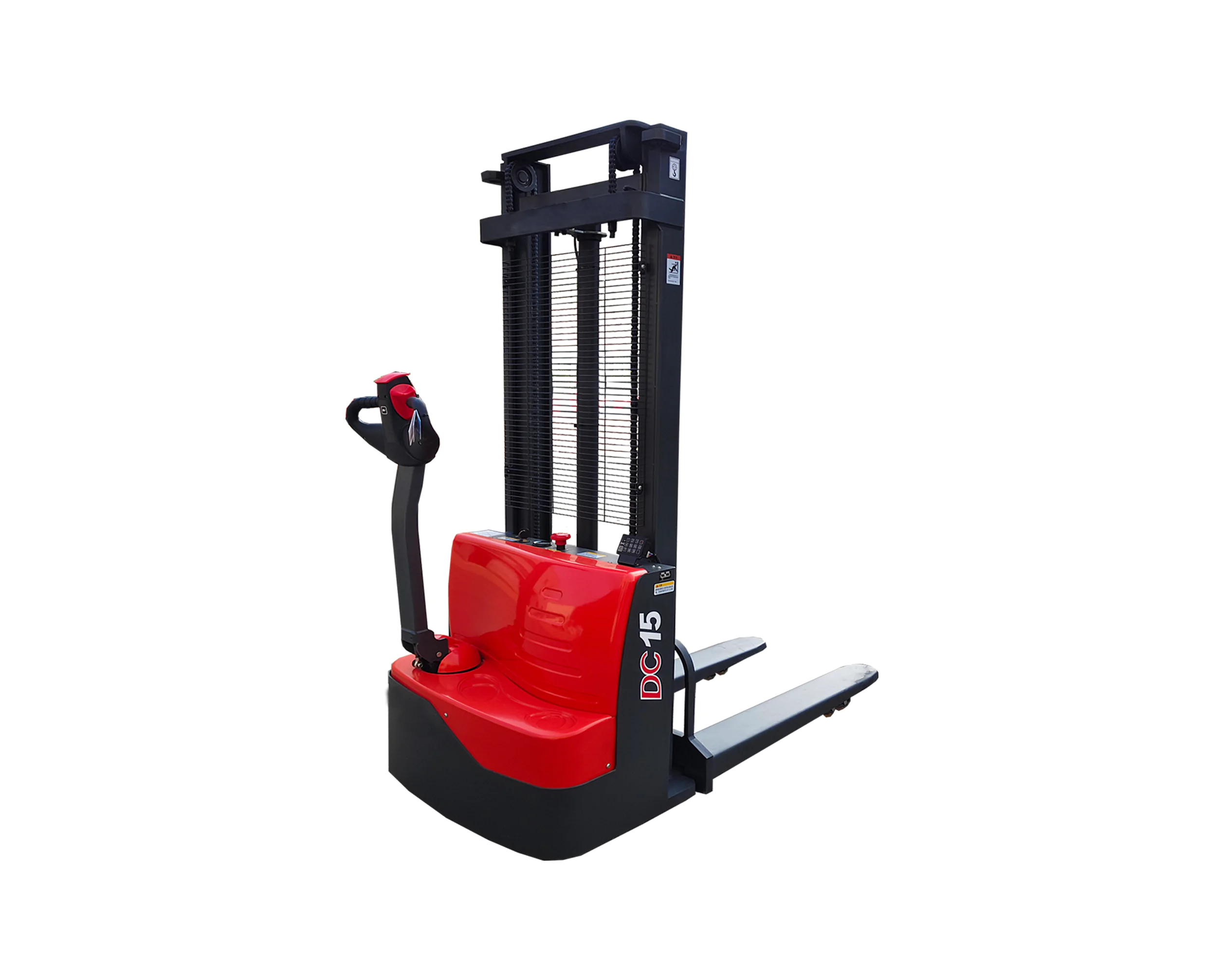
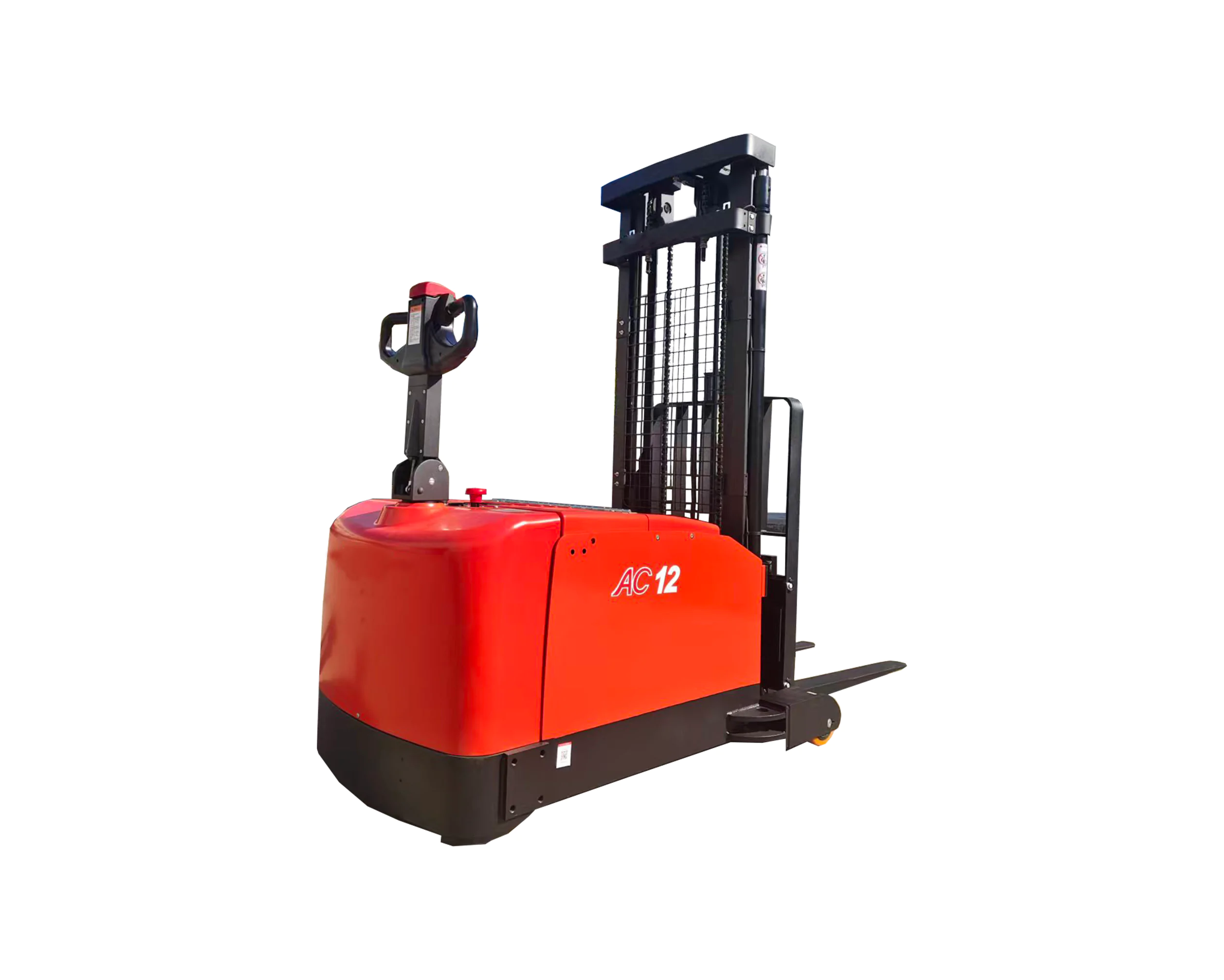
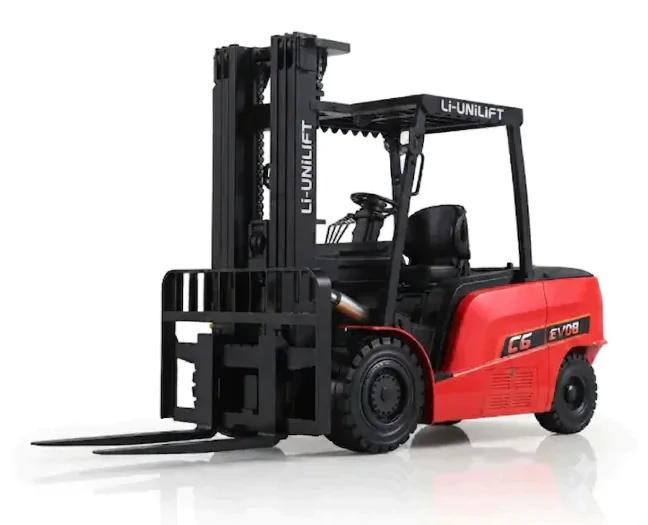
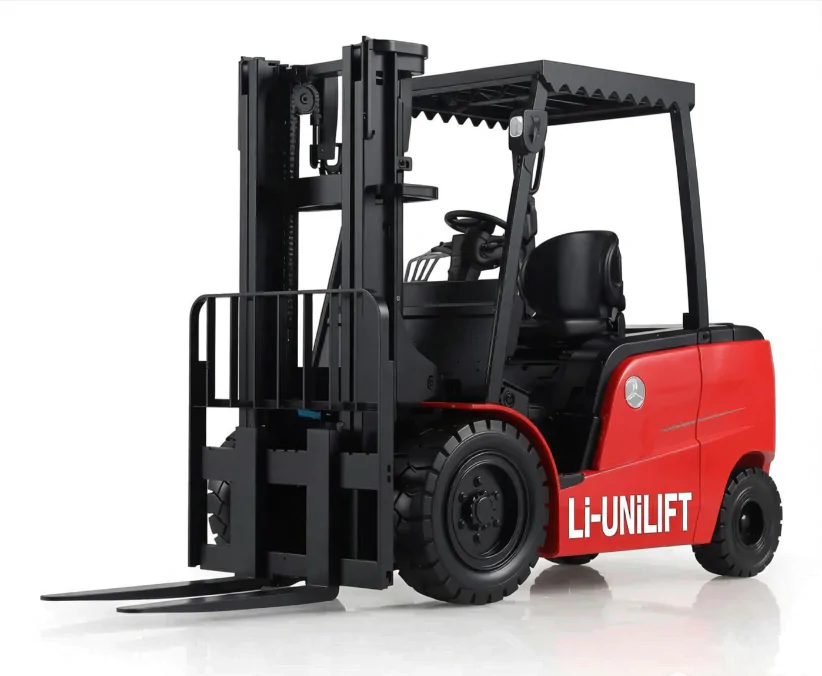
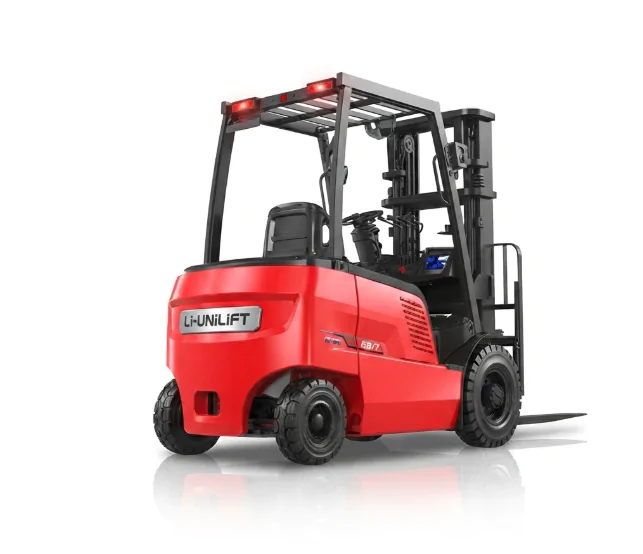
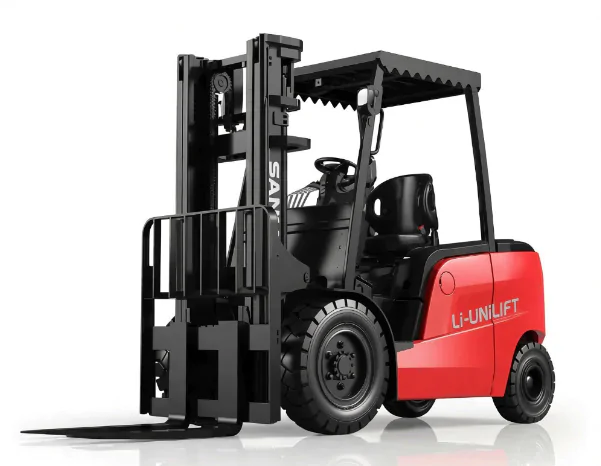
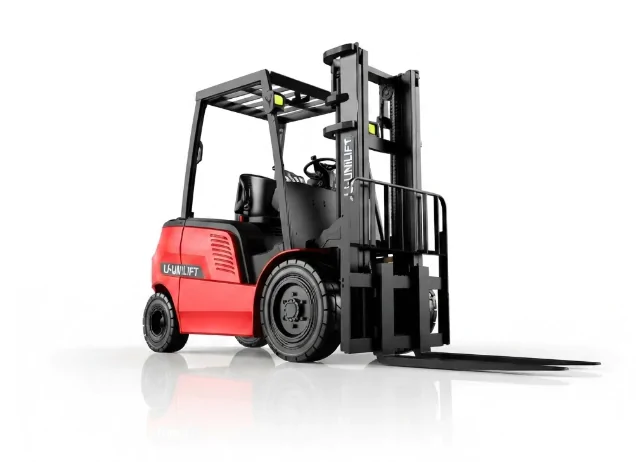
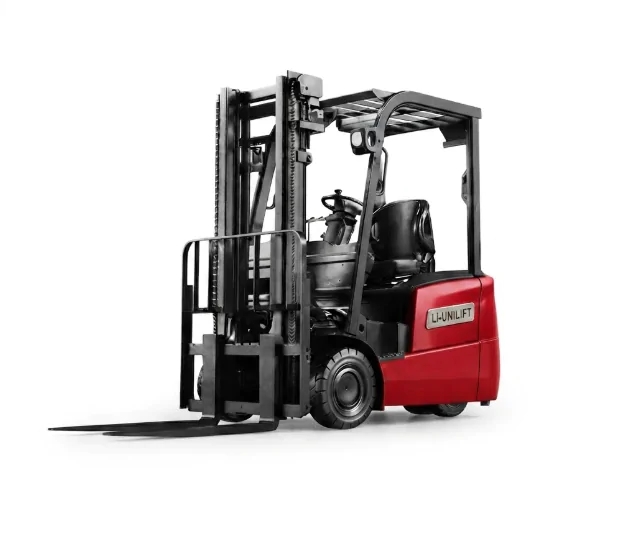
Rough Terrain Pallet Truck Safety is essential for businesses that transport palletized materials across outdoor work areas, construction sites, industrial yards, and other uneven environments. Unlike conventional pallet trucks designed primarily for smooth warehouse floors, rough terrain models typically feature larger wheels, a suitable load-bearing structure, and ground clearance designed for specific outdoor applications. However, specialized wheels alone cannot guarantee safe operation on every surface.
For businesses choosing outdoor material handling equipment, Rough Terrain Pallet Truck Safety depends on several factors, including load stability, rated capacity, tire condition, ground conditions, operator training, and regular maintenance. Understanding these requirements helps businesses reduce avoidable handling risks while making better use of their equipment.
1. Understand the Equipment Before Operation
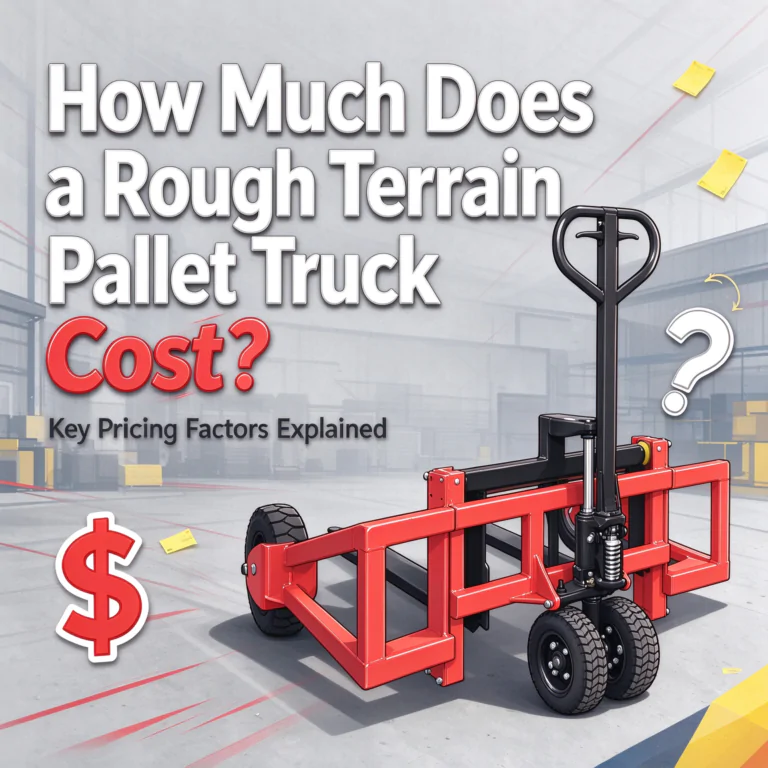
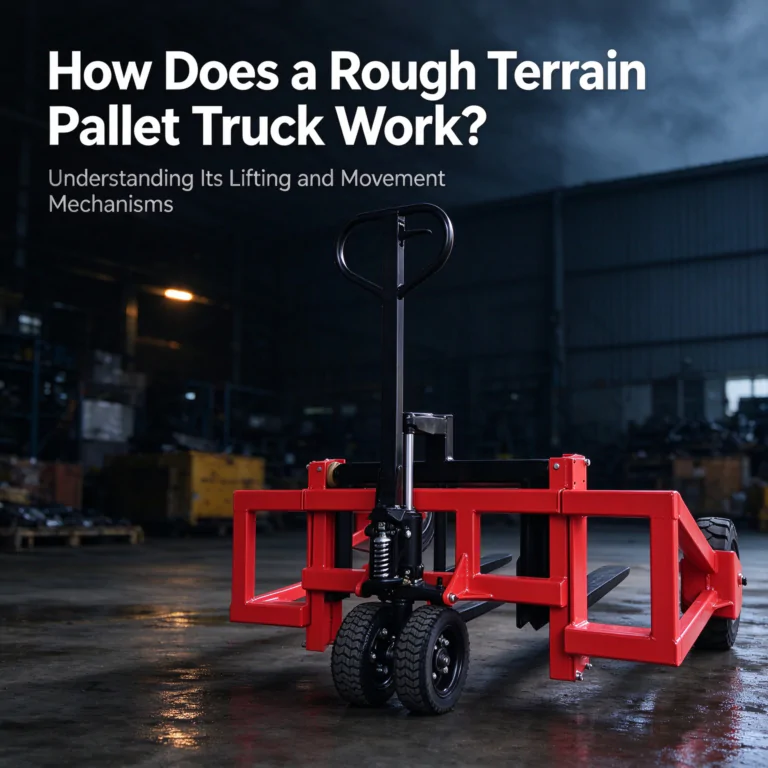
A clear understanding of Rough Terrain Pallet Truck Safety begins with knowing how the equipment is designed to lift, support, and transport loads. Manual models typically use a hydraulic pump to raise the forks, while larger wheels help the truck move across suitable outdoor surfaces. Exact features and operating limitations vary by model.
Before using the equipment, operators should read the manufacturer’s instructions and identify the rated load capacity, approved operating surfaces, fork dimensions, and any restrictions on slopes or uneven ground. A truck intended for compacted gravel may not be suitable for deep mud, soft soil, steep gradients, or large obstacles.
Choosing the correct equipment is an important part of accident prevention. Businesses should confirm that the truck, pallet, load, and working environment are compatible before beginning any material handling task.
2. Conduct a Pre-Operation Safety Inspection
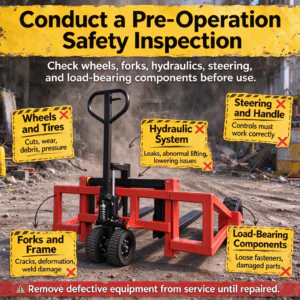
Routine inspections are a fundamental part of Rough Terrain Pallet Truck Safety, helping operators identify defects before they affect lifting or movement. A quick visual and functional check before use can reveal problems involving wheels, forks, hydraulic components, and the frame.
Inspect the following components before starting work:
- Wheels and tires: Look for cuts, excessive wear, loose components, embedded debris, or other visible damage. Check pneumatic tire pressure where required by the manufacturer.
- Forks and frame: Check for cracks, deformation, damaged welds, or signs of impact.
- Hydraulic system: Look for fluid leaks, abnormal lifting behavior, or problems with controlled lowering.
- Steering and handle: Confirm that the steering mechanism and operating controls function correctly.
- Load-bearing components: Check for loose fasteners, damaged parts, or other conditions that could affect stability.
If an inspection reveals a defect that could compromise safe operation, remove the equipment from service until the problem has been assessed and repaired appropriately. Never rely on routine operation alone to determine whether a damaged truck remains safe.
3. Respect Rated Load Capacity and Maintain Load Stability
Correct load management is central to Rough Terrain Pallet Truck Safety, because excessive or poorly distributed weight can compromise control and increase mechanical stress. Every model has a specified rated capacity that must not be exceeded.
Before lifting, confirm the load weight and verify that the pallet is compatible with the fork dimensions. Position the load evenly across the forks and ensure that it is stable and properly secured where necessary. Irregularly shaped goods, excessive overhang, and uneven weight distribution may create additional handling risks.
Operators should avoid lifting damaged pallets or transporting loads that shift unexpectedly. If the load cannot be supported securely within the manufacturer’s permitted configuration, use a more suitable handling solution instead.
A higher-capacity model is not automatically suitable for every heavy or oversized load. The load dimensions, center of gravity, fork support, and equipment specifications must all be considered together.
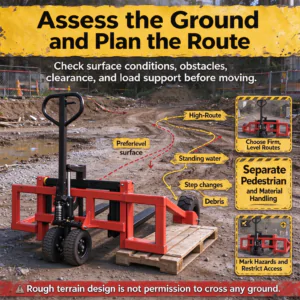
4. Assess the Ground and Plan the Route
Careful route planning improves Rough Terrain Pallet Truck Safety by reducing exposure to unstable surfaces, unexpected obstacles, and restricted maneuvering areas. Outdoor environments often change throughout the working day, particularly after rainfall, construction activity, or repeated vehicle traffic.
Before moving a pallet, inspect the intended route for loose gravel, holes, standing water, debris, soft ground, abrupt changes in height, and other obstacles. Check that the surface can support the combined weight of the truck and load and that sufficient clearance is available for the intended movement.
Where possible, choose firm, reasonably level routes and separate pedestrian movement from material handling activities. Mark hazards and restrict access to areas where safe movement cannot be maintained.
A rough terrain design should not be interpreted as permission to cross any type of ground. If the route exceeds the truck’s approved operating conditions, use alternative equipment or establish a safer handling method.
5. Use Wheels and Tires Appropriate to the Terrain
Wheel condition plays an important role in Rough Terrain Pallet Truck Safety, because tire performance affects rolling resistance, maneuverability, and movement across irregular ground. The selected wheel configuration must be suitable for the intended surface and load.
Pneumatic tires may provide cushioning on some outdoor surfaces, while appropriate solid tires may offer advantages in applications where puncture resistance is important. Neither configuration is universally better, and suitability depends on tire construction, surface conditions, rated capacity, and the manufacturer’s recommendations.
Damaged tires, worn wheels, or faulty bearings can make the truck more difficult to control. Operators should report unusual movement, excessive resistance, or visible wheel damage rather than continuing to work with potentially defective equipment.
When purchasing replacement components, verify that they match the specified dimensions and requirements of the original model. Incorrect wheels or tires may affect handling characteristics and reduce the suitability of the equipment for its intended application.
6. Follow Safe Operating Procedures
Consistent operating practices form the foundation of Rough Terrain Pallet Truck Safety, especially when loads are moved outdoors where surface conditions may be less predictable than inside a warehouse.
Before transporting a load, position the forks correctly, raise the pallet only enough to provide suitable ground clearance, and confirm that the load remains stable. Move at a controlled pace, maintain a clear view of the travel route, and avoid sudden turns or abrupt movements.
Operators should keep hands and feet clear of the fork mechanism and load path during lifting and lowering. Never stand on the truck, carry people, or leave a raised load unattended. Ensure that other workers remain clear of the movement area.
At the destination, stop on a suitable surface and lower the pallet in a controlled manner. Once the load is fully supported by the ground, withdraw the forks carefully and park the equipment according to the manufacturer’s instructions.
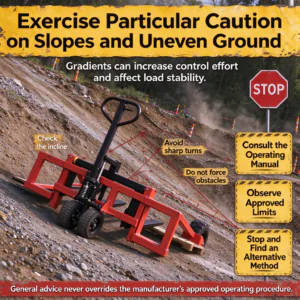
7. Exercise Particular Caution on Slopes and Uneven Ground
Slope management is especially important for Rough Terrain Pallet Truck Safety, because gradients can increase the effort required to control the truck and may affect load stability. A model intended for outdoor use is not automatically approved for ramps, steep gradients, or cross-slope travel.
Always consult the specific operating manual before using the equipment on any incline. If slopes are prohibited or the surface conditions exceed the permitted limits, do not proceed with the loaded truck.
Operators should also avoid making sharp turns on uneven surfaces and should never attempt to overcome obstacles by forcing or tipping the load. If a route becomes unstable or unsafe, stop and find an alternative method of transportation.
Manufacturer guidance can differ between manual and powered models, so general advice should never override the approved operating procedure for the exact truck.
8. Maintain Clear Separation Between Pedestrians and Equipment
A safe workplace layout strengthens Rough Terrain Pallet Truck Safety by reducing the chance of collisions between operators, pedestrians, and other vehicles. Outdoor yards frequently contain delivery traffic, contractors, storage areas, and changing work zones that require careful coordination.
Establish clearly marked travel routes wherever practical and keep pedestrian walkways separate from material handling areas. Where visibility is limited, operators should stop and confirm that the route is clear before proceeding.
Loads should not obstruct the operator’s view of the path ahead. If a load is bulky or blocks visibility, use an approved alternative handling arrangement or obtain suitable assistance rather than moving blindly.
Businesses should also communicate temporary route changes and restricted areas to workers. Clear traffic management makes material movement more predictable and helps everyone understand where equipment is operating.
9. Preventive Maintenance for Long-Term Safety
A preventive maintenance plan supports Rough Terrain Pallet Truck Safety by helping identify wear and mechanical problems before they become serious operational hazards. Outdoor use can expose wheels, bearings, hydraulic systems, and structural components to dust, grit, moisture, and repeated impacts.
Regularly inspect the hydraulic pump, cylinder, seals, forks, frame, wheel assemblies, steering mechanism, and lowering controls. Cleaning should remove contaminants without damaging sensitive components, while lubrication should follow the manufacturer’s recommendations.
Any hydraulic leak, abnormal lifting behavior, damaged load-bearing component, or steering defect should be investigated before the equipment returns to service. Repairs should be completed by suitably qualified personnel using compatible replacement parts.
Keeping maintenance records also helps businesses track recurring faults, plan inspections, and identify whether the equipment remains appropriate for its workload. Consistent care can support long-term reliability, although service life also depends on design quality and operating conditions.
10. Train Operators and Build a Safety-First Workplace
Effective Rough Terrain Pallet Truck Safety requires more than suitable equipment; operators also need to understand its controls, limitations, inspection procedures, and approved operating conditions.
Training should cover load capacity, pallet compatibility, route assessment, correct lifting and lowering, emergency procedures, and defect reporting. Workers should understand when to stop an operation rather than attempting to overcome an unsafe condition.
Businesses should establish clear procedures for pre-use inspections, reporting damaged equipment, restricting access to unsafe areas, and completing maintenance. Supervisors should ensure that operators understand the instructions for the exact model being used.
A consistent safety culture helps prevent avoidable mistakes and encourages early reporting of faults. This approach supports equipment reliability while helping businesses manage outdoor material handling more effectively.
11. Why Equipment Design and Manufacturing Quality Matter
Reliable Rough Terrain Pallet Truck Safety also depends on selecting equipment with suitable structural design, compatible components, and clearly documented operating limits. Product quality is particularly important when equipment is expected to handle repeated loads in demanding outdoor environments.
When comparing models, buyers should review the fork and frame construction, hydraulic system, wheel configuration, rated capacity, maintenance access, and technical documentation. Clear specifications help businesses determine whether a truck matches the actual load and working conditions.
UNILIFT-mhe focuses on practical material handling solutions for industrial applications, with attention to product design, usability, and operating requirements. Customers evaluating equipment should confirm the actual model specifications, approved surfaces, inspection procedures, and availability of technical support before purchasing.
Selecting suitable equipment at the outset, combined with correct operation and routine maintenance, helps businesses establish a more dependable material handling process.
Conclusion
Rough Terrain Pallet Truck Safety depends on matching the equipment to the load and terrain, inspecting critical components, following approved operating procedures, and maintaining clear separation between pedestrians and moving equipment. These practices help businesses reduce avoidable risks during outdoor material handling.
Product design, wheel condition, hydraulic performance, rated capacity, operator training, and preventive maintenance all contribute to safe and reliable operation. No single feature makes a truck suitable for every outdoor surface, so the manufacturer’s specifications must remain the primary reference.
For businesses handling palletized materials outside conventional warehouses, a carefully selected truck and a consistent safety program can support reliable daily operations and better long-term equipment management.
Follow UNILIFT MHE for More Material Handling Insights
Stay connected with UNILIFT MHE for the latest updates on electric pallet trucks, electric stackers, electric tuggers, warehouse equipment, material handling solutions, and industry insights. Follow our social media channels to discover new products, application scenarios, company updates, and practical information for modern warehouse and logistics operations.
Explore reliable electric pallet trucks, electric stackers, and material handling solutions at Unilift MHE.
If you would like to contact us, please click here.
If you would like to learn more about our news, please click here.
Facebook: Follow UNILIFT MHE on Facebook
TikTok: Follow UNILIFT MHE on TikTok
Instagram: Follow UNILIFT MHE on Instagram
X: Follow UNILIFT MHE on X
Pinterest: Explore UNILIFT MHE on Pinterest
LinkedIn: Connect with UNILIFT MHE on LinkedIn