Introduction
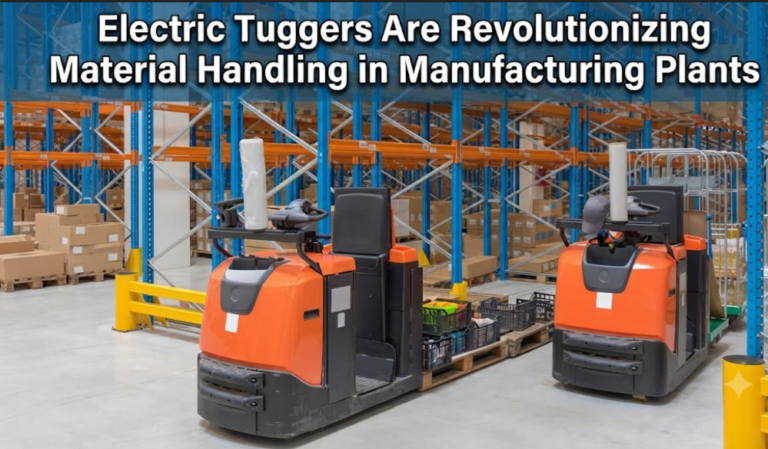
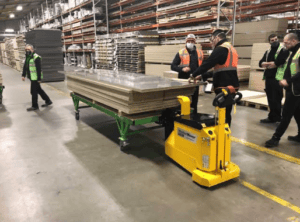
Electric tuggers have become an essential part of modern material handling operations. They help warehouses, factories, and logistics facilities move heavy loads efficiently while reducing physical labor requirements.
However, like any industrial equipment, an electric tugger requires regular inspection to ensure safe and reliable performance.
A proper electric tugger daily inspection checklist allows operators to identify potential problems before operation, reduce unexpected downtime, and improve workplace safety.This article explains how to inspect an electric tugger before use and introduces the key steps every operator should follow before starting daily operations.
Why Daily Inspection Is Important Before Using an Electric Tugger
Performing a daily inspection before using an electric tugger is a simple but effective way to protect both operators and equipment.Regular inspection helps:
Prevent Equipment Failure
Small problems such as loose components, battery issues, or damaged wheels can develop into serious failures if they are not detected early.
Improve Workplace Safety
A properly maintained electric tugger reduces risks during load transportation.
Following electric tugger safety checks before operation ensures that critical functions are working correctly.
Reduce Maintenance Costs
Preventive inspections help identify problems before expensive repairs are required.
Extend Equipment Lifespan
Routine checking and proper servicing improve long-term equipment reliability.
What Is an Electric Tugger Pre-Operation Inspection?
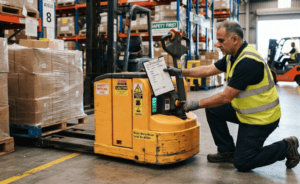
An electric tugger pre operation inspection is a safety check performed before operating the equipment.
The purpose is to confirm that:
- The machine is mechanically stable
- Safety systems function properly
- Battery power is sufficient
- Load handling components are secure
Unlike scheduled maintenance, a pre-operation inspection is performed quickly before each working shift.
Electric Tugger Daily Inspection Checklist Before Operation
1. Inspect the Overall Equipment Condition
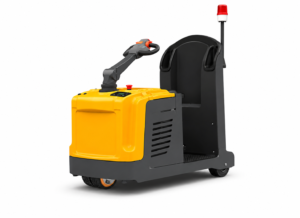
The first step of an electric tugger equipment inspection is checking the overall physical condition.
Operators should inspect:
- Frame damage
- Loose bolts or components
- Wheel condition
- Signs of abnormal wear
- External damage
If any serious issue is found, the equipment should not be operated until the problem is resolved.
2. Check Battery and Power System
Most modern electric tuggers use rechargeable battery systems.
A proper battery inspection should include:
- Battery charge level
- Charging connection
- Cable condition
- Battery damage or leakage
For a battery powered tugger, maintaining proper battery condition is essential for stable operation.
Poor battery performance may reduce pulling power and shorten working time.
3. Test Control System and Emergency Functions
Before operation, operators should test all control functions.
Important electric tugger safety checks before operation include:
- Start button
- Stop button
- Forward and reverse movement
- Speed control
- Emergency stop function
These features ensure operators can control the equipment safely in different working conditions.
4. Examine Wheels, Brakes, and Attachments
Mechanical components directly affect operational safety.
During the inspection, check:
Wheels
Confirm:
- No excessive wear
- Smooth movement
- No damage
Brakes
Verify:
- Proper stopping function
- Stable parking position
Attachments
Inspect:
- Hooks
- Tow bars
- Connection points
Following correct electric tugger inspection steps reduces the risk of accidents caused by mechanical failure.
5. Confirm Load Handling Safety
Before moving any load, operators should verify:
- Load connection
- Pulling accessories
- Attachment strength
- Load stability
A complete electric tugger safety inspection procedure should always include checking the load handling system.
Incorrect connections may cause load movement problems or equipment damage.
Common Problems Found During Electric Tugger Inspection
Regular inspection can identify many common issues.
Battery Problems
Possible signs:
- Reduced operating time
- Slow movement
- Charging difficulties
Brake Problems
Possible signs:
- Delayed stopping
- Equipment movement after stopping
Loose Components
Possible signs:
- Unusual vibration
- Abnormal noise
Mechanical Wear
Possible signs:
- Reduced performance
- Difficult operation
Using an electric tugger troubleshooting guide helps operators identify possible causes and take corrective action.
Best Maintenance Practices After Daily Inspection
Daily inspection should be combined with proper maintenance.A complete electric tugger maintenance checklist includes:
Clean Equipment Regularly
Remove:
- Dust
- Dirt
- Material residue
Clean equipment performs better and reduces component wear.
Maintain Battery Properly
Good battery practices include:
- Charging according to manufacturer recommendations
- Avoiding complete discharge
- Checking battery condition regularly
Keep Inspection Records
Recording inspection results helps track:
- Equipment condition
- Repair history
- Maintenance schedules
Arrange Professional Servicing
Regular professional maintenance ensures important components remain reliable.
How Preventive Maintenance Improves Electric Tugger Performance
Electric tugger preventive maintenance provides several long-term benefits.
Improved Reliability
Regular inspection reduces unexpected equipment failures.
Reduced Downtime
Early detection of issues helps avoid operational interruptions.
Longer Equipment Service Life
Proper maintenance protects important components and improves investment value.
Choosing a Reliable Electric Tugger Manufacturer for Long-Term Support
A professional manufacturer provides more than equipment supply.
Reliable electric tugger manufacturer support may include:
- Technical guidance
- Maintenance recommendations
- Spare parts supply
- Troubleshooting assistance
Choosing an experienced supplier helps companies maintain safe and efficient operations.
Electric Tugger Manufacturer
UNILIFT-MHE Logistics Equipment Company is a Chinese manufacturer committed to the intelligent and convenient development of logistics equipment. Our company has launched the Li-UNiLIFT industrial vehicle brand, which boasts environmental advantages while also considering charging efficiency, economy, and ease of maintenance. This brand mainly includes the following forklift types: electric pallet trucks, electric stackers, reach trucks, electric order pickers, electric towing vehicles, and other warehouse material handling equipment for global logistics and industrial applications.