Introduction
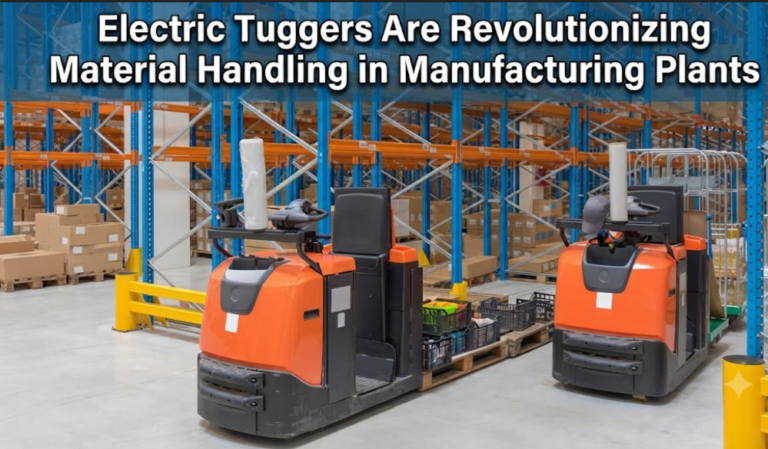
- Electric tuggers are widely used in warehouses, factories, and logistics centers to move carts and materials efficiently
- Although electric tuggers are easier to operate than forklifts, improper use can still create safety risks
- Following correct operating procedures helps improve productivity, extend equipment life, and protect operators
- This guide explains how to operate an electric tugger safely and efficiently
1. Understand the Basic Operation of an Electric Tugger
1.1 Know the Main Components Before Operation
Important components include:
- Drive motor
- Battery system
- Control handle or steering system
- Towing hitch
- Emergency stop button
- Brake system
- Control panel/display
Why it matters:
- Helps operators understand equipment functions
- Reduces operation errors
- Improves response during emergencies
1.2 Understand Electric Tugger Controls
Operators should know how to use:
- Forward and reverse controls
- Speed adjustment
- Start/stop functions
- Emergency stop system
- Steering controls
Best practice:
- Test controls before starting daily operations
2. Perform Pre-Operation Safety Checks
2.1 Inspect the Electric Tugger Condition
Check:
- Battery charge level
- Tire/wheel condition
- Steering function
- Brake performance
- Warning lights
- Control buttons
2.2 Check the Towing Connection
Before moving loads:
- Confirm the hitch is securely connected
- Ensure the cart or trailer is compatible
- Verify the load is balanced
Safety benefit:
- Prevents trailer separation
- Reduces load instability
2.3 Confirm the Working Environment
Inspect:
- Floor conditions
- Aisle width
- Obstacles
- Pedestrian traffic
- Slopes or ramps
3. Follow Safe Electric Tugger Operating Procedures
3.1 Start the Electric Tugger Properly
Recommended steps:
- Turn on the power system
- Check battery and warning indicators
- Test steering and braking
- Move slowly before normal operation
3.2 Operate at a Safe Speed
Operators should:
- Adjust speed according to the environment
- Reduce speed in crowded areas
- Slow down when turning
- Avoid sudden acceleration or braking
Why:
- Improves load stability
- Reduces collision risks
3.3 Maintain Proper Load Handling
Follow these rules:
- Do not exceed towing capacity
- Keep loads evenly distributed
- Avoid pulling unstable carts
- Secure loose materials before transport
4. Improve Electric Tugger Operating Efficiency
4.1 Plan Transportation Routes
Efficient operation includes:
- Reducing unnecessary travel distance
- Using optimized material flow paths
- Avoiding congested areas
Benefits:
- Saves battery power
- Improves transportation speed
4.2 Use the Correct Tugger for the Application
Match equipment with tasks:
| Application | Recommended Electric Tugger |
|---|---|
| Short-distance movement | Walk-behind electric tugger |
| Long-distance transport | Ride-on electric tugger |
| Automated warehouse | AGV/AMR tugger |
4.3 Avoid Overloading the Equipment
Overloading can cause:
- Reduced battery runtime
- Motor overheating
- Increased component wear
- Safety risks
Always operate within:
- Rated towing capacity
- Recommended working conditions
5. Common Electric Tugger Operating Mistakes to Avoid
5.1 Ignoring Daily Inspections
Problems caused:
- Unexpected breakdowns
- Higher maintenance costs
- Reduced safety
5.2 Driving Too Fast
Risks:
- Load swinging
- Loss of control
- Increased accident possibility
5.3 Improper Charging Practices
Avoid:
- Charging with damaged cables
- Leaving batteries completely discharged
- Using incompatible chargers
5.4 Using an Electric Tugger for the Wrong Purpose
Electric tuggers are designed for:
✅ Pulling carts and trailers
✅ Internal material transportation
Not designed for:
❌ Lifting pallets
❌ Replacing forklifts in stacking operations
6. Electric Tugger Safety Training for Operators
6.1 Basic Training Requirements
Operators should learn:
- Equipment controls
- Load limits
- Safety procedures
- Emergency response
6.2 Workplace Safety Rules
Important practices:
- Maintain visibility during operation
- Keep pedestrians away from moving loads
- Communicate clearly in shared areas
- Wear required PPE
7. Maintenance Practices for Safe and Efficient Operation
7.1 Daily Maintenance
Inspect:
- Battery status
- Wheels
- Brakes
- Hitch system
- Safety devices
7.2 Regular Maintenance
Perform:
- Battery inspection
- Motor checks
- Electrical system testing
- Component replacement when needed
Benefits:
- Longer equipment lifespan
- More reliable operation
- Reduced downtime
8. How Safe Operation Improves Warehouse Performance
8.1 Higher Productivity
- Faster material movement
- Reduced operator fatigue
- More consistent workflows
8.2 Lower Operating Costs
- Fewer breakdowns
- Reduced maintenance expenses
- Better equipment utilization
8.3 Improved Workplace Safety
- Fewer manual handling injuries
- Lower accident risks
- Better employee working conditions
FAQ
Q1: Do operators need training before using an electric tugger?
- Yes. Operators should understand controls, safety procedures, and load limitations before operation.
Q2: What should be checked before using an electric tugger?
- Battery condition, wheels, brakes, controls, and towing connections should be inspected.
Q3: Can an electric tugger pull any type of cart?
- No. The cart type and total towing weight must match the tugger’s specifications.
Q4: What is the maximum safe speed for an electric tugger?
- It depends on the model and workplace conditions. Operators should always follow manufacturer recommendations.
Q5: How can operators improve electric tugger efficiency?
- Optimize routes, avoid overloading, maintain equipment regularly, and operate smoothly.