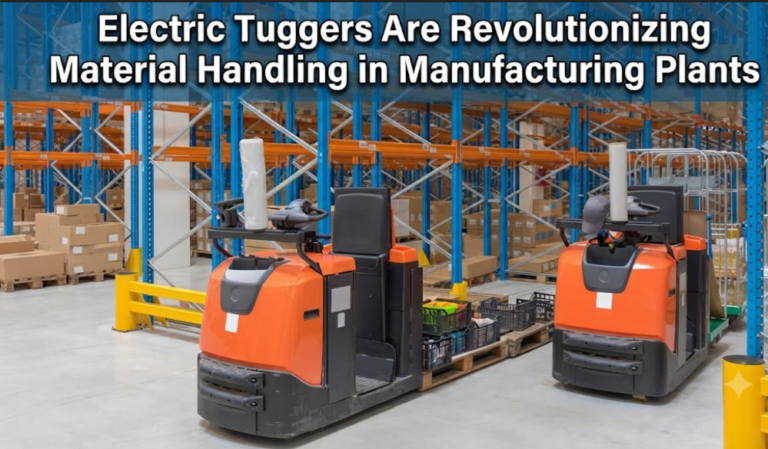
Which Electric Tugger Delivers the Best Performance for Heavy-Duty Applications?
Target Keywords:
- Heavy-duty electric tugger
- Industrial electric tugger
- High-capacity electric tugger
- Electric tugger for manufacturing
- Heavy-duty material handling equipment
Introduction: The Growing Demand for Heavy-Duty Electric Tuggers
- Explain why industries are replacing manual cart movement and traditional towing methods with electric tuggers.
- Highlight challenges in heavy-duty material handling:
- Moving oversized carts and heavy racks
- Reducing operator fatigue
- Improving workplace safety
- Increasing production efficiency
- Introduce the importance of selecting the right electric tugger based on:
- Towing capacity
- Operating environment
- Battery performance
- Duty cycle requirements
1. What Makes an Electric Tugger Suitable for Heavy-Duty Applications?
Explain the key performance factors that determine heavy-duty capability:
1.1 High Towing Capacity
- Ability to move heavy carts, trailers, and industrial equipment.
- Typical heavy-duty electric tuggers are designed for loads ranging from several tons to higher industrial capacities.
1.2 Powerful Drive System
- High-torque AC motors provide:
- Strong starting power
- Smooth acceleration
- Better performance on ramps and uneven floors
1.3 Durable Structural Design
- Reinforced steel frame
- Heavy-duty wheels
- Industrial-grade towing attachments
- Protection against frequent impact and continuous operation
1.4 Long Operating Time
- Large-capacity lithium battery options
- Fast charging capability
- Reduced downtime during multi-shift operations
2. Key Factors to Consider When Choosing a Heavy-Duty Electric Tugger
2.1 Towing Capacity and Load Requirements
Explain how to match tugger capacity with applications:
| Application | Recommended Capacity |
|---|---|
| Small warehouse carts | 1–3 Ton |
| Manufacturing material carts | 3–10 Ton |
| Heavy industrial equipment | 10 Ton+ |
Mention that selecting a tugger based only on average load may cause performance issues when handling maximum loads.
2.2 Walk-Behind vs Ride-On Electric Tugger
Compare two common types:
| Feature | Walk-Behind Electric Tugger | Ride-On Electric Tugger |
|---|---|---|
| Operator Position | Walking behind | Standing/seated |
| Maneuverability | Excellent in narrow spaces | Better for long-distance transport |
| Heavy Load Handling | Medium to heavy loads | Heavy-duty continuous towing |
| Best For | Workshops, warehouses | Large factories, logistics yards |
Walk-behind models are suitable for shorter routes, while ride-on models are preferred for long-distance and high-frequency towing.
3. Top Performance Features of Heavy-Duty Electric Tuggers
3.1 High-Torque AC Motor Technology
Discuss benefits:
- Strong pulling force
- Lower maintenance
- Stable performance during long operation
3.2 Advanced Battery Systems
Cover:
- Lithium-ion battery advantages:
- Longer service life
- Opportunity charging
- Lower maintenance
- Battery management system (BMS):
- Overcharge protection
- Temperature monitoring
- Battery safety control
3.3 Intelligent Control and Safety Systems
Important features:
- Emergency stop button
- Speed control
- Anti-roll-back system
- Warning lights
- Operator protection design
4. Which Electric Tugger Performs Best in Different Industries?
Manufacturing Plants
Recommended features:
- High towing capacity
- Reliable operation for assembly line supply
- Compatibility with material carts
Applications:
- Automotive production
- Machinery manufacturing
- Metal processing
Warehouses and Distribution Centers
Focus on:
- Frequent cart movement
- Narrow aisle operation
- High daily usage
Benefits:
- Faster material flow
- Reduced manual labor
Heavy Industries
Requirements:
- Maximum towing power
- Strong chassis
- Continuous operation capability
Examples:
- Steel plants
- Aerospace manufacturing
- Shipbuilding
5. Heavy-Duty Electric Tugger vs Traditional Material Handling Equipment
Create comparison table:
| Feature | Electric Tugger | Forklift | Manual Cart Handling |
|---|---|---|---|
| Towing Ability | Excellent | Limited | Low |
| Labor Requirement | Low | Medium | High |
| Operating Cost | Lower | Higher | Low equipment cost but high labor cost |
| Safety | Higher | Medium | Lower |
| Best Application | Moving wheeled loads | Lifting pallets | Light loads |
Explain:
- Electric tuggers are designed for horizontal transportation, while forklifts focus on lifting and stacking.
6. How to Select the Best Electric Tugger for Heavy-Duty Operations
Provide buying checklist:
Step 1: Evaluate Maximum Load
- Determine the heaviest cart or trailer weight.
Step 2: Check Working Environment
Consider:
- Indoor/outdoor use
- Floor conditions
- Ramp requirements
- Space limitations
Step 3: Choose the Correct Drive Type
- Walk-behind for flexibility
- Ride-on for long-distance heavy transport
Step 4: Evaluate Battery and Runtime
- Single-shift operation
- Multi-shift operation
- Charging availability
7. Why Electric Tuggers Are Becoming the Preferred Heavy-Duty Transport Solution
Highlight advantages:
- Zero emissions
- Lower noise levels
- Reduced operator fatigue
- Improved productivity
- Lower maintenance costs
Conclusion: Choosing the Right Heavy-Duty Electric Tugger for Maximum Performance
Summarize:
- The best electric tugger depends on load capacity, application, and operating conditions.
- Heavy-duty factories should prioritize:
- High torque performance
- Durable construction
- Long battery endurance
- Safety features