Target Keywords:
- Electric tugger for warehouse
- Warehouse electric tugger
- Internal transportation equipment
- Electric tugger material handling
- Warehouse efficiency solutions
- Electric tugger for logistics operations
Introduction: The Importance of Efficient Internal Transportation in Warehouses
- Explain that internal transportation is a critical part of modern warehouse operations.
- Highlight common warehouse challenges:
- Frequent movement of carts and containers
- Increasing labor costs
- Long travel distances inside facilities
- Delays between storage, picking, and shipping areas
- Introduce electric tuggers as an efficient solution for warehouse material movement.
Explain how electric tuggers help warehouses:
- Improve transportation speed
- Reduce manual handling workload
- Optimize material flow
- Enhance workplace safety
- Increase overall operational efficiency
1. What Are Electric Tuggers Used for in Warehouses?
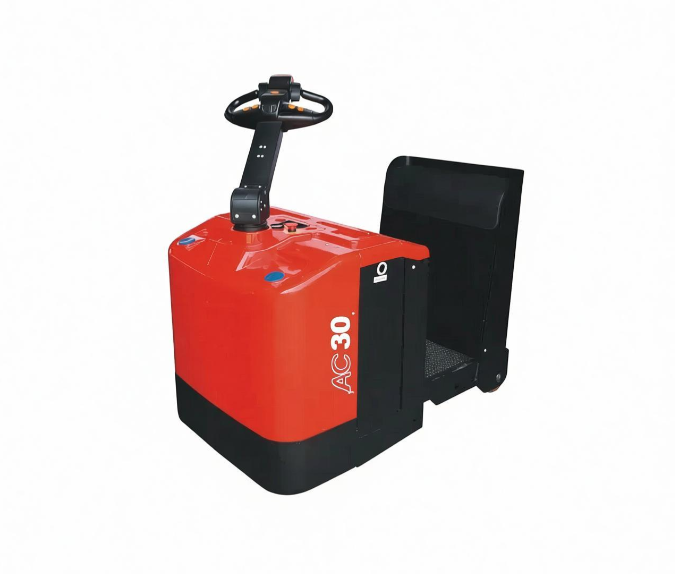
Explain that electric tuggers are powered towing devices designed to move wheeled loads such as carts, trailers, and containers.
Common warehouse applications include:
- Moving picking carts
- Transporting material containers
- Replenishing inventory
- Moving finished goods
- Connecting different warehouse zones
1.1 Moving Multiple Carts Efficiently
Explain:
Traditional manual handling often requires workers to move carts individually.
Electric tuggers allow operators to:
- Tow multiple carts in one trip
- Transport heavier loads
- Reduce unnecessary walking time
Benefits:
- Higher transportation efficiency
- Better utilization of employees
- Faster warehouse workflows
1.2 Supporting Warehouse Replenishment
Applications:
- Moving goods from storage areas to picking zones
- Delivering materials to workstations
- Supporting inventory replenishment
Advantages:
- Faster restocking
- Reduced operational delays
- Smoother warehouse processes
2. Why Are Warehouses Adopting Electric Tuggers?
2.1 Improving Internal Logistics Efficiency
Traditional warehouse transportation methods may cause:
- Slow material movement
- Increased labor requirements
- Limited load capacity
Electric tuggers improve efficiency through:
- Powered transportation
- Continuous operation capability
- Better route management
Results:
- Shorter transportation cycles
- Improved warehouse throughput
- More efficient workflows
2.2 Reducing Labor Costs and Physical Workload
Warehouse employees often perform repetitive pushing and pulling tasks.
Electric tuggers help:
- Reduce physical effort
- Lower fatigue
- Improve employee productivity
Workers can focus on:
- Picking
- Inventory management
- Quality control
2.3 Enhancing Warehouse Safety
Manual cart movement may create risks:
- Muscle strain
- Poor load control
- Collision hazards
Electric tuggers provide:
- Controlled speed
- Stable towing
- Safer load movement
3. Key Features of Electric Tuggers for Warehouse Operations
3.1 Appropriate Towing Capacity
Choosing the correct capacity is essential.
| Warehouse Application | Recommended Capacity |
|---|---|
| Small picking carts | 1–3 Ton |
| Storage containers | 3–5 Ton |
| Heavy material trailers | 5 Ton+ |
Factors to consider:
- Cart weight
- Number of carts
- Travel distance
- Floor conditions
3.2 Compact Design and Maneuverability
Warehouses often require equipment that operates in limited spaces.
Important features:
- Small turning radius
- Flexible steering
- Compact structure
- Easy operator control
Suitable for:
- Narrow aisles
- Picking areas
- Storage zones
3.3 Reliable Battery Performance
Warehouse operations often require long working hours.
Recommended battery options:
Lithium Battery Advantages:
- Fast charging
- Long service life
- Low maintenance
- Supports frequent operation
Benefits:
- Reduced downtime
- Improved equipment availability
- Lower operating costs
3.4 Durable Industrial Construction
Warehouse environments require reliable equipment.
Important components:
- Strong steel frame
- Heavy-duty wheels
- Durable towing mechanism
- Protective coating
Benefits:
- Longer equipment lifespan
- Better impact resistance
- Stable daily operation
4. Electric Tugger Applications in Different Warehouse Areas
4.1 Storage Area Transportation
Electric tuggers help move:
- Storage carts
- Containers
- Material racks
Benefits:
- Faster movement between locations
- Reduced employee walking distance
4.2 Picking and Order Fulfillment Areas
Applications:
- Moving picking carts
- Supporting e-commerce fulfillment
- Transporting collected orders
Advantages:
- Improved picking efficiency
- Reduced handling time
4.3 Shipping and Loading Zones
Electric tuggers support:
- Moving prepared orders
- Transporting carts to loading areas
- Organizing outbound shipments
Benefits:
- Faster dispatch processes
- Reduced congestion
5. Electric Tugger vs Manual Cart Handling in Warehouses
| Feature | Electric Tugger | Manual Cart Handling |
|---|---|---|
| Transportation Speed | Faster | Slower |
| Load Capacity | Higher | Limited |
| Labor Requirement | Lower | Higher |
| Worker Fatigue | Reduced | Increased |
| Safety | Improved | More risks |
| Efficiency | Higher | Lower |
Explain:
Electric tuggers provide a powered alternative for warehouses that require frequent and repetitive transportation.
6. Electric Tugger vs Forklift for Warehouse Operations
| Feature | Electric Tugger | Forklift |
|---|---|---|
| Main Function | Towing carts | Lifting pallets |
| Load Type | Wheeled loads | Pallets |
| Space Requirement | Smaller | Larger |
| Best Application | Internal transportation | Storage and stacking |
| Operating Cost | Lower | Higher |
Explain:
Electric tuggers are not replacements for all forklifts but are highly effective for horizontal transportation tasks.
7. How to Choose the Right Electric Tugger for Warehouse Use
Step 1: Analyze Warehouse Transportation Needs
Evaluate:
- Daily transportation volume
- Distance between areas
- Number of carts moved
- Workflow requirements
Step 2: Determine Load Requirements
Consider:
- Maximum towing weight
- Average operating load
- Future expansion needs
Step 3: Choose the Correct Model Type
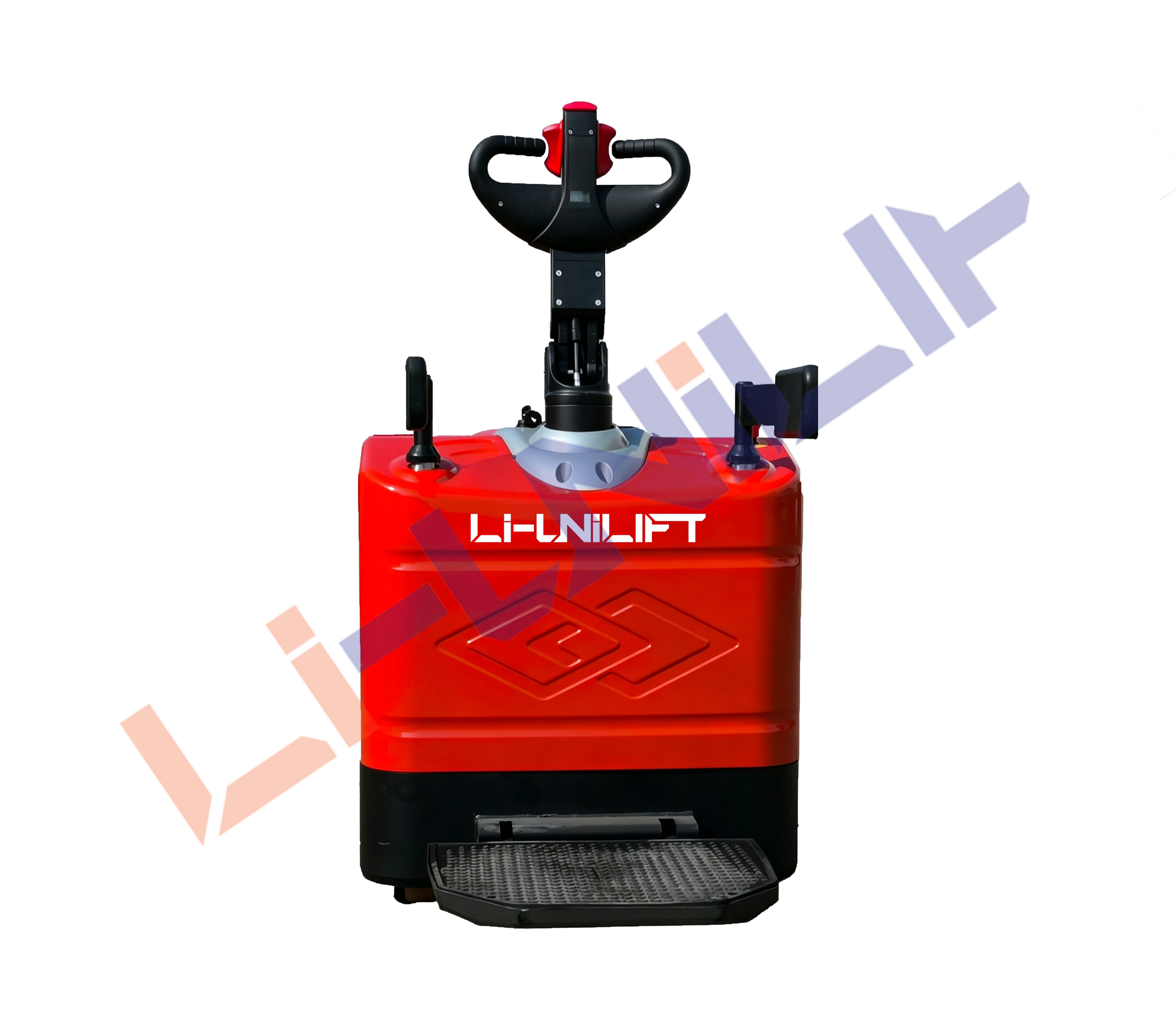
Walk-Behind Electric Tugger
Suitable for:
- Small warehouses
- Narrow spaces
- Short-distance movement
Advantages:
- Flexible
- Easy operation
- Lower investment cost
Ride-On Electric Tugger
Suitable for:
- Large distribution centers
- Long-distance transportation
- High-frequency operations
Advantages:
- Higher efficiency
- Reduced operator fatigue
- Heavy-duty performance
Step 4: Evaluate Safety and Maintenance
Check:
- Emergency stop system
- Braking performance
- Battery maintenance
- Spare parts availability
8. How Electric Tuggers Support Smart Warehouse Development
Modern electric tuggers can support:
- Digital fleet management
- Battery monitoring
- Equipment status tracking
Future trends:
- AGV and AMR integration
- Automated material transportation
- Intelligent warehouse logistics
9. Future Trends of Electric Tuggers in Warehousing
9.1 Growth of Lithium-Powered Equipment
Benefits:
- Higher energy efficiency
- Faster charging
- Longer operating life
9.2 Integration with Automated Logistics Systems
Potential applications:
- Automated towing routes
- Smart warehouse transportation
- Autonomous tugger systems
9.3 Sustainable Warehouse Operations
Electric tuggers contribute to:
- Lower emissions
- Reduced noise
- Greener logistics operations
10. Warehouse Electric Tugger Buying Checklist
| Feature | What to Evaluate |
|---|---|
| Towing Capacity | Matches warehouse loads |
| Battery | Supports daily operation |
| Size | Fits warehouse layout |
| Motor | Provides stable pulling force |
| Safety | Includes protection systems |
| Durability | Handles frequent use |
| Maintenance | Easy service and support |
Conclusion: Electric Tuggers Improve Warehouse Transportation Efficiency
Summarize:
Electric tuggers are becoming an important solution for modern warehouses by improving:
- Internal transportation speed
- Material flow efficiency
- Employee productivity
- Workplace safety
- Operational cost control
The right electric tugger depends on:
- Warehouse size
- Load requirements
- Transportation distance
- Operating frequency
CTA Example:
“Optimize your warehouse transportation process with reliable electric tugger solutions designed for efficient internal logistics and material handling.”
FAQ: Electric Tuggers for Warehouse Transportation
1. What are electric tuggers used for in warehouses?
Electric tuggers are used to move wheeled carts, containers, racks, and trailers between different warehouse areas such as storage, picking, and shipping zones.
2. How do electric tuggers improve warehouse efficiency?
They improve efficiency by allowing operators to move multiple carts at once, reducing transportation time and improving internal material flow.
3. Can electric tuggers replace forklifts in warehouses?
Electric tuggers can replace forklifts for horizontal transportation tasks involving wheeled loads, but forklifts are still needed for lifting and stacking pallets.
4. What is the maximum load capacity of a warehouse electric tugger?
Capacity depends on the model. Warehouse electric tuggers range from light-duty units for small carts to heavy-duty models capable of moving several tons.
5. Are electric tuggers suitable for narrow warehouse aisles?
Yes. Compact walk-behind electric tuggers are especially suitable for narrow aisles and areas where maneuverability is important.
6. Why are lithium batteries preferred for warehouse electric tuggers?
Lithium batteries provide faster charging, longer service life, lower maintenance, and better support for continuous warehouse operations.