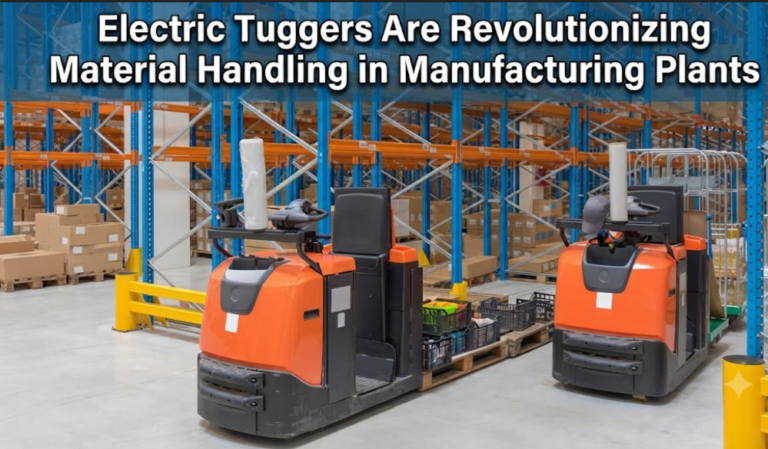
What Types of Electric Stackers Are Available and Which One Is Right for Your Business?
Target SEO Keywords
Primary Keyword
- Electric Stacker
Secondary Keywords
- types of electric stackers
- electric stacker for warehouse
- how to choose an electric stacker
- electric pallet stacker
- walkie electric stacker
- ride-on electric stacker
- lithium battery electric stacker
- warehouse electric stacking solutions
- electric stacker for material handling
- best electric stacker for business
Blog Outline
Introduction: Choosing the Right Electric Stacker for Modern Material Handling
Writing Points:
- Modern warehouses, factories, and logistics centers require efficient equipment for pallet lifting, stacking, and transportation.
- Electric stackers have become a popular alternative to manual handling equipment because they improve productivity, reduce labor intensity, and enhance operational safety.
- However, different businesses have different requirements, and choosing the right type of electric stacker is essential for maximizing efficiency and return on investment.
Keywords:
- electric stacker
- warehouse material handling equipment
- electric stacking solutions
1. What Is an Electric Stacker?
1.1 Definition of an Electric Stacker
Writing Points:
- Explain that an electric stacker is a battery-powered material handling machine designed for lifting and stacking pallets.
- Unlike manual stackers, electric stackers use electric motors for driving and lifting operations.
Main Functions:
- Pallet lifting
- Pallet stacking
- Short-distance transportation
- Warehouse inventory handling
- Production material movement
1.2 Main Components of an Electric Stacker
Electric Drive System
- Provides smooth and efficient movement.
- Reduces operator physical effort.
Lifting Mast System
- Determines lifting height and stacking capability.
- Supports different warehouse storage requirements.
Battery System
- Provides power for operation.
- Lithium battery options offer longer working time and faster charging.
Control System
- Ensures easy operation and precise handling.
2. Why Are There Different Types of Electric Stackers?
Writing Points:
- Different workplaces have different requirements regarding:
- Load capacity
- Lifting height
- Operating space
- Working frequency
- Budget
Examples:
Small warehouse:
- Compact walkie electric stacker
Medium warehouse:
- Electric pallet stacker with higher efficiency
Large logistics center:
- Ride-on electric stacker for continuous operation
3. Main Types of Electric Stackers Available
3.1 Walkie Electric Stacker
Overview
Writing Points:
- Operators walk behind the machine while controlling the electric stacker.
- It is one of the most common solutions for small and medium warehouses.
Key Features:
- Compact design
- Easy operation
- Flexible movement
- Lower investment cost
Suitable Applications:
- Small warehouses
- Retail storage areas
- Manufacturing workshops
- Short-distance pallet handling
Best For:
Businesses that need:
- Occasional to medium-frequency pallet stacking
- Space-saving equipment
- Cost-effective handling solutions
3.2 Stand-On Electric Stacker
Overview
Writing Points:
- Operators stand on the platform while operating the machine.
- Provides higher working efficiency compared with walkie models.
Key Features:
- Faster transportation speed
- Better operator efficiency
- Suitable for longer travel distances
Suitable Applications:
- Medium-sized warehouses
- Distribution centers
- Production facilities
Best For:
Businesses requiring:
- Frequent pallet movement
- Higher productivity
- Longer operating distances
3.3 Ride-On Electric Stacker
Overview
Writing Points:
- Designed for high-frequency warehouse operations.
- Operators sit on the machine for improved comfort during long working periods.
Key Features:
- Higher operator comfort
- Excellent productivity
- Suitable for intensive applications
Suitable Applications:
- Large warehouses
- Logistics centers
- Distribution hubs
Best For:
Businesses that need:
- Continuous pallet handling
- High-volume warehouse operations
- Long-distance transportation
3.4 Counterbalance Electric Stacker
Overview
Writing Points:
- Designed with a counterweight structure similar to forklifts.
- Allows pallet handling without requiring support legs.
Key Features:
- Better load stability
- Flexible pallet access
- Suitable for different pallet types
Suitable Applications:
- Manufacturing plants
- Open warehouse areas
- Industrial facilities
Best For:
Businesses requiring:
- Flexible pallet handling
- Different pallet sizes
- Higher stability
3.5 Lithium Battery Electric Stacker
Overview
Writing Points:
- Uses lithium battery technology instead of traditional lead-acid batteries.
- Becoming increasingly popular due to efficiency and low maintenance.
Advantages:
- Fast charging
- Longer battery lifespan
- Maintenance-free operation
- Higher energy efficiency
Suitable Applications:
- Multi-shift warehouses
- Cold storage facilities
- High-frequency operations
4. Comparison of Different Types of Electric Stackers
| Type | Operator Position | Best Application | Main Advantage |
|---|---|---|---|
| Walkie Electric Stacker | Walking | Small warehouses | Compact and economical |
| Stand-On Electric Stacker | Standing | Medium warehouses | Higher efficiency |
| Ride-On Electric Stacker | Sitting | Large warehouses | High productivity |
| Counterbalance Electric Stacker | Sitting/Standing | Industrial applications | Flexible pallet handling |
| Lithium Battery Electric Stacker | Depends on model | High-frequency operations | Longer runtime and lower maintenance |
5. How to Choose the Right Electric Stacker for Your Business?
5.1 Evaluate Your Load Capacity Requirements
Writing Points:
Choose based on:
- Average pallet weight
- Maximum load weight
- Daily handling frequency
Common options:
- 1 ton electric stacker
- 1.5 ton electric stacker
- 2 ton electric stacker
5.2 Consider Your Required Lifting Height
Factors:
Low-level stacking:
- Standard electric stacker
High-level storage:
- High-lift electric stacker
Consider:
- Rack height
- Warehouse layout
- Storage system
5.3 Analyze Warehouse Space and Aisle Conditions
Writing Points:
For narrow spaces:
- Compact walkie electric stackers
For larger areas:
- Stand-on or ride-on electric stackers
Consider:
- Turning radius
- Aisle width
- Floor conditions
5.4 Consider Working Frequency and Operation Time
Light-Duty Operations:
Recommended:
- Walkie electric stacker
Medium-Duty Operations:
Recommended:
- Stand-on electric stacker
Heavy-Duty Operations:
Recommended:
- Ride-on electric stacker
5.5 Choose the Right Battery Technology
Lead-Acid Battery
Advantages:
- Lower initial cost
- Suitable for standard operations
Lithium Battery
Advantages:
- Faster charging
- Longer service life
- Lower maintenance
- Better energy efficiency
6. Electric Stacker vs Forklift: Which One Should You Choose?
| Feature | Electric Stacker | Forklift |
|---|---|---|
| Size | More compact | Larger |
| Cost | Lower investment | Higher investment |
| Operation Space | Narrow aisles | Larger areas |
| Main Function | Pallet stacking | Heavy-duty lifting |
| Maintenance | Lower | Higher |
Summary:
- Electric stackers are ideal for pallet stacking and warehouse applications.
- Forklifts are better for heavier loads and more demanding outdoor operations.
7. Applications of Electric Stackers in Different Industries
7.1 Warehousing and Distribution
Applications:
- Pallet storage
- Inventory movement
- Order preparation
7.2 Manufacturing Facilities
Applications:
- Raw material transportation
- Production line supply
- Finished goods handling
7.3 Retail and E-Commerce
Applications:
- Stock replenishment
- Warehouse organization
- Internal logistics
7.4 Cold Storage
Applications:
- Limited-space pallet handling
- High-frequency inventory movement
8. Future Trends of Electric Stackers in Material Handling
Writing Points:
- The demand for efficient and sustainable warehouse equipment continues to grow.
- Electric stackers are developing with smarter and more energy-efficient technologies.
Future Trends:
- Lithium battery adoption
- Intelligent control systems
- Automated warehouse integration
- Energy-saving electric motors
- Smart fleet management
FAQ Section
Q1: What are the different types of electric stackers?
The main types include walkie electric stackers, stand-on electric stackers, ride-on electric stackers, counterbalance electric stackers, and lithium battery electric stackers.
Q2: Which electric stacker is best for a small warehouse?
A compact walkie electric stacker is usually the best choice for small warehouses because it requires less space and provides flexible operation.
Q3: What is the difference between a walkie and ride-on electric stacker?
A walkie electric stacker requires the operator to walk behind the machine, while a ride-on electric stacker allows the operator to ride, making it more suitable for longer and higher-frequency operations.
Q4: Are lithium battery electric stackers better than lead-acid models?
Lithium battery electric stackers offer faster charging, longer battery life, and lower maintenance, making them suitable for businesses with frequent operations.
Q5: How do I choose the right electric stacker for my business?
Consider your load capacity, lifting height, warehouse space, working frequency, and battery requirements before selecting an electric stacker.