Choosing the right electric pallet truck suppliers is essential for distributors, importers, warehouse equipment brands, and industrial buyers looking for reliable OEM and custom material handling solutions. Beyond product price, buyers should evaluate manufacturing capability, OEM/ODM experience, customization flexibility, quality management, export experience, and after-sales support.
This guide compares 10 established electric pallet truck suppliers and manufacturers that serve different segments of the global material handling market. The companies discussed include Toyota Material Handling, Jungheinrich, HELI, Hangcha, EP Equipment, Noblelift, UNILIFT MHE, Yi-Lift, Tailift, and NU-LIFT.
For businesses developing private-label warehouse equipment or expanding an existing product portfolio, the right supplier should be selected according to the required product specifications, target market, order volume, certification requirements, and customization needs.
Table of Contents
- Why OEM Electric Pallet Trucks Are Growing
- What to Look for in Electric Pallet Truck Suppliers
- 10 Electric Pallet Truck Suppliers for OEM and Custom Solutions
- Supplier Comparison
- UNILIFT MHE: OEM Electric Pallet Truck Solutions
- OEM Customization Capabilities to Evaluate
- Quality and Manufacturing Verification
- Future Trends in Custom Electric Warehouse Equipment
- Frequently Asked Questions
- Conclusion
Why OEM Electric Pallet Trucks Are Growing
Warehouse operators increasingly require efficient and flexible material handling equipment for pallet transportation, order fulfillment, manufacturing, retail, and distribution.
At the same time, distributors and regional equipment brands are looking for products that can be differentiated through private labeling and market-specific configurations.
Working with experienced electric pallet truck suppliers can help companies develop products around their own commercial requirements rather than relying entirely on standard equipment.
Common OEM requirements include:
| Customization Area | Typical Requirements |
|---|---|
| Branding | Logo, product color, packaging |
| Product Configuration | Handle, controls, operating functions |
| Battery | Lithium-ion or lead-acid battery |
| Load Capacity | 1.5 ton, 2 ton, 2.5 ton and other configurations |
| Fork Dimensions | Fork length, width, and pallet compatibility |
| Documentation | User manuals, labels, spare parts documentation |
OEM cooperation can also reduce the need for distributors to establish their own manufacturing infrastructure while allowing them to develop differentiated product lines.
For buyers, however, customization should not be evaluated only from a catalog. Engineering support, prototype validation, quality control, production consistency, and export documentation are equally important.
What to Look for in Electric Pallet Truck Suppliers
A capable supplier should be evaluated across several areas rather than based only on unit price.
| Evaluation Factor | Why It Matters |
|---|---|
| Manufacturing Capability | Determines production capacity and consistency |
| OEM/ODM Experience | Shows whether the supplier can handle customized projects |
| Product Engineering | Supports technical modifications and product development |
| Quality Management | Helps maintain consistent product quality |
| Certification Support | Important for compliance in target markets |
| Export Experience | Reduces international sourcing and logistics risks |
| Customization Flexibility | Allows products to match specific market requirements |
| After-Sales Support | Helps distributors manage warranty and spare parts needs |
A professional OEM process typically follows:
Requirement Definition → Product Configuration → Prototype → Testing → Production → Quality Inspection → Export → After-Sales Support
Buyers should ask potential suppliers for technical specifications, sample availability, production information, certification documentation, and details of their OEM process before placing large orders.
10 Electric Pallet Truck Suppliers for OEM and Custom Solutions
The following companies represent different approaches to electric pallet trucks and material handling equipment. They are presented as a supplier comparison rather than a universal ranking because the appropriate supplier depends on the buyer’s market, application, volume, budget, and customization requirements.
1. Toyota Material Handling
Toyota Material Handling is a major global material handling equipment brand with a broad range of warehouse equipment and electric pallet trucks.
Its product portfolio and international service infrastructure make it relevant to companies seeking established equipment platforms and comprehensive material handling solutions.
Key Strengths
- Extensive material handling product portfolio
- Established engineering capabilities
- Global market presence
- Warehouse equipment solutions
- Long-term product support
Suitable For
- Large enterprises
- Logistics operations
- Established warehouse fleets
- Buyers seeking globally recognized equipment platforms
For buyers requiring highly customized private-label products, it is important to confirm the specific OEM and customization options available for the target product and market.
2. Jungheinrich
Jungheinrich is a German intralogistics company offering warehouse equipment, electric pallet trucks, storage systems, and automation solutions.
Its expertise covers both material handling equipment and broader warehouse technology.
Key Strengths
- Electric warehouse equipment
- Intralogistics expertise
- Warehouse automation
- Lithium-ion solutions
- Integrated logistics technology
Suitable For
- Automated warehouses
- Professional logistics operations
- Large warehouse fleets
- Integrated intralogistics projects
For private-label projects, buyers should distinguish between purchasing branded equipment and developing a customized OEM product.
3. HELI
HELI, operated by Anhui Heli Co., Ltd., is a major Chinese industrial vehicle manufacturer with a broad material handling equipment portfolio.
Its manufacturing scale and extensive product range make it relevant to distributors and industrial customers sourcing different categories of warehouse and forklift equipment.
Key Strengths
- Large-scale manufacturing
- Broad material handling portfolio
- Electric equipment
- International market presence
- Industrial vehicle manufacturing experience
Suitable For
- Large-volume purchasing
- Industrial applications
- Equipment distributors
- Buyers requiring multiple equipment categories
OEM terms and product customization should be confirmed according to the specific product and purchasing project.
4. Hangcha Group
Hangcha Group is a major Chinese manufacturer of forklifts and warehouse equipment, including electric material handling products.
The company has developed a broad range of electric equipment and serves international markets through its distribution network.
Key Strengths
- Electric warehouse equipment
- Lithium battery solutions
- Broad forklift portfolio
- International distribution
- Material handling expertise
Suitable For
- Warehouse equipment distributors
- Fleet operators
- Logistics companies
- Buyers sourcing multiple equipment categories
5. EP Equipment
EP Equipment focuses strongly on electric warehouse equipment and compact material handling solutions.
Its product range includes electric pallet trucks, stackers, reach trucks, order pickers, and other warehouse equipment.
Key Strengths
- Electric warehouse equipment specialization
- Compact material handling products
- Lithium battery equipment
- International distribution
- Warehouse-focused product development
Suitable For
- E-commerce warehouses
- Distribution centers
- Retail logistics
- Small and medium-sized warehouse operations
6. Noblelift Intelligent Equipment
Noblelift Intelligent Equipment is a Chinese material handling equipment manufacturer offering warehouse equipment and intelligent logistics solutions.
Its portfolio covers multiple categories of warehouse equipment, making it relevant to distributors seeking a broader product range.
Key Strengths
- Material handling equipment
- Electric warehouse products
- Intelligent logistics solutions
- Broad product portfolio
- International market experience
Suitable For
- Warehouse equipment distributors
- Logistics solution providers
- Industrial buyers
- Businesses sourcing multiple warehouse equipment categories
7. UNILIFT MHE
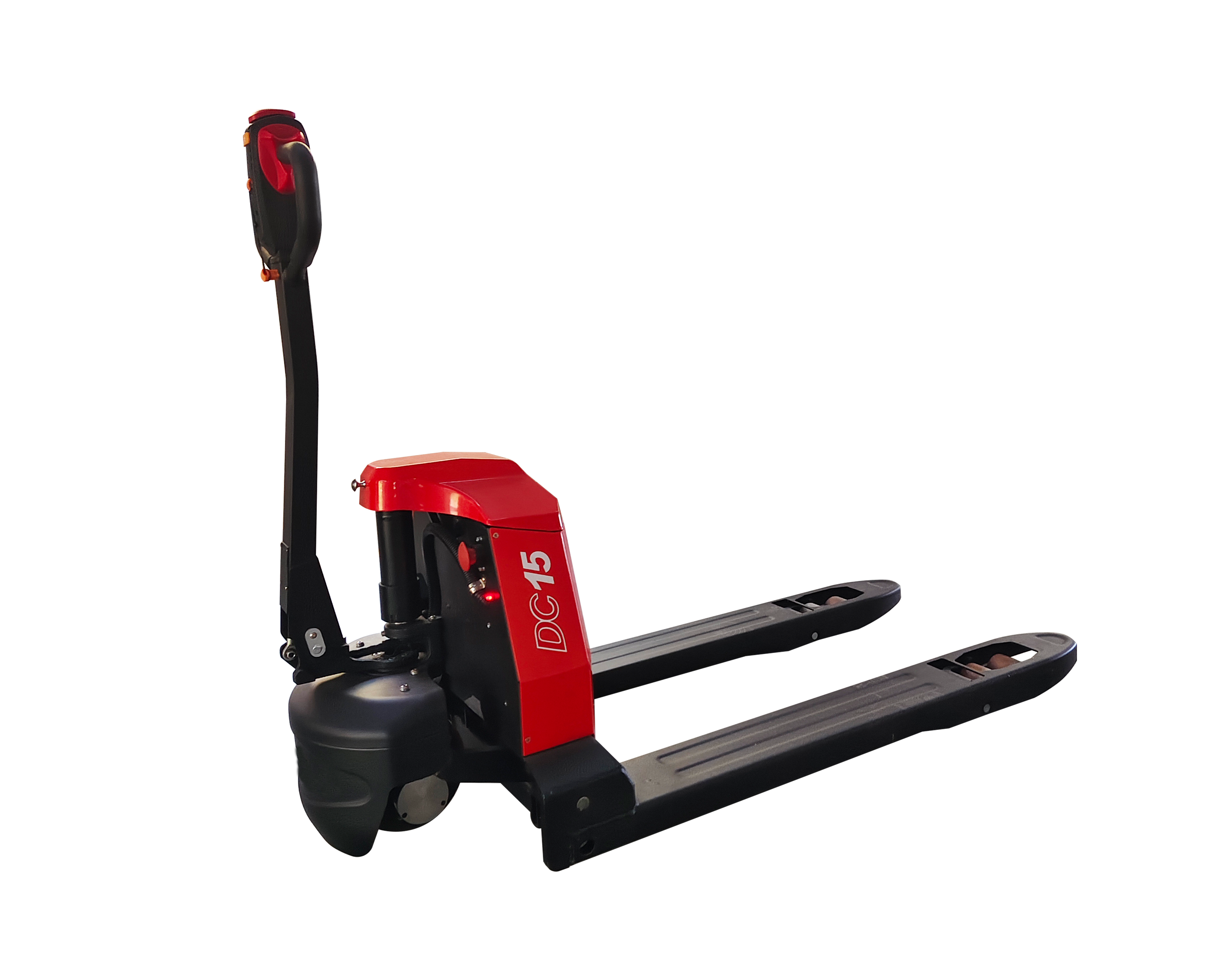
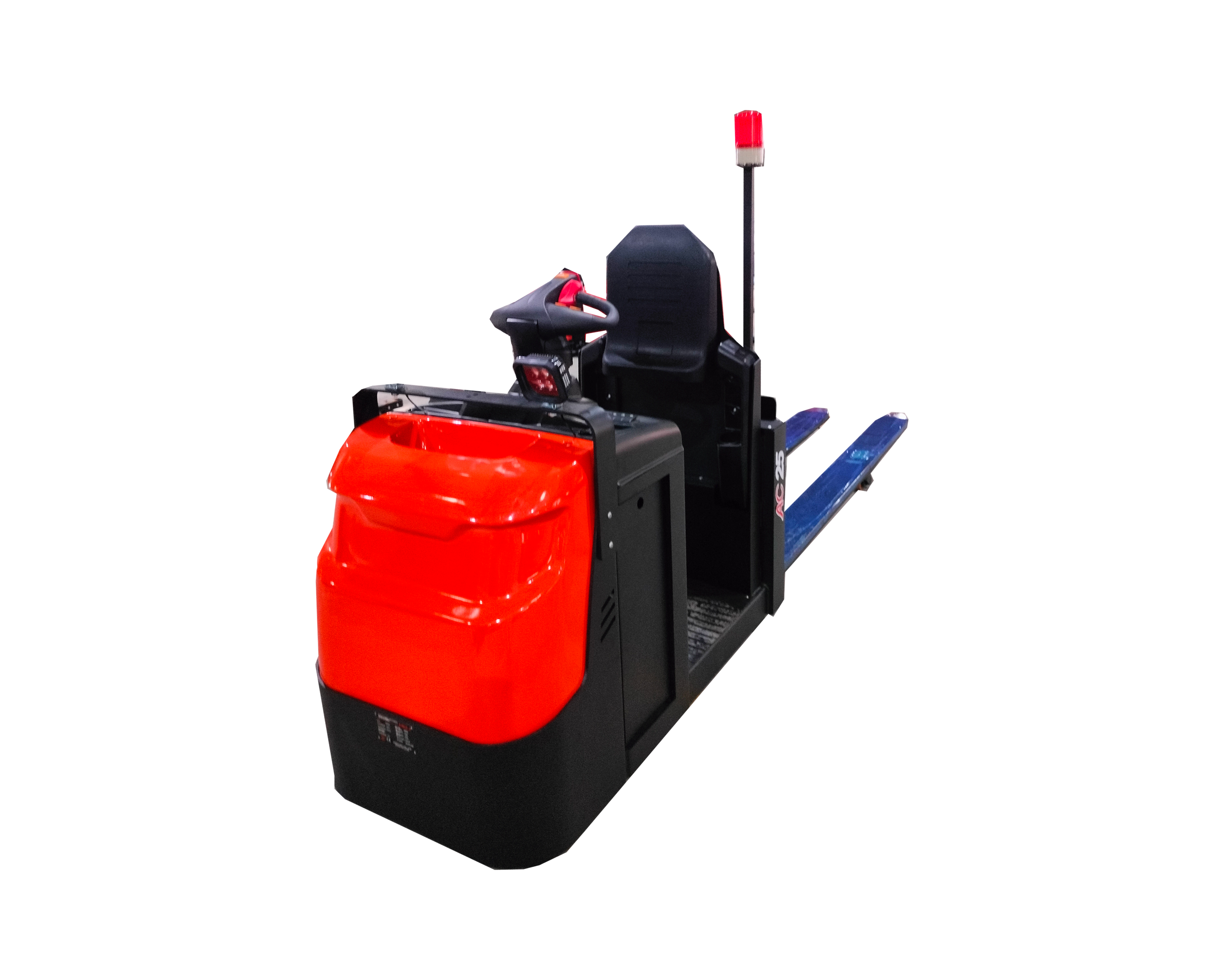
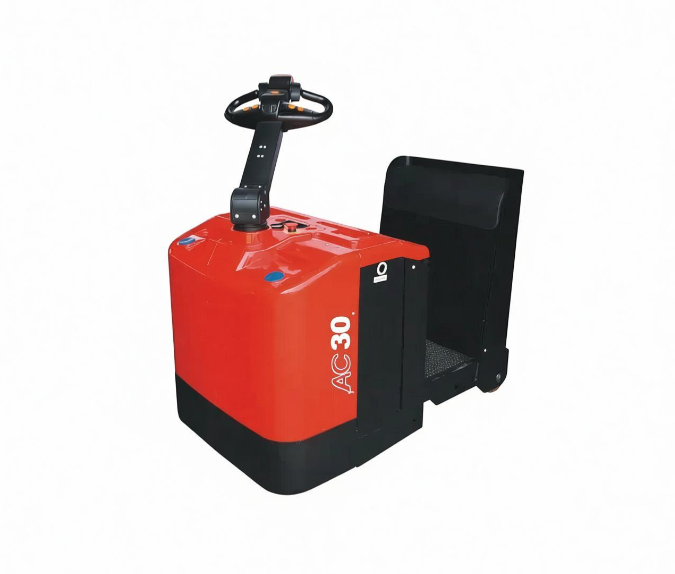
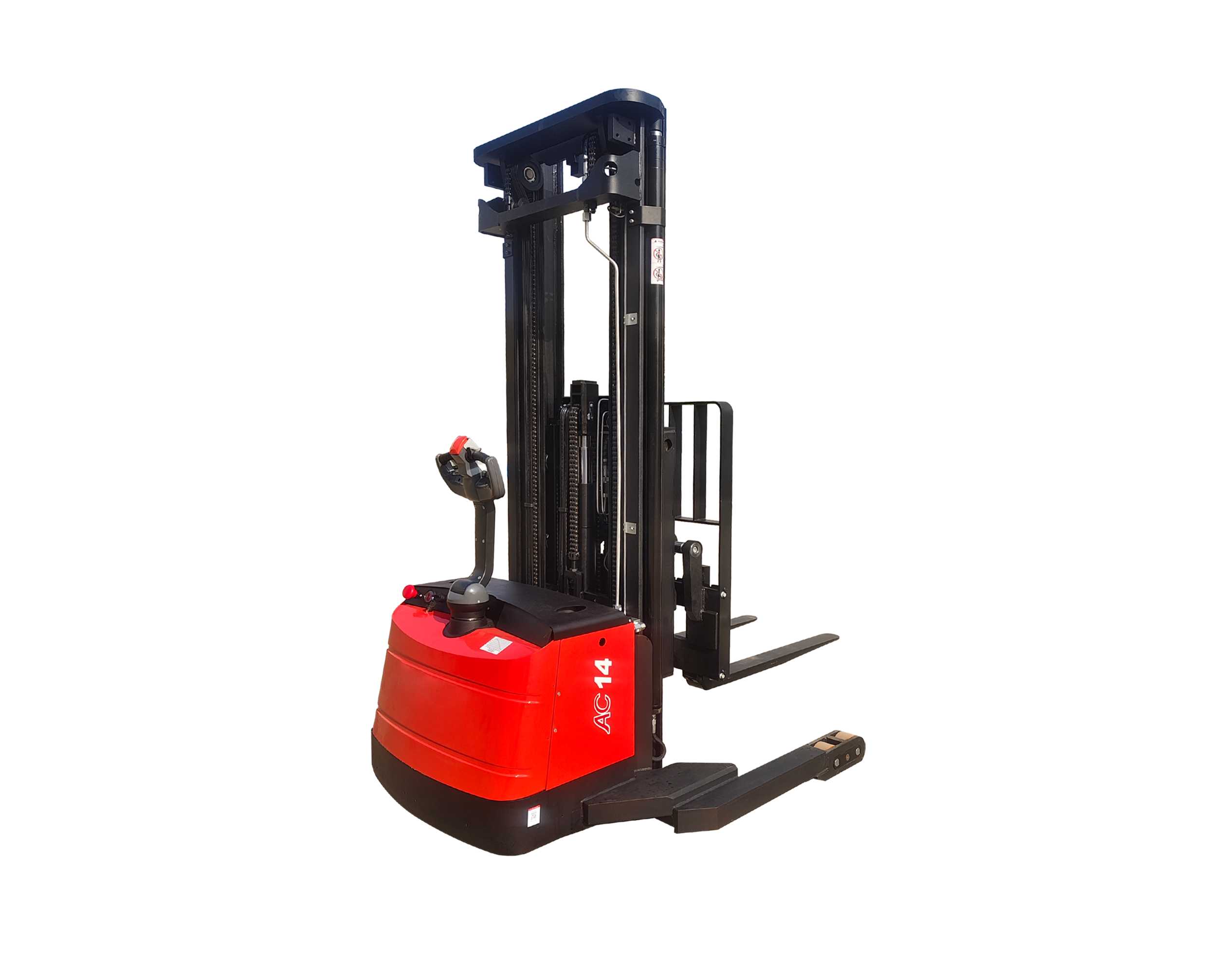
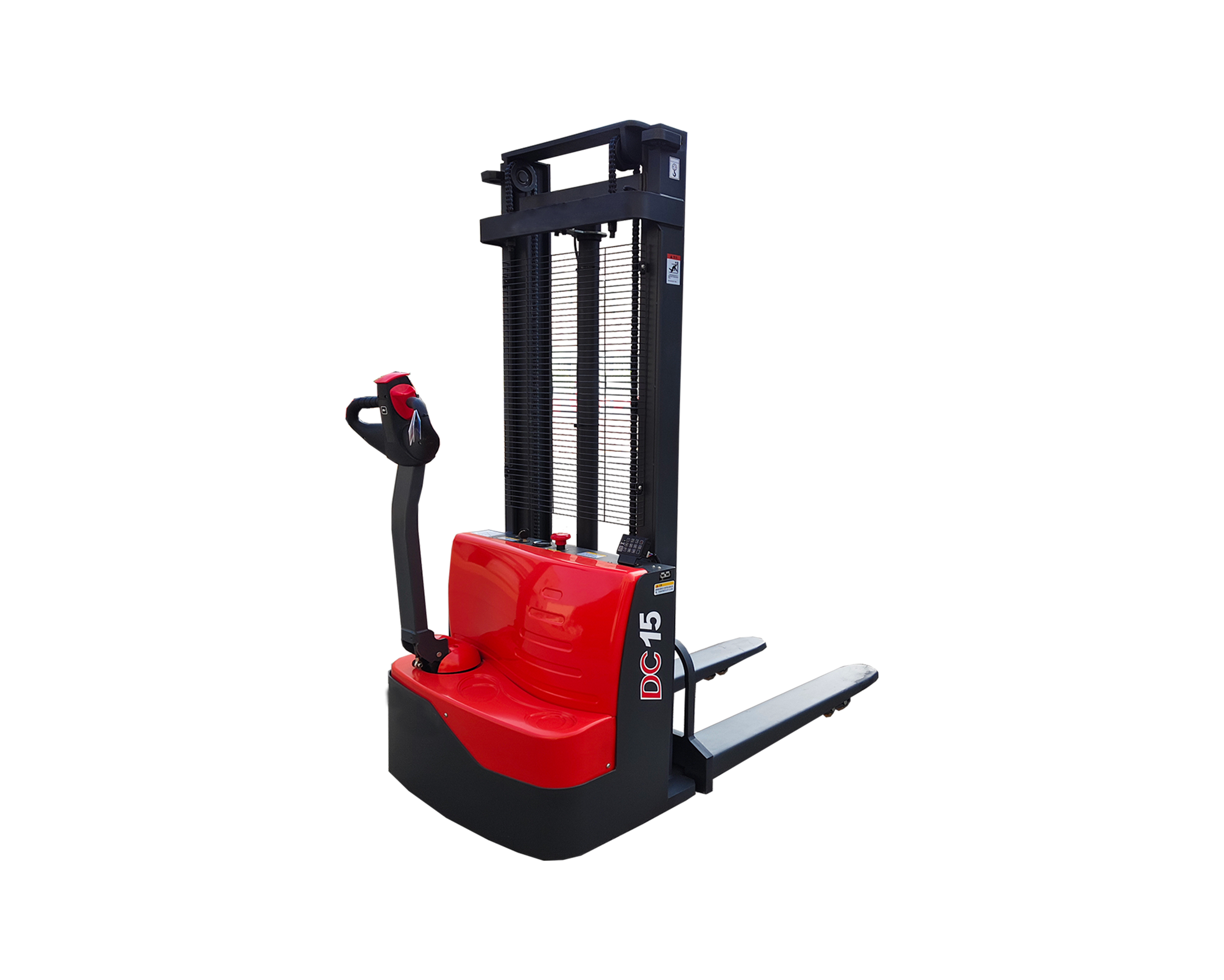
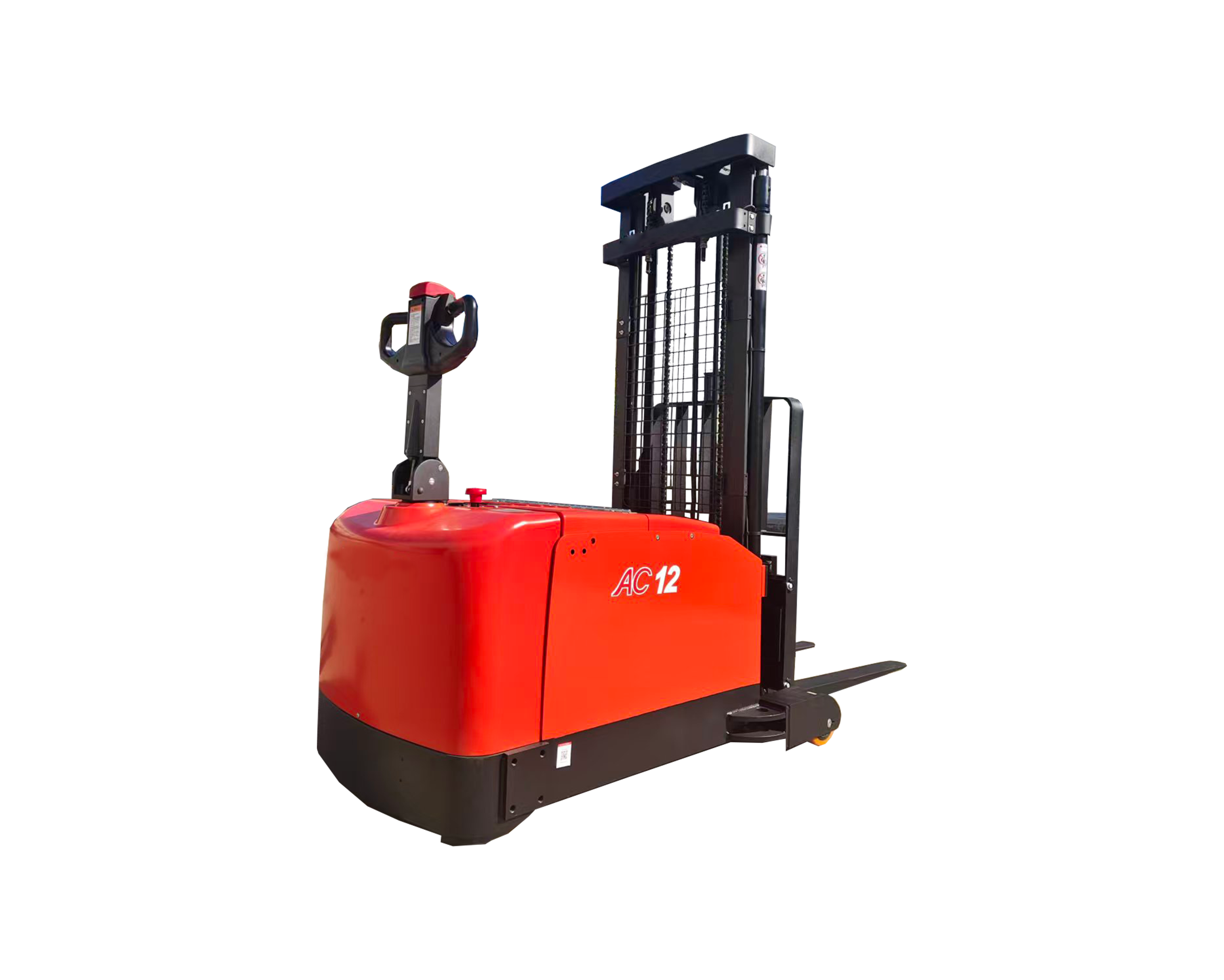
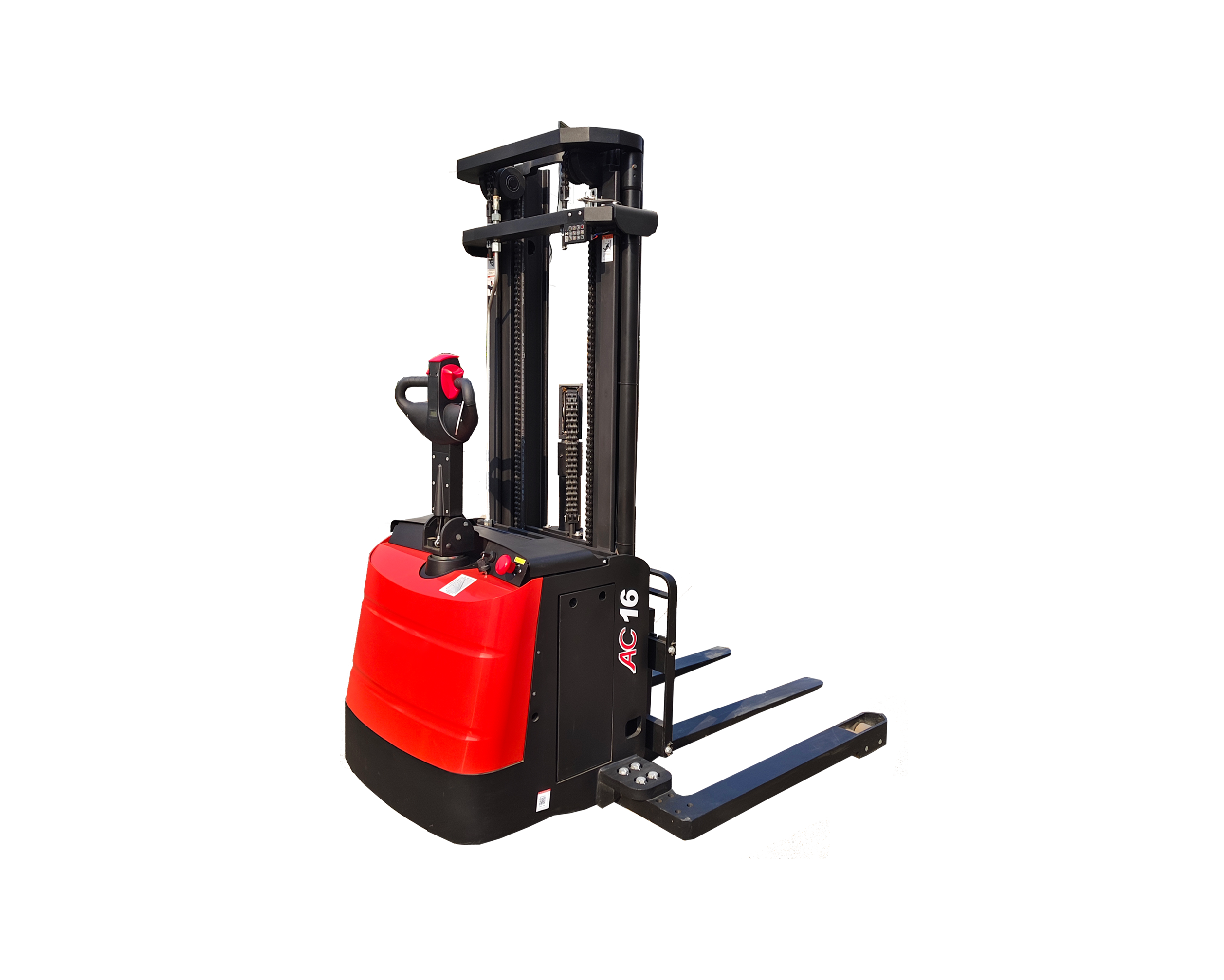
UNILIFT MHE is a material handling equipment supplier specializing in electric pallet trucks, electric stackers, hand pallet trucks, lift tables, and customized warehouse equipment solutions.
For distributors and private-label brands, UNILIFT MHE provides OEM and ODM-oriented material handling solutions designed around customer requirements.
UNILIFT MHE Product Portfolio
| Product Category | Typical OEM Application |
|---|---|
| Electric Pallet Truck | Private-label warehouse equipment |
| Electric Stacker | Customized lifting solutions |
| Hand Pallet Truck | Distributor product lines |
| Lift Table | Industrial material handling |
| Custom Equipment | Market-specific projects |
Why Consider UNILIFT MHE for OEM Projects?
Material Handling Specialization
UNILIFT MHE focuses on warehouse transportation, pallet movement, lifting, and industrial material handling applications.
This specialization allows OEM projects to be developed around practical warehouse requirements rather than treating material handling equipment as a secondary product category.
Flexible OEM and ODM Options
Depending on the project, customization can include:
- Company logo
- Product colors
- Packaging
- Load capacity
- Battery configuration
- Fork dimensions
- Product functions
- Documentation requirements
The exact customization scope should be confirmed during technical evaluation because different products may support different configurations.
Designed for Global B2B Buyers
UNILIFT MHE works with customer groups such as:
- Material handling equipment distributors
- Importers
- Warehouse solution providers
- Industrial buyers
- Private-label brands
For companies developing a new warehouse equipment product line, a specialized supplier can provide a more focused product-development workflow.
UNILIFT MHE OEM Development Process
A typical customized project can be structured around:
Customer Requirements → Technical Discussion → Product Configuration → Sample/Prototype → Testing → Production → Inspection → Shipment
This approach gives buyers clear checkpoints before moving from product development to mass production.
8. Yi-Lift Material Handling
Yi-Lift is a Chinese material handling equipment manufacturer offering manual and electric warehouse equipment.
Its product range includes pallet trucks, stackers, lift tables, weighing equipment, and related material handling products.
The company also states that it has extensive industry experience, operates quality management systems, and offers products with certifications for relevant international markets.
Key Strengths
- Long industry experience
- Broad material handling product range
- OEM experience
- International export capability
- Product customization
Suitable For
- Importers
- Distributors
- Industrial buyers
- Companies sourcing multiple material handling products
Buyers should verify the current certification and customization documentation for the specific product being purchased.
9. Tailift
Tailift is a Taiwan-origin material handling equipment manufacturer with manufacturing operations and international business activities.
Its product portfolio includes forklifts and other material handling equipment.
Key Strengths
- Material handling equipment manufacturing
- International experience
- Customized equipment projects
- Multiple production capabilities
Suitable For
- Industrial buyers
- Equipment distributors
- Companies requiring customized material handling solutions
OEM, ODM, CKD, or SKD cooperation should be confirmed directly for the specific product and project requirements.
10. NU-LIFT Equipment
NU-LIFT focuses on material handling equipment, including pallet trucks and warehouse lifting products.
Its product portfolio covers manual and powered equipment for different warehouse and industrial applications.
Key Strengths
- Material handling specialization
- Pallet truck products
- Warehouse lifting equipment
- International export experience
- Product customization options
Suitable For
- Distributors
- Importers
- Warehouse equipment suppliers
- Industrial customers
As with any OEM sourcing project, buyers should verify current production capacity, certifications, minimum order quantities, and customization terms before placing an order.
Electric Pallet Truck Supplier Comparison
| Supplier | Product Range | Electric Equipment | OEM/Custom Potential | International Market |
|---|---|---|---|---|
| Toyota Material Handling | Broad | Strong | Project dependent | Strong |
| Jungheinrich | Broad | Strong | Project dependent | Strong |
| HELI | Broad | Strong | Project dependent | Strong |
| Hangcha | Broad | Strong | Project dependent | Strong |
| EP Equipment | Warehouse focused | Strong | Project dependent | Strong |
| Noblelift | Broad | Strong | Project dependent | Strong |
| UNILIFT MHE | Material handling focused | Strong | Flexible OEM/ODM | B2B focused |
| Yi-Lift | Material handling focused | Available | OEM oriented | Strong |
| Tailift | Broad | Available | OEM/ODM options | Strong |
| NU-LIFT | Material handling focused | Available | Customization available | International |
This comparison is intended to help buyers understand supplier positioning. It should not replace technical due diligence, product testing, factory audits, certification verification, or commercial negotiations.
OEM Customization Capabilities Buyers Should Evaluate
When comparing electric pallet truck suppliers, buyers should evaluate customization at three levels: product engineering, production, and documentation.
1. Product Engineering
Ask whether the supplier can support:
- Technical drawings
- Product configuration
- Handle or control modifications
- Battery configuration
- Fork dimensions
- Capacity changes
- Prototype development
- Product testing
A supplier that can participate in the engineering stage may be better positioned to support long-term private-label product development.
2. Production Capability
Before placing a large OEM order, evaluate:
- Factory infrastructure
- Assembly processes
- Production capacity
- Incoming material inspection
- In-process quality control
- Final inspection
- Product testing
- Packaging procedures
Factory capability should be verified through documentation, factory audits, samples, and production records where appropriate.
3. Documentation Support
International distributors may require:
- User manuals
- Spare parts lists
- Product specifications
- Certification documents
- Packaging specifications
- Product labels
- Warranty documentation
Clear documentation is particularly important when equipment is sold under a private-label brand.
Quality and Manufacturing Verification
Certifications and quality systems can provide useful trust signals, but buyers should verify whether the certification applies to the exact product, model, factory, and target market.
ISO 9001
ISO 9001 relates to quality management systems and can indicate that a manufacturer operates within a structured quality management framework.
CE Requirements
For products entering the European market, buyers should verify the applicable EU conformity requirements and whether the specific product complies with the relevant legislation and standards.
CE marking should not be treated as a generic quality rating; it is related to applicable conformity requirements.
Product Safety Testing
Depending on the product and destination market, buyers may need additional safety documentation or testing.
The exact requirements can vary according to product type, configuration, intended use, and destination country.
Factory Audit
A factory audit can help buyers verify:
- Manufacturing facilities
- Production processes
- Quality control
- Testing equipment
- Production capacity
- Employee responsibilities
- Traceability
- Export experience
For large OEM projects, independent inspection or third-party factory audits can provide additional verification before mass production.
Future Trends in Custom Electric Warehouse Equipment
Lithium Battery Customization
Lithium-ion batteries are increasingly used in electric warehouse equipment because they can support opportunity charging and frequent-use applications.
OEM buyers may evaluate:
- Battery capacity
- Charging configuration
- Battery management systems
- Integrated battery designs
- Replaceable battery options
The appropriate configuration depends on operating hours, charging infrastructure, duty cycle, and warehouse conditions.
Smart Warehouse Compatibility
Material handling equipment is increasingly being integrated with digital warehouse systems.
Potential developments include:
- Fleet monitoring
- Battery monitoring
- Telematics
- IoT connectivity
- Automated warehouse integration
- Data-based fleet management
Not every electric pallet truck requires these technologies, so buyers should match smart functions to actual operational requirements.
Growth of Private-Label Equipment
Distributors increasingly use OEM manufacturing to develop their own material handling equipment brands.
A private-label strategy can allow distributors to control:
- Brand identity
- Product positioning
- Packaging
- Distribution channels
- Market-specific configurations
However, successful private-label development still requires consistent quality control, technical documentation, spare parts support, and long-term supplier cooperation.
Frequently Asked Questions
What should I look for in electric pallet truck suppliers?
Look at manufacturing capability, OEM experience, product quality, engineering support, certifications, export experience, customization flexibility, spare parts availability, and after-sales service.
The right supplier depends on your product requirements, target market, order volume, and business model.
Can electric pallet trucks be customized with my brand?
Many manufacturers support some form of OEM or private-label customization. Common options include logo, product color, packaging, documentation, battery configuration, and product specifications.
The available options and minimum order quantities vary by supplier and product.
What information should I provide to an OEM supplier?
A useful OEM inquiry should include:
- Required load capacity
- Fork dimensions
- Battery type
- Target market
- Required certifications
- Estimated order quantity
- Branding requirements
- Packaging requirements
- Delivery expectations
Providing these details at the beginning can make technical and commercial discussions more efficient.
What is the difference between OEM and ODM?
OEM generally means producing equipment according to a customer’s specified requirements or branding requirements.
ODM generally involves using an existing product platform while allowing the supplier to provide more of the product design and development.
The exact meaning of OEM and ODM can vary between suppliers, so buyers should define the scope in the commercial agreement.
Is UNILIFT MHE suitable for international distributors?
UNILIFT MHE is positioned as a B2B material handling equipment supplier offering electric pallet trucks, electric stackers, hand pallet trucks, lift tables, and customized equipment solutions.
Distributors should discuss their target market, required specifications, order volume, branding requirements, and certification needs with the supplier before starting an OEM project.
Conclusion
Choosing among electric pallet truck suppliers requires more than comparing product prices. Manufacturing capability, engineering support, OEM flexibility, quality management, certification requirements, export experience, and after-sales support all affect the long-term success of an equipment sourcing project.
Global manufacturers such as Toyota Material Handling and Jungheinrich offer broad material handling portfolios and established international operations. Companies such as HELI, Hangcha, EP Equipment, Noblelift, Yi-Lift, Tailift, and NU-LIFT provide additional options across different warehouse equipment segments.
For distributors, importers, and private-label brands that need a focused material handling partner, UNILIFT MHE offers electric pallet trucks, electric stackers, hand pallet trucks, lift tables, and customized OEM/ODM solutions for global B2B applications.
Explore UNILIFT MHE’s material handling equipment portfolio and OEM solutions to discuss your product requirements, specifications, and customization needs.
For OEM inquiries, contact the UNILIFT MHE team to discuss your target market, product configuration, branding requirements, and estimated order volume.
Follow UNILIFT MHE for More Material Handling Insights
Stay connected with UNILIFT MHE for the latest updates on electric pallet trucks, electric stackers, electric tuggers, warehouse equipment, material handling solutions, and industry insights. Follow our social media channels to discover new products, application scenarios, company updates, and practical information for modern warehouse and logistics operations.
Explore reliable electric pallet trucks, electric stackers, and material handling solutions at Unilift MHE.
If you would like to contact us, please click here.
If you would like to learn more about our news, please click here.
Facebook: Follow UNILIFT MHE on Facebook
TikTok: Follow UNILIFT MHE on TikTok
Instagram: Follow UNILIFT MHE on Instagram
X: Follow UNILIFT MHE on X
Pinterest: Explore UNILIFT MHE on Pinterest
LinkedIn: Connect with UNILIFT MHE on LinkedIn