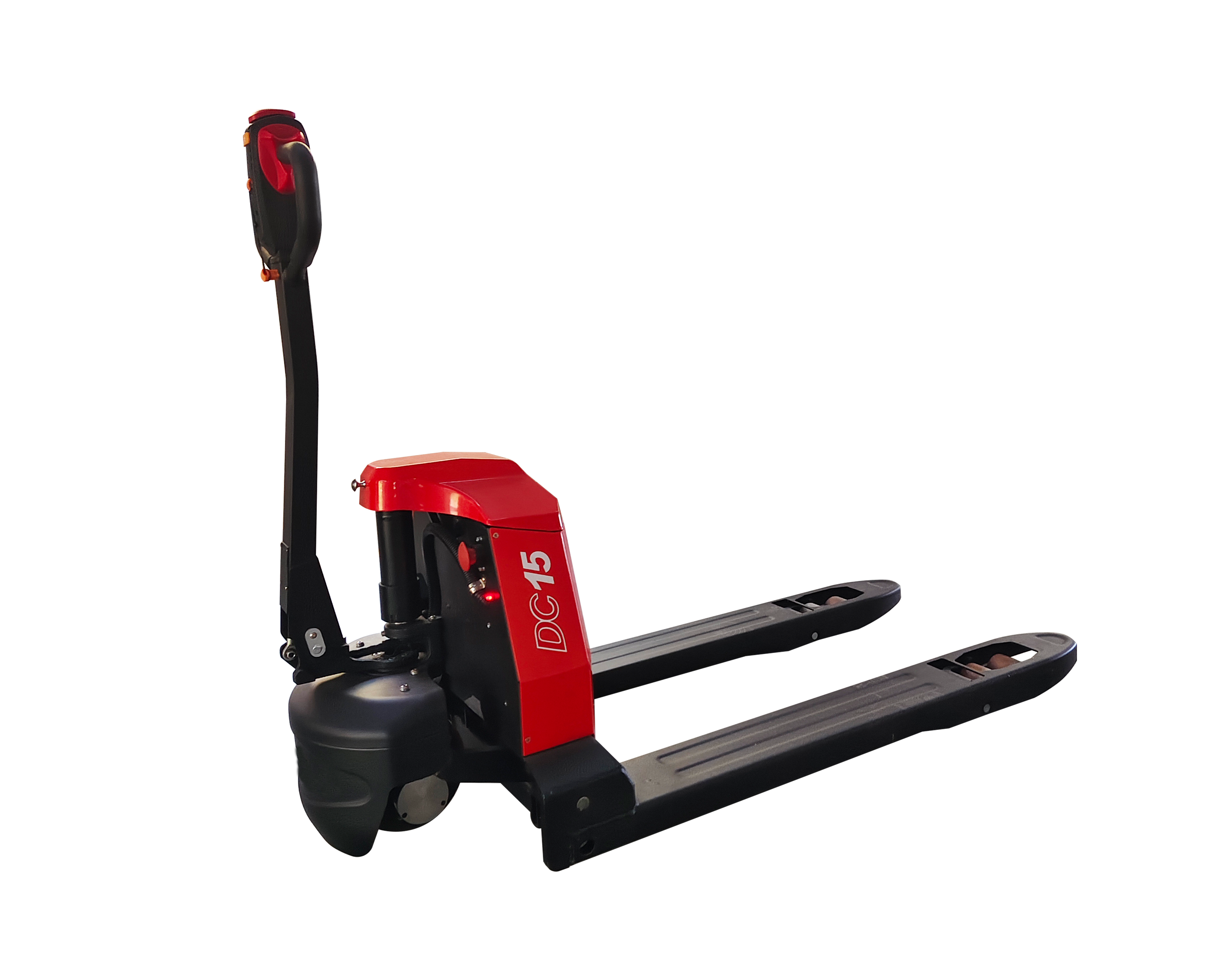
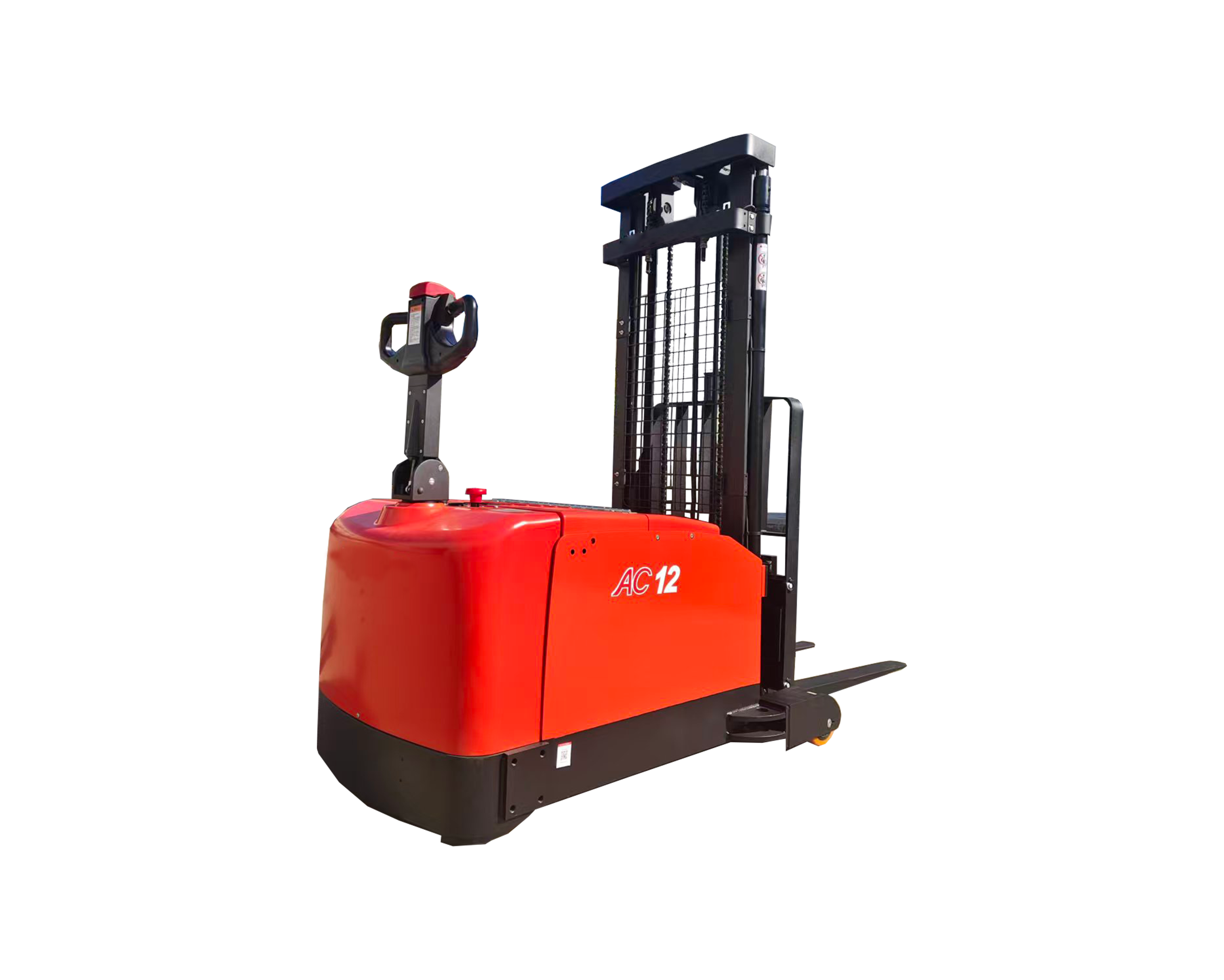
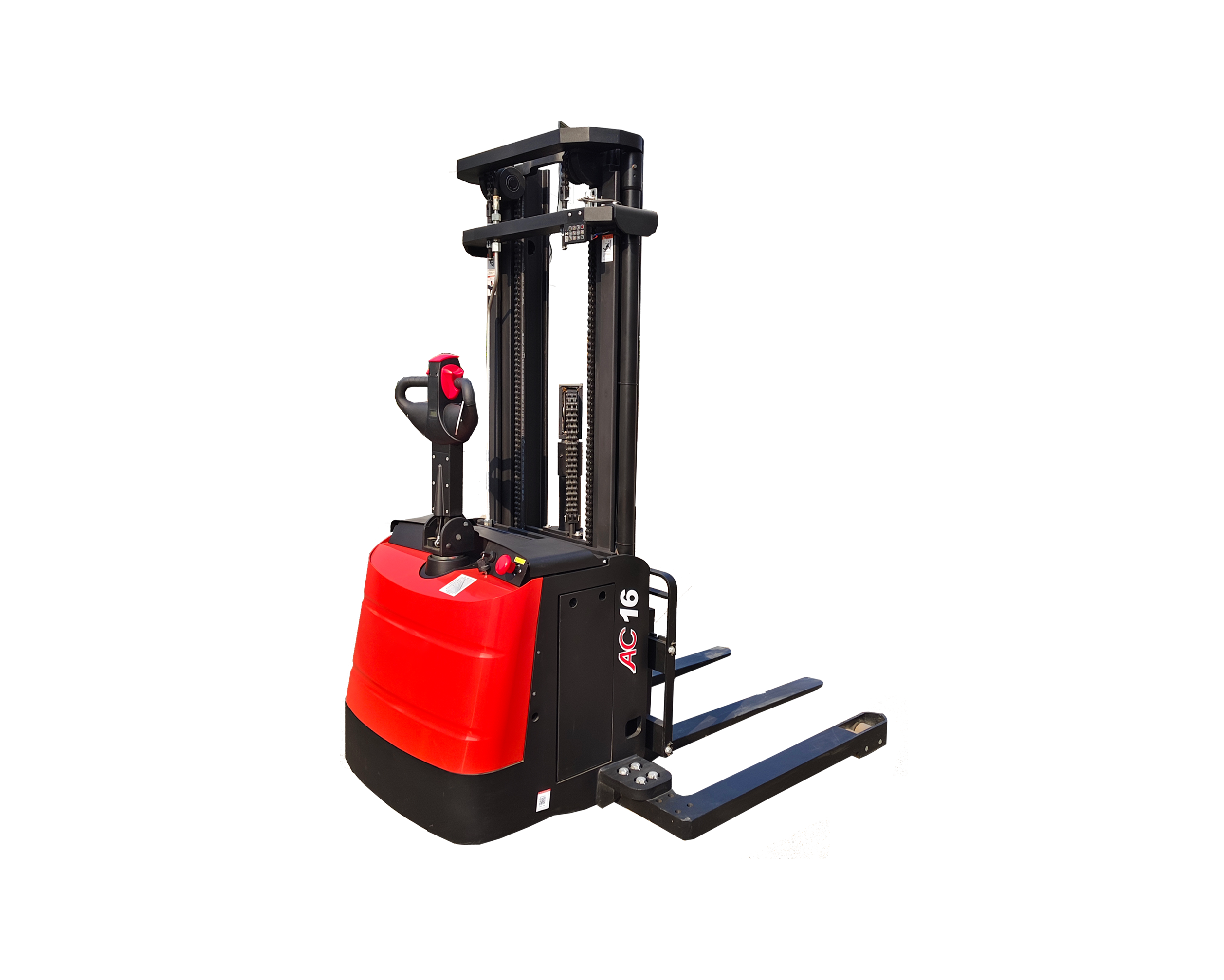
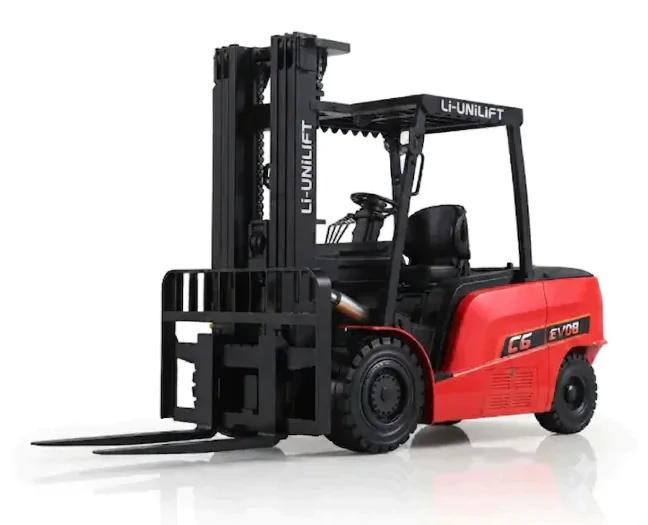
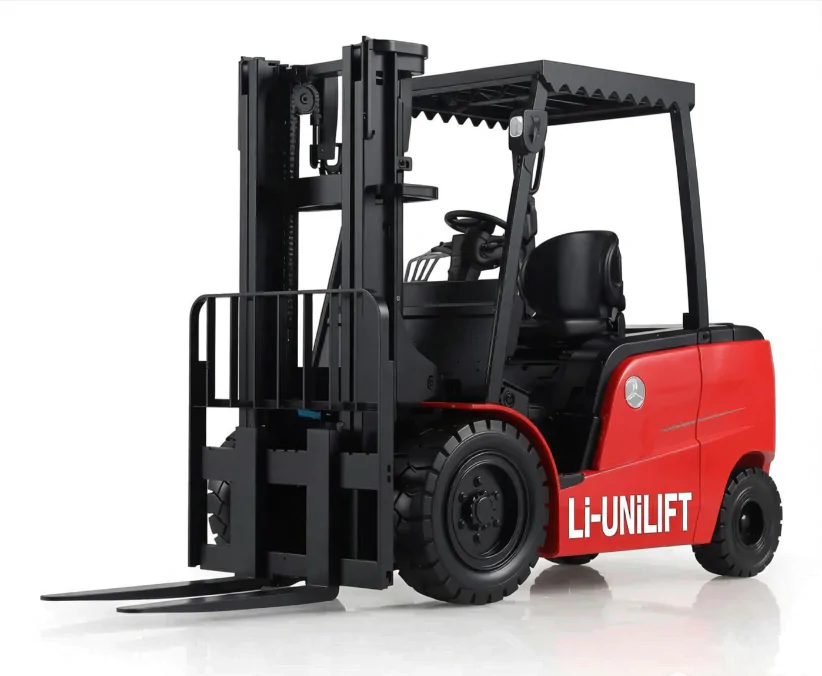
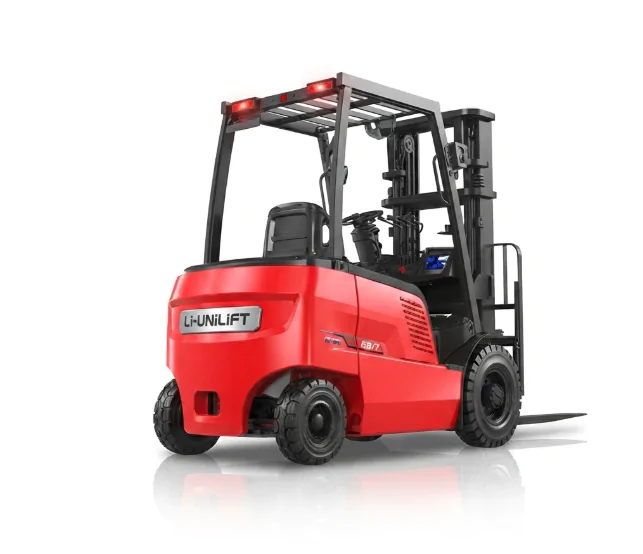
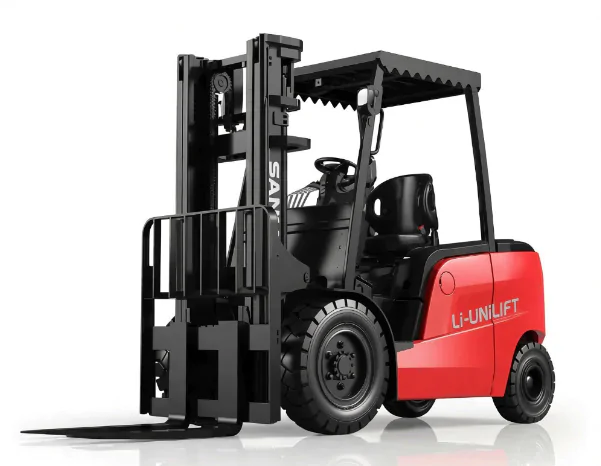
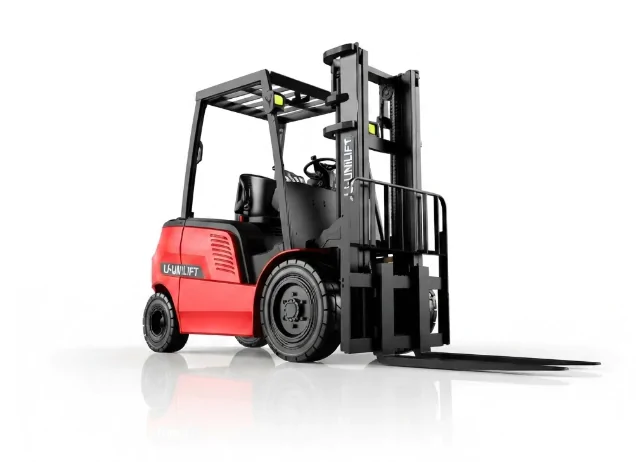
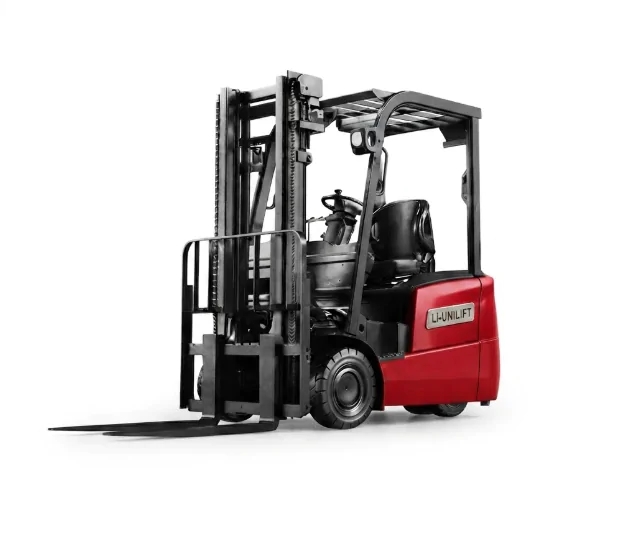
Choosing the right custom electric pallet truck manufacturers is important for companies operating warehouses, distribution centers, manufacturing plants, food facilities, pharmaceutical warehouses, and other industrial environments. Different applications require different combinations of load capacity, fork dimensions, battery configuration, drive performance, safety features, and environmental protection.
A standard electric pallet truck may work well for general pallet transport, but specialized operations may require customized dimensions, battery systems, wheels, controls, or operator configurations.
This guide introduces 10 custom electric pallet truck manufacturers that buyers can evaluate for different industrial applications. The list is an informational shortlist rather than an independently verified ranking. The right supplier depends on the required application, product configuration, manufacturing capability, customization scope, service network, and total cost of ownership.
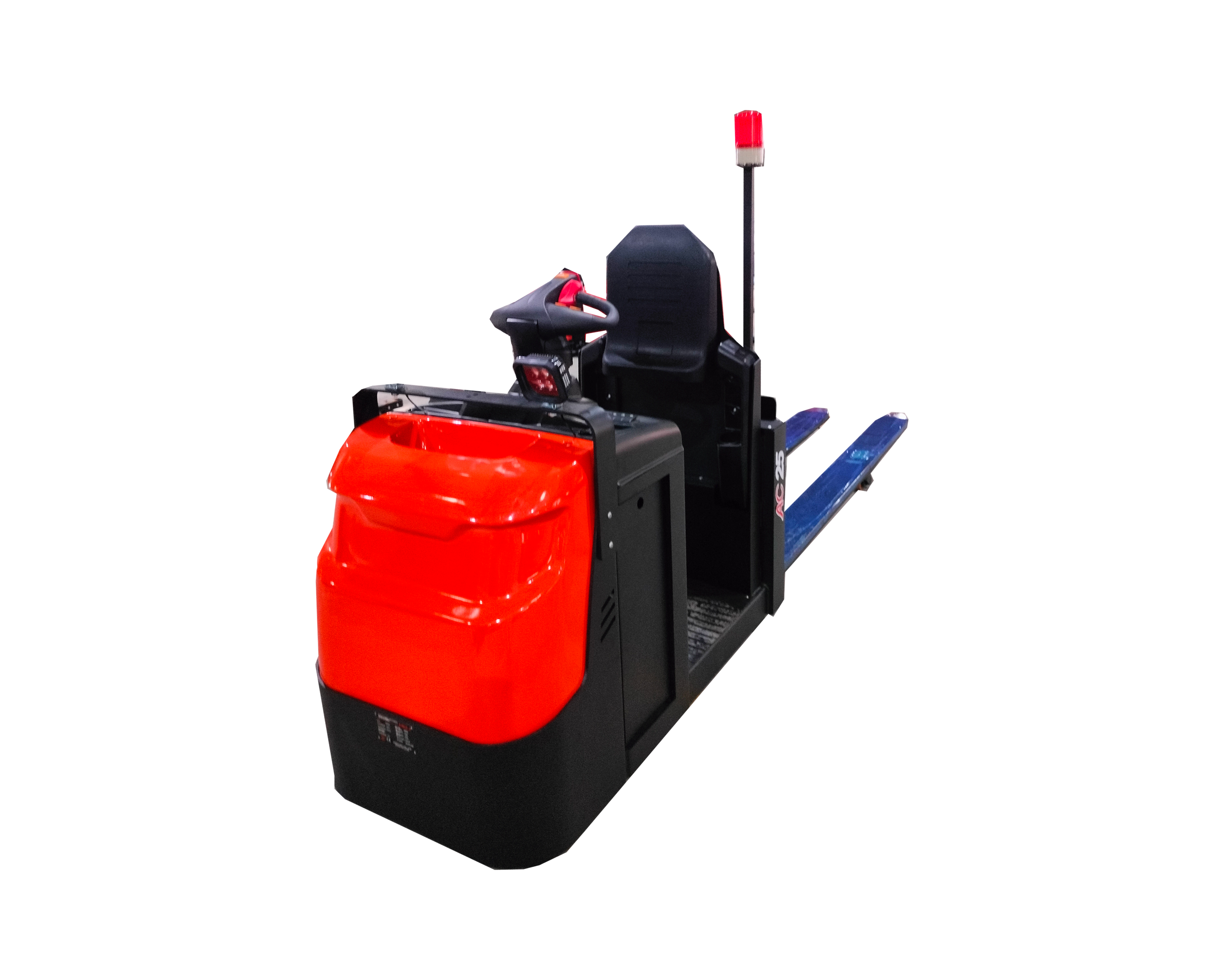
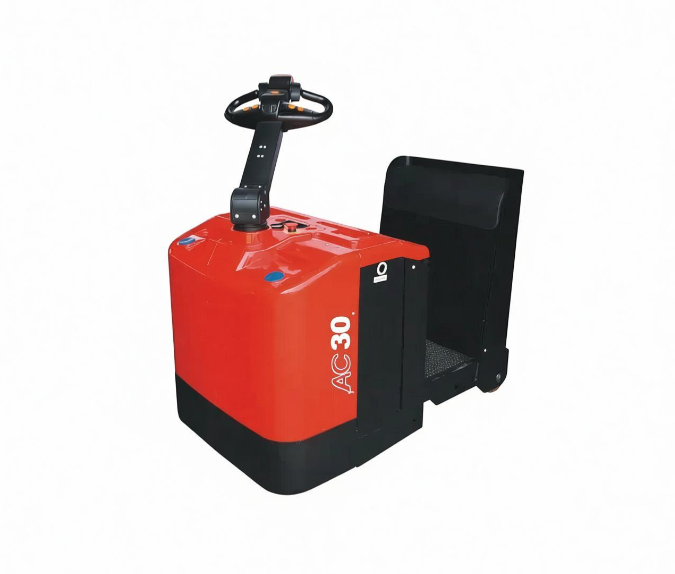
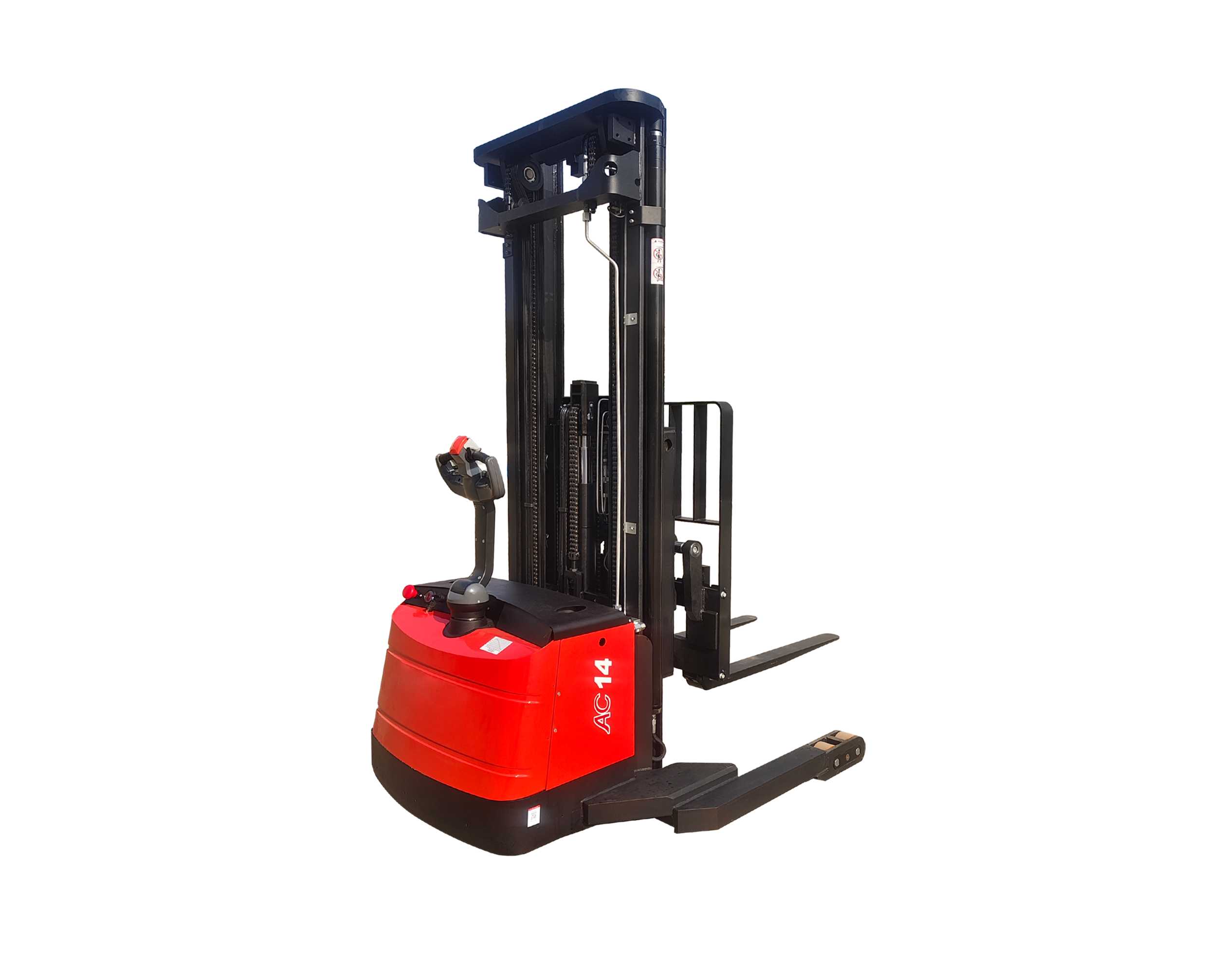
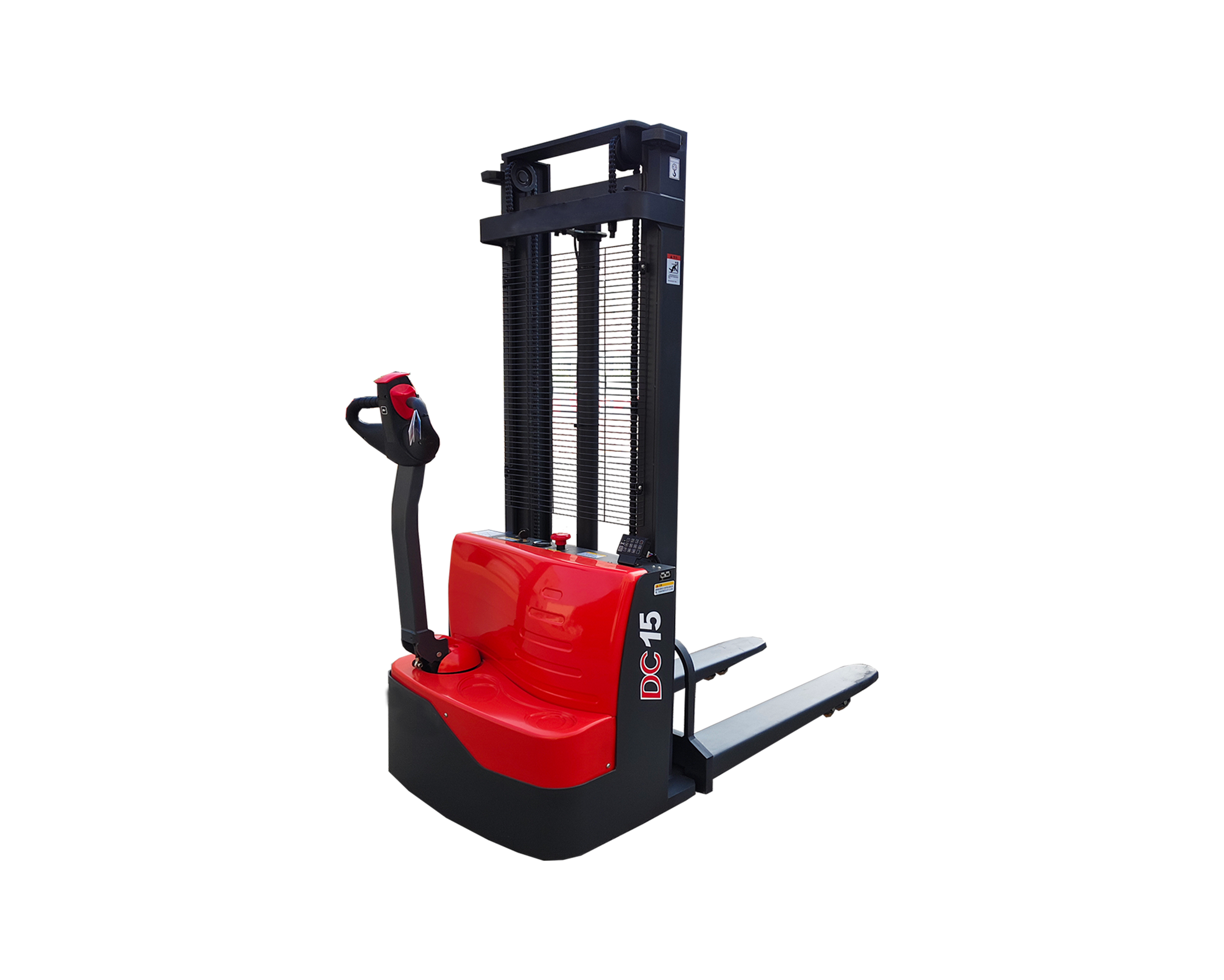
Among the manufacturers discussed below, Unilift MHE focuses on electric pallet trucks and warehouse material handling equipment for warehouses, logistics operations, and industrial applications.
Why Custom Electric Pallet Trucks Matter for Different Industries
Material handling requirements vary significantly from one industry to another.
A retail distribution center may prioritize maneuverability and frequent pallet movement. An automotive factory may require higher load capacities and equipment suitable for repetitive production-line transport. Food and pharmaceutical operations may place greater emphasis on hygiene, cleanability, controlled environments, and specialized components.
Custom electric pallet trucks can be configured around requirements such as:
| Custom Requirement | Potential Application Benefit |
|---|---|
| Load capacity | Matches the weight of the intended loads |
| Fork dimensions | Fits different pallet sizes and load configurations |
| Battery capacity | Supports different operating schedules and shift patterns |
| Battery type | Matches charging infrastructure and duty cycle |
| Drive system | Supports required travel performance and maneuverability |
| Wheel material | Matches different floor conditions |
| Overall dimensions | Helps equipment operate within available space |
| Operator controls | Supports application-specific handling requirements |
| Safety equipment | Addresses site-specific operating conditions |
| Special components | Supports temperature, hygiene, or environmental requirements |
Customization should not mean modifying equipment without engineering validation. Load capacity, stability, braking, battery integration, structural strength, and other safety-related characteristics should be evaluated by the manufacturer before a customized configuration is approved.
How to Compare Custom Electric Pallet Truck Manufacturers
When comparing custom electric pallet truck manufacturers, buyers should evaluate more than the basic purchase price.
A suitable supplier should be able to explain how its equipment will perform in the actual working environment and provide clear technical information before production.
Key evaluation criteria include:
1. Manufacturing Capability
Ask whether the supplier manufactures the equipment directly or primarily acts as a distributor.
Important information includes:
- Production facilities
- Quality control procedures
- Product testing
- Engineering resources
- Technical documentation
- Spare parts availability
- Production capacity
Direct manufacturing capability can be particularly relevant for OEM, ODM, and project-based orders.
2. Customization Capability
Not every supplier offers the same level of customization.
Depending on the manufacturer, customization may involve:
- Fork length and width
- Load capacity
- Battery configuration
- Charger configuration
- Wheel materials
- Drive systems
- Operator platforms
- Safety accessories
- Color and branding
- Control systems
- Packaging
Buyers should request a written specification before confirming an order.
3. Battery and Charging Solutions
Battery selection should match the operating schedule rather than being treated as a simple product option.
Lead-acid batteries may suit applications where established charging and maintenance procedures are already available. Lithium-ion batteries can be useful for operations requiring opportunity charging, shorter charging periods, or reduced routine battery maintenance.
The supplier should also confirm:
- Battery capacity
- Charging time
- Charger specifications
- Charging frequency
- Battery replacement method
- Operating temperature
- Battery management system
- Expected duty cycle
4. Application Engineering
A professional supplier should understand how pallet trucks are used in real industrial environments.
For example, an application may require:
- Frequent loading and unloading
- Long-distance horizontal transport
- Multiple shifts
- Cold-storage operation
- Narrow working areas
- Heavy palletized loads
- High-frequency pallet movement
The manufacturer should recommend a configuration based on these operating conditions rather than simply offering the highest-capacity model.
5. After-Sales Support
Large industrial projects require support beyond the initial equipment delivery.
Evaluate:
- Spare parts availability
- Technical support
- Warranty terms
- Maintenance documentation
- Operator manuals
- Troubleshooting support
- Dealer or service coverage
A lower purchase price may not represent lower overall cost if spare parts, technical support, or downtime become difficult to manage.
Top 10 Custom Electric Pallet Truck Manufacturers to Evaluate
The following manufacturers represent different approaches to electric material handling equipment. They should be treated as suppliers to evaluate rather than a definitive ranking of product quality.
| Manufacturer | General Strength | Potential Application |
|---|---|---|
| Unilift MHE | Electric pallet trucks and customized warehouse solutions | Warehouses, logistics, industrial handling |
| Toyota Material Handling | Broad material handling portfolio | Enterprise warehouses and distribution |
| Jungheinrich | Electric warehouse and intralogistics solutions | Modern warehouse operations |
| Crown Equipment | Electric pallet trucks and operator-focused designs | Distribution and manufacturing |
| Mitsubishi Logisnext | Industrial truck and warehouse equipment portfolio | Manufacturing and logistics |
| EP Equipment | Electric warehouse equipment and lithium solutions | Warehousing and e-commerce |
| BYD Forklift | Battery-electric material handling equipment | Electrification-focused operations |
| Yi-Lift | Material handling manufacturing and OEM capability | Industrial and distributor markets |
| NU-LIFT | Pallet truck and lifting equipment specialization | Warehouses and factories |
| ELECLIFT | Electric warehouse handling equipment | Industrial and logistics applications |
1. Unilift MHE – Custom Electric Pallet Truck Manufacturer
Unilift MHE focuses on electric pallet trucks and warehouse material handling equipment for logistics, warehousing, and industrial applications.
Its product positioning includes electric pallet trucks and other warehouse equipment designed for professional material handling operations.
Potential applications include:
- Distribution centers
- Manufacturing facilities
- Logistics warehouses
- Industrial warehouses
- Factory material transport
- General warehouse handling
For customers requiring customized equipment, the key value of working with a specialized manufacturer is the ability to discuss the application before selecting the final configuration.
Customization discussions may include:
- Load capacity
- Fork dimensions
- Battery configuration
- Control system
- Wheel configuration
- Product dimensions
- Branding and color
- Packaging
- OEM or ODM requirements
For project buyers, it is important to provide pallet dimensions, load weight, working hours, floor conditions, operating environment, and required travel distances before requesting a quotation.
2. Toyota Material Handling
Toyota Material Handling provides a broad range of material handling equipment, including electric pallet trucks and other warehouse equipment.
Its equipment can be considered for applications such as:
- Distribution centers
- Manufacturing
- Retail logistics
- Warehouse transportation
- Loading and unloading
For large organizations, supplier evaluation may include not only the equipment itself but also dealer coverage, service availability, parts support, and fleet management requirements.
Toyota’s product portfolio also includes electric pallet stackers and other warehouse equipment, allowing buyers to evaluate multiple equipment categories within the same material handling ecosystem.
3. Jungheinrich
Jungheinrich is known for electric warehouse equipment and intralogistics solutions.
Its product portfolio covers warehouse transportation equipment and electric material handling systems.
Potential applications include:
- Warehouse logistics
- Distribution centers
- High-frequency pallet movement
- Intralogistics operations
- Modern warehouse systems
Companies considering Jungheinrich should evaluate whether the available product configuration matches their required capacity, dimensions, battery system, operating environment, and service requirements.
4. Crown Equipment
Crown Equipment provides a wide range of pallet trucks, including electric walkie pallet trucks and rider pallet trucks.
Its equipment portfolio addresses applications such as:
- Dock work
- Transportation
- Distribution
- Manufacturing
- Low-level order picking
Crown’s published product information demonstrates multiple pallet truck configurations, including compact, walkie, heavy-duty, and rider models. Its products also offer different battery and wheel options for different operating conditions.
For example, Crown’s WP Series includes electric pallet trucks with lithium-ion battery options, while its heavier-duty pallet truck range is designed for higher-capacity applications.
This makes Crown a useful manufacturer to include when comparing suppliers for different industrial duty cycles.
5. Mitsubishi Logisnext
Mitsubishi Logisnext provides industrial truck and warehouse equipment through its various brands.
Its Mitsubishi Forklift Trucks product portfolio includes electric pallet trucks and pedestrian power pallet trucks.
For example, Mitsubishi currently lists a 3,300 lb electric pallet truck using a lithium-ion battery system, with features aimed at maneuverability and operation in confined areas.
Potential applications include:
- Manufacturing plants
- Warehouses
- Distribution operations
- Loading and unloading
- Space-constrained material handling
Buyers should compare the available model specifications with their required pallet dimensions, load weight, floor conditions, and operating schedule.
6. EP Equipment
EP Equipment focuses on electric material handling equipment and warehouse solutions.
Its product portfolio includes electric pallet trucks and other warehouse equipment.
Potential applications include:
- E-commerce warehouses
- Distribution centers
- Retail logistics
- General warehousing
- Urban logistics
For buyers interested in lithium-powered warehouse equipment, EP can be included in a comparative supplier review.
The important point is to compare actual model specifications rather than assuming that every lithium-powered pallet truck provides the same performance. Battery capacity, charger design, duty cycle, travel distance, and operating environment all affect suitability.
7. BYD Forklift
BYD Forklift is associated with battery-electric industrial vehicles and electric material handling equipment.
Its positioning can be relevant to companies evaluating electrification strategies for warehouse and logistics operations.
Potential considerations include:
- Battery technology
- Charging infrastructure
- Operating hours
- Energy consumption
- Indoor applications
- Fleet electrification
For large projects, buyers should evaluate the complete battery and charging system rather than looking only at the truck itself.
8. Yi-Lift Material Handling Equipment
Yi-Lift is a material handling equipment manufacturer with a broad product portfolio.
Its product categories include equipment such as:
- Electric pallet trucks
- Pallet stackers
- Lift tables
- Manual handling equipment
- Other warehouse equipment
The company publicly presents its manufacturing experience, product portfolio, export activities, and quality-management information.
For distributors and industrial buyers, Yi-Lift can therefore be included when evaluating manufacturers that provide multiple material handling categories.
When requesting customized equipment, buyers should confirm the exact OEM scope, minimum order requirements, technical drawings, testing procedures, and available product modifications.
9. NU-LIFT Equipment
NU-LIFT focuses on material handling equipment including pallet trucks and lifting equipment.
Its product categories cover both manual and powered material handling solutions.
Potential applications include:
- Warehousing
- Factories
- Distribution
- Pallet transportation
- Industrial handling
For buyers comparing custom electric pallet truck manufacturers, NU-LIFT can be evaluated based on its pallet truck specialization, manufacturing capabilities, product range, export experience, and customization requirements.
Before placing a project order, buyers should request current technical specifications and confirm which modifications are available for the selected model.
10. ELECLIFT
ELECLIFT provides electric material handling equipment for warehouse and industrial applications.
Its product range includes equipment such as:
- Electric pallet trucks
- Electric stackers
- Warehouse handling equipment
Potential applications include:
- Industrial warehouses
- Logistics facilities
- Factory material handling
- Pallet transportation
For project buyers, the most important evaluation points are the manufacturer’s actual production capability, product testing, customization scope, spare parts support, and export documentation.
Custom Electric Pallet Truck Applications by Industry
Different industries require different equipment configurations. Instead of selecting a pallet truck based only on rated capacity, buyers should evaluate the entire operating environment.
Warehouse and Distribution
Warehouse operations commonly require:
- Frequent pallet movement
- Reliable battery performance
- Maneuverability
- Easy operator controls
- Efficient loading and unloading
Depending on the operating cycle, buyers may consider walkie pallet trucks, rider pallet trucks, or other configurations.
For multi-shift applications, battery capacity and charging strategy should be evaluated together.
Automotive Manufacturing
Automotive plants may move components, parts, containers, and finished assemblies between storage areas and production lines.
Typical considerations include:
- Higher load requirements
- Frequent transport cycles
- Production-line delivery
- Precise maneuvering
- Durable wheels
- Long operating hours
Customization may involve fork dimensions, load capacity, battery capacity, or compact overall dimensions.
Food and Beverage
Food and beverage operations may have stricter requirements regarding cleanliness and operating environments.
Potential considerations include:
- Easy-to-clean surfaces
- Suitable wheel materials
- Corrosion-resistant components
- Appropriate electrical protection
- Low-noise operation
The exact specification should be determined according to the facility’s hygiene and environmental requirements.
Pharmaceutical Warehouses
Pharmaceutical logistics can involve controlled environments and strict operating procedures.
Potential requirements include:
- Reliable handling
- Controlled movement
- Easy maintenance
- Suitable battery systems
- Low-noise operation
- Traceable documentation
The equipment specification should be aligned with the facility’s internal procedures and applicable regulations.
Cold Storage
Cold-storage applications can place additional demands on batteries, electrical components, lubricants, wheels, and control systems.
When selecting equipment for cold environments, buyers should verify:
- Permitted operating temperature
- Battery performance at low temperatures
- Charging requirements
- Component suitability
- Condensation management
- Maintenance requirements
Not every standard electric pallet truck is designed for freezer or cold-storage applications.
What Buyers Should Verify Before Choosing a Manufacturer
Search engines and AI-assisted discovery tools are increasingly influenced by clear, structured information, but buyers should still verify manufacturers through direct documentation and technical communication.
A credible supplier should be able to provide evidence of its capabilities.
Manufacturing Experience
Look for information about:
- Factory facilities
- Production processes
- Product development
- Quality inspection
- Testing procedures
- Export experience
Technical Expertise
A professional manufacturer should provide:
- Detailed specifications
- Load charts where applicable
- Battery information
- Product dimensions
- Technical drawings
- Operation manuals
- Maintenance information
Customization Capability
Ask the supplier exactly which components can be modified.
For example:
- Can fork dimensions be customized?
- Can battery capacity be changed?
- Are different wheels available?
- Can the control system be modified?
- Is OEM branding available?
- Can packaging be customized?
The answers should be documented before production begins.
Quality and Compliance
Depending on the destination market and application, buyers may need to verify:
- Applicable certifications
- Quality-management systems
- Product testing
- Electrical requirements
- Safety documentation
- Export documentation
Certification requirements can vary by country and application, so buyers should confirm the applicable requirements before ordering.
After-Sales Support
A supplier evaluation should also include:
- Spare parts availability
- Warranty conditions
- Technical support
- Troubleshooting
- Maintenance instructions
- Response times
- Local service options
These factors can have a significant impact on the long-term operating cost of a warehouse fleet.
How to Select the Right Custom Electric Pallet Truck Manufacturer
Step 1: Define the Application
Before contacting manufacturers, prepare:
- Maximum load weight
- Pallet dimensions
- Required fork dimensions
- Operating hours per day
- Number of shifts
- Travel distance
- Floor conditions
- Warehouse temperature
- Ramp requirements
- Charging conditions
The more complete the application information, the easier it is for a manufacturer to recommend an appropriate configuration.
Step 2: Compare Technical Specifications
Do not compare suppliers only by rated capacity.
Review:
- Rated load capacity
- Battery voltage and capacity
- Travel speed
- Turning radius
- Overall dimensions
- Fork dimensions
- Ground clearance
- Wheel configuration
- Charger specifications
- Operating weight
The actual specification should match the working environment.
Step 3: Confirm Customization Scope
Ask for a written customization list.
This should clearly identify:
- Standard configuration
- Optional configuration
- Customized components
- Engineering changes
- Minimum order quantity
- Additional costs
- Production lead time
Step 4: Evaluate Total Cost of Ownership
Purchase price is only one part of the equipment cost.
Also consider:
- Battery replacement
- Electricity consumption
- Routine maintenance
- Spare parts
- Downtime
- Operator efficiency
- Service costs
- Equipment lifespan
A technically suitable pallet truck may provide better long-term value than a lower-priced model that does not match the application.
Step 5: Request a Project-Based Quotation
For large industrial projects, provide the manufacturer with a complete application brief.
A useful RFQ should include:
- Quantity
- Load capacity
- Pallet dimensions
- Fork dimensions
- Battery requirements
- Operating environment
- Working hours
- Required options
- Destination country
- OEM requirements
- Delivery expectations
This allows manufacturers to prepare a more accurate technical and commercial proposal.
FAQ About Custom Electric Pallet Truck Manufacturers
What industries use custom electric pallet trucks?
Custom electric pallet trucks can be used in warehouses, logistics centers, manufacturing plants, automotive factories, food and beverage facilities, pharmaceutical warehouses, retail distribution centers, and other industrial environments.
Why choose a customized electric pallet truck instead of a standard model?
Customization allows the equipment to better match the actual application.
Potential modifications include load capacity, fork dimensions, battery configuration, wheels, controls, dimensions, safety equipment, and branding.
However, customization should always be validated by the manufacturer to ensure that the modified configuration remains technically suitable and safe.
What load capacity is available for electric pallet trucks?
Many warehouse electric pallet trucks are available around the 1.5 to 3.0 ton range, while higher-capacity models are also available for specific applications.
The correct capacity should be determined by the maximum load, load center, pallet configuration, operating environment, and required duty cycle.
Are lithium battery pallet trucks suitable for industrial applications?
Lithium-ion pallet trucks can be suitable for applications requiring frequent use, opportunity charging, and reduced routine battery maintenance.
They can be particularly relevant for multi-shift operations, but buyers should compare battery capacity, charging infrastructure, temperature range, duty cycle, and total cost before selecting a battery system.
What information should buyers provide when requesting customization?
At minimum, provide:
- Maximum load
- Pallet size
- Fork requirements
- Operating hours
- Number of shifts
- Floor conditions
- Temperature
- Required travel distance
- Battery preference
- Special functions
- Destination market
Complete application information helps manufacturers determine whether a standard model or customized configuration is more appropriate.
How do I compare custom electric pallet truck manufacturers?
Compare manufacturers based on manufacturing capability, customization scope, technical support, battery options, quality systems, spare parts, warranty, service capability, export experience, and total cost of ownership.
The lowest purchase price should not be the only selection criterion for an industrial material handling project.
Conclusion
The right custom electric pallet truck manufacturers should be evaluated according to the application rather than brand name alone.
Warehouse, automotive, food and beverage, pharmaceutical, cold-storage, and logistics operations can have very different requirements for capacity, dimensions, battery systems, wheels, controls, and environmental performance.
The manufacturers discussed in this guide—including Unilift MHE, Toyota Material Handling, Jungheinrich, Crown Equipment, Mitsubishi Logisnext, EP Equipment, BYD Forklift, Yi-Lift, NU-LIFT, and ELECLIFT—represent different approaches to electric material handling equipment.
For companies looking for customized electric pallet truck solutions, the next step should be to provide detailed application requirements and request a technical proposal. Unilift MHE can be considered as one supplier for businesses seeking electric pallet trucks and customized warehouse material handling solutions for industrial projects.
Follow UNILIFT MHE for More Material Handling Insights
Stay connected with UNILIFT MHE for the latest updates on electric pallet trucks, electric stackers, electric tuggers, warehouse equipment, material handling solutions, and industry insights. Follow our social media channels to discover new products, application scenarios, company updates, and practical information for modern warehouse and logistics operations.
Explore reliable electric pallet trucks, electric stackers, and material handling solutions at Unilift MHE.
If you would like to contact us, please click here.
If you would like to learn more about our news, please click here.
Facebook: Follow UNILIFT MHE on Facebook
TikTok: Follow UNILIFT MHE on TikTok
Instagram: Follow UNILIFT MHE on Instagram
X: Follow UNILIFT MHE on X
Pinterest: Explore UNILIFT MHE on Pinterest
LinkedIn: Connect with UNILIFT MHE on LinkedIn