Introduction
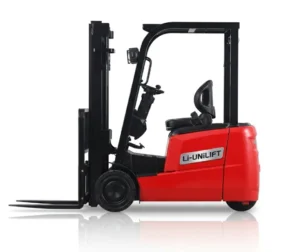
Electric Counterbalance Forklifts have become an essential material handling solution for warehouses, manufacturing plants, and logistics centers due to their zero emissions, low noise operation, and high efficiency.
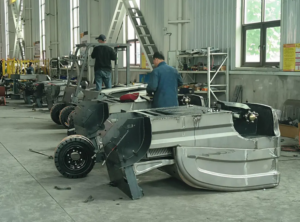
Behind every reliable electric forklift is a professional manufacturing system. The Electric Counterbalance Forklift Manufacturing Process includes multiple production stages, from raw material selection and component machining to final assembly and performance testing.
A well-controlled production process ensures that electric forklifts deliver excellent stability, safety, durability, and long-term operating performance.
What Is the Electric Counterbalance Forklift Manufacturing Process?
The Electric Counterbalance Forklift Manufacturing Process refers to the complete factory production procedure used to build electric counterbalance forklifts.A professional Electric Counterbalance Forklift Production Process usually includes:
- Steel structure manufacturing
- Component machining
- Welding and painting
- Electrical system installation
- Battery integration
- Vehicle assembly
- Quality inspection and testing
Further Reading: Forklift Manufacturing Process Explained: How long does it take to manufacture an electric counterbalance forklift?
Step 1: Raw Material Selection and Component Preparation
The first stage of the Electric Forklift Components Manufacturing process is selecting high-quality materials and preparing key components.Main materials and components include:
- High-strength steel for chassis and mast structures
- Lithium battery systems
- Drive motors
- Hydraulic components
- Controllers and electrical parts
High-quality materials improve structural strength and allow the forklift to operate safely under heavy working conditions.
Step 2: Chassis Manufacturing and Welding Process
The chassis is one of the most important structures of an electric counterbalance forklift.During the Electric Counterbalance Forklift Production Process, manufacturers use advanced machining and welding technologies to produce a strong and stable frame.
Main manufacturing procedures include:
- CNC steel plate cutting
- Precision bending
- Robotic welding
- Surface treatment
- Strength inspection
A reinforced chassis improves vehicle stability and supports long-term heavy-duty operations.
Step 3: Mast and Hydraulic System Manufacturing
The mast system is responsible for lifting and lowering loads.
During the Electric Forklift Manufacturing Workflow, manufacturers carefully process mast components and hydraulic systems.
The production process includes:
- Mast frame fabrication
- Hydraulic cylinder installation
- Hydraulic pipeline assembly
- Lifting performance testing
A reliable hydraulic system ensures smooth lifting operations and accurate load handling.
Step 4: Electrical System and Battery Installation
Modern electric forklifts rely on advanced electrical technologies to achieve efficient operation.
During the Electric Counterbalance Forklift Assembly Process, technicians install:
- Lithium-ion battery packs
- Battery Management System (BMS)
- AC drive motors
- Controllers
- Electrical wiring systems
Lithium battery technology provides longer working hours, faster charging performance, and lower maintenance requirements compared with traditional power systems.
Step 5: Complete Electric Forklift Assembly Line Process
After individual components are manufactured, the forklift enters the final assembly stage.
The Electric Forklift Factory Production Line usually includes:
- Chassis installation
- Drive system assembly
- Hydraulic system connection
- Battery installation
- Mast installation
- Operator control system assembly
- Complete vehicle adjustment
Professional assembly lines help improve production efficiency and ensure consistent product quality.
Step 6: Electric Counterbalance Forklift Quality Control and Testing
Quality inspection is a critical part of the Electric Counterbalance Forklift Quality Control process.Before delivery, each forklift should pass multiple tests:
Load Testing
Checks whether the forklift can safely handle rated loads.
Driving Performance Testing
Driving performance testing evaluates acceleration, braking performance, and steering stability.
Hydraulic Testing
Ensures smooth lifting and lowering operations.
Battery Performance Testing
Battery performance testing checks charging efficiency, battery protection functions, and operating duration to ensure reliable forklift performance in real working environments.
Advanced Manufacturing Technology Used in Electric Forklift Production
Modern manufacturers use advanced technologies during the Industrial Electric Forklift Manufacturing Process.Common technologies include:
CNC Machining
Improves component accuracy and production consistency.
Robotic Welding
Provides stronger welding quality and reduces manufacturing errors.
Automated Assembly
Improves production efficiency and ensures standardized manufacturing.
Intelligent Testing Equipment
Helps monitor forklift performance before shipment.
Further Reading: Inside UNILIFT-MHE: The Three Core Stages of Electric Forklift Production
Why Choose UNILIFT-mhe as Electric Counterbalance Forklift Manufacturer?
Choosing an experienced supplier with a complete Electric Counterbalance Forklift Manufacturing Guide system provides several advantages:
Stable Product Quality
Professional factories use strict quality control systems to ensure every forklift meets performance requirements.
OEM and ODM Capability
Manufacturers can customize:
- Load capacity
- Battery type
- Mast height
- Vehicle configuration
Advanced Production Ability
A mature factory production system ensures faster delivery and reliable product consistency.
Global Support
Professional manufacturers provide spare parts supply and technical support for international customers.
Conclusion
The Electric Counterbalance Forklift Manufacturing Process involves multiple professional stages, including material selection, component manufacturing, assembly, and performance testing.
A reliable Electric Counterbalance Forklift Production Process ensures that forklifts achieve excellent safety, efficiency, and durability.For businesses looking for high-performance warehouse equipment, choosing an experienced Electric Forklift Manufacturer with advanced production capabilities is essential for long-term operational success.Contact us for more information,or you can visit our news center.