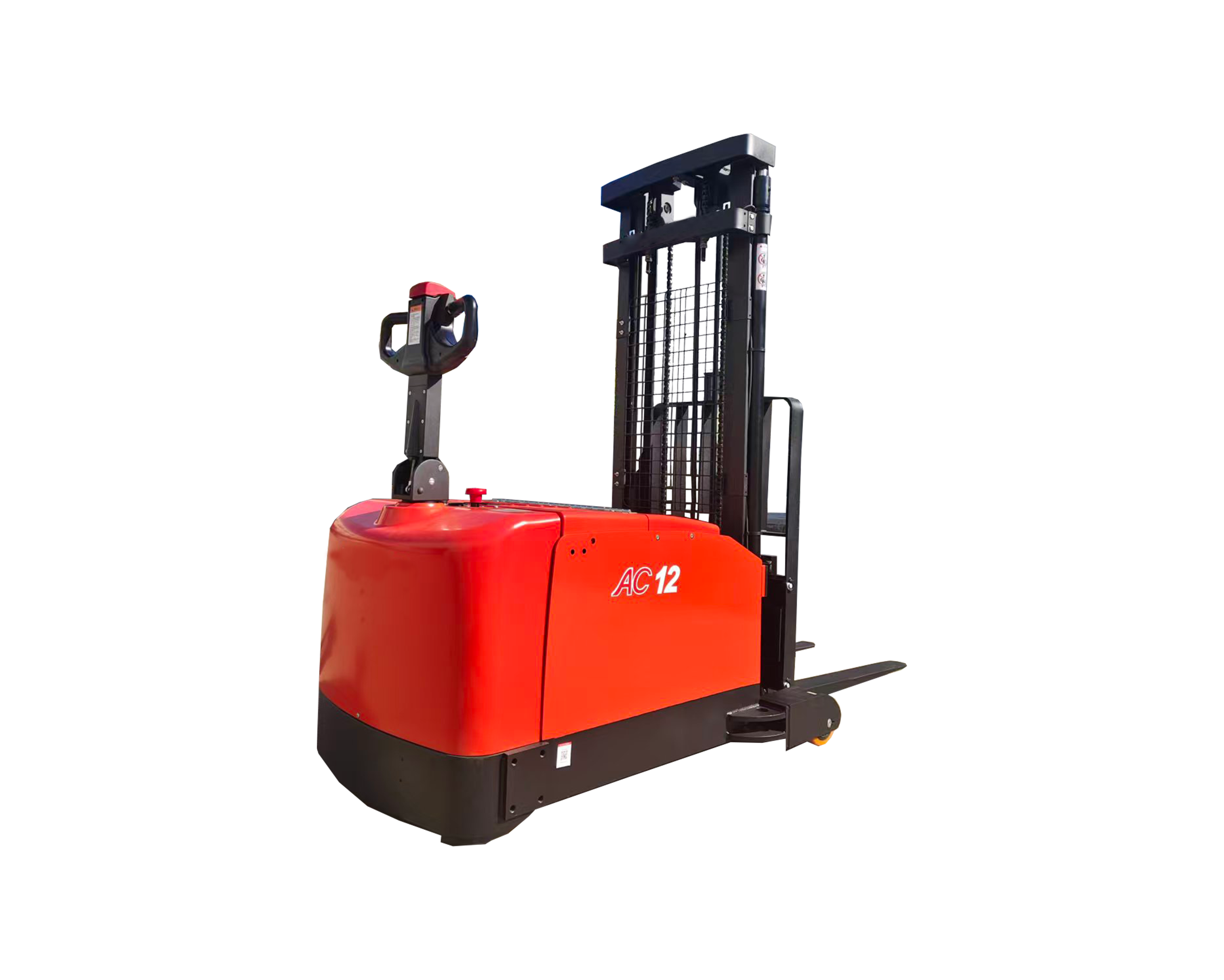
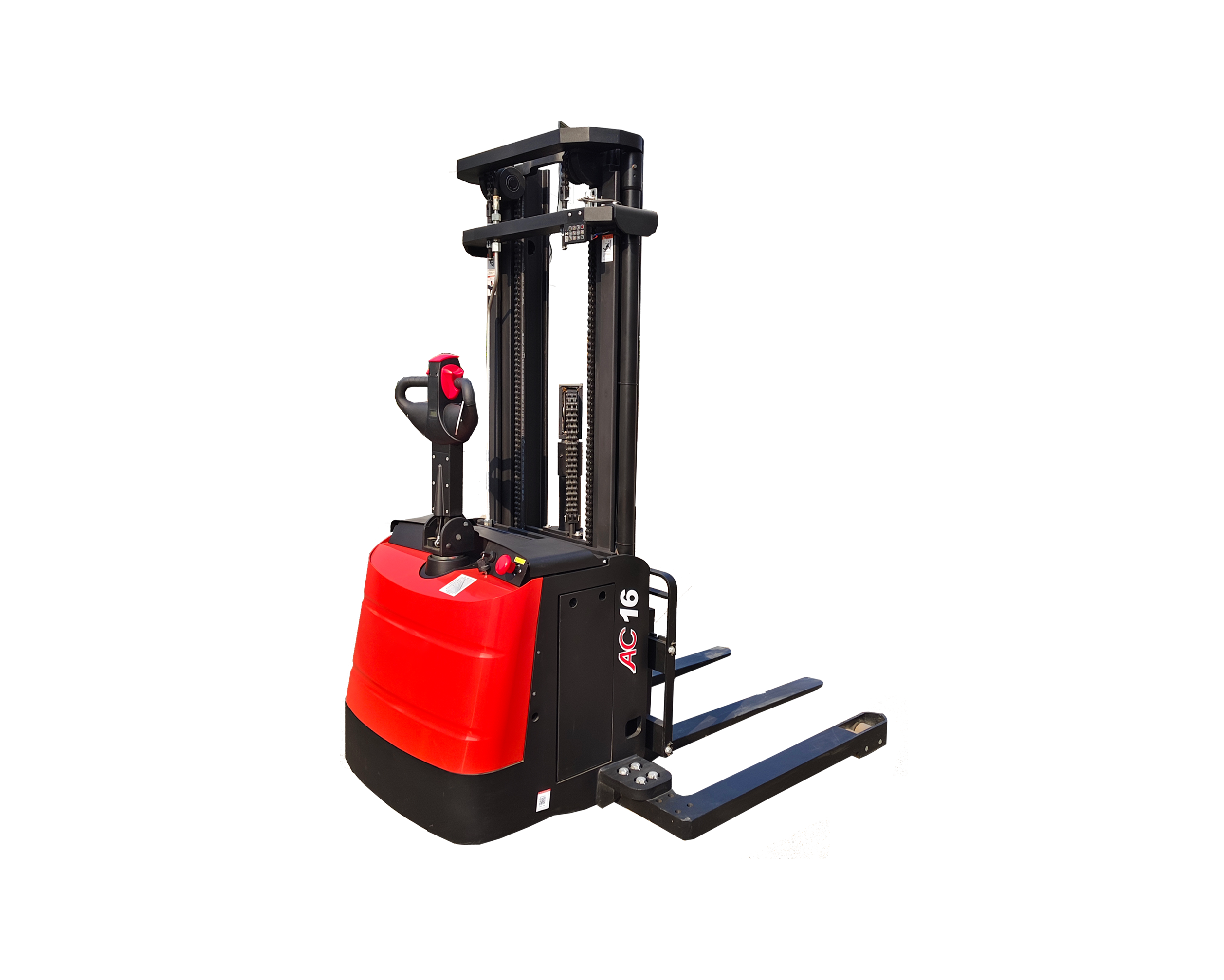
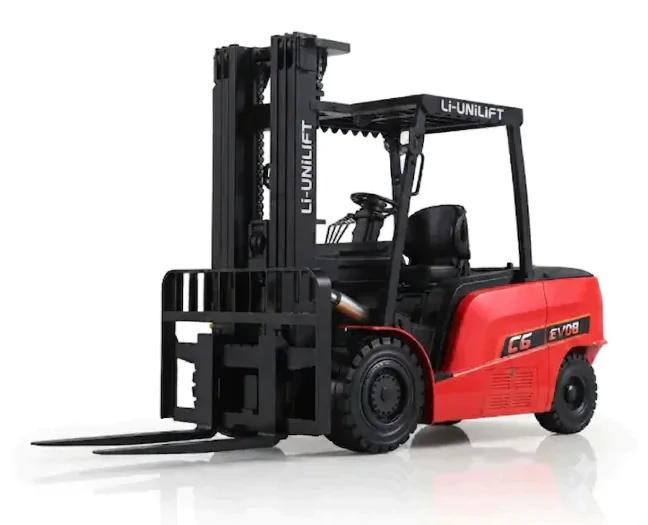
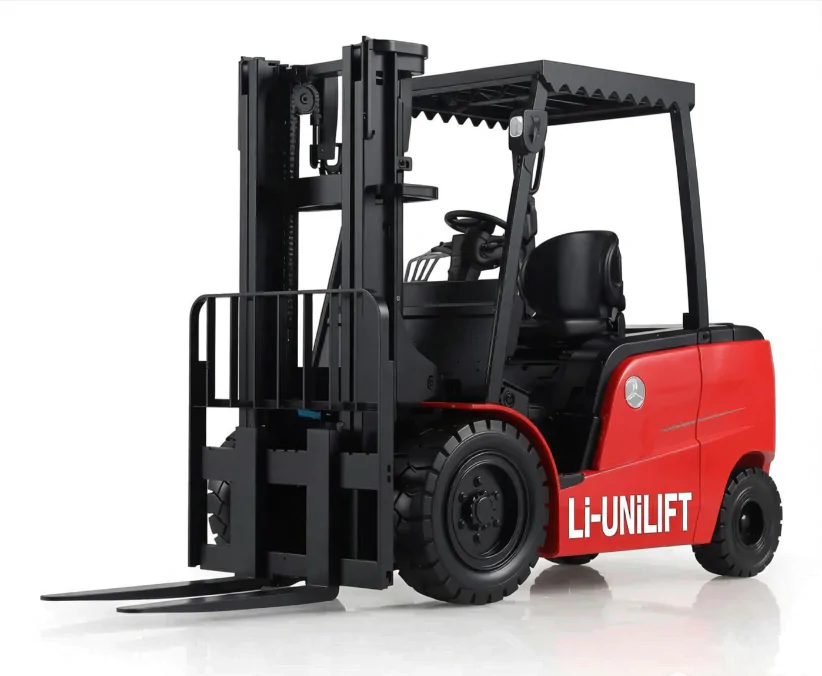
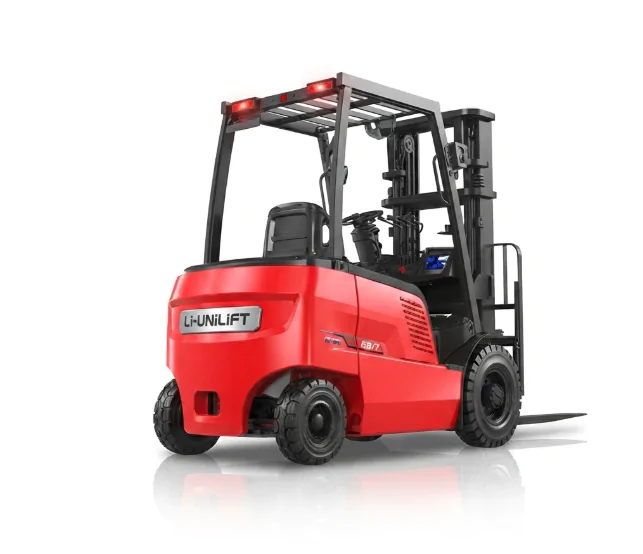
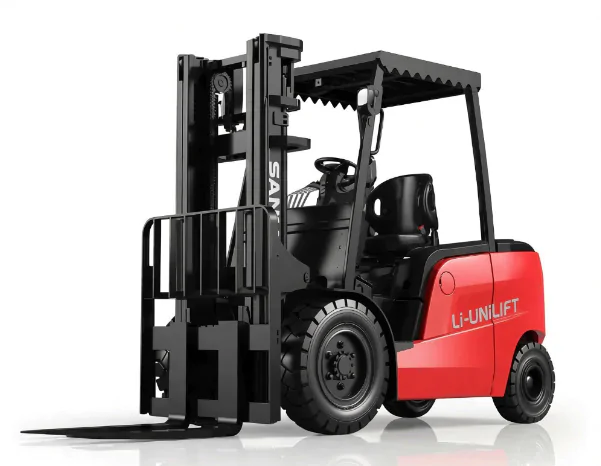
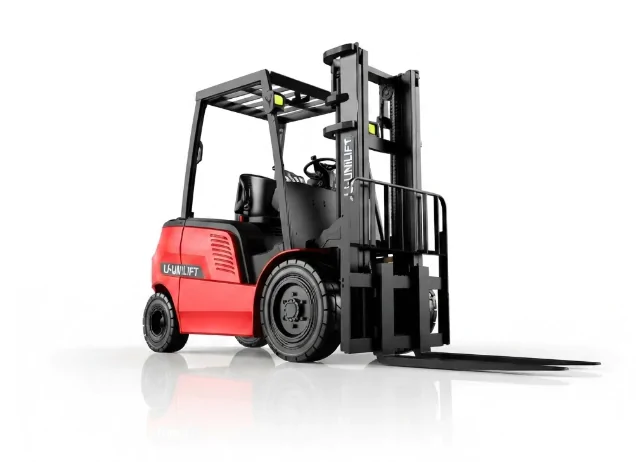
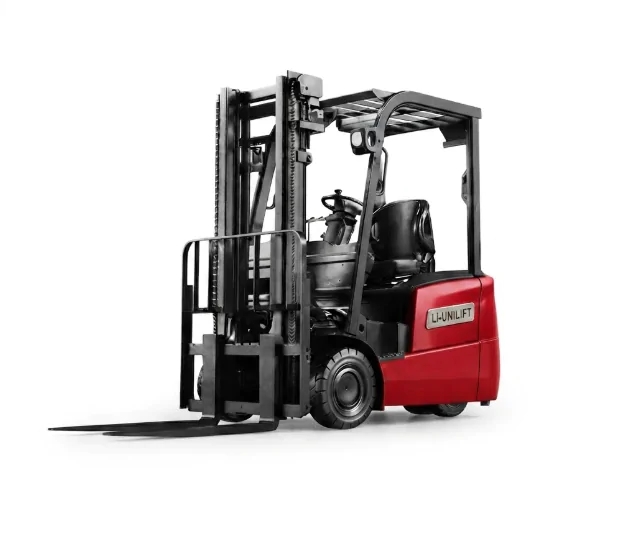
Modern warehouses rely on efficient material handling equipment to manage increasing order volumes, reduce travel time, and improve picking productivity. Among these solutions, electric order pickers are designed to help operators access individual products from storage locations at different heights.
Understanding electric order picker operation helps warehouse teams use the equipment correctly, recognize the function of its major systems, and develop safer and more efficient picking procedures. Proper equipment knowledge can also help reduce operating errors, improve productivity, and support better warehouse management.
This guide explains what an electric order picker is, how its main systems work together, how operators should use the equipment, and which common mistakes should be avoided.
What Is an Electric Order Picker?
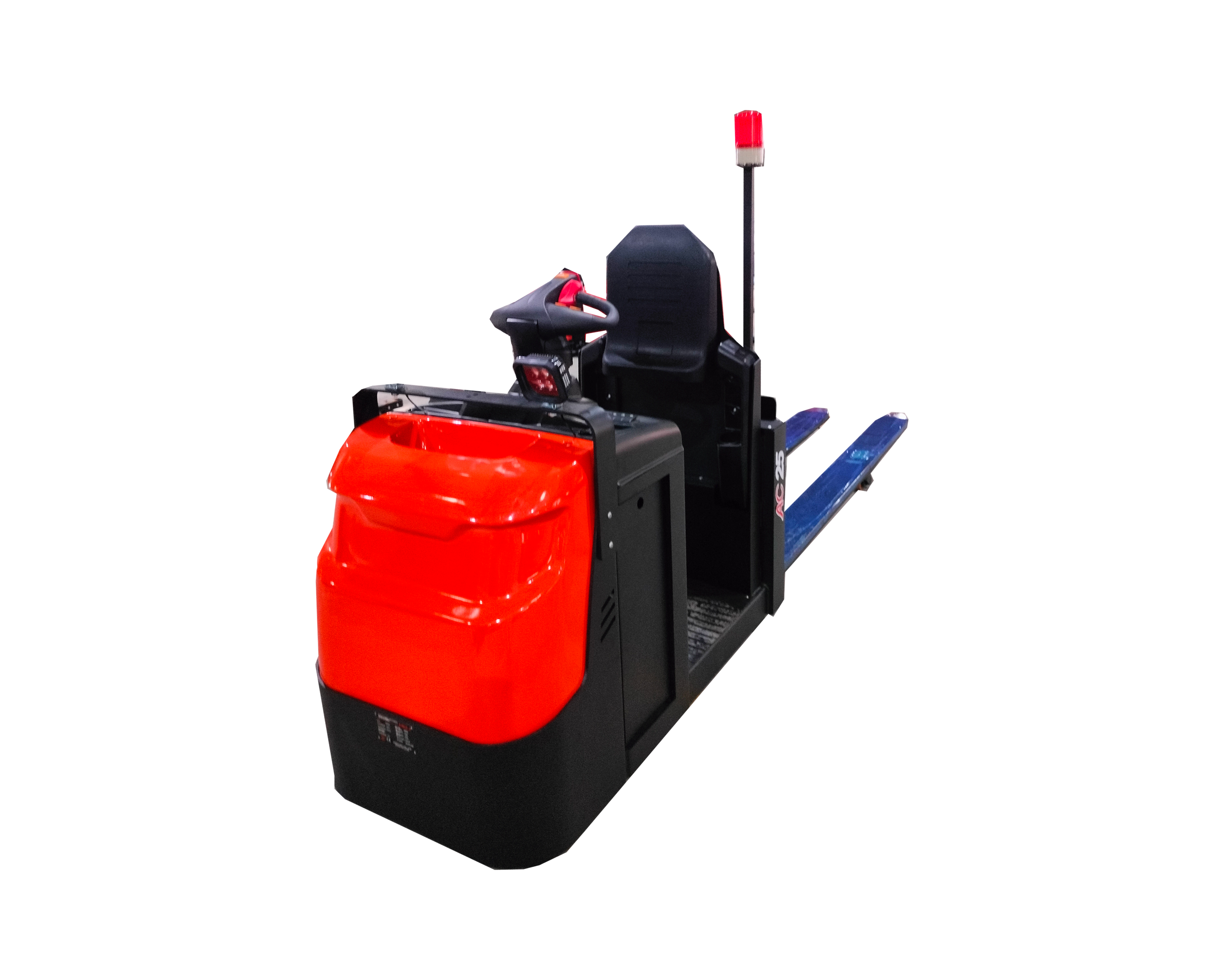
An electric order picker is a battery-powered warehouse vehicle designed to help operators pick individual products directly from storage racks. Depending on the model, the operator platform or forks can be raised to provide access to products stored at different heights.
Unlike conventional forklifts that are primarily designed to transport palletized loads, order pickers are specifically developed for piece-picking applications where operators need to access products directly from shelving or racking.
The main functions of an electric order picker include:
- Accessing products at different storage levels
- Supporting manual picking operations
- Moving operators and picked goods through warehouse aisles
- Improving picking efficiency
- Reducing unnecessary walking and manual handling
- Supporting organized order fulfillment
For businesses evaluating warehouse equipment, understanding the capabilities of an electric order picker can help determine whether this equipment is suitable for their picking requirements.
How Does an Electric Order Picker Work?
An electric order picker combines an electric power system, drive system, lifting mechanism, control system, and safety components to perform picking tasks.
The exact configuration varies by model. Low-level order pickers may be designed primarily for ground-level picking, while higher-level models can raise the operator platform or working area to access elevated storage locations.
Main Components of an Electric Order Picker
Understanding the main components makes it easier to understand how the machine operates and how each system contributes to warehouse performance.
Power System
The power system provides the energy required for travel, lifting, and other electrical functions.
A typical electric order picker may include:
- Battery
- Electric drive motor
- Charging system
- Electrical controller
- Wiring and electrical protection components
Lithium-ion battery systems are increasingly used in warehouse equipment because they can support frequent operation and opportunity charging when the equipment is designed for this application.
Drive System
The drive system converts electrical energy into controlled vehicle movement.
The operator uses the travel controls to:
- Move forward and backward
- Control travel speed
- Stop the machine
- Maneuver through warehouse aisles
Smooth acceleration and controlled travel are particularly important when operating in narrow aisles or around pedestrians and other equipment.
Lifting System
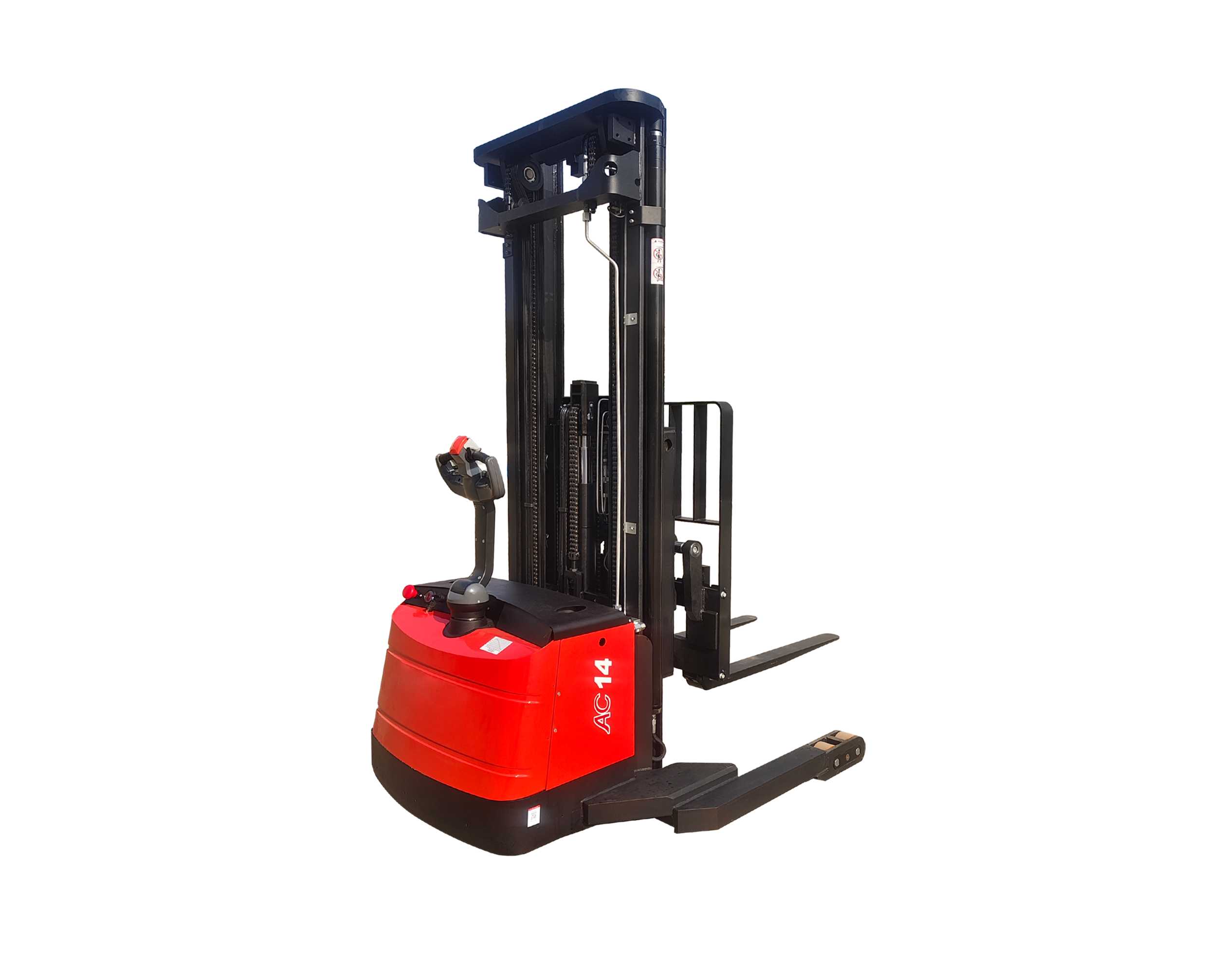
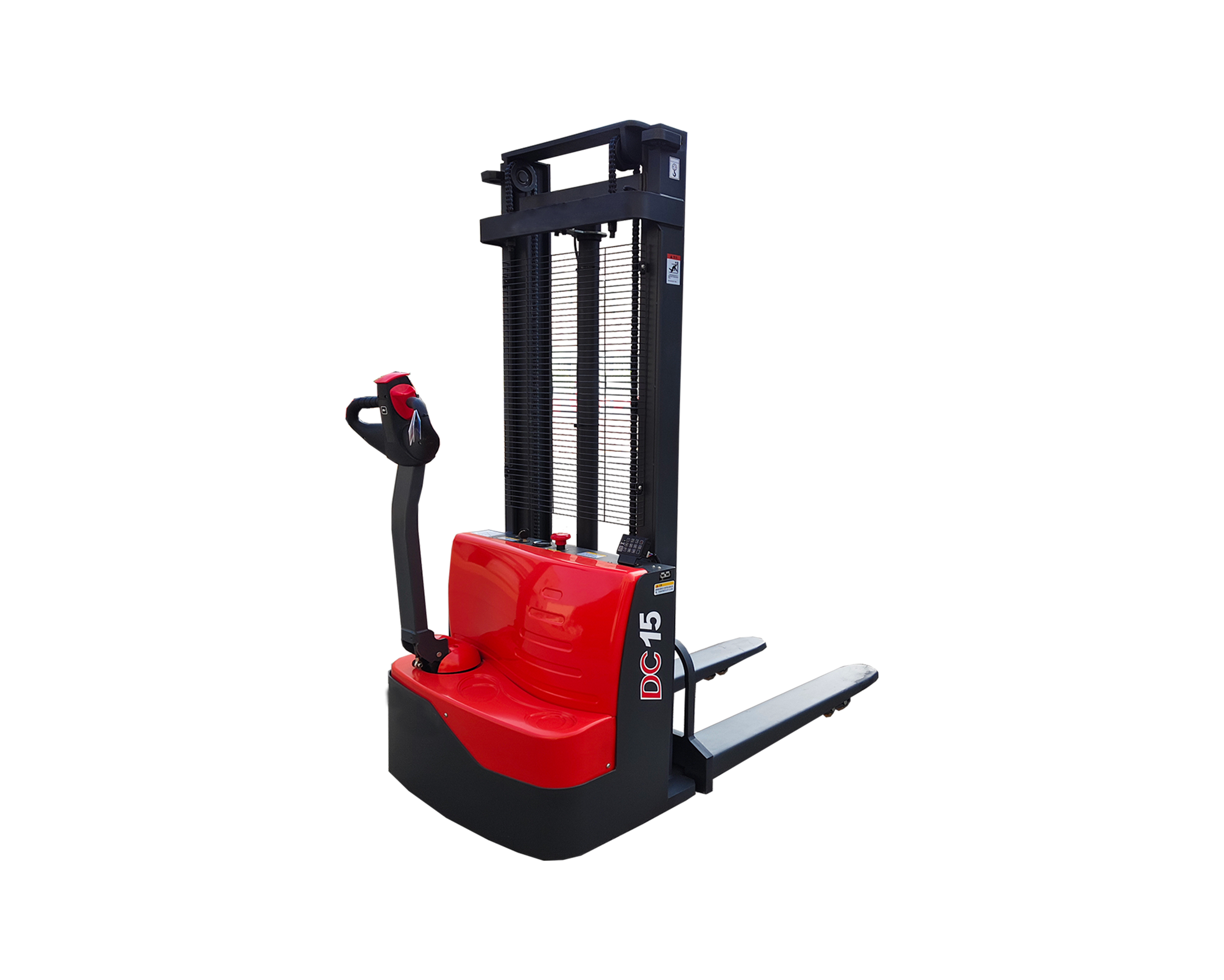
Depending on the model, the lifting system allows the operator platform or load-handling components to reach the required working height.
Key components may include:
- Mast
- Hydraulic or electric lifting mechanism
- Lifting platform
- Forks or load-supporting structure
- Chains or lifting components
- Safety protection structure
The lifting system must be used within the equipment’s rated capacity and specified operating range.
Control System
The control system allows the operator to manage travel, lifting, braking, and other equipment functions.
Typical controls may include:
- Travel controls
- Lift and lower controls
- Speed adjustment
- Emergency stop
- Horn
- Safety switches
- Battery or system indicators
The exact control layout depends on the equipment model, so operators should always follow the manufacturer’s operating instructions.
The Basic Working Principle
The basic working sequence of an electric order picker can be understood as a coordinated process between the power, drive, lifting, and control systems.
A typical picking cycle includes:
- The battery supplies electrical energy to the vehicle systems.
- The operator activates the travel controls to move toward the required storage location.
- The drive system provides controlled movement through the warehouse aisle.
- The operator stops at the designated picking position.
- The lifting system raises the working platform or load-handling structure when elevated access is required.
- The operator retrieves the required products from the storage location.
- The picked goods are placed in the designated load area or picking container.
- The platform is lowered when required, and the machine travels to the next picking location.
This coordinated process allows operators to move efficiently between storage locations while accessing products at the appropriate working height.
How to Operate an Electric Order Picker Safely
Correct operation is essential for both productivity and workplace safety. Operators should receive appropriate training and follow the manufacturer’s instructions and applicable workplace safety requirements.
Complete Pre-Operation Checks
Before using the machine, operators should inspect important functions and components.
Check:
- Battery condition
- Wheels and tires
- Forks and load-supporting components
- Mast and lifting system
- Steering and travel controls
- Braking function
- Emergency stop
- Horn and warning indicators
- Safety switches and protective devices
If a safety-related defect or abnormal condition is identified, the equipment should not be used until the problem has been properly assessed.
Control Travel Speed
Operators should select an appropriate travel speed according to aisle width, floor conditions, visibility, traffic, and load conditions.
Avoid sudden acceleration, sharp turns, or abrupt braking, particularly when carrying goods or operating in areas with pedestrians.
Use the Lifting Function Correctly
When the equipment is designed for elevated picking, operators should follow the manufacturer’s requirements for platform height, load capacity, and travel.
Before raising the platform:
- Check the surrounding area
- Confirm that the machine is positioned correctly
- Ensure the load is within the rated capacity
- Make sure safety devices are functioning
- Keep the work area clear
Operators should not use the equipment outside its specified operating conditions.
Handle Loads Properly
Picked products should be distributed and secured according to the equipment manufacturer’s instructions.
Avoid:
- Exceeding the rated load capacity
- Carrying unstable loads
- Blocking the operator’s visibility
- Handling damaged or improperly packaged goods
- Allowing loads to extend beyond permitted limits
Proper load handling helps maintain stability and reduces the risk of dropped products.
How an Order Picker Improves Warehouse Picking
An electric order picker can support warehouse productivity by reducing unnecessary walking and allowing operators to access products directly from designated storage locations.
Depending on the warehouse layout, businesses can use order pickers to:
- Reduce picking travel time
- Access products at different rack levels
- Organize picking routes
- Improve operator productivity
- Support high-frequency piece picking
- Reduce unnecessary manual movement
However, equipment alone does not determine warehouse efficiency. Storage layout, slotting strategy, order batching, inventory accuracy, operator training, and picking routes also have a significant effect on overall productivity.
Common Mistakes When Operating an Order Picker
Even trained operators should avoid several common operating mistakes.
Exceeding the Rated Capacity
Exceeding the manufacturer’s rated capacity can affect equipment stability and place excessive loads on lifting and structural components.
Traveling Too Fast
Excessive speed can reduce the operator’s reaction time and increase the risk of collisions, especially in narrow aisles or areas with pedestrian traffic.
Ignoring Safety Devices
Emergency stops, warning systems, protective structures, and other safety devices should never be bypassed or ignored.
Operating Without Pre-Use Inspection
Skipping daily checks can allow damaged wheels, low battery condition, control problems, or other defects to remain unnoticed.
Using Incorrect Charging Procedures
Improper charging can affect battery performance and service life. Operators should follow the battery and equipment manufacturer’s charging requirements.
Lifting or Handling Improper Loads
Unstable, oversized, or improperly positioned products can increase operational risks and reduce picking efficiency.
Maintenance and Operator Training
Safe and reliable operation depends on both equipment condition and operator knowledge.
Regular maintenance should cover the components and systems specified by the manufacturer, including:
- Battery and charging system
- Drive components
- Wheels
- Braking system
- Steering system
- Lifting mechanism
- Hydraulic components, where applicable
- Electrical connections
- Safety devices
Operators should also receive training covering equipment controls, pre-use inspections, load handling, emergency procedures, and site-specific traffic rules.
For additional workplace safety information, businesses can refer to the OSHA requirements for powered industrial trucks.
Choosing the Right Order Picker for Your Warehouse
Before purchasing an order picker, businesses should evaluate their actual application requirements.
Important selection factors include:
- Required picking height
- Rated load capacity
- Low-level or elevated picking requirements
- Aisle width
- Battery type
- Operating hours per shift
- Floor conditions
- Warehouse layout
- Operator requirements
- Charging infrastructure
- Safety features
For example, a low-level order picker may be appropriate for warehouses where most products are stored near floor level, while an elevated model may be more suitable when operators frequently need to access higher rack positions.
Selecting equipment according to the actual application can improve productivity while avoiding unnecessary equipment costs.
Conclusion
Understanding electric order picker operation gives warehouse teams a clearer view of how the power, drive, lifting, control, and safety systems work together during picking tasks.
Correct operation starts with pre-use inspection and operator training and continues with appropriate travel speed, proper load handling, safe lifting practices, and regular maintenance.
For warehouses that perform frequent piece picking from shelving or racking, an electric order picker can provide a practical way to improve access to products and streamline daily material handling operations. The right equipment configuration, combined with proper training and warehouse planning, can help businesses achieve safer and more efficient picking workflows.
Follow UNILIFT MHE for More Material Handling Insights
Stay connected with UNILIFT MHE for the latest updates on electric pallet trucks, electric stackers, electric tuggers, warehouse equipment, material handling solutions, and industry insights. Follow our social media channels to discover new products, application scenarios, company updates, and practical information for modern warehouse and logistics operations.
Explore reliable electric pallet trucks, electric stackers, and material handling solutions at Unilift MHE.
If you would like to contact us, please click here.
If you would like to learn more about our news, please click here.
Facebook: Follow UNILIFT MHE on Facebook
TikTok: Follow UNILIFT MHE on TikTok
Instagram: Follow UNILIFT MHE on Instagram
X: Follow UNILIFT MHE on X
Pinterest: Explore UNILIFT MHE on Pinterest
LinkedIn: Connect with UNILIFT MHE on LinkedIn