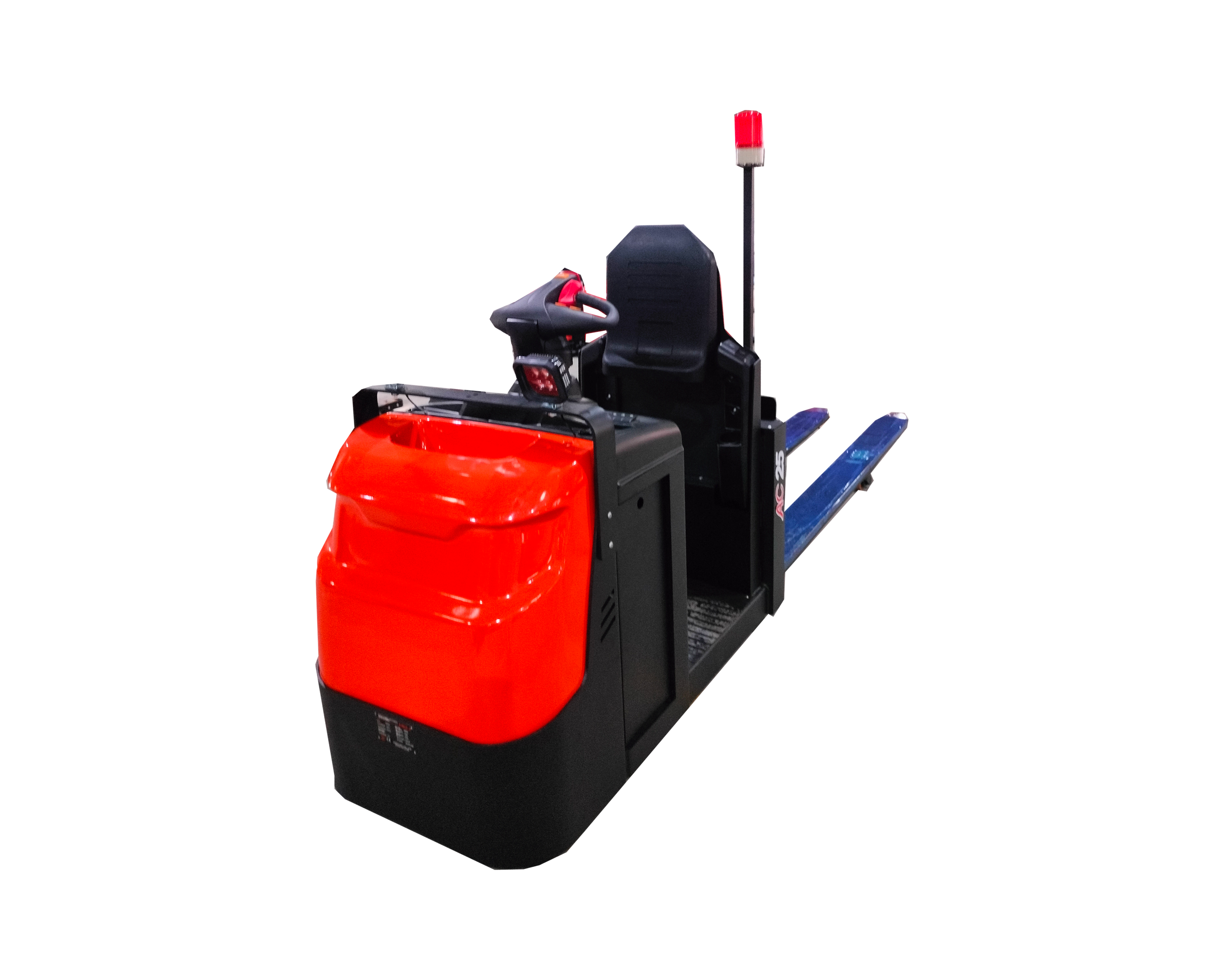
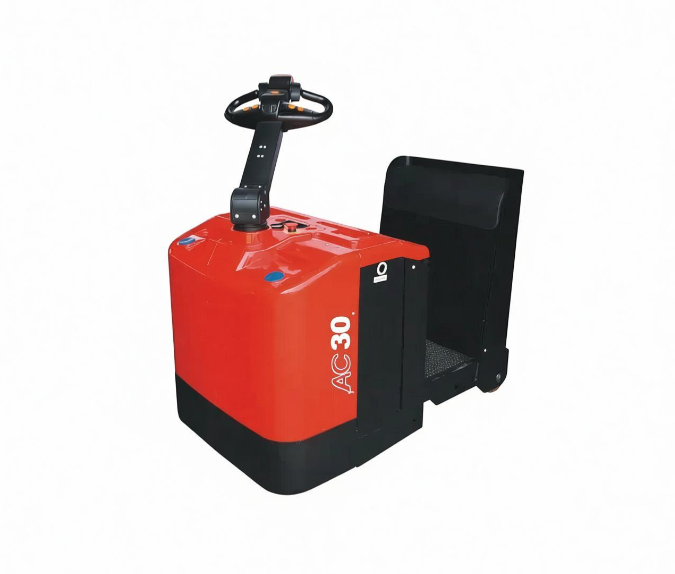
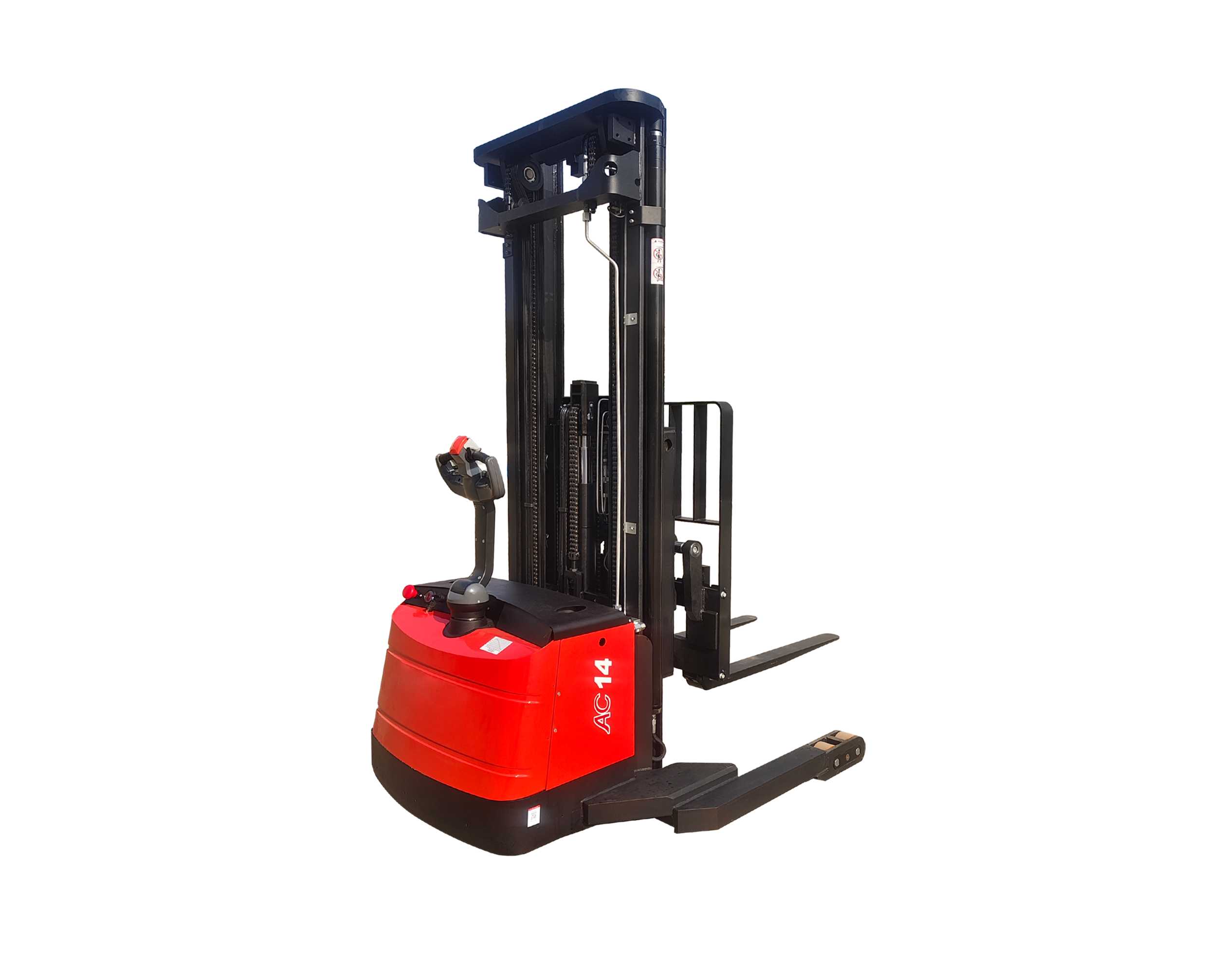
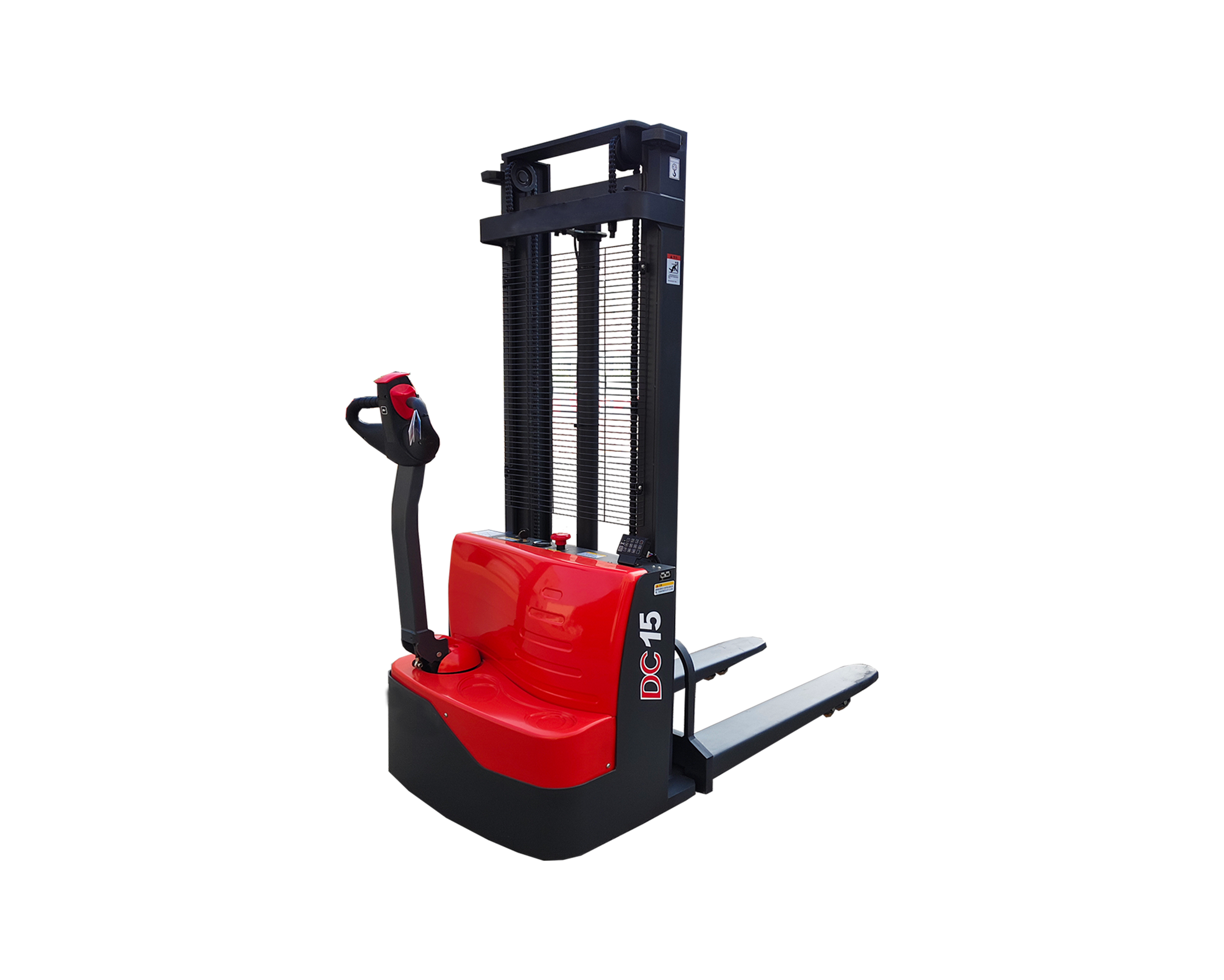
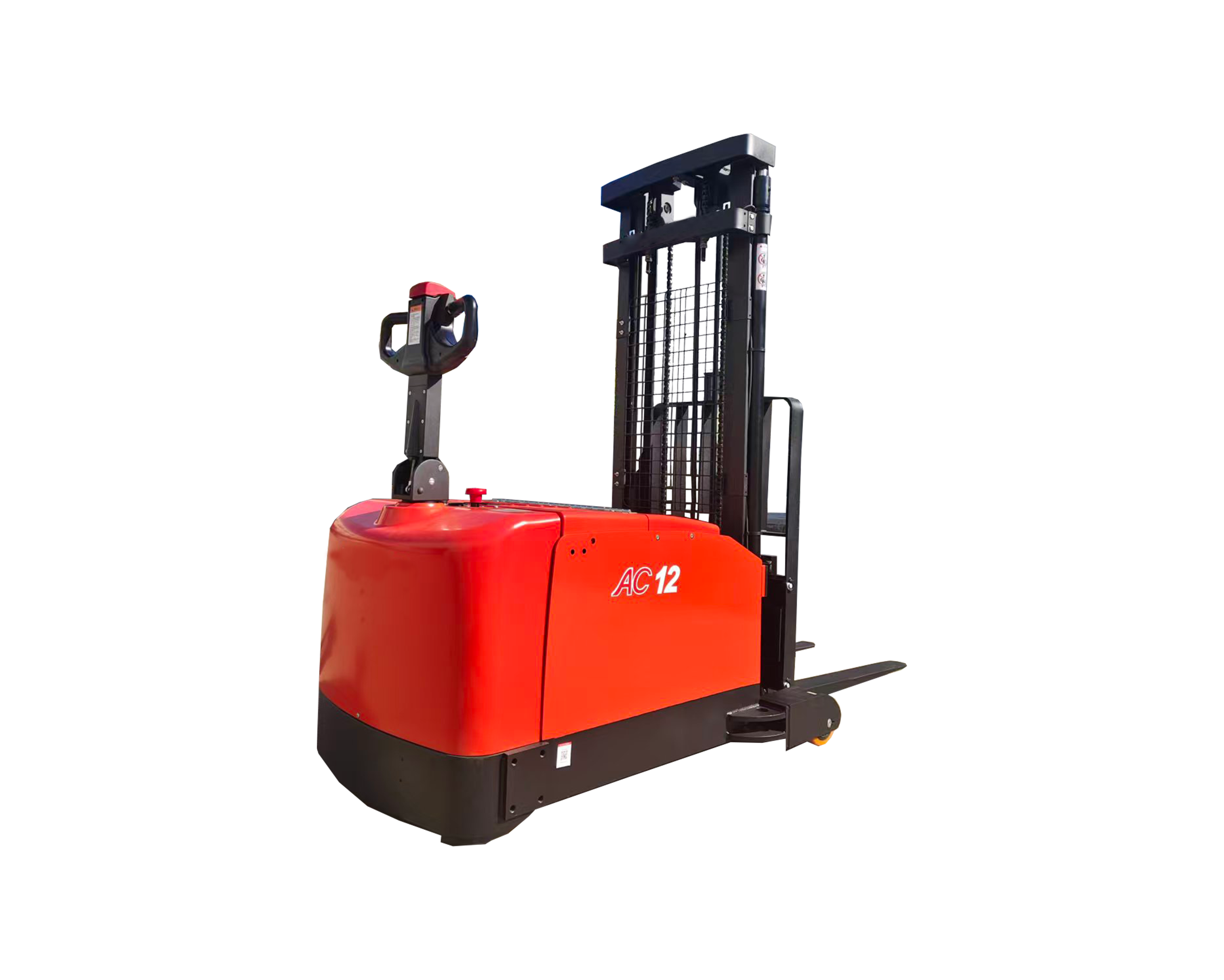
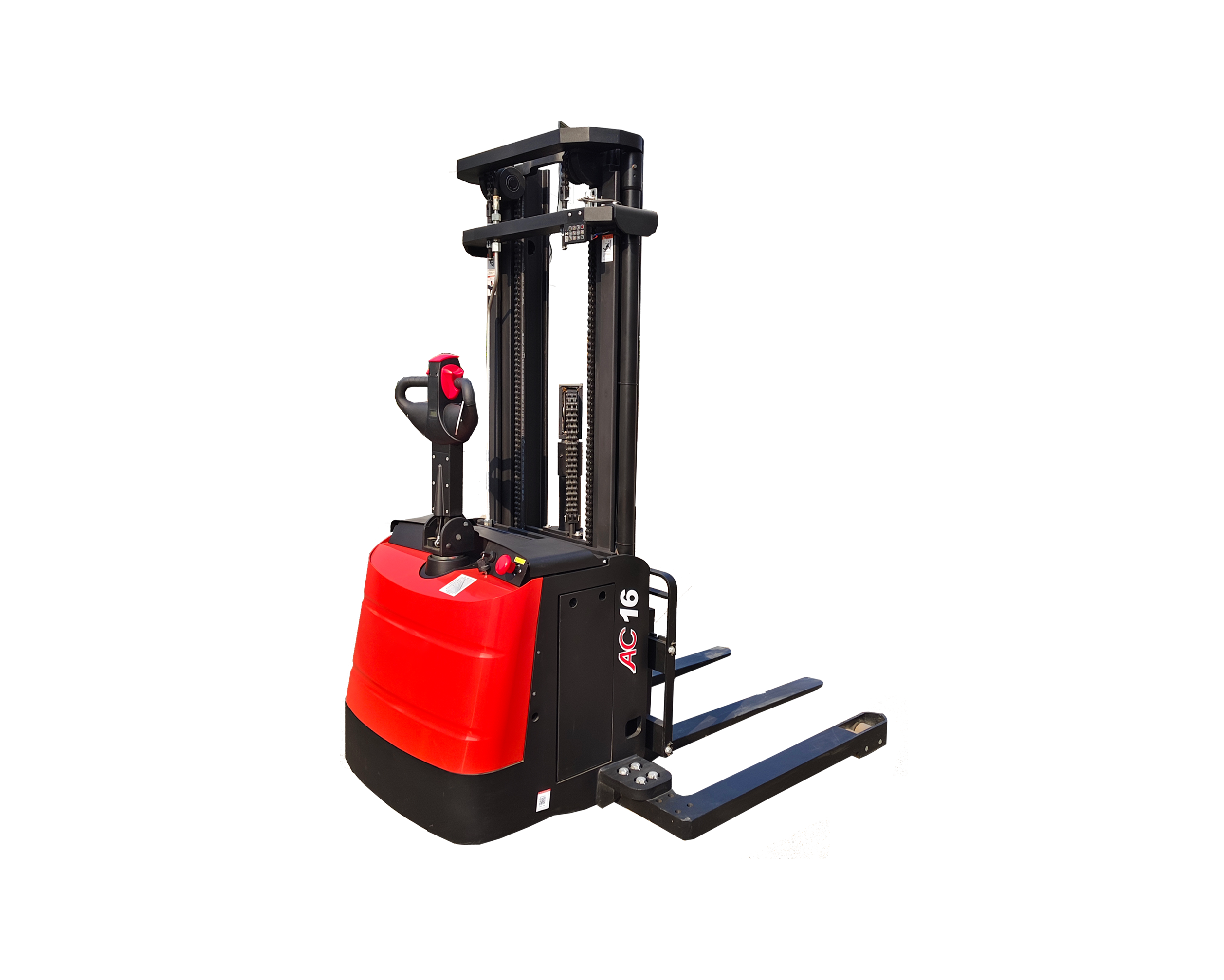
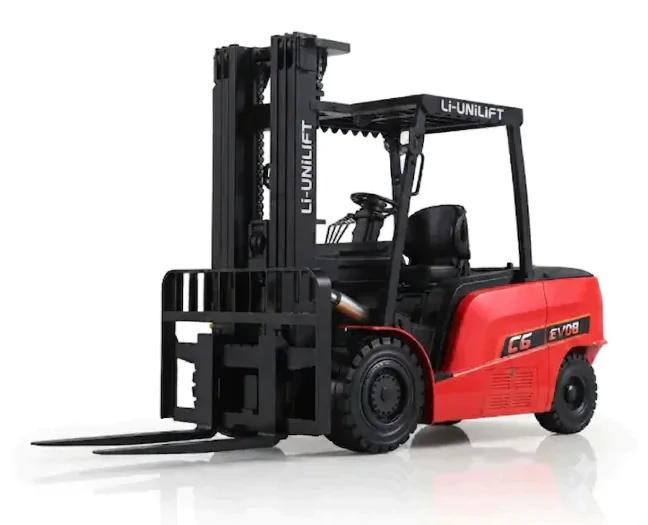
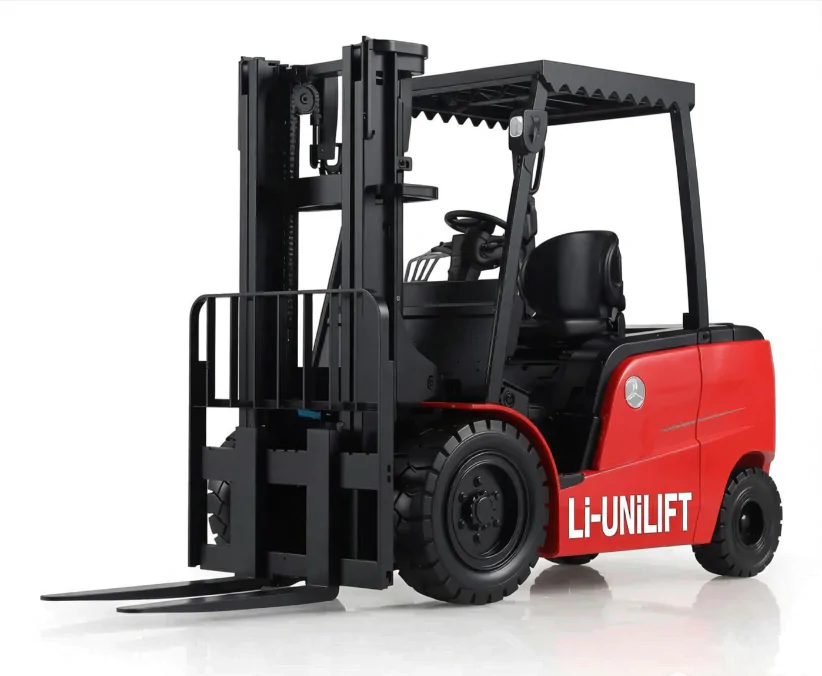
Electric pallet jacks are widely used in warehouses, distribution centers, manufacturing facilities, and logistics operations to move palletized loads efficiently. The Electric Pallet Jack Lift System is one of the most important systems in this equipment because it controls how the forks raise, hold, and lower a pallet.
Understanding how an electric pallet jack lift system works helps operators recognize the function of the battery, electric motor, hydraulic pump, hydraulic cylinder, valves, and fork assembly. It also makes it easier to identify common lifting problems and perform basic maintenance before minor issues lead to equipment downtime.
In this guide, we explain the main components of an electric pallet jack lifting system, how the lifting process works step by step, common lifting problems, and practical maintenance procedures for maintaining reliable performance.
What Is an Electric Pallet Jack Lift System?
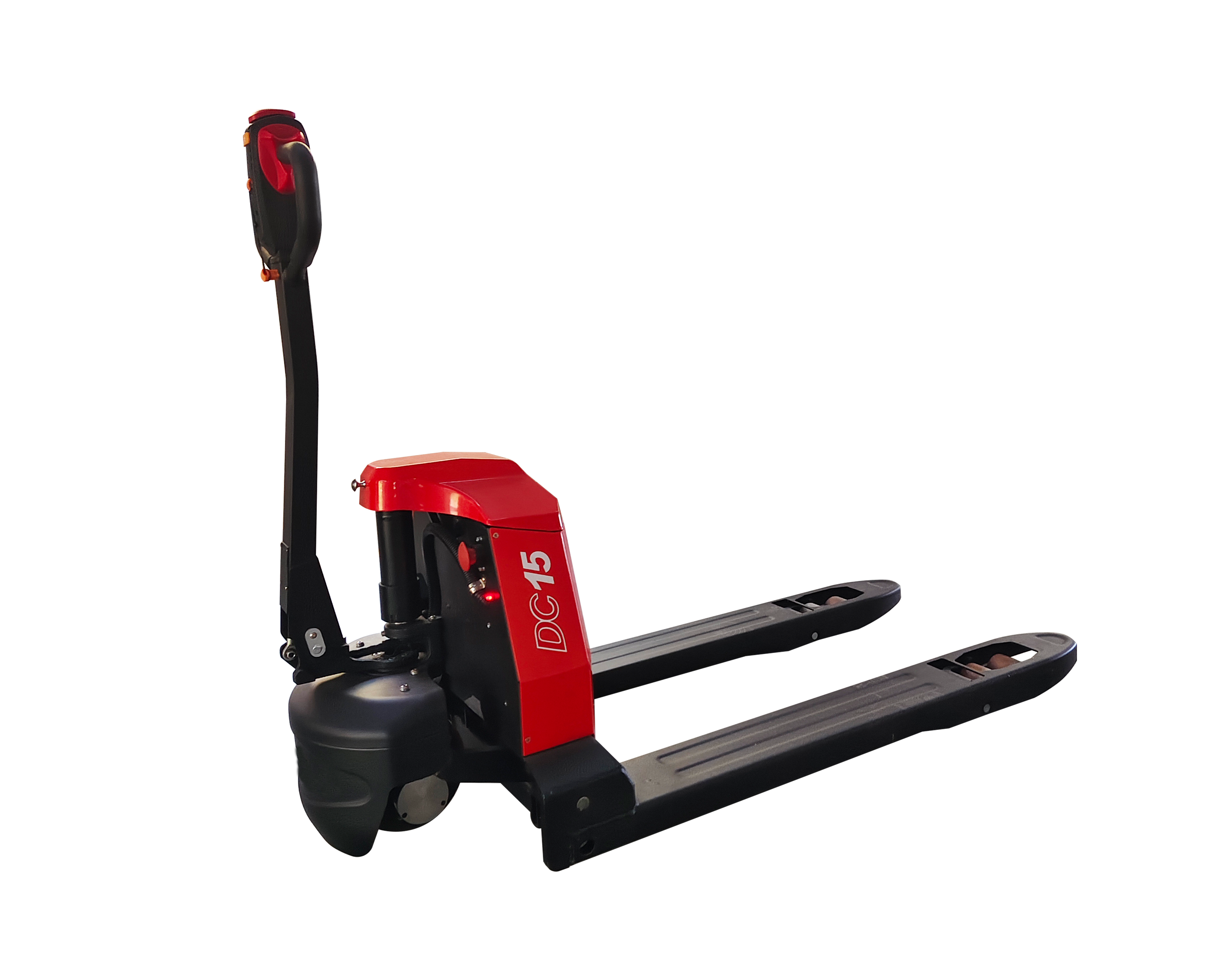
An Electric Pallet Jack Lift System is the integrated mechanism that raises and lowers the forks used to support and handle palletized loads.
Unlike a manual pallet jack, which requires the operator to pump the handle to generate hydraulic pressure, an electric pallet jack uses battery power and an electric motor to drive the hydraulic lifting system.
A typical electric pallet jack lifting system consists of:
- Battery
- Electric motor
- Hydraulic pump
- Hydraulic oil reservoir
- Hydraulic cylinder
- Hydraulic control valve
- Controller and electrical controls
- Fork assembly
- Related mechanical lifting components
These components work together to convert electrical energy into controlled hydraulic and mechanical movement.
When the operator activates the lifting control, the electrical system commands the lifting motor to operate. The motor drives the hydraulic pump, which generates hydraulic flow and pressure. The hydraulic cylinder then converts this pressure into linear movement that raises the forks.
Main Components of an Electric Pallet Jack Lift System
Battery
The battery provides the electrical energy required to operate the electric pallet jack.
Depending on the equipment design, the battery may be a lead-acid or lithium-ion battery system. Battery condition can directly affect the performance of electrically powered functions, including hydraulic lifting.
A battery with insufficient charge, reduced capacity, or poor electrical connections may cause:
- Slow lifting
- Reduced lifting performance
- Shorter operating time
- Intermittent operation
Regular battery inspection is therefore an important part of electric pallet jack maintenance.
Electric Motor
The electric motor converts electrical energy from the battery into mechanical power.
During lifting, the motor drives the hydraulic pump. The motor and pump therefore work together to generate the hydraulic power required to raise the forks.
If the motor cannot operate correctly, the hydraulic pump may not generate sufficient flow or pressure for normal lifting.
Hydraulic Pump
The hydraulic pump is a key component of the lifting system.
Its main functions are to:
- Circulate hydraulic oil
- Generate hydraulic flow
- Build the pressure required by the lifting circuit
- Supply hydraulic fluid to the lifting cylinder
A hydraulic pump that is worn, damaged, or not receiving sufficient power may cause slow or weak lifting.
Hydraulic Oil
Hydraulic oil transfers energy through the hydraulic circuit.
The oil must be maintained at the correct level and kept within the manufacturer’s specified condition and specification.
Problems such as low oil level, contamination, or leakage can affect lifting performance.
Hydraulic Cylinder
The hydraulic cylinder converts hydraulic pressure into mechanical movement.
When pressurized hydraulic oil enters the cylinder, it moves the piston. This movement is transferred through the lifting structure to raise the forks.
The cylinder therefore plays a central role in converting hydraulic energy into vertical fork movement.
Hydraulic Control Valve
The hydraulic valve controls the movement of hydraulic fluid within the lifting circuit.
Depending on the equipment design, the hydraulic control system regulates functions such as:
- Lifting
- Lowering
- Hydraulic flow
- Pressure control
A valve problem can cause slow lifting, uncontrolled lowering, or other abnormal lifting behavior.
Fork Assembly
The forks directly support the pallet and its load.
Forks must be correctly designed and rated for the intended load capacity and load center of the equipment.
Operators should regularly inspect forks for:
- Bending
- Cracks
- Excessive wear
- Deformation
- Other visible damage
Damaged forks should not be used until they have been properly inspected and repaired or replaced as required.
How Does an Electric Pallet Jack Lift a Pallet?
The lifting process of an electric pallet jack can be understood as a sequence of electrical, hydraulic, and mechanical actions.
Step 1: The Operator Activates the Lift Control
The operator presses or activates the lifting control on the tiller or handle.
The control signal is sent to the machine’s electrical control system.
Step 2: The Electrical System Activates the Lift Motor
The controller processes the lifting command and activates the appropriate electrical circuit.
Battery power is supplied to the motor responsible for driving the hydraulic pump.
Step 3: The Hydraulic Pump Generates Flow and Pressure
The electric motor drives the hydraulic pump.
The pump moves hydraulic oil through the lifting circuit. The resulting hydraulic pressure provides the force required by the lifting cylinder.
Step 4: The Hydraulic Cylinder Moves
Pressurized hydraulic oil enters the hydraulic cylinder.
The piston moves as hydraulic pressure acts on the cylinder. The resulting linear movement is transferred to the lifting mechanism.
Step 5: The Forks Rise
The mechanical lifting structure transfers the cylinder movement to the forks.
The forks rise and engage with the pallet, allowing the electric pallet jack to lift the load.
The exact mechanical arrangement can vary between electric pallet jack designs, but the basic principle remains the same: battery power drives the motor, the motor drives the hydraulic pump, hydraulic pressure moves the cylinder, and the lifting mechanism raises the forks.
How the Hydraulic Lifting System Works
The hydraulic circuit is one of the most important parts of an electric pallet jack lift system.
Hydraulic Oil Stores and Transfers Energy
Hydraulic oil acts as the working medium that transfers pressure from the pump to the cylinder.
The hydraulic system depends on clean and correctly specified fluid. Contaminated oil, insufficient oil, or leaks can reduce system performance.
The Pump Generates Hydraulic Flow
The hydraulic pump receives mechanical power from the electric motor.
It moves hydraulic oil through the system and creates the flow required for lifting.
Hydraulic pressure develops when the system encounters resistance from the load and the hydraulic circuit controls the flow.
The Valve Controls Hydraulic Movement
The hydraulic valve determines how hydraulic fluid is directed during lifting and lowering.
This allows the operator to control the movement of the forks.
A malfunctioning valve can affect lifting speed, lowering behavior, or the ability of the forks to maintain their position.
The Cylinder Produces Linear Movement
The cylinder converts hydraulic energy into mechanical movement.
As hydraulic oil enters the cylinder, the piston moves and produces the force required to operate the lifting mechanism.
This combination of pump, valve, hydraulic fluid, and cylinder enables the electric pallet jack to raise and lower loads in a controlled manner.
Electric Pallet Jack Lift System vs. Manual Pallet Jack
Electric and manual pallet jacks use different methods to provide lifting and movement.
| Feature | Electric Pallet Jack | Manual Pallet Jack |
|---|---|---|
| Power source | Battery and electric system | Operator input |
| Lifting method | Electrically powered hydraulic system | Manually operated hydraulic system |
| Operator effort | Lower | Higher |
| Lifting operation | Powered | Manual |
| Typical application | Frequent pallet handling | Short-distance or lower-frequency handling |
| Productivity | Suitable for repetitive operations | More dependent on operator effort |
An electric pallet jack can reduce the physical effort required for repetitive material handling operations, particularly in warehouses where pallet movement occurs frequently throughout the working day.
Common Electric Pallet Jack Lift System Problems
Although electric pallet jacks are designed for regular industrial use, lifting performance can deteriorate when hydraulic, electrical, or mechanical components develop problems.
Hydraulic Oil Leakage
Hydraulic leakage can reduce the amount of fluid available to the lifting circuit.
Common signs include:
- Slow lifting
- Reduced lifting performance
- Visible oil around hydraulic components
- Difficulty maintaining fork position
Inspect the hydraulic reservoir, hoses, fittings, cylinder, and other hydraulic connections when leakage is suspected.
Low or Contaminated Hydraulic Oil
Insufficient or contaminated hydraulic oil can affect hydraulic system performance.
Possible symptoms include:
- Slow lifting
- Irregular lifting movement
- Hydraulic noise
- Reduced lifting force
The hydraulic fluid should be checked according to the manufacturer’s maintenance instructions.
Hydraulic Pump Problems
A worn or damaged pump may not provide the hydraulic performance required for lifting.
Possible symptoms include:
- Slow fork movement
- Weak lifting
- Abnormal hydraulic noise
- Failure to lift a normal load
Pump diagnosis should be based on appropriate inspection and testing rather than replacing the pump solely because lifting has become slower.
Battery or Electrical Problems
Electrical problems can also affect lifting performance.
Potential causes include:
- Low battery charge
- Battery degradation
- Loose connections
- Damaged wiring
- Controller problems
- Electrical protection or fault conditions
The battery and electrical system should be checked before assuming that the hydraulic system has failed.
Hydraulic Cylinder Problems
Cylinder seal damage or internal leakage can reduce lifting performance.
Possible signs include:
- Forks gradually lowering
- Reduced lifting height
- Oil leakage
- Difficulty maintaining the raised position
Cylinder problems should be inspected by qualified personnel when repair is required.
Mechanical Wear
Mechanical components can also influence lifting performance.
Inspect:
- Forks
- Lift chains
- Rollers
- Mast or guide components
- Bearings
- Mechanical connections
Excessive friction, wear, deformation, or damage can interfere with smooth fork movement.
Electric Pallet Jack Lift System Maintenance Guide
Regular maintenance helps maintain lifting reliability and can reduce unexpected downtime.
Check the Hydraulic Oil
Inspect the hydraulic system for:
- Correct oil level
- Oil condition
- Visible leakage
- Damaged hoses
- Loose fittings
Always use the hydraulic fluid specified by the equipment manufacturer.
Inspect the Hydraulic Pump and Cylinder
Check the hydraulic pump and cylinder for:
- Abnormal noise
- Oil leakage
- Unusual movement
- Visible damage
If hydraulic performance remains abnormal after basic inspection, professional testing may be required.
Maintain the Battery
Battery maintenance should follow the battery and equipment manufacturer’s instructions.
Regularly check:
- Battery condition
- Charging status
- Electrical terminals
- Connectors
- Cables
For lithium-ion batteries, use the specified charging equipment and follow the manufacturer’s charging and operating requirements.
Inspect the Forks
Forks are load-bearing components and should be inspected regularly.
Check for:
- Cracks
- Bending
- Deformation
- Excessive wear
- Damage around the fork heel
Never continue using forks that show serious structural damage.
Inspect Mechanical Lifting Components
Depending on the equipment design, inspect:
- Lift chains
- Rollers
- Guide components
- Bearings
- Fasteners
- Lubrication points
Lubricate components only according to the manufacturer’s maintenance requirements.
Follow a Preventive Maintenance Schedule
A preventive maintenance program should combine operator inspections with scheduled professional maintenance.
Daily or pre-use checks can identify visible leaks, damaged forks, unusual noises, or abnormal operation.
Periodic maintenance can include more detailed inspections of hydraulic, electrical, and mechanical components.
How to Troubleshoot an Electric Pallet Jack That Will Not Lift
When an electric pallet jack does not lift correctly, a systematic troubleshooting process is more effective than replacing parts immediately.
Check the Battery First
Confirm:
- Battery charge
- Battery condition
- Connections
- Charging system
A weak battery can affect the operation of electrically powered hydraulic systems.
Check the Hydraulic Oil
Inspect the hydraulic oil level and look for visible leakage.
If the oil level is low, determine the cause before simply adding more oil.
Check for Hydraulic Leakage
Inspect:
- Hydraulic hoses
- Fittings
- Cylinder
- Pump
- Reservoir
Visible leakage should be repaired before continued operation.
Check the Hydraulic Pump
If the motor operates but the forks do not lift normally, the hydraulic pump and lifting circuit may require inspection.
Professional testing may be necessary to determine whether the pump is generating the required hydraulic performance.
Check the Control System
If there is no hydraulic response, inspect the electrical controls, switches, wiring, connectors, and controller according to the equipment service procedures.
Check the Mechanical Structure
If the hydraulic system is functioning but the forks still do not move correctly, inspect the mechanical lifting components for damage, obstruction, excessive friction, or wear.
If the equipment has a serious hydraulic leak, damaged fork, uncontrolled lowering, or another safety-related fault, remove it from service and arrange qualified inspection and repair.
How to Improve Electric Pallet Jack Lifting Performance
Maintaining lifting performance requires attention to the entire system rather than only the hydraulic pump.
Use the Correct Load Capacity
Always operate the electric pallet jack within its rated capacity and specified load center.
Overloading can place excessive stress on the lifting system and other structural components.
Keep Hydraulic Components Clean
Prevent dirt and other contaminants from entering the hydraulic system.
Clean maintenance practices can help protect pumps, valves, cylinders, and seals.
Maintain Battery Condition
A properly maintained battery helps provide stable electrical power to the machine.
Follow the manufacturer’s charging and maintenance requirements.
Inspect Problems Early
Do not ignore:
- Slow lifting
- Hydraulic noise
- Oil leakage
- Uncontrolled lowering
- Jerky movement
- Reduced lifting capacity
Early inspection can help prevent a small component problem from developing into a larger equipment failure.
Why Is the Electric Pallet Jack Lift System Important?
The lifting system directly affects the ability of an electric pallet jack to handle palletized loads.
Improve Material Handling Efficiency
Reliable lifting allows operators to position pallets efficiently for transport and storage.
Reduce Operator Effort
Powered lifting reduces the manual effort required compared with manually operated pallet jacks.
Support Safer Load Handling
A properly maintained lifting system helps maintain controlled fork movement and load handling.
However, safe operation also depends on correct load capacity, operator training, workplace procedures, and equipment condition.
Reduce Unexpected Downtime
Regular inspection and preventive maintenance can identify hydraulic, electrical, and mechanical problems before they result in equipment downtime.
Choosing the Right Electric Pallet Jack
When selecting an electric pallet jack, the lifting system should be considered together with the overall operating requirements.
Important factors include:
- Rated load capacity
- Load center
- Lift height
- Fork dimensions
- Battery type
- Battery capacity
- Hydraulic system design
- Operator control system
- Wheel and roller configuration
- Working environment
- Daily operating frequency
For applications involving frequent pallet movement, the correct combination of capacity, battery configuration, lifting performance, and fork dimensions can make a significant difference to equipment productivity and service life.
Businesses should select equipment based on their actual load, operating environment, aisle conditions, duty cycle, and manufacturer’s specifications rather than choosing a pallet jack based only on rated capacity.
Frequently Asked Questions
How does an electric pallet jack lift a pallet?
An electric pallet jack uses battery power to operate an electric motor, which drives a hydraulic pump. The pump supplies hydraulic oil to a cylinder, and the cylinder moves the lifting mechanism to raise the forks and pallet.
What are the main components of an electric pallet jack lift system?
The main components generally include the battery, electric motor, hydraulic pump, hydraulic oil, hydraulic cylinder, hydraulic valve, electrical controls, and fork assembly. The exact configuration varies by model.
Why is my electric pallet jack lifting slowly?
Slow lifting can be caused by low battery power, hydraulic oil problems, hydraulic pump wear, valve issues, mechanical resistance, or other electrical or hydraulic faults. A systematic inspection can help identify the actual cause.
Why will my electric pallet jack not lift?
Possible causes include a low or faulty battery, electrical control problems, hydraulic oil shortage, hydraulic leakage, pump problems, cylinder issues, or mechanical damage. The equipment should be inspected according to the manufacturer’s troubleshooting procedure.
How often should an electric pallet jack lift system be maintained?
Inspection frequency depends on the equipment model, operating conditions, duty cycle, and manufacturer’s maintenance schedule. Operators should perform routine checks and arrange periodic maintenance as specified by the manufacturer.
Can battery problems affect electric pallet jack lifting?
Yes. Because the lifting system uses electrical power to drive the hydraulic system, insufficient battery performance can affect lifting speed and overall lifting operation.
How can I extend the service life of an electric pallet jack lift system?
Use the equipment within its rated capacity, maintain the battery correctly, keep hydraulic fluid clean and at the correct level, inspect hydraulic and mechanical components regularly, and repair abnormal conditions promptly.
Conclusion
The Electric Pallet Jack Lift System combines electrical power, hydraulic technology, and mechanical components to raise and lower pallet loads. The battery supplies electrical energy, the motor drives the hydraulic pump, the hydraulic circuit generates controlled pressure and flow, and the cylinder transfers hydraulic energy into lifting movement.
Understanding how this system works makes it easier to identify common problems such as slow lifting, hydraulic leakage, battery-related performance issues, pump problems, and mechanical wear.
For warehouses, distribution centers, manufacturing facilities, and logistics operations, regular inspection and preventive maintenance are essential for maintaining reliable lifting performance and reducing unexpected downtime.
If you are looking for electric pallet trucks, electric stackers, or other material handling equipment, explore the equipment solutions available from UNILIFT MHE and contact the team to discuss your application requirements.
Follow UNILIFT MHE for More Material Handling Insights
Stay connected with UNILIFT MHE for the latest updates on electric pallet trucks, electric stackers, electric tuggers, warehouse equipment, material handling solutions, and industry insights. Follow our social media channels to discover new products, application scenarios, company updates, and practical information for modern warehouse and logistics operations.
Explore reliable electric pallet trucks, electric stackers, and material handling solutions at Unilift MHE.
If you would like to contact us, please click here.
If you would like to learn more about our news, please click here.
Facebook: Follow UNILIFT MHE on Facebook
TikTok: Follow UNILIFT MHE on TikTok
Instagram: Follow UNILIFT MHE on Instagram
X: Follow UNILIFT MHE on X
Pinterest: Explore UNILIFT MHE on Pinterest
LinkedIn: Connect with UNILIFT MHE on LinkedIn