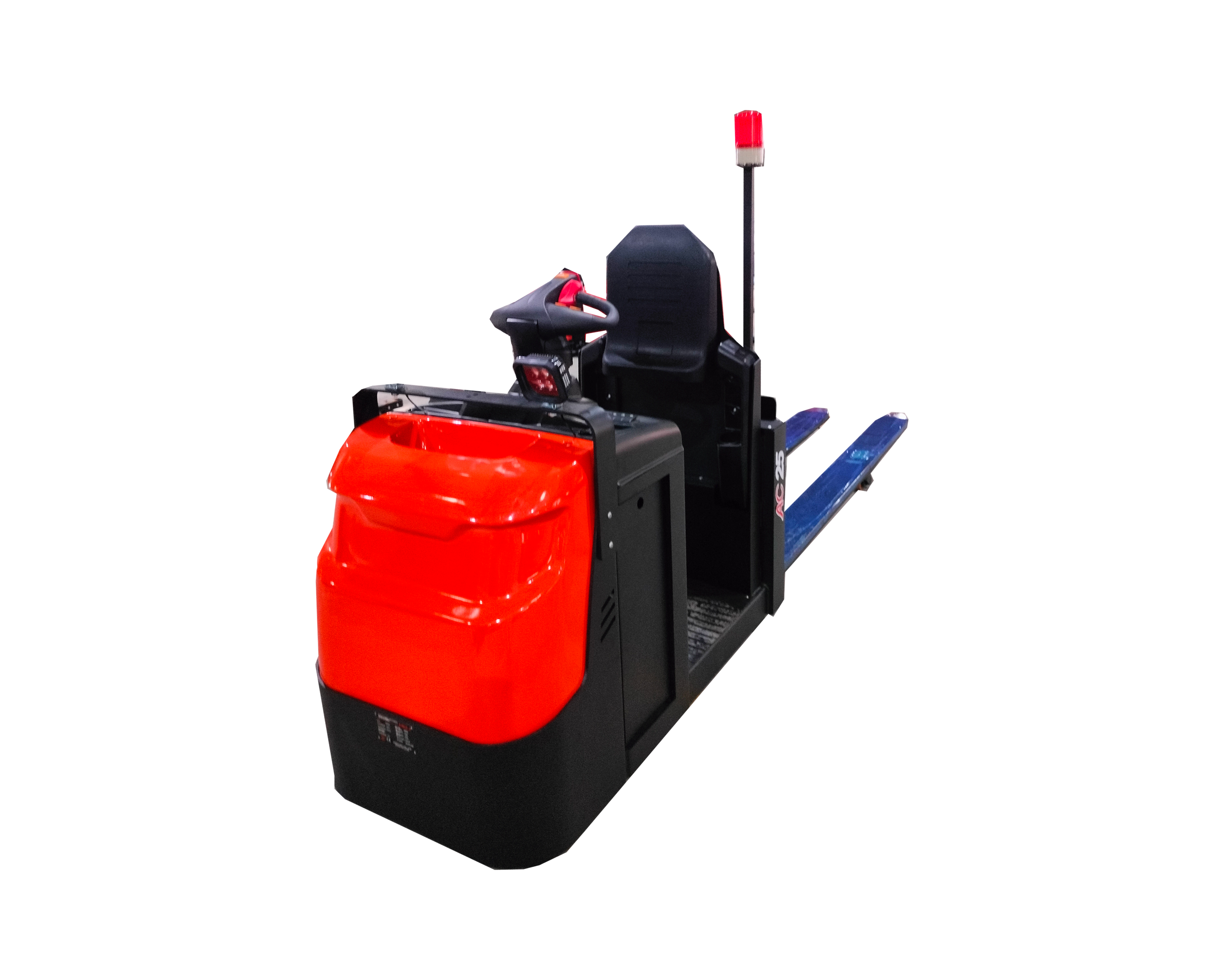
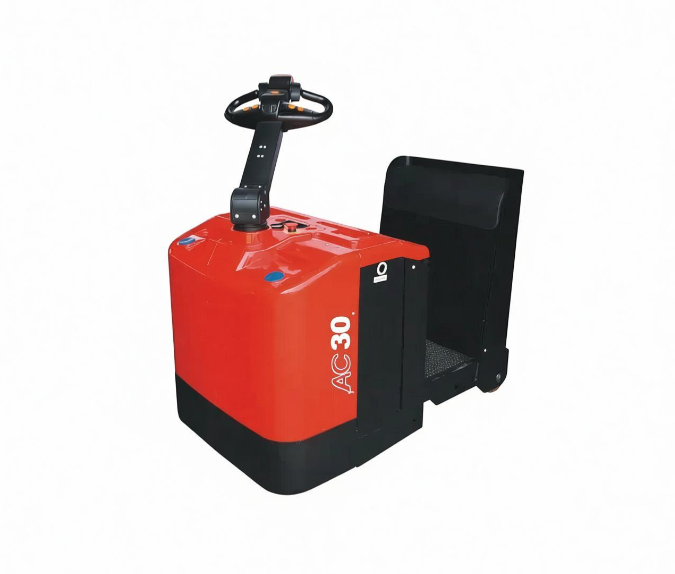
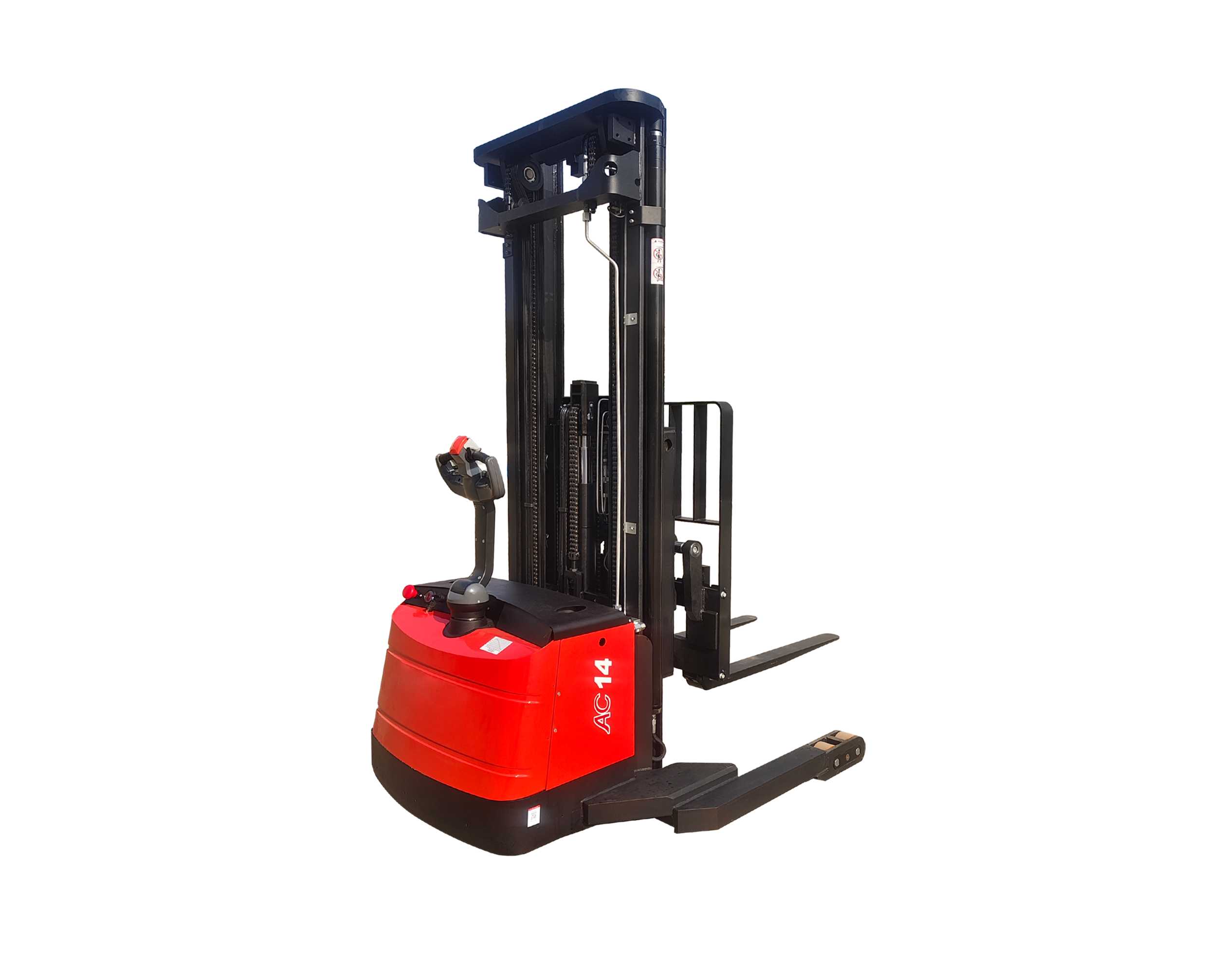
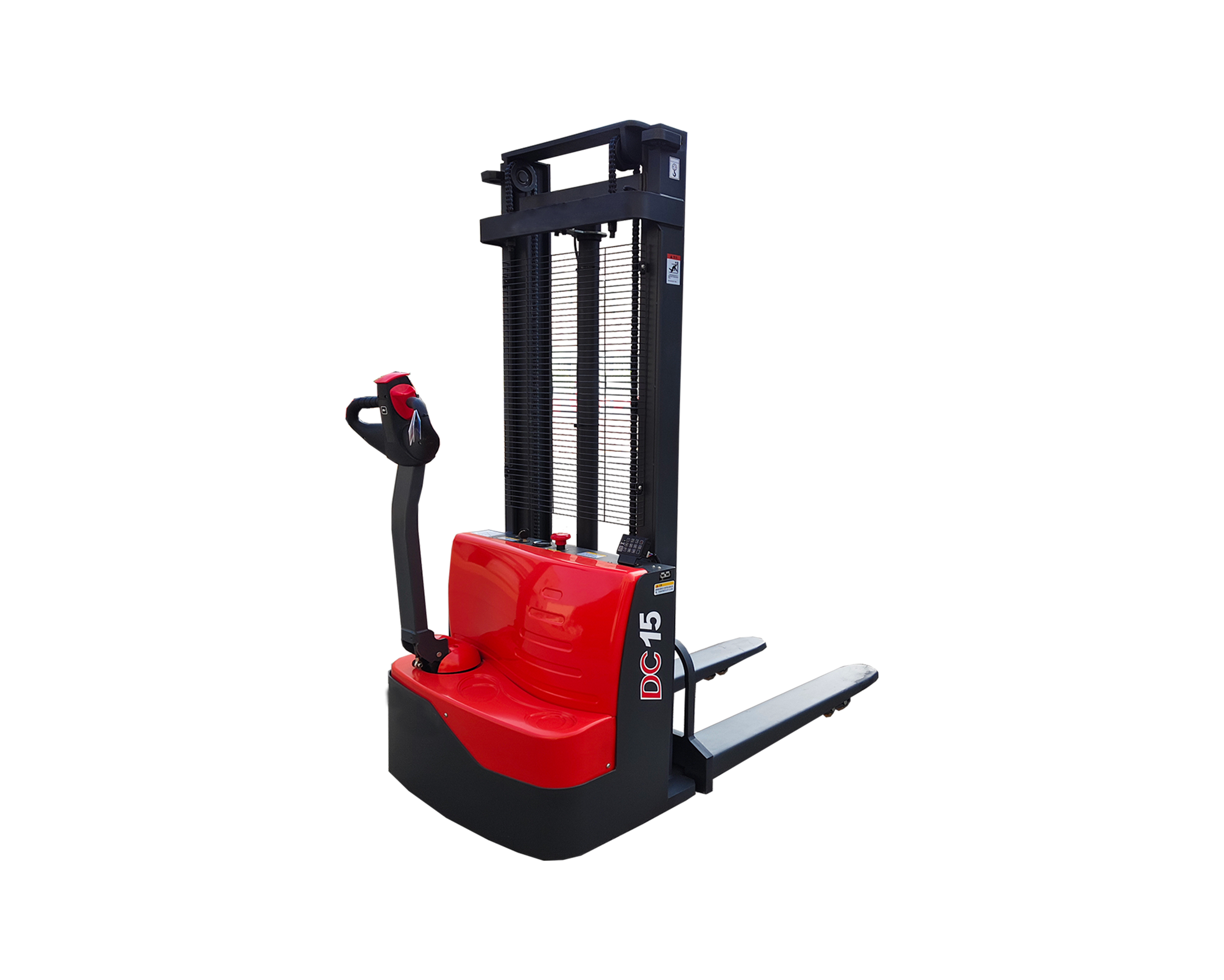
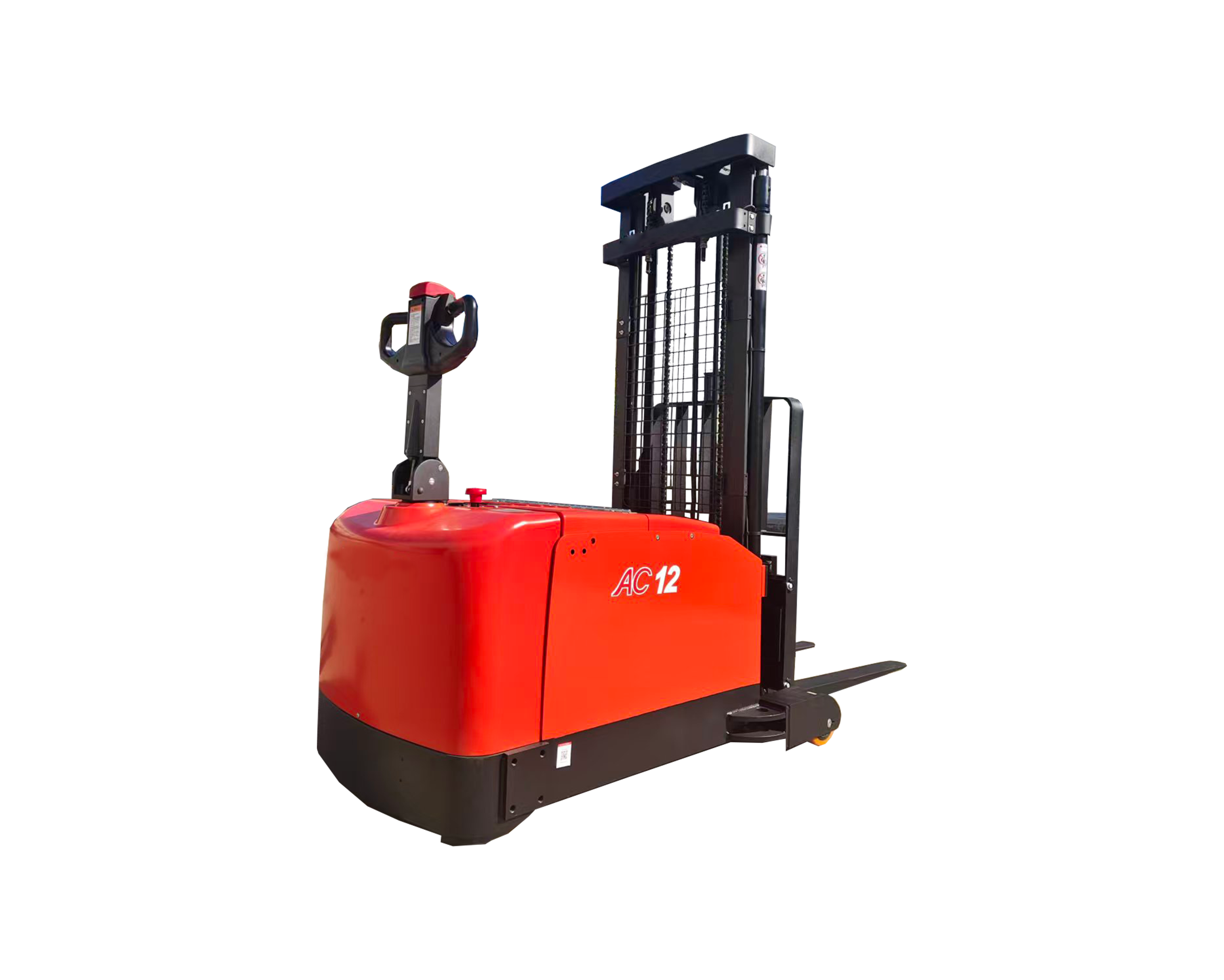
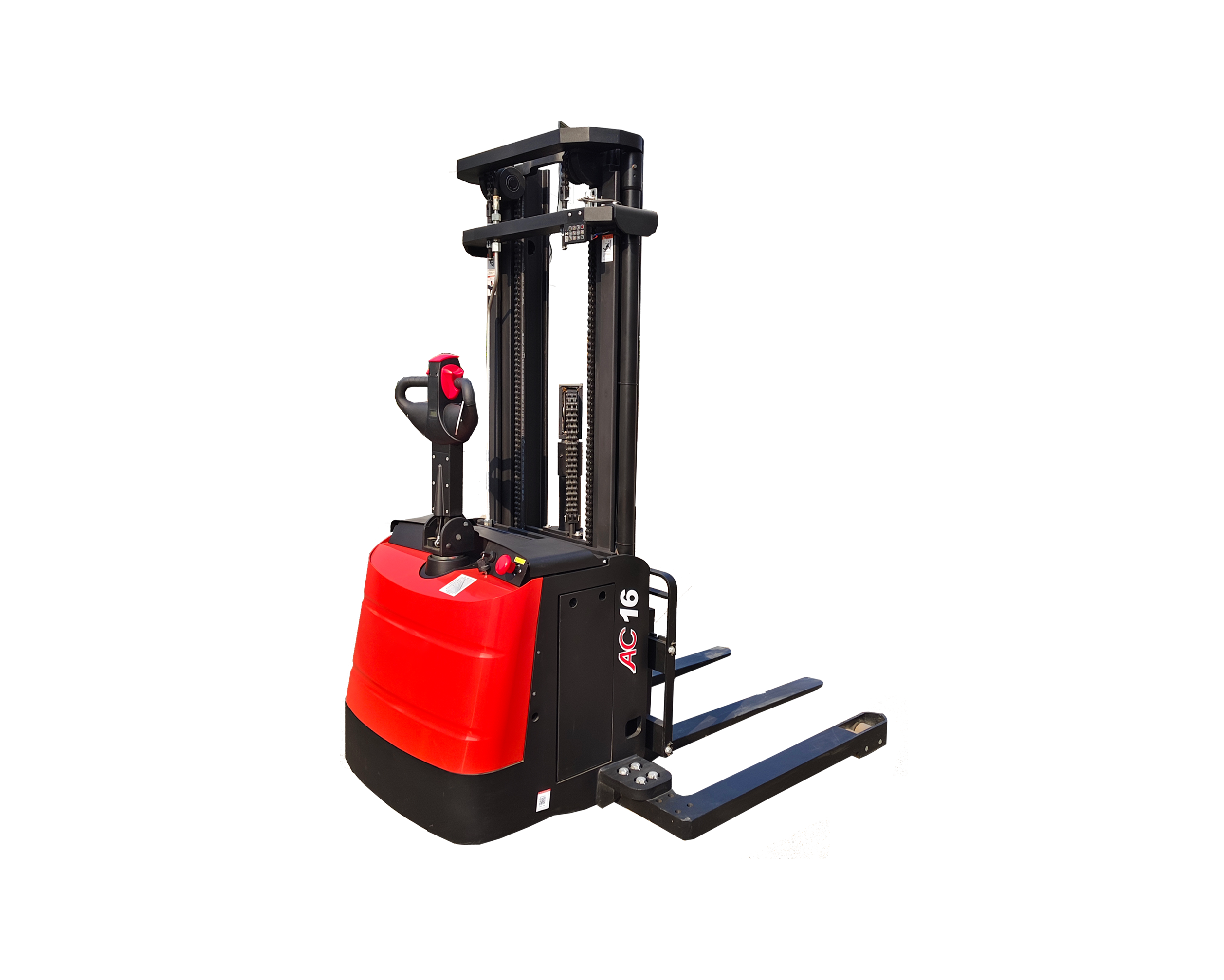
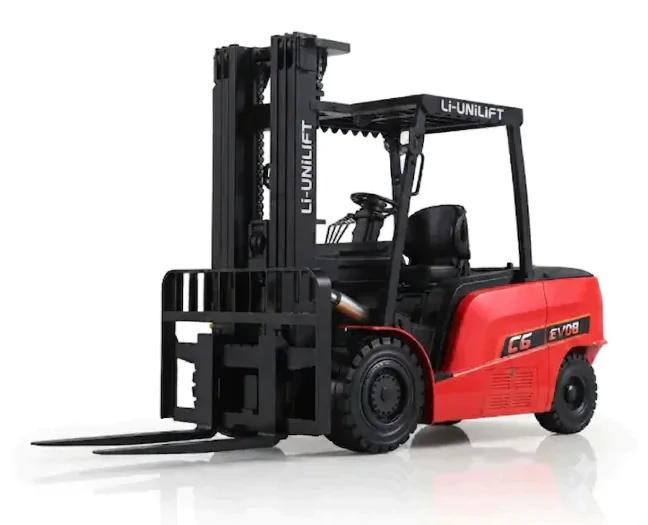
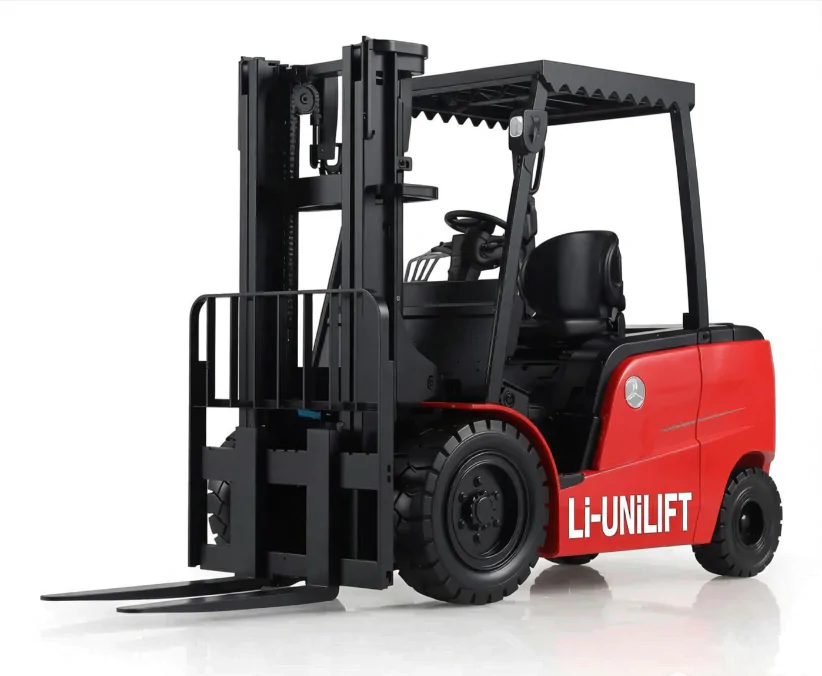
Choosing the right electric stacker lifting capacity is one of the most important decisions when selecting material handling equipment for a warehouse. A stacker that is too small may not safely handle your heaviest pallets, while an unnecessarily large machine can increase equipment costs and reduce maneuverability.
The right electric stacker should match your actual load weight, lifting height, pallet dimensions, load center, operating frequency, aisle conditions, and future workload. Common options include a 1 ton electric stacker, 1.5 ton electric stacker, and 2 ton electric stacker, but rated capacity alone does not determine whether a machine is suitable for a specific application.
This guide explains how electric stacker capacity is determined, what factors affect it, and how to choose the right capacity for your warehouse.
Key Takeaways
- Electric stacker lifting capacity refers to the maximum rated load the equipment can safely handle under specified operating conditions.
- Common capacity classes include 1 ton, 1.5 ton, and 2 ton electric stackers.
- The heaviest pallet, rather than the average pallet, should be considered when selecting equipment.
- Lifting height, load center, pallet dimensions, and load distribution can affect actual capacity and stability.
- A higher-capacity electric stacker is not automatically better for every warehouse.
- Lithium battery technology can be useful for high-utilization and multi-shift applications.
- Always verify the manufacturer’s rated capacity, load center, lifting height, and data plate before purchasing or operating a stacker.
1. What Does Electric Stacker Lifting Capacity Mean?
1.1 Definition of Electric Stacker Capacity
Electric stacker lifting capacity is the maximum load that a particular stacker is designed to lift and handle under specified conditions. Manufacturers normally express capacity in kilograms or metric tons.
Common capacity categories include:
| Electric Stacker Capacity | Equivalent Load |
|---|---|
| 1 ton electric stacker | 1,000 kg |
| 1.5 ton electric stacker | 1,500 kg |
| 2 ton electric stacker | 2,000 kg |
These figures should not be interpreted as a universal guarantee that the stacker can lift that weight at every lifting height or load position.
The rated capacity depends on the specific truck configuration and operating conditions. Load center, mast configuration, lifting height, pallet dimensions, and load distribution can all influence stability and allowable capacity. OSHA guidance also emphasizes that rated capacity applies to the specified load center and that load size, position, and weight distribution affect safe load handling.
1.2 Why Lifting Capacity Is Important
Selecting the correct capacity affects several aspects of warehouse operation:
- Workplace safety
- Load stability
- Equipment performance
- Productivity
- Component durability
- Total operating cost
- Long-term equipment suitability
For example, if your warehouse regularly handles pallets weighing 1,500 kg, a 1 ton electric stacker is not an appropriate choice simply because most of the other pallets weigh less.
The equipment must be selected according to the actual rated capacity required for the application rather than an average load.
For general information about warehouse material handling solutions, you can also explore the equipment options available from UNILIFT MHE.
2. Factors That Determine the Required Electric Stacker Capacity
Choosing an electric stacker requires more than simply matching the machine’s rated capacity with the pallet weight.
2.1 Average and Maximum Pallet Weight
The first step in warehouse electric stacker selection is identifying the loads handled during normal operations.
Consider:
- Average pallet weight
- Maximum pallet weight
- Frequency of maximum loads
- Load distribution
- Pallet dimensions
- Whether the load is centered on the forks
The maximum pallet weight is particularly important.
For example, if most pallets weigh 800 kg but several pallets can reach 1,400 kg, selecting a stacker based only on the 800 kg average could result in unsuitable equipment.
A simple preliminary reference could be:
| Typical Load Range | Capacity Class to Evaluate |
|---|---|
| Up to approximately 800 kg | 1 ton electric stacker |
| Approximately 800–1,200 kg | 1.5 ton electric stacker |
| Approximately 1,200–2,000 kg | 2 ton electric stacker |
These are starting points for equipment selection, not universal capacity recommendations. The final choice should always be based on the manufacturer’s rated capacity at the required load center and lifting height.
2.2 Daily Handling Frequency
Handling frequency also affects equipment selection.
Consider:
- Number of pallets moved per day
- Working hours per shift
- Number of shifts
- Travel distance
- Number of lifting cycles
- Number of operators
- Continuous or intermittent operation
A warehouse moving a few pallets each day may have very different requirements from a distribution center operating multiple shifts.
High-utilization applications may require a model with an appropriate drive system, battery capacity, cooling system, chassis design, and duty rating rather than simply choosing a higher lifting capacity.
2.3 Lifting Height
Lifting height is one of the most important factors in electric stacker lifting capacity.
A stacker rated for a particular capacity at a lower lifting height may have a different allowable capacity at a higher lift height, depending on the mast and truck configuration.
Important parameters include:
- Maximum lifting height
- Mast type
- Mast stages
- Load center
- Pallet dimensions
- Load distribution
For example, a 1.5 ton electric stacker should not automatically be assumed to handle 1,500 kg at its maximum lifting height.
Before purchasing, request the manufacturer’s capacity information for the exact mast and lifting configuration you intend to use.
2.4 Pallet Size and Load Distribution
Weight alone does not determine whether a load can be handled safely.
A large or unusually shaped load can change the load center and affect stability. OSHA explains that load weight, size, position, and weight distribution are important factors in powered industrial truck stability.
Consider:
- Pallet length
- Pallet width
- Fork length
- Load center
- Load height
- Load distribution
- Whether the load is centered
- Whether the load extends beyond the pallet
If your warehouse handles long, wide, or irregular loads, provide these dimensions to the manufacturer before selecting an electric stacker.
3. Common Electric Stacker Capacity Options and Applications
3.1 1 Ton Electric Stacker
A 1 ton electric stacker has a rated capacity of approximately 1,000 kg and is commonly considered for lighter warehouse applications.
Typical applications may include:
- Small warehouses
- Retail storage areas
- Light manufacturing
- Small distribution operations
- Lower-frequency pallet handling
Potential advantages include:
- Compact dimensions
- Easier maneuverability
- Lower equipment investment
- Efficient handling of lighter pallets
A 1 ton model is most appropriate when the actual load requirements remain within its rated capacity under the required lifting conditions.
3.2 1.5 Ton Electric Stacker
A 1.5 ton electric stacker provides a rated capacity of approximately 1,500 kg and can be considered for a broader range of warehouse applications.
Typical applications include:
- Distribution centers
- Manufacturing facilities
- Warehouse storage
- Retail distribution
- Medium-duty pallet handling
The 1.5 ton class can provide a balance between load capability and compact equipment dimensions, but buyers should still verify the actual capacity at their required lifting height and load center.
3.3 2 Ton Electric Stacker
A 2 ton electric stacker is designed for applications requiring a rated capacity of approximately 2,000 kg.
Potential applications include:
- Heavy-duty warehouse operations
- Manufacturing facilities
- Industrial storage
- High-volume logistics operations
- Heavier pallet handling
A higher-capacity stacker may require a different chassis, mast, drive system, battery configuration, and overall truck design. Therefore, capacity should be evaluated together with the complete equipment specification.
4. How to Calculate the Right Electric Stacker Capacity
There is no single formula that can determine the correct stacker for every warehouse. Instead, buyers should follow a structured selection process.
Step 1: Identify the Maximum Load Weight
Record the heaviest loads your warehouse needs to handle.
Check:
- Maximum pallet weight
- Typical pallet weight
- Maximum load dimensions
- Load center
- Load distribution
- Required lifting height
Do not base the selection only on the average pallet weight.
Step 2: Check the Manufacturer’s Rated Capacity
Once the maximum load is known, compare it with the manufacturer’s capacity rating for the exact truck configuration.
For example, if your heaviest pallet weighs 1,400 kg, you should evaluate a 1.5 ton electric stacker or a higher-rated model based on the manufacturer’s published capacity at your required lifting height and load center.
Do not simply assume that a 1,500 kg nameplate capacity applies to every operating condition.
OSHA guidance states that powered industrial trucks should handle only loads within their rated capacity, and the rated capacity should be considered together with load configuration and other operating factors.
Step 3: Evaluate Lifting Height and Load Center
Check whether the required capacity remains available at the actual stacking height.
This is especially important when:
- Loads are heavy
- Racking is tall
- Pallets are deep
- Loads extend beyond the pallet
- The load center is greater than the standard rating
Step 4: Match Capacity with Warehouse Conditions
Finally, evaluate:
- Aisle width
- Floor conditions
- Ramp conditions
- Storage height
- Travel distance
- Operating frequency
- Indoor or outdoor use
- Battery charging conditions
This produces a much more reliable warehouse electric stacker selection process than choosing equipment by capacity alone.
5. Relationship Between Electric Stacker Capacity and Warehouse Layout
5.1 Small Warehouse Requirements
Small warehouses often have:
- Limited storage space
- Narrow aisles
- Lower pallet turnover
- Short travel distances
A compact 1 ton electric stacker may be considered when the load requirements are within its rated capacity.
Its compact design can be useful where maneuverability and space utilization are important.
5.2 Medium Warehouse Requirements
Medium-sized warehouses may have:
- Regular pallet movement
- Moderate storage heights
- Higher daily handling requirements
- Multiple storage areas
A 1.5 ton electric stacker can be evaluated for applications where the load profile and lifting requirements fall within its rated specifications.
5.3 Large Distribution Centers
Large distribution centers typically require:
- Higher pallet turnover
- Longer working hours
- More frequent lifting cycles
- Greater travel distances
- Multiple shifts
In these environments, a 2 ton electric stacker or another higher-capacity configuration may be considered when required by the load profile.
However, capacity is only one part of the decision. Battery capacity, charging strategy, operator ergonomics, travel speed, lifting speed, and service support can be equally important.
6. Electric Stacker Capacity vs. Other Material Handling Equipment
Electric stackers are designed primarily for lifting and stacking palletized loads, but they are not the only option available for warehouse material handling.
| Equipment | Typical Application | Main Function |
|---|---|---|
| Manual Stacker | Occasional light-duty handling | Manual lifting and stacking |
| Electric Stacker | Warehouse pallet stacking | Powered lifting and stacking |
| Electric Pallet Truck | Horizontal pallet movement | Powered transportation |
| Forklift | Heavy-duty lifting and transportation | Higher-capacity lifting and broader applications |
Electric stackers can be particularly useful when a warehouse needs powered pallet stacking but does not require the size, counterbalance configuration, or operating characteristics of a larger forklift.
For applications primarily involving horizontal pallet transportation, an electric pallet truck may be more appropriate than a stacker.
7. Common Mistakes When Choosing Electric Stacker Capacity
7.1 Choosing Capacity Based Only on Average Load
This is one of the most common mistakes.
If the average pallet weighs 900 kg but the heaviest pallet weighs 1,500 kg, selecting equipment based only on the average load can create an unsuitable operating condition.
Always evaluate the maximum actual load.
7.2 Ignoring Lifting Height
A stacker’s rated capacity should not be considered independently from lifting height.
Always ask the supplier for the capacity rating corresponding to your required mast configuration and lifting height.
7.3 Ignoring Load Center
Load center is particularly important when handling long or oversized pallets.
A larger load center increases the load moment and can reduce the allowable load capacity. OSHA specifically identifies load center and load positioning as important considerations when determining safe load handling.
7.4 Selecting the Largest Capacity Available
Choosing the largest possible capacity is not automatically the right solution.
An oversized stacker can increase:
- Purchase cost
- Equipment dimensions
- Energy consumption
- Turning requirements
- Maintenance requirements
The objective is to select equipment that provides an appropriate capacity for the real application rather than simply selecting the highest available rating.
7.5 Treating Rated Capacity as a Universal Operating Limit
The rated capacity belongs to a specific truck configuration and operating condition.
For this reason, buyers should review:
- Data plate
- Load center
- Mast configuration
- Maximum lifting height
- Attachments
- Manufacturer’s operating instructions
Never exceed the rated capacity of the equipment.
8. How Battery Technology Affects Electric Stacker Performance
Capacity and battery technology are separate specifications, but they should be evaluated together.
8.1 Lead-Acid Battery Electric Stackers
Lead-acid batteries remain an option for conventional warehouse operations.
Potential advantages include:
- Established technology
- Lower initial battery cost in some applications
- Familiar charging procedures
Considerations include:
- Longer charging periods
- Battery maintenance requirements
- Dedicated charging areas
- Battery weight and replacement considerations
8.2 Lithium Battery Electric Stackers
Lithium-ion batteries can be useful for warehouses that require frequent operation and flexible charging.
Potential advantages include:
- Opportunity charging capability
- Shorter charging periods depending on the system
- High energy efficiency
- No routine watering requirement
- Good suitability for multi-shift operations
Lithium battery technology can be especially attractive for warehouses where equipment utilization is high and downtime needs to be minimized.
However, battery selection should be based on the complete duty cycle, including operating hours, charging opportunities, ambient temperature, battery capacity, and total cost of ownership.
9. How to Choose an Electric Stacker for Heavy Loads
When an application involves heavy pallets, buyers should evaluate more than the headline capacity.
A suitable electric stacker for heavy loads should be reviewed according to:
- Maximum pallet weight
- Required lifting height
- Rated load center
- Pallet dimensions
- Load distribution
- Mast configuration
- Chassis and fork design
- Battery capacity
- Daily operating hours
- Service and spare-parts support
If your warehouse handles loads close to the rated limit on a regular basis, discuss the complete application with the manufacturer before placing an order.
For B2B buyers, an experienced supplier should be able to review load weight, pallet dimensions, lifting height, working environment, and operating cycle before recommending a configuration.
10. Future Trends in Electric Stacker Capacity Selection
Warehouse operations are becoming more data-driven, energy-efficient, and automated. This is changing how companies evaluate material handling equipment.
Several trends are becoming increasingly relevant:
Intelligent Load Monitoring
Electronic systems can provide operators with more information about truck status, load conditions, and operating parameters.
Lithium Battery Adoption
Lithium-ion batteries are increasingly considered for high-utilization warehouse equipment because they can support flexible charging strategies.
Energy-Efficient Drive Systems
Modern electric stackers increasingly focus on efficient motors, regenerative systems, and optimized control systems.
Smart Warehouse Integration
As warehouses adopt warehouse management systems and automation technologies, electric stackers may increasingly be evaluated as part of an integrated material handling system rather than as standalone equipment.
11. How to Choose the Right Electric Stacker Capacity
Before contacting a supplier, prepare the following information:
| Selection Parameter | Information to Provide |
|---|---|
| Maximum load | Heaviest pallet weight |
| Average load | Typical pallet weight |
| Lifting height | Required maximum height |
| Load center | Distance from fork face to load center |
| Pallet size | Length × width |
| Working hours | Hours per shift |
| Shifts | Number of shifts per day |
| Aisle width | Narrowest operating aisle |
| Floor | Smooth, uneven, ramp, etc. |
| Battery | Lead-acid or lithium preference |
| Environment | Warehouse, manufacturing, cold storage, etc. |
Providing these details allows a supplier to recommend a configuration based on the actual application instead of simply quoting a standard 1 ton, 1.5 ton, or 2 ton model.
For customized warehouse equipment requirements, buyers can contact UNILIFT MHE with their load, lifting height, pallet, and operating requirements.
FAQ
What lifting capacity do I need for an electric stacker?
The required capacity depends on maximum pallet weight, lifting height, load center, pallet dimensions, load distribution, and operating conditions. Common capacity classes include 1 ton, 1.5 ton, and 2 ton electric stackers.
Is a 1.5 ton electric stacker enough for my warehouse?
A 1.5 ton electric stacker may be suitable when the actual load and operating conditions fall within the manufacturer’s rated capacity. Do not evaluate capacity based on pallet weight alone; lifting height and load center must also be checked.
Can an electric stacker lift more than its rated capacity?
No. An electric stacker should never be operated above its rated capacity. Overloading can create serious stability and equipment risks. Always follow the manufacturer’s data plate and operating instructions.
Does lifting height affect electric stacker capacity?
Yes. The allowable capacity can vary with mast configuration, lifting height, load center, and other design parameters. Always check the manufacturer’s capacity chart for the specific configuration.
Should I choose a higher-capacity electric stacker for future growth?
A higher-capacity model may provide additional flexibility if heavier loads are expected in the future. However, selecting a significantly oversized machine can increase acquisition and operating costs. Evaluate current requirements together with realistic future load growth.
What is more important: lifting capacity or lifting height?
Both are important. A stacker must have sufficient rated capacity for the load at the required lifting height and load center. Neither specification should be considered independently.
Conclusion
Choosing the right electric stacker lifting capacity requires more than matching a pallet’s weight with a number printed in a product name.
A reliable selection process should consider maximum load weight, lifting height, load center, pallet dimensions, load distribution, operating frequency, aisle conditions, and battery requirements.
A 1 ton electric stacker may be appropriate for lighter applications, while a 1.5 ton electric stacker or 2 ton electric stacker may be considered for progressively heavier load requirements. The final decision, however, should always be based on the manufacturer’s rated capacity for the exact truck configuration and operating conditions.
For warehouses looking for reliable material handling equipment, UNILIFT MHE provides electric warehouse equipment and customized material handling solutions for different industrial applications. Buyers can submit their load weight, lifting height, pallet dimensions, and operating requirements to develop a more suitable equipment configuration.
Follow UNILIFT MHE for More Material Handling Insights
Stay connected with UNILIFT MHE for the latest updates on electric pallet trucks, electric stackers, electric tuggers, warehouse equipment, material handling solutions, and industry insights. Follow our social media channels to discover new products, application scenarios, company updates, and practical information for modern warehouse and logistics operations.
Explore reliable electric pallet trucks, electric stackers, and material handling solutions at Unilift MHE.
If you would like to contact us, please click here.
If you would like to learn more about our news, please click here.
Facebook: Follow UNILIFT MHE on Facebook
TikTok: Follow UNILIFT MHE on TikTok
Instagram: Follow UNILIFT MHE on Instagram
X: Follow UNILIFT MHE on X
Pinterest: Explore UNILIFT MHE on Pinterest
LinkedIn: Connect with UNILIFT MHE on LinkedIn