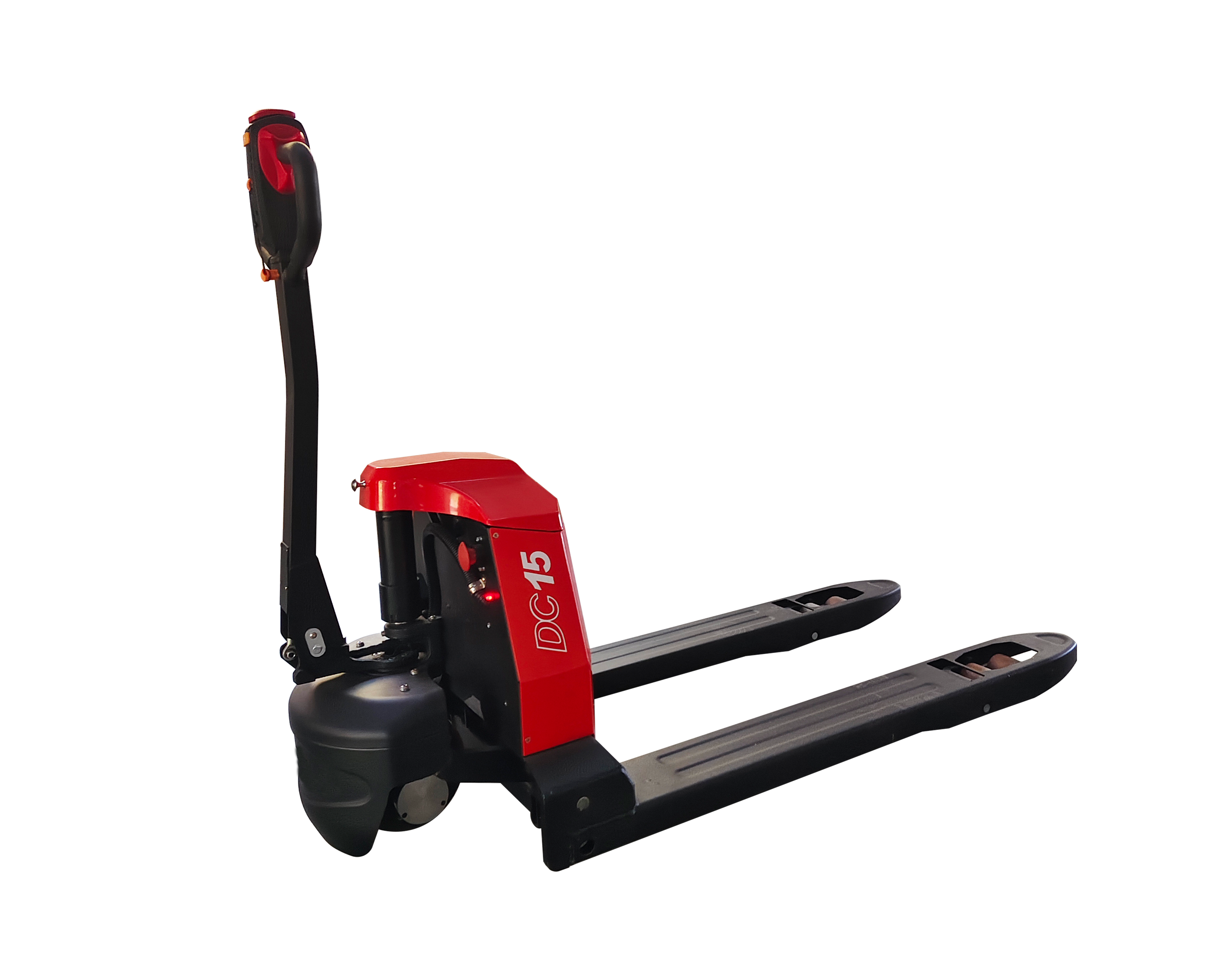
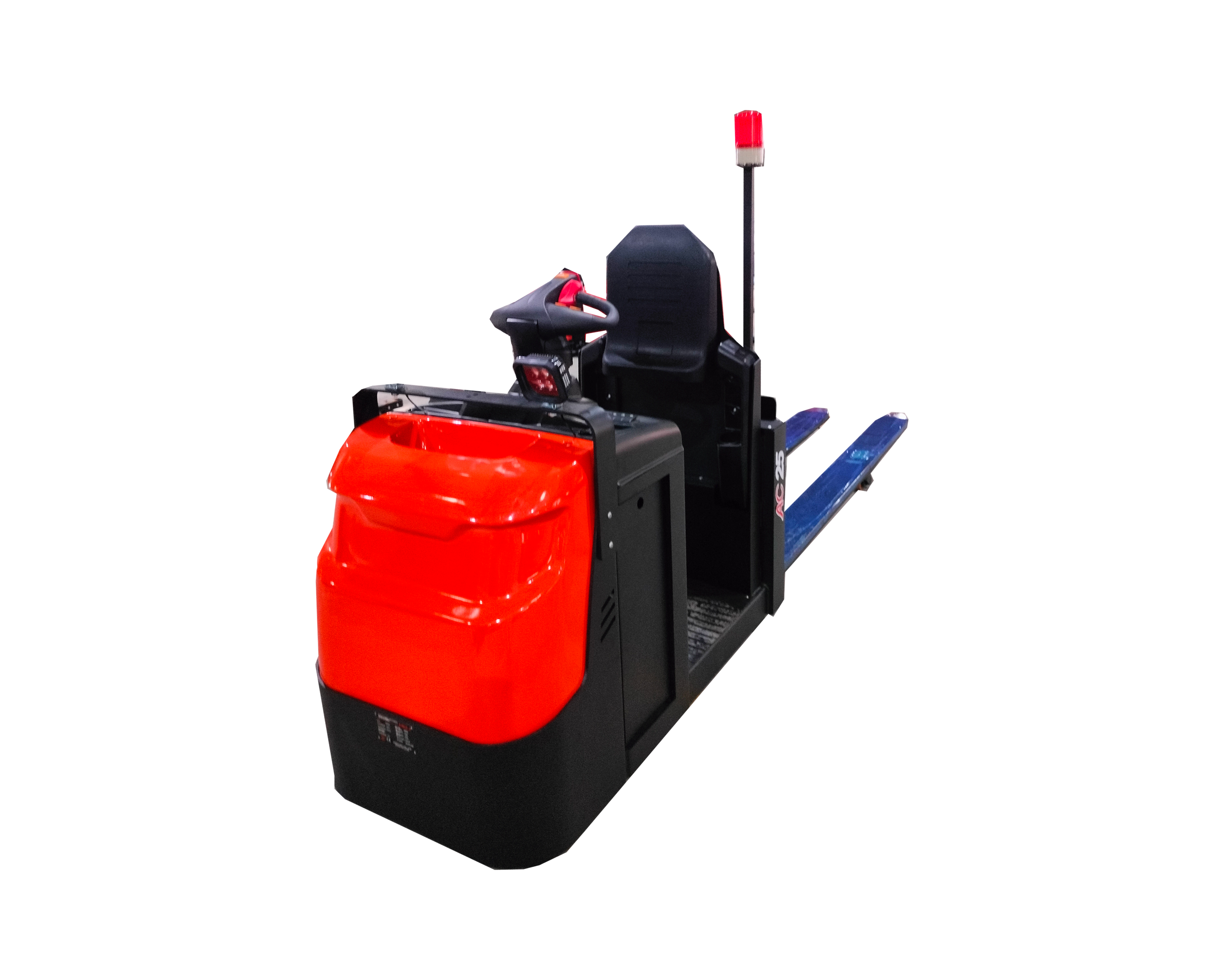
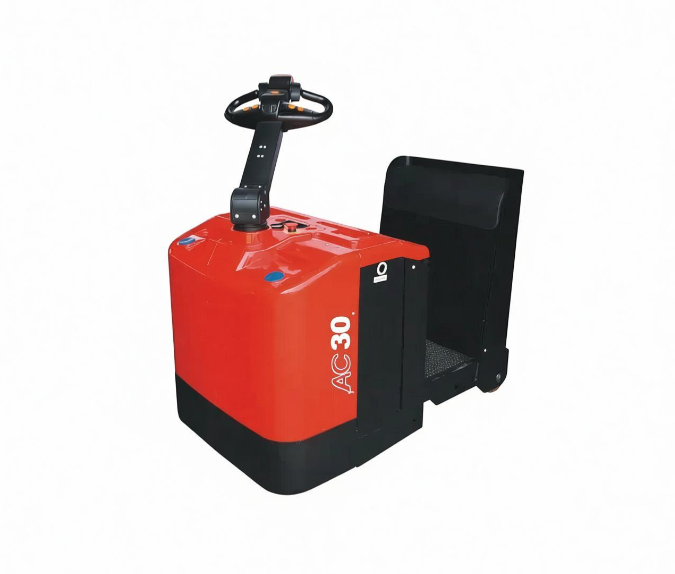
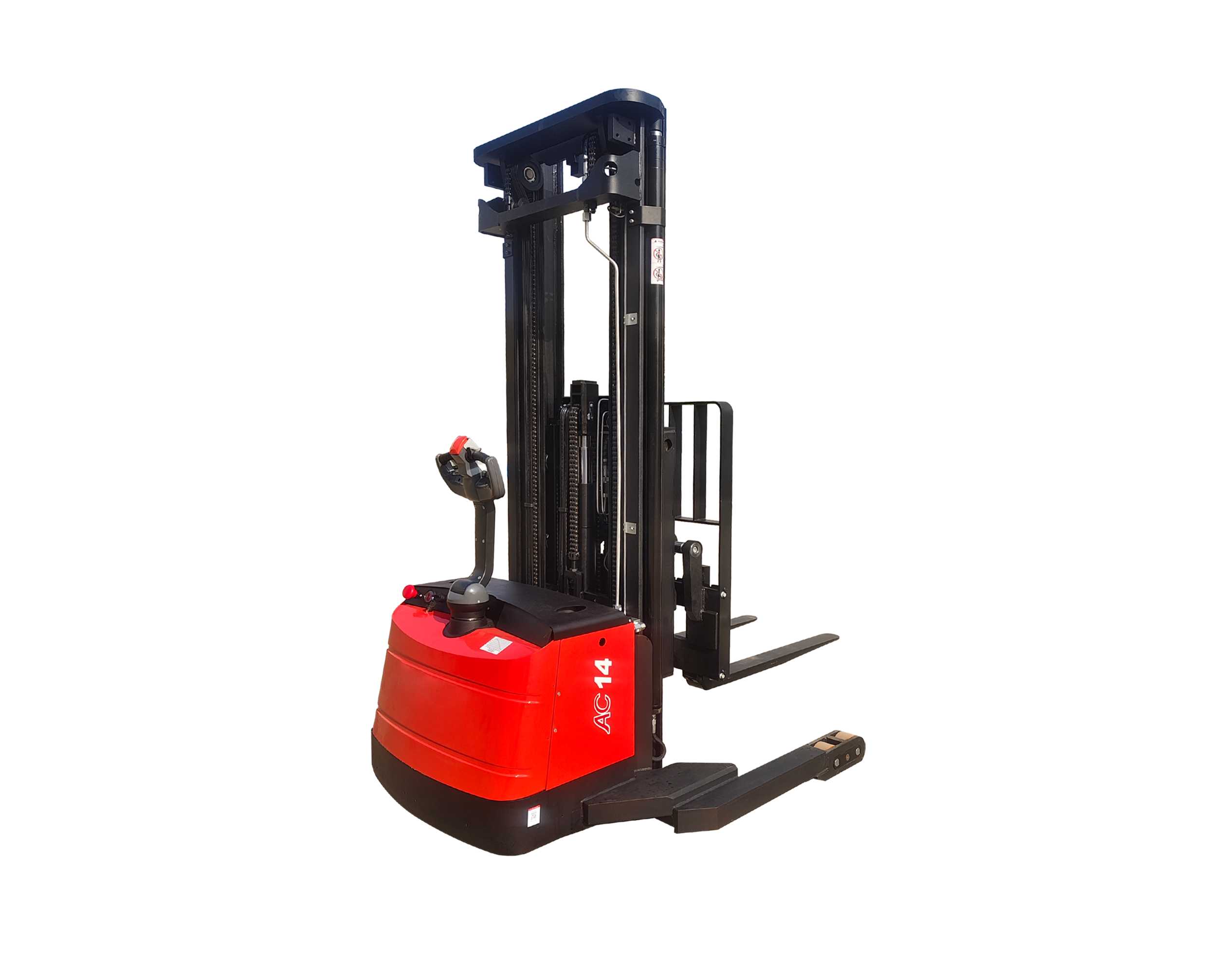
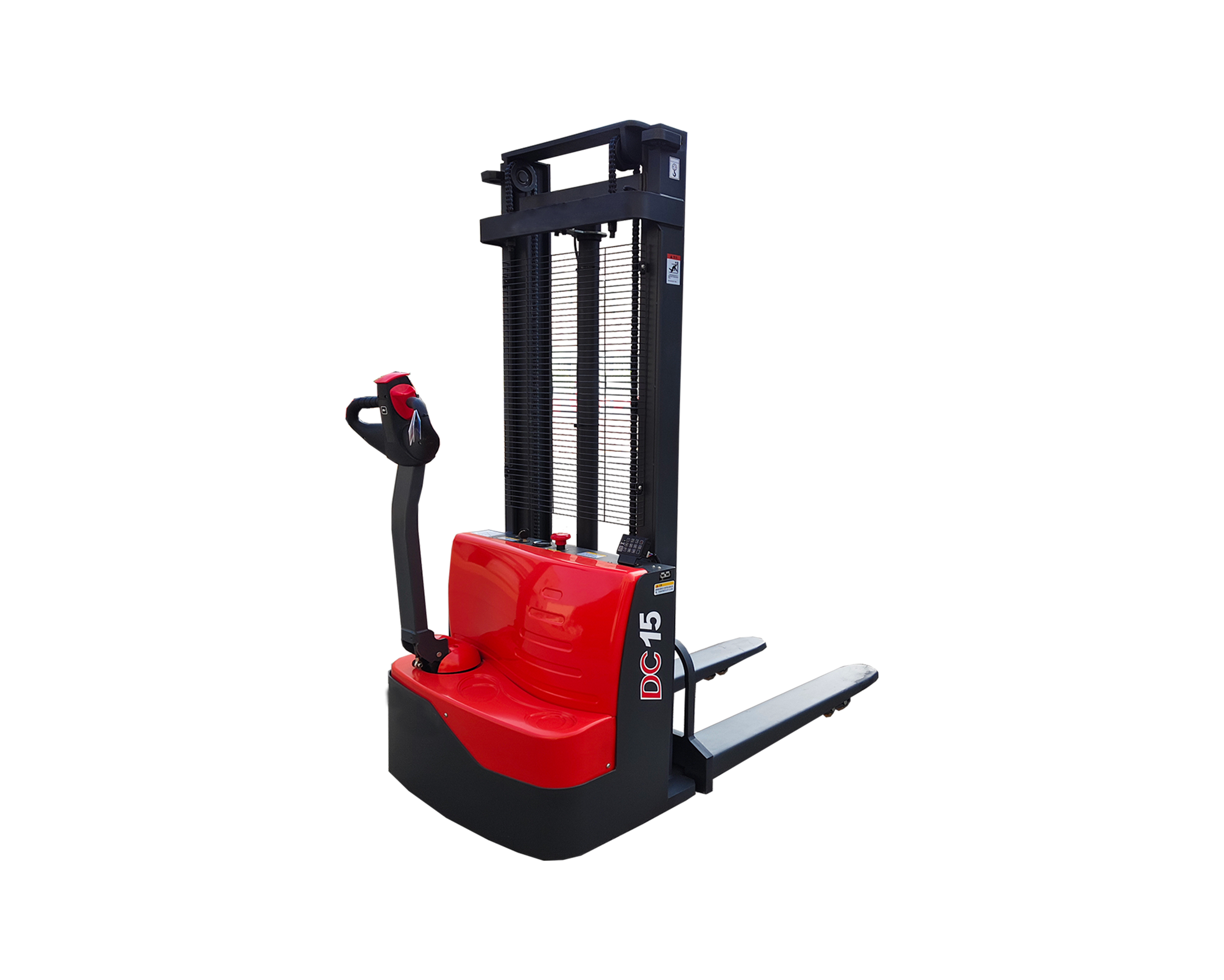
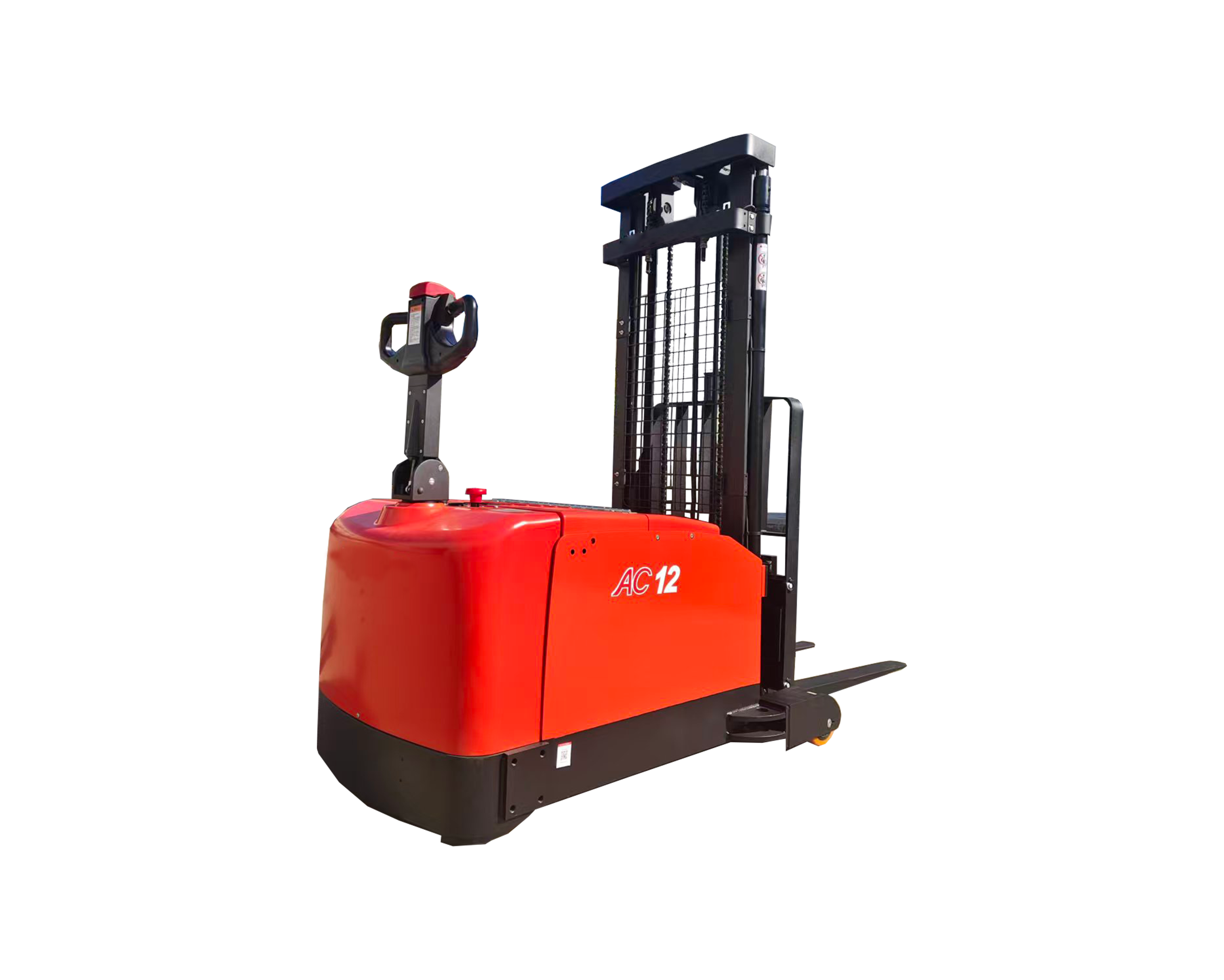
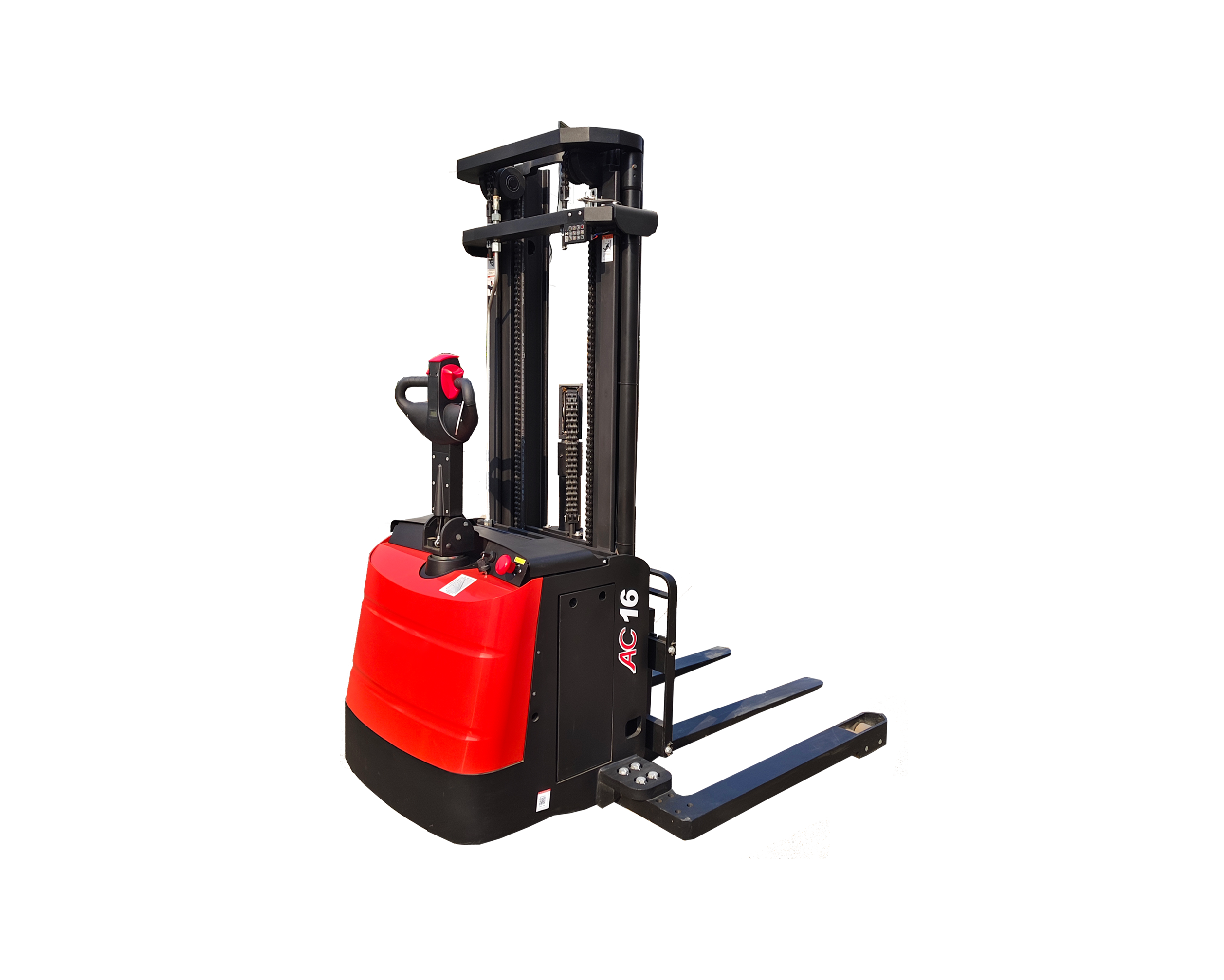
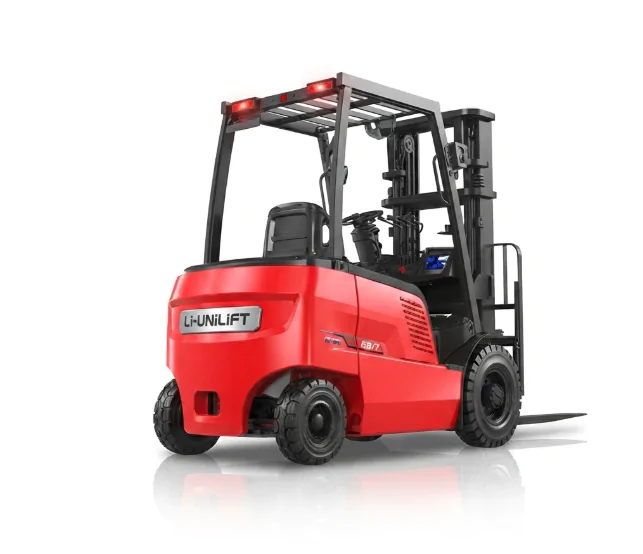
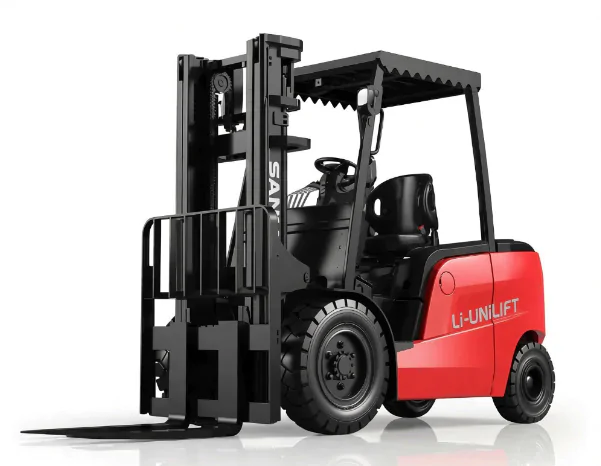
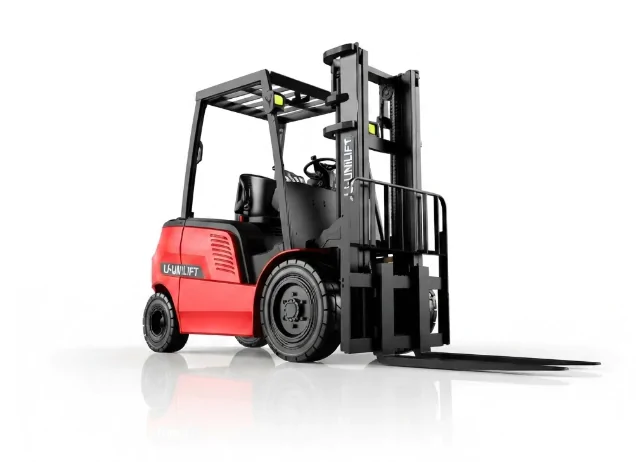
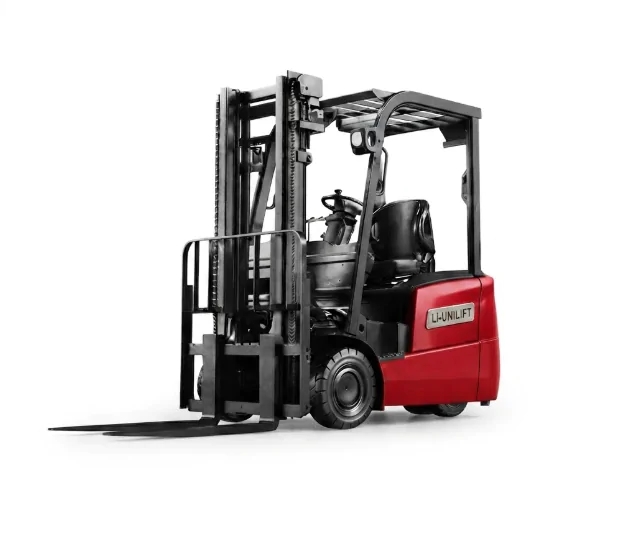
An electric stacker is essential equipment for warehouses, distribution centers, manufacturing facilities, and other material handling environments. Regular servicing helps maintain lifting performance, reduce unexpected downtime, and support safe daily operation.
A proper electric stacker maintenance schedule depends on operating hours, workload, environmental conditions, battery type, and the manufacturer’s recommendations. Daily inspections should be combined with weekly, monthly, and annual service procedures to keep the equipment reliable over its working life.
So, how often should you service an electric stacker? This guide explains the recommended maintenance intervals, key inspection points, and practical maintenance practices for warehouse operators and equipment managers.
Why Regular Maintenance Is Important
Preventive maintenance helps identify wear, contamination, loose connections, fluid leaks, and other developing problems before they cause equipment failure.
Without regular servicing, an electric stacker may experience:
- Reduced lifting performance
- Battery-related problems
- Increased equipment downtime
- Higher repair costs
- Premature component wear
- Increased safety risks


A well-maintained machine can provide more consistent performance, longer component life, and more predictable operating costs.
For warehouses that depend on continuous pallet movement, preventive servicing is an important part of reducing unplanned downtime and maintaining material handling efficiency.
Understanding the Electric Stacker Maintenance Schedule
There is no single maintenance interval that applies to every electric stacker. The appropriate schedule should be based on operating conditions and the manufacturer’s service recommendations.
A practical maintenance program can be divided into four levels:
- Daily inspection
- Weekly maintenance
- Monthly servicing
- Annual preventive maintenance
The required frequency may increase when the equipment operates for long hours, handles heavy loads, works in dusty or humid environments, or is used continuously across multiple shifts.
Before establishing a service schedule, consider:
- Operating hours per day
- Number of operating shifts
- Average load frequency
- Warehouse floor conditions
- Ambient temperature and humidity
- Battery type and charging method
- Equipment model and specifications
- Manufacturer maintenance requirements
High-use equipment generally requires closer inspection than machines operating for only a few hours per week.
Daily Electric Stacker Inspection Checklist
Daily inspection is the first line of preventive maintenance. Operators should perform a basic inspection before putting the machine into operation and report any abnormal condition immediately.
Battery Condition
Check the battery for:
- Adequate charge level
- Secure electrical connections
- Visible damage
- Leakage or corrosion
- Abnormal heating
- Unusual charging behavior
Correct charging practices and routine battery checks help maintain operating time and reduce battery-related interruptions.
For lithium-ion models, operators should also follow the battery manufacturer’s charging, storage, and temperature requirements.
Fork and Mast Inspection
Inspect the lifting components before operation.
Check:
- Fork condition
- Mast and lifting mechanism
- Visible damage or deformation
- Smooth lifting and lowering
- Chains and related components
- Unusual noise or vibration
Any abnormal movement, noise, or visible damage should be reported before the equipment is returned to service.
Wheels and Steering System
Inspect:
- Drive wheels
- Load wheels
- Wheel condition
- Steering operation
- Visible debris or damage
Worn or damaged wheels can affect traction, maneuverability, and load stability, particularly on uneven warehouse floors.
Controls and Safety Functions
Operators should verify:
- Travel controls
- Lift and lower controls
- Emergency stop function
- Horn
- Warning indicators
- Safety switches
A consistent daily inspection helps identify minor problems before they develop into more expensive mechanical or electrical failures.
Weekly and Monthly Maintenance Tasks
Daily inspections should be supported by more detailed weekly and monthly servicing. The exact interval should follow the equipment manufacturer’s recommendations and the machine’s operating conditions.
Battery Maintenance
The battery is one of the most important components of an electric stacker.
Routine battery care may include:
- Checking charging performance
- Inspecting electrical connections
- Cleaning accessible connection points
- Checking for physical damage
- Reviewing battery condition and operating time
- Following the correct charging procedure
Battery maintenance requirements vary between lead-acid and lithium-ion systems, so operators should always follow the applicable battery manufacturer’s instructions.
Hydraulic System Inspection
The hydraulic system controls the lifting function on models equipped with hydraulic lifting.
Inspect:
- Hydraulic oil level, where applicable
- Hoses and fittings
- Signs of oil leakage
- Cylinder condition
- Lifting smoothness
- Abnormal hydraulic noise
A leaking hose, damaged seal, or irregular lifting movement should be investigated promptly rather than ignored.
Brake and Steering Check
Braking and steering systems are critical for safe warehouse operation.
Check:
- Brake response
- Parking brake, where fitted
- Steering accuracy
- Control response
- Unusual resistance or noise
These inspections become particularly important in facilities with frequent pallet movement, narrow aisles, or high operating intensity.
Lubrication and Mechanical Inspection
Depending on the equipment design and manufacturer instructions, selected moving components may require lubrication or periodic inspection.
Common inspection points include:
- Chains
- Bearings
- Pivots
- Mechanical connections
- Fasteners
Use only the lubricant specified by the manufacturer and avoid over-lubrication, which can attract dust and contaminants.
Annual Preventive Maintenance
Annual servicing is generally more comprehensive than routine operator inspections and should be performed by qualified service personnel.
An annual preventive maintenance program may include:
- Electrical system testing
- Hydraulic system inspection
- Battery condition assessment
- Drive system inspection
- Brake and steering system testing
- Mast and lifting mechanism inspection
- Fastener and connection checks
- Component wear assessment
- Safety system verification
The technician can also review the machine’s service history and identify components that may require replacement or closer monitoring.
For companies operating multiple units, scheduled annual servicing provides a structured way to manage equipment condition, maintenance records, and replacement planning.
Common Problems Caused by Poor Maintenance
Neglecting preventive maintenance can allow small problems to develop into operational failures.
Battery Failure
Incorrect charging practices, damaged connections, contamination, or aging batteries can reduce available operating time and affect equipment availability.
Reduced Lifting Performance
Hydraulic leakage, worn components, or problems within the lifting system can cause slow, uneven, or inconsistent lifting.
Unexpected Downtime
A failed wheel, battery, electrical component, hydraulic part, or safety device can take a machine out of service and disrupt warehouse operations.
Higher Repair Costs
Addressing minor wear during scheduled maintenance is generally easier to manage than repairing a component after a major failure.
How Maintenance Extends Equipment Service Life
A structured preventive maintenance program protects critical components and helps businesses manage the total cost of ownership.
Potential benefits include:
- Longer equipment service life
- More consistent operating performance
- Fewer emergency repairs
- Reduced unplanned downtime
- Better maintenance planning
- Improved return on equipment investment
Regular maintenance also facilitates the easier detection of recurring issues and enables the determination of whether a particular component requires adjustment, repair, or replacement.
For enterprises that rely on warehouse equipment daily, maintenance should be regarded as an integral part of overall operational management, rather than merely an additional expense.
Best practices for maintaining electric stacker trucks
Create maintenance records
Record the following content:
- Inspection dates
- Operating hours
- Maintenance activities
- Repairs
- Replacement parts
- Battery service
- Technician inspections
A clear maintenance history makes it easier to identify recurring problems and plan future service requirements.
Train Equipment Operators
Operators should understand how to perform pre-use inspections, identify abnormal conditions, use the equipment correctly, and report problems.
Operator training should be based on the equipment manufacturer’s instructions and applicable workplace safety requirements.
Follow Manufacturer Recommendations
Manufacturer documentation should be the primary reference for service intervals, lubrication requirements, battery care, inspection procedures, and component replacement.
For workplace safety guidance related to powered industrial trucks, businesses can also consult the OSHA Powered Industrial Trucks requirements.
Adjust the Schedule to Actual Usage
A calendar-based maintenance schedule should not be the only consideration.
Equipment operating several shifts per day may need more frequent inspections than a machine used occasionally. Similarly, dusty production areas, cold storage facilities, uneven floors, and heavy-duty applications may require additional attention.
Monitoring operating hours and service history allows maintenance teams to adjust the schedule according to actual equipment usage.
Final Thoughts
How often should you maintain an electric stacker? In most warehouse applications, operators should perform a basic inspection before use, while more detailed maintenance should be scheduled weekly, monthly, and annually according to operating conditions and manufacturer requirements.
The most effective approach is not simply to wait for a problem to appear. Regular inspections, proper battery care, hydraulic and mechanical checks, operator training, and documented service records can help maintain equipment reliability and reduce unexpected downtime.
A well-planned electric stacker maintenance program supports safer operation, more predictable maintenance costs, and longer equipment service life.
Follow UNILIFT MHE for More Material Handling Insights
Stay connected with UNILIFT MHE for the latest updates on electric pallet trucks, electric stackers, electric tuggers, warehouse equipment, material handling solutions, and industry insights. Follow our social media channels to discover new products, application scenarios, company updates, and practical information for modern warehouse and logistics operations.
Explore reliable electric pallet trucks, electric stackers, and material handling solutions at Unilift MHE.
If you would like to contact us, please click here.
If you would like to learn more about our news, please click here.
Facebook: Follow UNILIFT MHE on Facebook
TikTok: Follow UNILIFT MHE on TikTok
Instagram: Follow UNILIFT MHE on Instagram
X: Follow UNILIFT MHE on X
Pinterest: Explore UNILIFT MHE on Pinterest
LinkedIn: Connect with UNILIFT MHE on LinkedIn