Introduce
The manufacturing process of an Electric Tugger involves multiple precision production stages, including frame fabrication, welding, machining, surface treatment, drive system assembly, battery integration, electrical installation, and vehicle testing. Advanced technologies such as laser cutting, CNC bending, robotic welding, powder coating, lithium battery management systems (BMS), and CAN-BUS control networks are widely used to ensure product reliability, safety, and operational efficiency. Understanding how an electric tugger is manufactured helps buyers evaluate product quality, production capability, and long-term performance.
What Is an Electric Tugger?
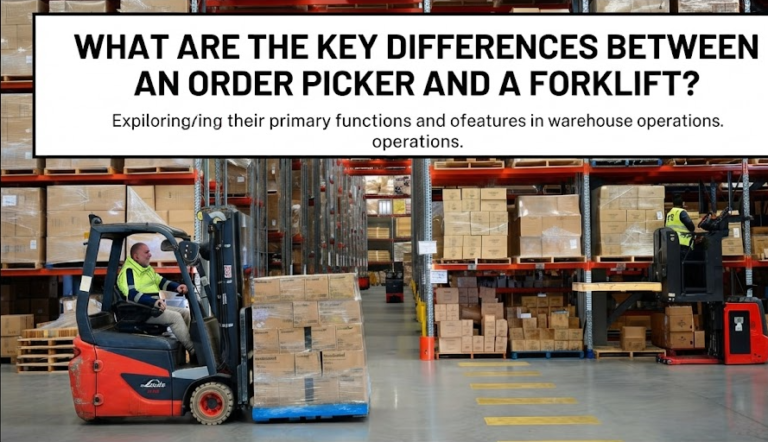
An Electric Tugger, also known as an Electric Tow Tractor, is a battery-powered industrial vehicle designed to pull carts, trailers, material trains, and other wheeled loads within factories, warehouses, airports, distribution centers, and manufacturing facilities.Unlike forklifts that lift loads vertically, electric tuggers focus on horizontal transportation, making them ideal for lean manufacturing and just-in-time (JIT) logistics systems.
Common Applications
- Manufacturing plants
- Automotive assembly lines
- Warehouses and logistics centers
- Airports and baggage handling systems
- Hospitals and healthcare facilities
- Food and beverage factories
- E-commerce fulfillment centers
Overview of the Electric Tugger Manufacturing Process
The production of an electric tugger consists of several key stages:
| Manufacturing Stage | Main Process |
|---|---|
| Raw Material Preparation | Steel plate cutting and component sourcing |
| Frame Fabrication | CNC bending and welding |
| Machining | Precision machining of critical components |
| Surface Treatment | Sandblasting and powder coating |
| Drive System Assembly | Motor, gearbox, and axle installation |
| Battery Integration | Lithium battery pack installation |
| Electrical Assembly | Wiring and controller installation |
| Final Assembly | Vehicle assembly and adjustment |
| Testing & Inspection | Functional and safety testing |
| Packaging & Delivery | Final inspection and shipment |
Raw Material Preparation
The production process begins with the selection of high-quality raw materials.
Main Materials
- High-strength structural steel
- Carbon steel plates
- Alloy steel components
- Electrical wiring harnesses
- AC drive motors
- Lithium-ion battery packs
- Electronic controllers
- Hydraulic and braking components
Modern manufacturers typically source materials from certified suppliers to ensure consistency and compliance with international quality standards.
Frame Processing and Chassis Fabrication
The chassis serves as the foundation of the electric tugger and directly affects vehicle durability and towing capacity.
Laser Cutting
In the production of electric tuggers, fiber laser cutting technology is used to process steel plates with exceptional accuracy and efficiency. This advanced manufacturing process ensures precise dimensions, smooth cutting edges, minimal material waste, and highly consistent repeatability for large-scale production. Compared with traditional cutting methods, laser cutting offers faster production speeds, higher precision, and lower manufacturing costs, while providing high-quality components that contribute to the overall strength, reliability, and durability of the electric tugger chassis and structural parts.
CNC Bending
After laser cutting, the steel components are shaped using CNC press brake machines to achieve precise and consistent bends. This process ensures accurate bending angles, uniform dimensions, and strong structural integrity, which are essential for the durability and performance of electric tuggers. CNC bending is commonly used to manufacture key components such as chassis beams, battery compartments, protective covers, and mounting brackets. The high level of automation and precision helps improve assembly accuracy, enhance product quality, and maintain consistency throughout the production process.
Robotic Welding Technology
Welding quality directly determines vehicle strength and service life.Most modern manufacturers utilize robotic welding systems.
Welding Processes
MIG Welding
Used for:
- Chassis structures
- Towing frames
- Protective guards
CO₂ Shielded Welding
Suitable for:
- Heavy-duty structural parts
- Reinforced joints
Benefits of Robotic Welding
| Benefit | Description |
|---|---|
| Consistency | Uniform weld quality |
| Strength | Stronger structural connections |
| Efficiency | Faster production cycle |
| Accuracy | Reduced human error |
After welding, all weld seams undergo visual and dimensional inspections.
Precision Machining of Key Components
Certain critical parts require CNC machining.
Components Typically Machined
- Steering assemblies
- Drive axle housings
- Wheel hubs
- Coupling mechanisms
- Brake components
Machining Equipment
- CNC machining centers
- CNC lathes
- Milling machines
- Grinding machines
Precision machining ensures tight tolerances and high-quality component fitment, improving vehicle stability, driving accuracy, and the overall service life of critical electric tugger components.
Surface Treatment and Anti-Corrosion Protection
Electric tuggers often operate in demanding industrial environments.
Therefore, surface treatment is essential.
Pre-Treatment Process
Before painting, metal parts undergo:
- Degreasing
- Washing
- Phosphating
- Drying
Electrostatic Powder Coating
Most manufacturers use electrostatic powder coating technology.
The surface treatment process provides excellent corrosion resistance, strong coating adhesion, a uniform appearance, and environmentally friendly production, enhancing both the durability and aesthetics of the electric tugger.
The coated frame is then cured in a high-temperature oven to achieve maximum durability.
Electric Drive System Assembly
The drive system is the core power source of an electric tugger.
Main Components
| Component | Function |
|---|---|
| AC Drive Motor | Provides traction power |
| Gearbox | Transfers torque |
| Differential | Improves turning performance |
| Drive Wheels | Generate movement |
| Electromagnetic Brake | Ensures safe stopping |
AC Motor Technology
Modern electric tuggers commonly use AC motors because they offer:
- High efficiency
- Low maintenance
- Strong climbing ability
- Longer service life
Compared with traditional DC motors, AC motors significantly improve reliability.
Lithium Battery Integration
Lithium-ion battery technology has become the industry standard for modern electric tuggers.
Battery Assembly Process
Battery Pack Installation:Technicians install the battery pack into the designated compartment.
BMS Integration
The Battery Management System (BMS) monitors voltage, current, temperature, charging status, and cell balancing to optimize battery performance, improve safety, and extend battery lifespan.
Advantages of Lithium Batteries
| Feature | Benefit |
|---|---|
| Fast Charging | Reduced downtime |
| Opportunity Charging | Flexible operation |
| Maintenance-Free | Lower operating costs |
| Longer Lifespan | Higher ROI |
| High Energy Density | Extended runtime |
Electrical and Control System Installation
The electrical system functions as the “brain” of the vehicle.
Major Electrical Components
- Motor controller
- Accelerator system
- Steering controller
- Display panel
- Emergency stop switch
- Wiring harness
- Sensors
CAN-BUS Communication Technology
Many premium electric tuggers utilize CAN-BUS networks.
Benefits
- Real-time data communication
- Fault diagnostics
- Reduced wiring complexity
- Easier maintenance
The system enables intelligent vehicle management and improved operational safety.
Final Vehicle Assembly
After all major subsystems are completed, final assembly begins.
Assembly Tasks
- Seat installation
- Steering system installation
- Lighting installation
- Protective guard mounting
- Wheel assembly
- Tow hitch installation
- Control panel setup
Technicians verify that all fasteners meet torque specifications.
Quality Control and Performance Testing
Every electric tugger should undergo comprehensive testing before delivery.
Functional Testing
Driving Test
Checks:
- Acceleration
- Speed control
- Steering performance
Braking Test
Verifies:
- Service brake performance
- Parking brake effectiveness
Towing Capacity Test
Confirms rated towing performance under load.
Electrical Safety Testing
Includes:
- Insulation testing
- Battery protection testing
- Controller diagnostics
- Emergency stop verification
Final Inspection Checklist
| Inspection Item | Purpose |
|---|---|
| Appearance Inspection | Surface quality |
| Dimensional Inspection | Manufacturing accuracy |
| Electrical Inspection | Safety verification |
| Functional Inspection | Operational reliability |
| Road Test | Real-world performance |
Only qualified units proceed to shipment.
Advanced Manufacturing Technologies Used in Modern Electric Tuggers
Leading manufacturers increasingly adopt Industry 4.0 technologies.
Smart Manufacturing Technologies
- Robotic welding systems
- Automated assembly lines
- CNC machining centers
- Digital quality inspection
- MES production management systems
- Intelligent battery testing systems
- Automated torque monitoring
These technologies improve consistency, reduce defects, and enhance production efficiency.
Why Manufacturing Quality Matters When Choosing an Electric Tugger
When evaluating suppliers, buyers should pay attention to:
Production Capability
- In-house welding
- CNC machining equipment
- Assembly line capacity
Quality Management
- ISO 9001 certification
- Process control systems
- Traceability records
Testing Standards
- Load testing
- Electrical safety testing
- Durability testing
Manufacturers with advanced production processes typically deliver more reliable products with lower maintenance costs and longer service life.
FAQ
Q1.How is an electric tugger different from a forklift?
A forklift lifts and stacks loads, while an electric tugger is designed primarily for towing carts and trailers over horizontal distances.
Q2.What type of battery is commonly used in electric tuggers?
Most modern electric tuggers use lithium-ion batteries because they offer faster charging, longer lifespan, and lower maintenance requirements.
Q3.Why is robotic welding important in electric tugger manufacturing?
Robotic welding provides consistent weld quality, stronger structural integrity, and improved production efficiency compared with manual welding.
Q4.What tests are performed before delivery?
Manufacturers typically conduct driving tests, braking tests, towing capacity tests, electrical safety tests, and final quality inspections.
Q5.What manufacturing technology indicates a high-quality electric tugger?
Advanced technologies such as laser cutting, CNC machining, robotic welding, electrostatic powder coating, lithium battery management systems, and CAN-BUS controls are strong indicators of a high-quality electric tugger.
Conclusion
The manufacturing process of an Electric Tugger involves multiple stages, including chassis fabrication, welding, precision machining, surface treatment, electric drive system assembly, battery integration, electrical control installation, and complete vehicle testing. Advanced production technologies such as laser cutting, CNC bending, robotic welding, electrostatic powder coating, and CNC precision machining are widely adopted to ensure structural strength, durability, and consistent product quality.
UNILIFT-MHE utilizes AC drive motors, lithium battery systems with BMS (Battery Management System), CAN-BUS intelligent control technology, and regenerative braking systems to deliver efficient towing performance, low energy consumption, and reliable operation. Under the supervision of Engineer Liu, each vehicle undergoes rigorous quality inspections, including towing force tests, braking performance tests, gradeability tests, and electrical safety evaluations. As a result, the finished Electric Tugger is well suited for material handling applications in warehouses, manufacturing plants, airports, ports, logistics centers, and industrial production lines, offering excellent reliability, durability, and intelligent operational capabilities.