Introduction
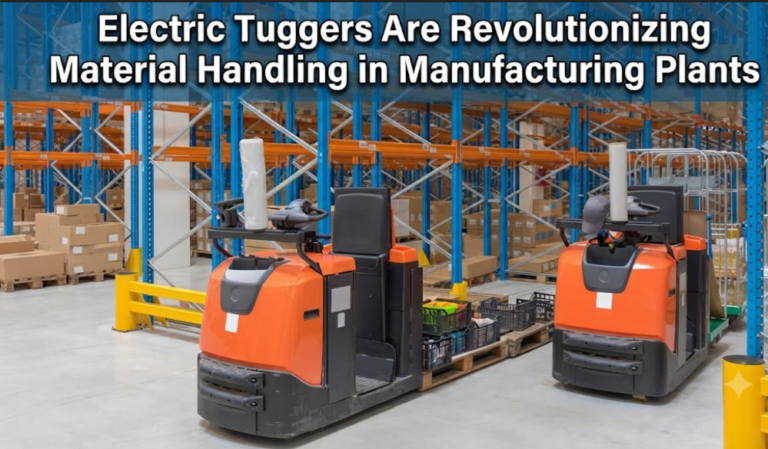
Efficient material transportation is essential for modern warehouses, factories, and logistics operations. To improve internal movement efficiency, many companies use powered equipment such as electric tuggers and tow tractors.
Although both machines are designed to move loads, they are built for different working environments and operational requirements.Understanding the electric tugger vs tow tractor differences helps businesses select the right equipment for their specific material handling needs.This electric tugger and tow tractor comparison explains their operating methods, applications, advantages, and how to choose the best solution.
What Is an Electric Tugger?
An electric tugger is compact powered material handling equipment designed to pull and move carts, equipment, and loads with minimal manual effort.Unlike traditional transportation methods, an electric tugger uses an electric motor and battery system to provide controlled pulling force.
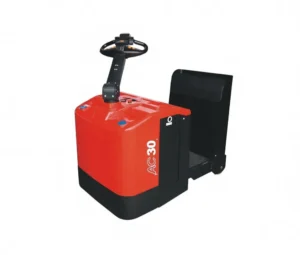
Common applications of powered tuggers include warehouses, manufacturing facilities, hospitals, and logistics centers, where they are used for efficient horizontal material transportation and handling tasks.
The main advantages of a powered tugger include high maneuverability, a compact design, easy operation, and reduced labor requirements. These features help improve transportation efficiency and reduce the physical workload of operators in various industrial environments.
Understanding electric tugger working principles helps companies determine whether this equipment fits their workflow.
What Is a Tow Tractor?
A tow tractor is a larger industrial vehicle designed to transport multiple carts or heavy loads over longer distances.
Typical applications include:
- Airports
- Large warehouses
- Distribution centers
- Industrial facilities
A tow tractor usually provides:
- Higher towing capacity
- Longer travel capability
- Transportation of multiple trailers
However, it typically requires more operating space compared with compact electric tugger equipment.
Electric Tugger vs Tow Tractor: Key Differences
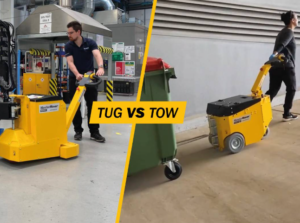
Electric tuggers emphasize flexibility and small-scale material delivery. They are typically small in size, can operate in narrow aisles, and are suitable for connecting multiple tugs to transport parts, containers, tools, etc., to the production line. Tow tractors, on the other hand, emphasize traction power and transport efficiency. They typically have more powerful motors, larger battery capacities, and higher towing weights, and can tow multiple tugs simultaneously, making them suitable for airport cargo and large manufacturing plants.
1. Design and Operating Method
The first major difference in the electric tugger and tow tractor working principles is their design.
Electric Tugger
Features:
- Compact structure
- Operator walking control
- Flexible movement
Electric tuggers are suitable for environments requiring frequent direction changes and precise positioning.
Tow Tractor
Features:
- Driver-operated vehicle
- Larger body design
- Higher transportation capacity
Tow tractors are designed for moving larger loads across longer routes.
2. Load Capacity and Application Range
The choice between an electric tugger vs tow tractor for material handling depends largely on load requirements.
Electric Tugger
Suitable for:
- Carts
- Equipment
- Medium-heavy loads
- Indoor transportation
Tow Tractor
Suitable for:
- Multiple trailers
- Large cargo movement
- Long-distance transportation
Companies should evaluate their transportation needs before selecting equipment.
3. Flexibility and Maneuverability
One of the biggest advantages of electric tuggers over tow tractors is flexibility.
Electric tuggers can:
- Operate in narrow spaces
- Navigate tight corners
- Position loads accurately
This makes them ideal for:
- Production areas
- Small warehouses
- Indoor facilities
Tow tractors generally require more space due to their larger design.
4. Operator Requirements and Safety
Electric tuggers and tow tractors also differ in operation methods.
Electric tuggers:
- Require less physical effort
- Allow close operator control
- Improve visibility during movement
Tow tractors:
- Require trained drivers
- Operate like industrial vehicles
For businesses focusing on electric tugger for safe material handling, electric tuggers provide excellent control and flexibility.
5. Cost and Maintenance Considerations
When comparing equipment costs, companies should consider:
- Purchase price
- Maintenance requirements
- Energy consumption
- Operator costs
An electric tugger comparison guide shows that compact electric tuggers often provide lower operating costs for indoor material handling applications.
Tow tractors may provide advantages for large-scale transportation but usually require more infrastructure.
Electric Tugger vs Tow Tractor Comparison Table
| Feature | Electric Tugger | Tow Tractor |
| Operation Method | Walking operator control | Driver operated |
| Design | Compact | Large vehicle |
| Space Requirement | Low | Higher |
| Maneuverability | Excellent | Moderate |
| Best Application | Indoor material movement | Long-distance transportation |
| Load Capability | Medium to heavy | Heavy and multiple loads |
When Should You Choose an Electric Tugger Instead of a Tow Tractor?
Companies should consider an electric tugger when they need:
Indoor Transportation
Electric tuggers work well in:
- Factories
- Warehouses
- Production areas
Flexible Movement
They are ideal when:
- Space is limited
- Routes change frequently
- Precise positioning is required
Reduced Manual Handling
Electric tuggers reduce physical workload and improve workplace safety.
These factors explain when to use an electric tugger instead of a tow tractor.
When Is a Tow Tractor a Better Choice?
A tow tractor may be more suitable for:
- Airports
- Large logistics facilities
- Outdoor transportation
- Long-distance routes
When businesses need to move multiple heavy carts over large areas, tow tractors can provide better efficiency.
Therefore, the answer to electric tugger or tow tractor which is better depends on the specific application.
Choosing the Right Material Handling Equipment
Selecting the best equipment for material handling operations requires evaluating:
Load Requirements
Determine:
- Weight
- Number of loads
- Frequency of movement
Working Environment
Consider:
- Available space
- Indoor or outdoor use
- Floor conditions
Transportation Distance
Short-distance indoor movement often favors electric tuggers, while long-distance transportation may require tow tractors.
Why Choose a Professional Electric Tugger Manufacturer?
A reliable electric tugger manufacturer can help businesses select the correct solution.
Professional suppliers provide:
- Product recommendations
- Custom electric tugger solutions
- Technical support
- Maintenance services
Working with an experienced electric tugger supplier ensures equipment matches actual operational requirements.
UNILIFT-mhe Electric Tugger Supplier
UNILIFT-MHE Logistics Equipment Company is a Chinese manufacturer committed to the intelligent and convenient development of logistics equipment. Our company has launched the Li-UNiLIFT Products industrial vehicle brand, which boasts environmental advantages while also considering charging efficiency, economy, and ease of maintenance. This brand mainly includes the following forklift types: electric pallet trucks, electric stackers, reach trucks, electric order pickers, electric towing vehicles, and other warehouse material handling equipment for global logistics and industrial applications.