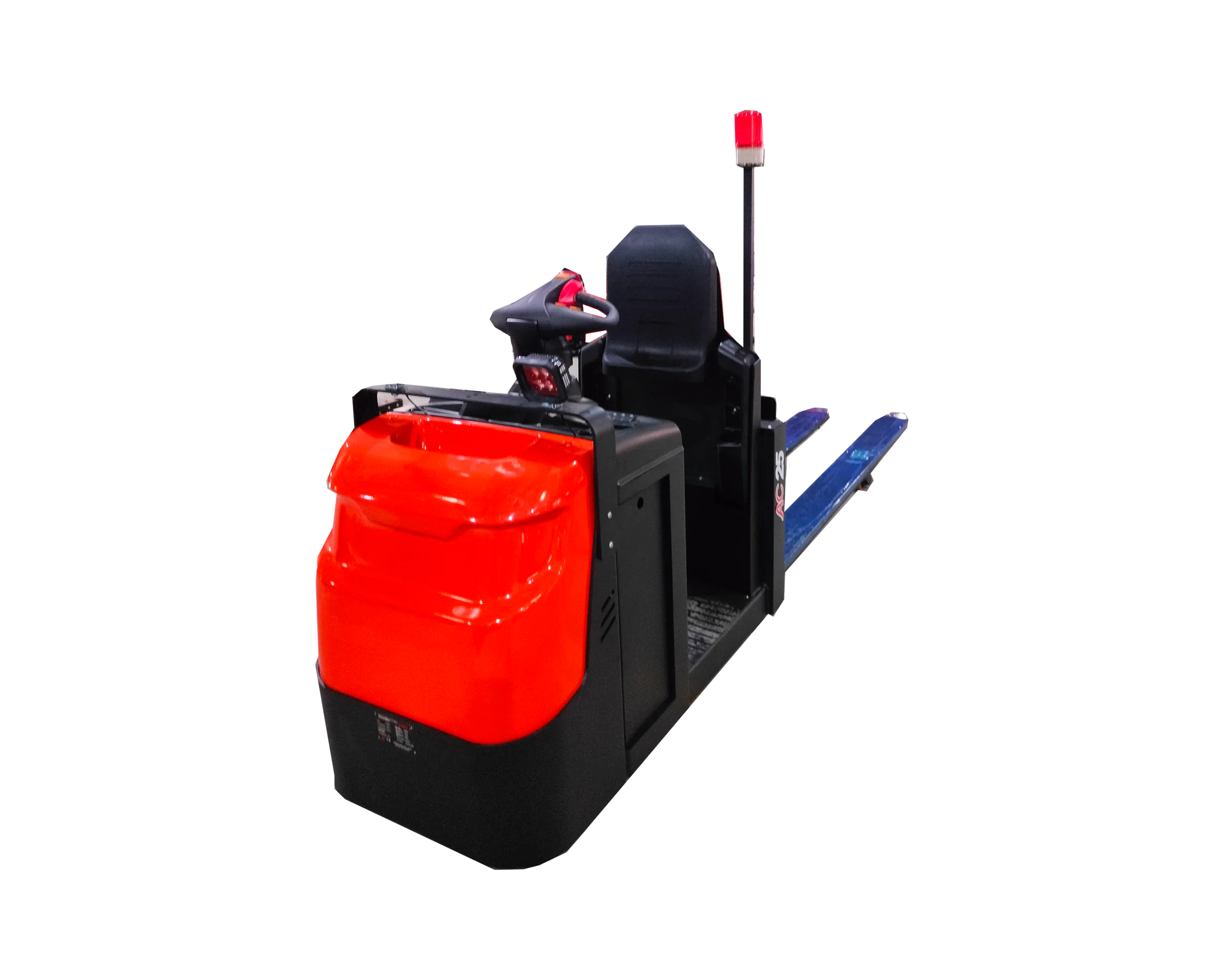
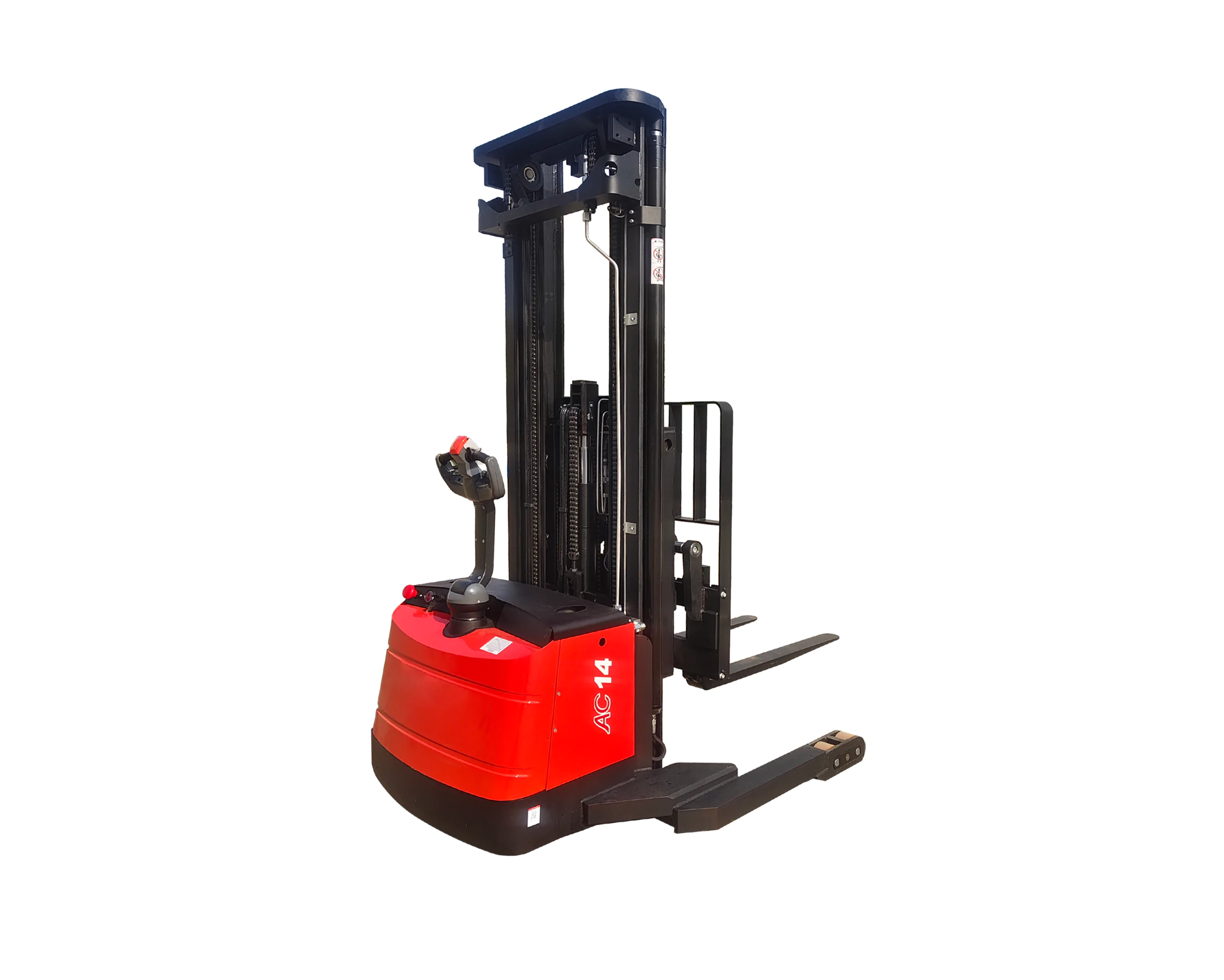
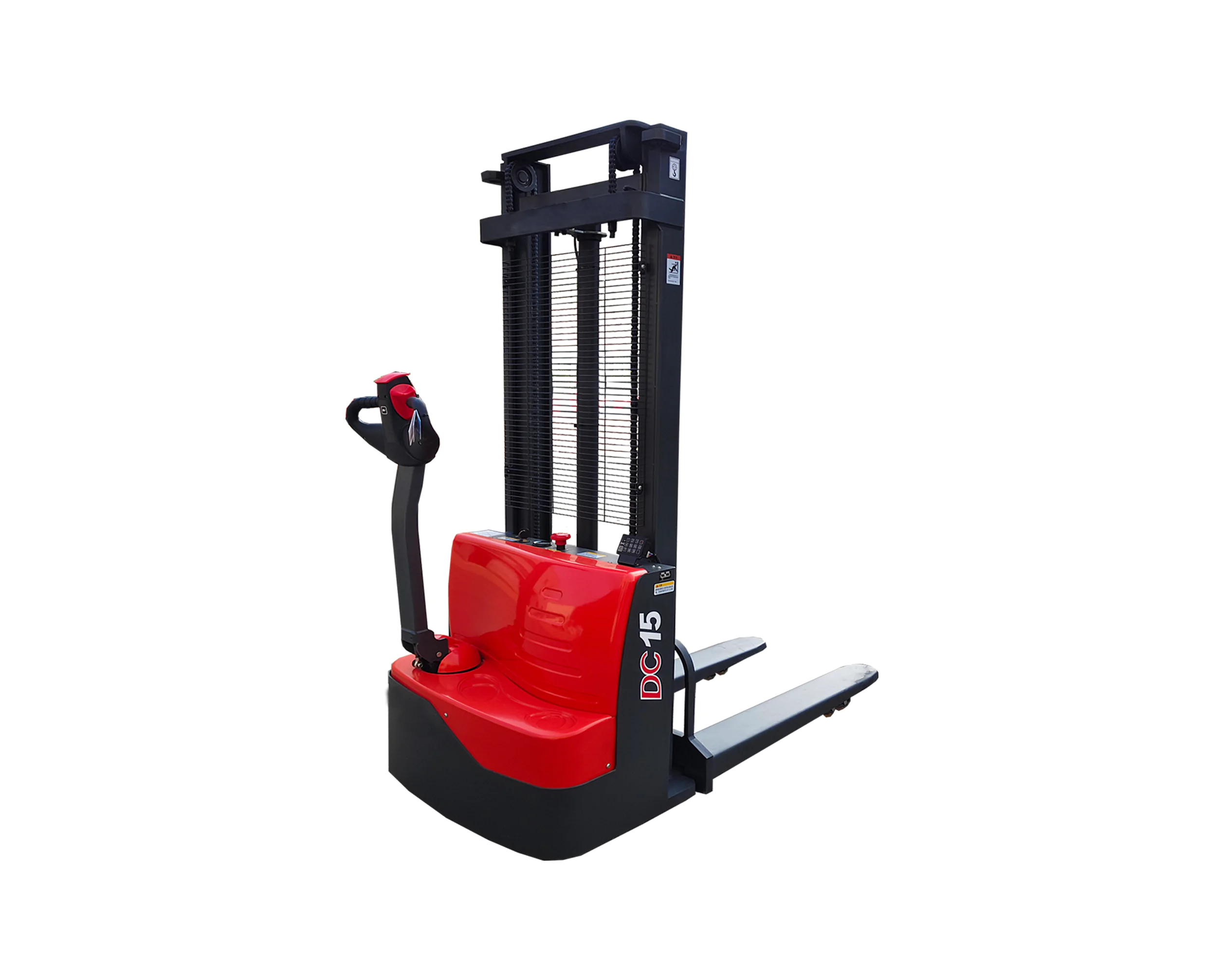
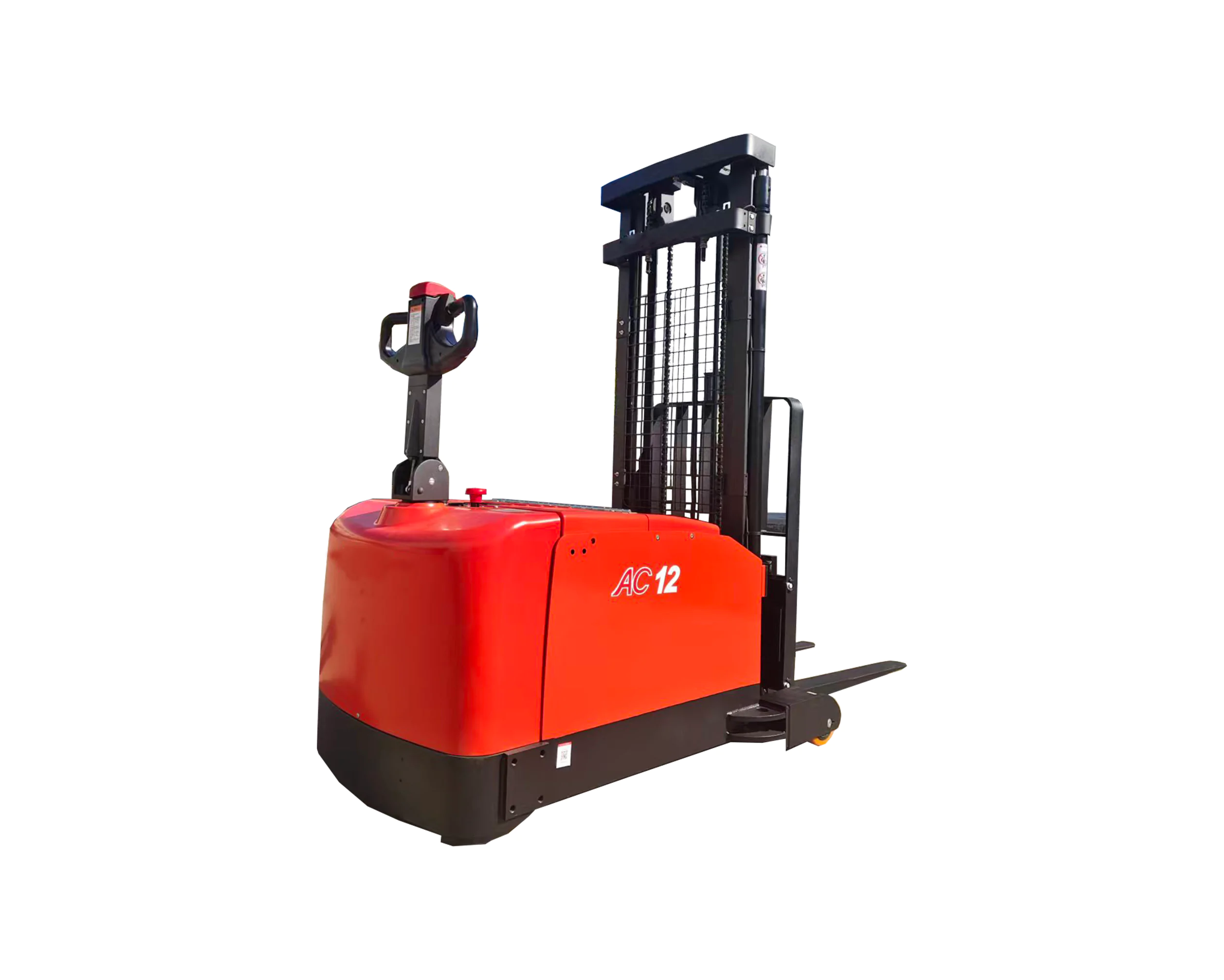
An Electric Tugger can transform warehouse material handling by providing a powered way to move carts, racks, containers, and other wheeled loads. By reducing manual pushing and pulling, an electric tugger can help warehouses improve transportation efficiency, reduce operator fatigue, and support safer material handling practices.
For modern warehouses, the value of an electric tugger goes beyond simply moving loads from one location to another. It can support higher productivity, lower physical labor intensity, and a more consistent internal logistics process.
What Is an Electric Tugger Used for in Warehouses?
An electric tugger is a battery-powered towing vehicle designed primarily for horizontal transportation. Instead of lifting pallets like a forklift or stacker, it connects to wheeled carts, racks, containers, or trailers and pulls them through the facility.
Common warehouse applications include:
- Moving picking and transport carts
- Transporting racks and containers
- Pulling material handling trailers
- Supporting internal replenishment
- Moving materials between warehouse zones
- Supplying production lines
- Reducing manual pushing and pulling
A typical warehouse transportation process can be summarized as:
Warehouse Worker → Connect Carts → Operate Electric Tugger → Transport Materials → Deliver Loads
An electric tugger is particularly useful when the same transportation route is repeated many times during a shift. Moving several carts in one trip can reduce unnecessary walking and repeated handling movements.
Why Are Warehouses Facing Material Handling Challenges?
Warehouse operations are becoming increasingly demanding. Companies need to move more materials while managing labor availability, operating costs, safety requirements, and increasingly complex workflows.
Increasing Labor Costs and Labor Constraints
Many warehouses rely heavily on employees to move carts, containers, and materials between different areas.
As labor availability becomes more difficult to manage, companies are looking for ways to use their workforce more efficiently. Powered material handling equipment can reduce the amount of time employees spend on physically demanding transportation tasks.
An electric tugger does not eliminate the need for operators, but it can shift employees away from repetitive manual transportation and allow them to focus on picking, replenishment, inventory control, production support, and other value-added activities.
Manual Cart Handling Creates Physical Strain
Pushing or pulling heavy carts repeatedly can place physical demands on workers, particularly when loads are heavy, routes are long, or tasks are performed continuously.
Common challenges include:
- Heavy pushing and pulling forces
- Repetitive movement
- Operator fatigue
- Awkward handling positions
- Increased physical workload
Reducing these demands is an important part of improving warehouse ergonomics. An electric tugger provides powered traction so that the operator does not need to supply the majority of the pulling force manually.
Faster Warehouse Operations Require Better Internal Transportation
Modern warehouses need materials to move smoothly between receiving, storage, picking, production, staging, and shipping areas.
When transportation is slow or inconsistent, it can create bottlenecks throughout the workflow.
An electric tugger can support more predictable material movement between areas such as:
Receiving → Storage → Picking → Production → Staging → Shipping
This is particularly valuable in facilities where the same transportation routes are repeated throughout the day.
How Electric Tuggers Improve Warehouse Productivity
The productivity benefits of an electric tugger are mainly related to transportation efficiency, reduced manual effort, and better workflow organization.
Move Multiple Loads at Once
One of the key advantages of an electric tugger is its ability to tow multiple connected carts when the vehicle and towing train are properly rated for the application.
Instead of moving individual carts separately, an operator can transport several loads in a single trip.
| Handling Method | Typical Transportation Pattern | Potential Efficiency |
|---|---|---|
| Manual Cart Handling | Individual or limited-load movement | Lower |
| Electric Tugger | Multiple connected carts | Higher |
The actual productivity improvement depends on towing capacity, route length, cart configuration, floor conditions, traffic, and operator procedures.
For high-frequency internal logistics, reducing the number of trips can significantly improve material flow.
Reduce Transportation Time
An electric tugger provides powered traction and controlled movement, which can reduce the physical effort and time associated with moving wheeled loads.
Potential benefits include:
- More consistent transportation speed
- Less operator walking
- Fewer individual trips
- Reduced waiting between material movements
- More predictable delivery cycles
For example, a warehouse may use an electric tugger to transport materials from a central storage area to several production or picking zones according to a scheduled route.
Improve Workflow Efficiency
An electric tugger can also support more organized internal logistics.
Instead of employees moving carts whenever they become available, companies can establish repeatable transportation routes and schedules.
This can help:
- Reduce unnecessary travel
- Improve material flow
- Reduce transportation bottlenecks
- Support lean warehouse operations
- Improve line-side material replenishment
- Create more predictable internal logistics
In manufacturing environments, this approach can be integrated into milk-run or just-in-time material supply systems.
How Electric Tuggers Improve Workplace Safety
Workplace safety should always be evaluated according to the specific equipment, load, facility, operator training, and operating procedures. An electric tugger does not eliminate all material handling risks, but it can help address some of the physical demands associated with manual cart transportation.
Reduce Manual Pushing and Pulling
Manual transportation of heavy carts can require significant physical force.
An electric tugger provides powered traction, reducing the amount of pushing and pulling force required from the operator.
| Risk Factor | Manual Cart Handling | Electric Tugger |
|---|---|---|
| Physical Effort | High for heavy loads | Reduced |
| Repetitive Pushing | Common | Reduced |
| Operator Fatigue | Can increase with workload | Can be reduced |
| Load Movement | Human-powered | Powered and controlled |
The actual safety benefit depends on correct equipment selection, load configuration, operator training, traffic management, and maintenance.
Improve Load Control
Powered towing can provide more controlled acceleration, movement, and braking than manually moving a heavy cart.
Depending on the equipment configuration, useful safety features may include:
- Emergency stop controls
- Controlled acceleration
- Speed control
- Braking systems
- Warning devices
- Operator presence controls
- Anti-slip drive wheels
Properly secured loads and compatible carts are also essential. Overloading, excessive speed, poor floor conditions, and improper towing connections can still create hazards.
Improve Operator Ergonomics
Ergonomics is another important consideration when evaluating warehouse material handling equipment.
An electric tugger can help operators:
- Reduce repetitive pushing and pulling
- Reduce physical exertion
- Limit unnecessary walking
- Handle heavier cart trains with powered assistance
- Maintain a more consistent operating position
For companies looking to reduce physically demanding transportation tasks, this can be an important part of a broader warehouse ergonomics strategy.
Electric Tugger vs. Manual Material Handling Equipment
Electric tuggers and manual carts serve different operational requirements.
| Feature | Manual Cart | Electric Tugger |
|---|---|---|
| Power Source | Human force | Battery powered |
| Operator Effort | Higher | Lower |
| Transportation Speed | Dependent on operator | Powered movement |
| Multiple-Load Capability | Limited by manual force and cart design | Can tow multiple carts when properly configured |
| Repetitive Transportation | More physically demanding | More suitable for repeated routes |
| Long-Distance Movement | More demanding | Better suited to powered transportation |
Manual carts can still be practical for light loads, short distances, and occasional transportation.
An electric tugger becomes more relevant when the warehouse has heavier carts, longer routes, frequent transportation cycles, or a need to reduce repetitive manual handling.
Common Warehouse Applications of Electric Tuggers
Electric tugger applications are not limited to traditional storage warehouses. They can support material transportation across many types of facilities.
Distribution Centers
Distribution centers can use electric tuggers for:
- Moving picking carts
- Transporting inventory
- Replenishing work areas
- Collecting empty carts
- Moving containers between warehouse zones
The ability to tow multiple carts can be particularly useful when transportation routes are repetitive.
Manufacturing Warehouses
Manufacturing facilities often require continuous movement of components between storage and production areas.
Typical applications include:
- Line-side material supply
- Component replenishment
- Production cart transportation
- Work-in-process movement
- Empty container collection
An electric tugger can support scheduled material delivery and help establish a more predictable internal logistics process.
E-Commerce Fulfillment Centers
E-commerce operations often involve high volumes of repetitive cart transportation.
Electric tuggers can support:
- Picking cart movement
- Order processing workflows
- Replenishment
- Empty-cart transportation
- Internal movement between picking and staging areas
The appropriate equipment depends on aisle width, route length, cart dimensions, traffic conditions, and required towing capacity.
Cold Storage Facilities
Cold storage environments can create additional physical and environmental challenges for warehouse workers.
An electric tugger can reduce the physical effort required to move wheeled loads, making it a potential solution for:
- Frozen food distribution
- Refrigerated warehouses
- Cold-chain logistics
- Temperature-controlled material handling
Equipment used in cold environments should be selected according to the manufacturer’s temperature and battery specifications.
Key Features to Look for in a Warehouse Electric Tugger
Selecting a warehouse electric tugger requires more than checking its maximum towing capacity. The equipment should match the actual workflow, route, load, and operating environment.
Load Capacity
Start by determining the total towing weight.
Consider:
- Total cart weight
- Payload
- Number of carts
- Towing distance
- Floor conditions
- Ramp gradients
- Required acceleration
- Frequency of transportation
The selected model should provide an appropriate safety margin rather than operating continuously at its maximum rated capacity.
Battery Performance
Battery technology directly affects operating time, charging requirements, and maintenance.
| Battery Type | Typical Advantage | Consideration |
|---|---|---|
| Lead-Acid | Lower initial cost | Longer charging and more maintenance requirements |
| Lithium-Ion | Fast charging and opportunity charging potential | Higher initial investment |
Lithium-ion batteries can be useful in multi-shift operations where opportunity charging is practical.
Battery selection should consider:
- Daily operating hours
- Number of shifts
- Charging infrastructure
- Required runtime
- Ambient temperature
- Maintenance requirements
Maneuverability
Warehouse layouts vary considerably, so maneuverability is an important selection factor.
Evaluate:
- Turning radius
- Overall vehicle dimensions
- Aisle width
- Cart dimensions
- Floor layout
- Traffic conditions
- Required towing route
A compact walk-behind electric tugger may be appropriate for confined areas, while a ride-on configuration may be better suited to longer transportation routes.
Safety Features
Depending on the model and application, safety features may include:
- Emergency stop
- Speed control
- Braking system
- Warning devices
- Operator presence controls
- High-traction wheels
- Protective operator design
Safety equipment should be evaluated together with operator training, facility traffic rules, load securing procedures, and preventive maintenance.
Maintenance Tips to Keep Electric Tuggers Reliable
Regular electric tugger maintenance helps maintain equipment reliability and can reduce unexpected downtime.
Daily Checks
Operators should inspect the equipment before operation according to the manufacturer’s procedures.
Important items may include:
- Battery status
- Wheels
- Tow hook
- Controls
- Emergency stop
- Braking function
- Visible damage
Any abnormal condition should be addressed before the equipment is returned to normal operation.
Regular Maintenance
Depending on the equipment design and operating conditions, scheduled maintenance may include:
- Electrical system inspection
- Battery and charging system inspection
- Brake system checks
- Wheel and drive component inspection
- Tow hook inspection
- Fastener checks
- Replacement of worn components
The maintenance schedule should follow the manufacturer’s recommendations and take operating hours and working conditions into account.
The Future of Warehouse Material Handling with Electric Tuggers
The development of electric tugger technology is closely connected with warehouse automation, lithium battery technology, and smart logistics.
Automation Integration
Automated towing systems can combine electric tugger platforms with technologies such as:
- AGV tugger systems
- AMR tugger systems
- Automated material delivery
- Fleet management
- Digital route planning
- Warehouse automation systems
For highly repetitive transportation routes, automated tuggers can reduce the amount of manual intervention required.
However, automation should be selected based on the stability of the workflow, facility layout, required integration, and return on investment.
Sustainable Warehouse Operations
Battery-electric towing equipment can support cleaner indoor material handling because it produces no tailpipe exhaust emissions during operation.
Potential advantages include:
- No combustion exhaust at the point of use
- Reduced operating noise compared with some combustion-powered equipment
- Compatibility with lithium-ion battery systems
- Potentially lower routine maintenance requirements
Energy consumption and overall environmental impact still depend on battery technology, electricity sources, charging practices, equipment utilization, and operating conditions.
Smart Warehouse Integration
As warehouses become more connected, electric tuggers can become part of a broader material handling system.
Future applications may include integration with:
- Warehouse management systems
- Manufacturing execution systems
- Fleet management software
- Automated storage systems
- Production scheduling
- Real-time equipment monitoring
The goal is to create a more coordinated material flow rather than simply automate individual transportation tasks.
Frequently Asked Questions About Electric Tuggers
How does an electric tugger improve warehouse productivity?
An electric tugger can improve productivity by reducing transportation time, moving multiple carts in a single trip, reducing operator walking, and minimizing repetitive manual handling.
Are electric tuggers safer than manual cart handling?
An electric tugger can reduce physical pushing and pulling and provide controlled powered movement. This may help reduce certain manual-handling risks, but overall safety depends on equipment selection, load configuration, operator training, facility procedures, and maintenance.
What types of warehouses use electric tuggers?
Electric tuggers can be used in distribution centers, manufacturing warehouses, e-commerce fulfillment centers, cold storage facilities, and other operations that require frequent transportation of wheeled loads.
How much weight can a warehouse electric tugger move?
Towing capacity varies by model. Industrial electric tuggers can be designed for applications ranging from hundreds of kilograms to several tons. The correct capacity depends on total towing weight, cart configuration, route conditions, floor surface, and gradients.
Are electric tuggers suitable for small warehouses?
Yes. Compact walk-behind electric tuggers can be suitable for small warehouses where space is limited and material transportation routes are relatively short. The vehicle should be selected according to aisle width, turning requirements, load weight, and workflow.
What is the difference between an electric tugger and a forklift?
An electric tugger is primarily designed to tow wheeled loads horizontally, while a forklift is designed to lift and transport loads using forks. They serve different material handling requirements and are not necessarily interchangeable.
Conclusion
An Electric Tugger can provide an efficient solution for warehouses that regularly move carts, racks, containers, or other wheeled loads. By supplying powered traction, it can reduce manual pushing and pulling, support multiple-load transportation, and improve the consistency of internal material flow.
For warehouses dealing with repetitive transportation routes, labor-intensive cart handling, or growing internal logistics requirements, the right electric tugger can become an important part of a broader material handling strategy.
When selecting equipment, consider towing capacity, battery technology, maneuverability, route conditions, operating hours, safety features, and maintenance requirements. Matching the equipment to the actual application is essential for achieving reliable performance and long-term value.
UNILIFT MHE provides electric material handling solutions for warehouses, manufacturing facilities, and industrial logistics applications. Explore our material handling equipment or contact the UNILIFT MHE team to discuss your application and equipment requirements.
Follow UNILIFT MHE for More Material Handling Insights
Stay connected with UNILIFT MHE for the latest updates on electric pallet trucks, electric stackers, electric tuggers, warehouse equipment, material handling solutions, and industry insights. Follow our social media channels to discover new products, application scenarios, company updates, and practical information for modern warehouse and logistics operations.
Explore reliable electric pallet trucks, electric stackers, and material handling solutions at Unilift MHE.
If you would like to contact us, please click here.
If you would like to learn more about our news, please click here.
Facebook: Follow UNILIFT MHE on Facebook
TikTok: Follow UNILIFT MHE on TikTok
Instagram: Follow UNILIFT MHE on Instagram
X: Follow UNILIFT MHE on X
Pinterest: Explore UNILIFT MHE on Pinterest
LinkedIn: Connect with UNILIFT MHE on LinkedIn