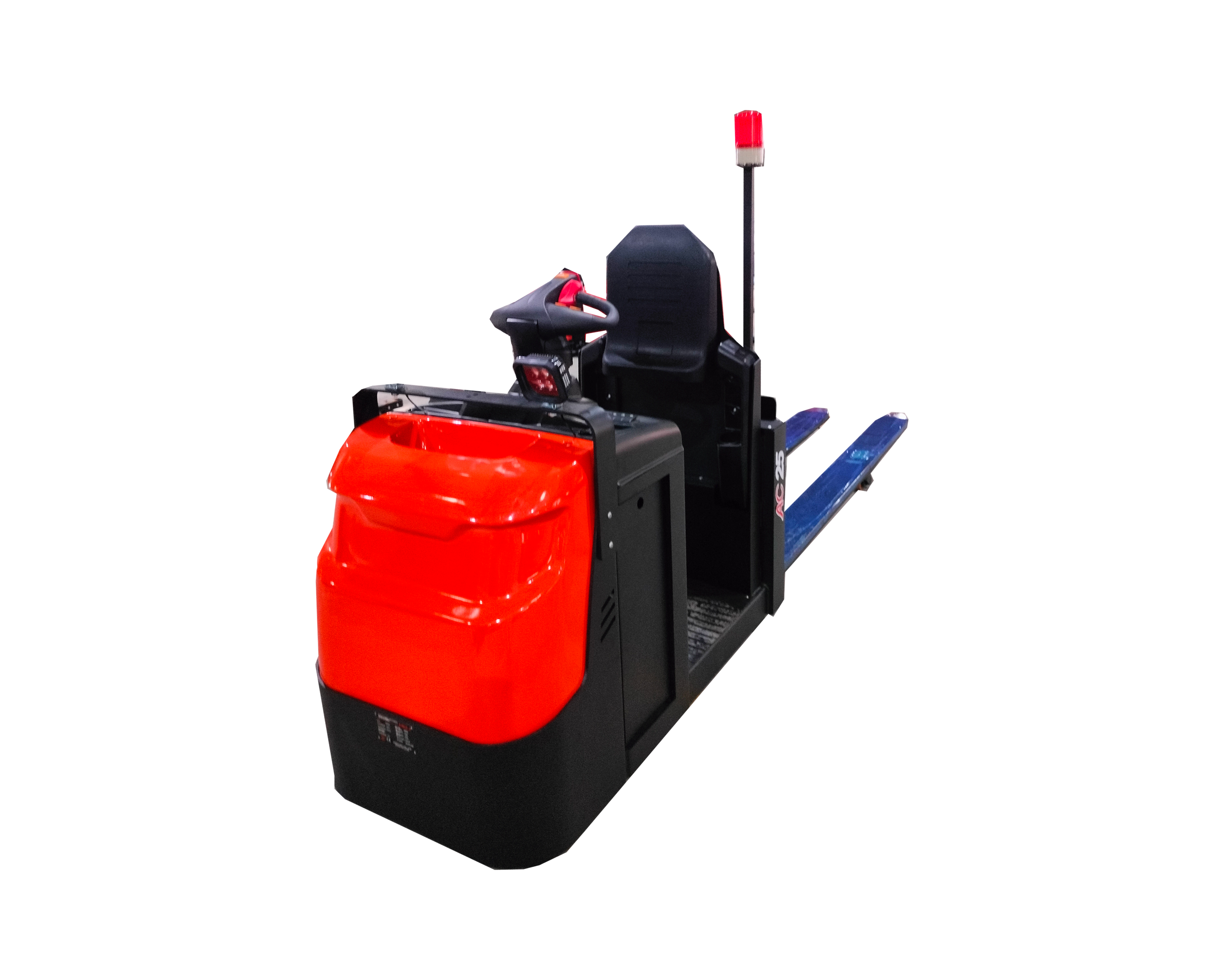
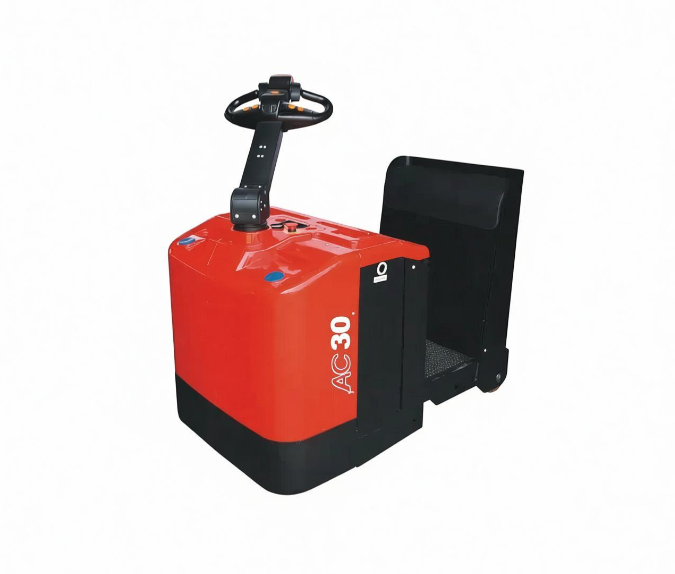
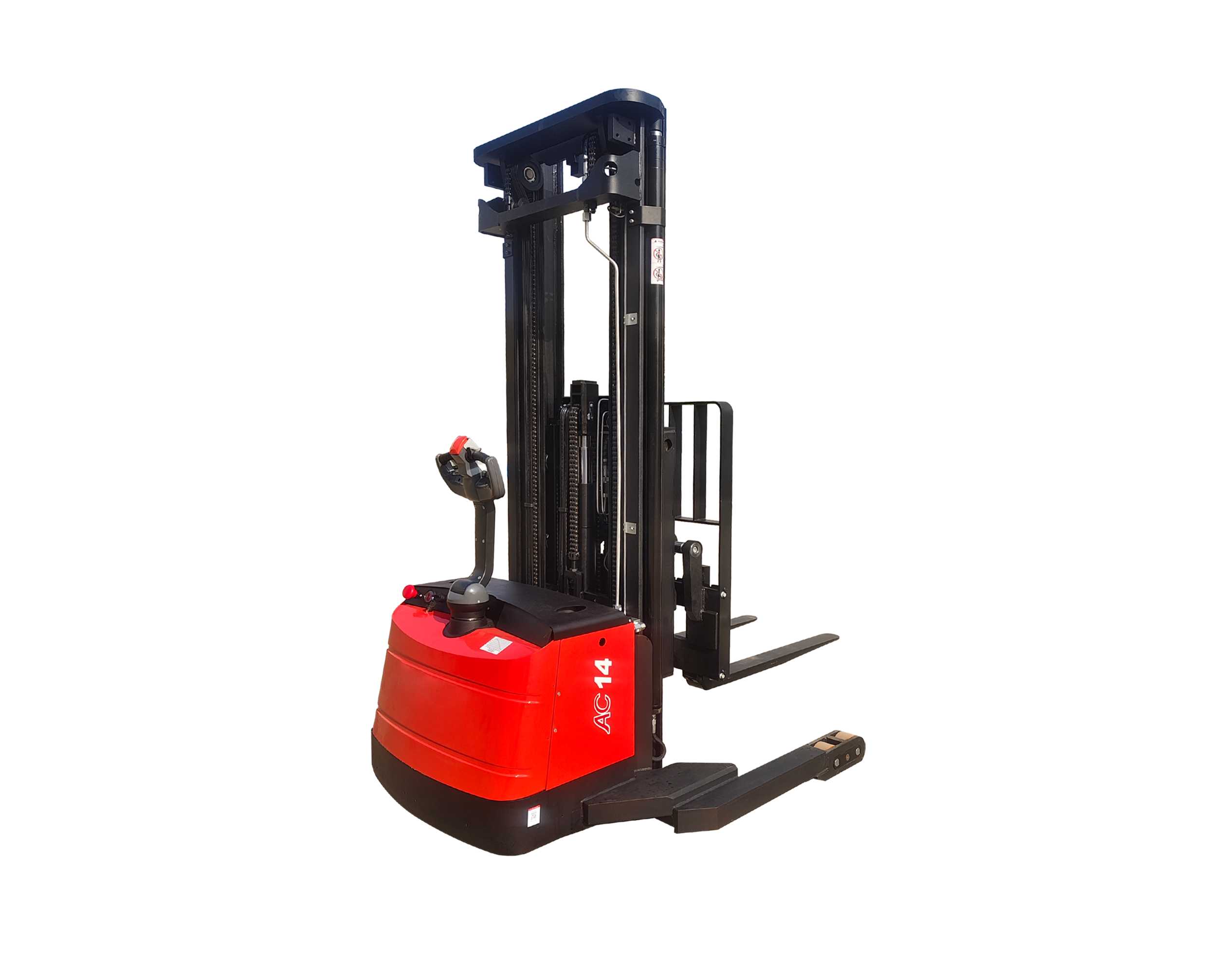
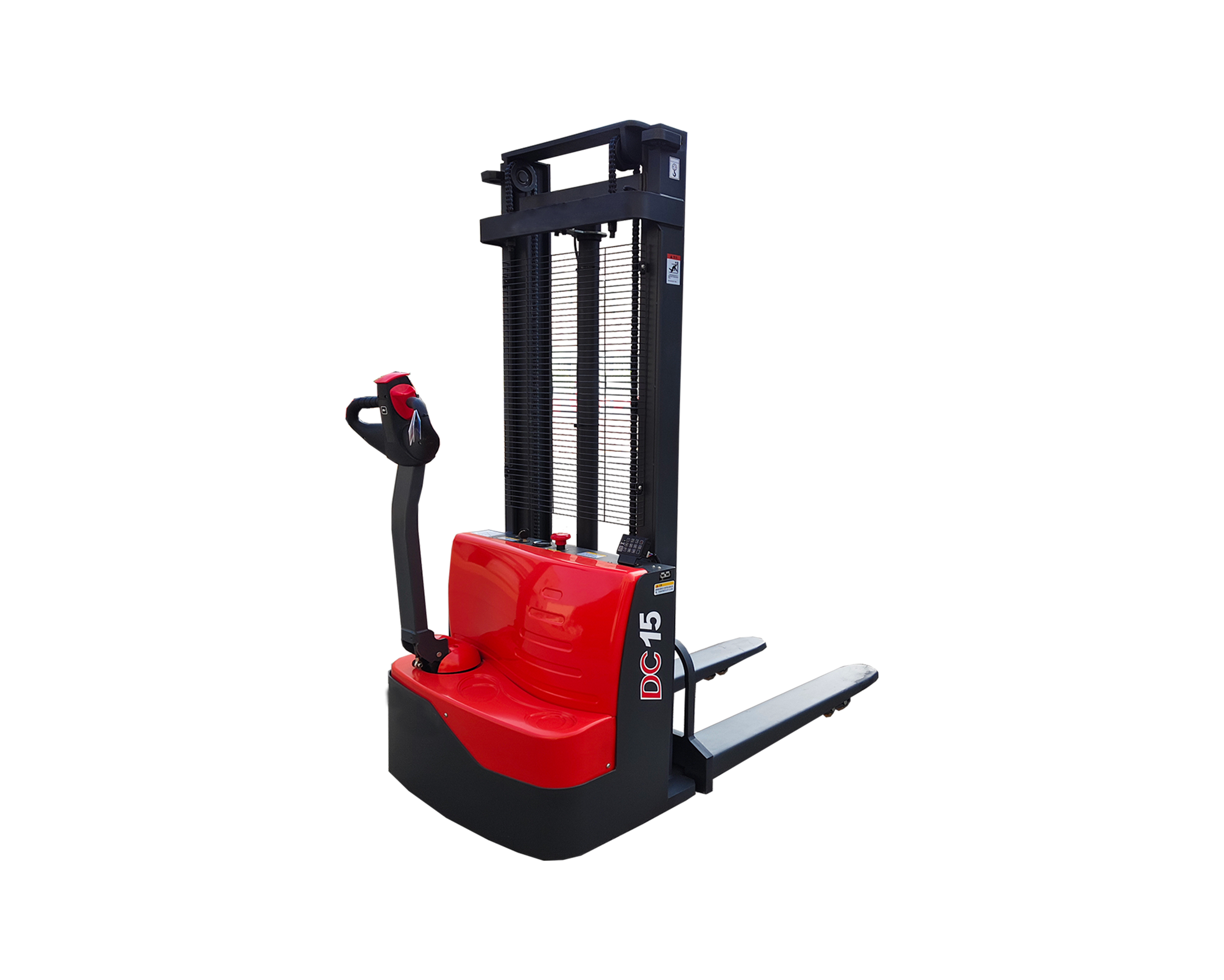
Learning how to operate an electric tugger correctly is essential for safe and efficient material handling in warehouses, factories, logistics centers, and other industrial facilities. Electric tuggers are designed to pull carts, trailers, and material handling equipment, helping businesses move multiple loads with less manual effort.
Although electric tuggers are generally simpler to operate than many powered industrial trucks, improper use can still create collision, load instability, towing, and equipment damage risks. Following the correct operating procedures can improve workflow efficiency, reduce unnecessary equipment wear, and help create a safer working environment.
This guide explains the key steps for electric tugger operation, including pre-operation inspections, towing procedures, speed control, load handling, operator training, and routine maintenance.
1. Understand the Basic Operation of an Electric Tugger
Before operating an electric tugger, operators should understand the equipment’s controls, towing system, safety devices, and operating limitations.
1.1 Know the Main Components Before Operation
The exact configuration varies by model, but common electric tugger components include:
- Drive motor
- Battery system
- Control handle or steering system
- Towing hitch
- Emergency stop button
- Service or parking brake
- Control panel or display
- Warning devices
Understanding these components helps operators use the machine correctly and respond appropriately when an abnormal condition occurs.
Before the first use of a new model, operators should read the manufacturer’s operating instructions and identify the location and function of all controls and safety devices.
1.2 Understand Electric Tugger Controls
Operators should know how to use:
- Forward and reverse controls
- Speed adjustment
- Start and stop functions
- Steering controls
- Parking or service brake
- Emergency stop system
- Horn and warning devices
Controls should be checked before starting normal work.
If a control, brake, steering function, warning device, or safety feature does not operate as expected, the equipment should be removed from service according to the manufacturer’s procedures until the issue has been assessed.
2. Perform Pre-Operation Safety Checks
A pre-operation inspection is one of the most important parts of safe electric tugger operation.
2.1 Inspect the Electric Tugger Condition
Before each operating period, check the equipment according to the manufacturer’s inspection requirements.
Important items may include:
- Battery charge and condition
- Tires or drive wheels
- Steering function
- Brake performance
- Emergency stop system
- Warning lights and audible alarms
- Control buttons
- Visible damage
- Electrical cables and connectors
Look for unusual noises, fluid leaks, damaged components, or other signs that could affect safe operation.
2.2 Check the Towing Connection
Before moving a cart or trailer:
- Confirm that the hitch is correctly connected
- Check that the towing device is compatible
- Make sure the connection is properly secured
- Verify that the cart or trailer is in suitable condition
- Confirm that the total towed load is within the tugger’s rated capacity
- Check that the load is stable and properly distributed
A secure towing connection helps reduce the risk of trailer separation and uncontrolled movement.
2.3 Confirm the Working Environment
Operators should inspect the planned travel route before starting work.
Check:
- Floor condition
- Aisle width
- Obstacles
- Pedestrian traffic
- Doorways
- Intersections
- Ramps and slopes
- Loading and unloading areas
- Overhead clearance where relevant
Particular attention should be given to shared pedestrian and vehicle areas.
Employers should establish traffic management procedures appropriate to their facility, including designated routes, visibility controls, warning systems, and pedestrian separation where required.
For general workplace guidance on powered industrial truck safety, refer to OSHA Powered Industrial Trucks guidance.
3. Follow Safe Electric Tugger Operating Procedures
Once the equipment and work area have been inspected, operators can begin the towing operation.
3.1 Start the Electric Tugger Properly
A typical operating sequence may include:
- Enter the operating position correctly.
- Turn on the power system.
- Check battery and warning indicators.
- Confirm that no warning or fault condition is present.
- Test steering and braking at low speed.
- Confirm that the towing connection is secure.
- Begin moving slowly.
- Increase speed only when the route and load conditions permit.
The exact sequence depends on the equipment design, so operators should follow the manufacturer’s instructions.
3.2 Operate at a Safe Speed
There is no single speed that is suitable for every electric tugger application.
Operators should adjust speed according to:
- Manufacturer specifications
- Load size and stability
- Floor conditions
- Aisle width
- Pedestrian traffic
- Visibility
- Turning conditions
- Ramps and slopes
- Towing distance
Reduce speed before turning, entering intersections, passing through restricted areas, or operating where visibility is limited.
Avoid sudden acceleration, sharp turns, and abrupt braking whenever conditions permit. Smooth operation helps maintain load stability and reduces unnecessary stress on the towing equipment.
3.3 Maintain Proper Load Handling
Safe towing requires the operator to understand both the tugger’s rated towing capacity and the characteristics of the cart or trailer.
Follow these principles:
- Do not exceed the rated towing capacity.
- Distribute loads as evenly as practical.
- Keep the center of gravity as stable as possible.
- Secure loose materials before transportation.
- Do not tow damaged or unsuitable carts.
- Make sure the trailer connection is secure before moving.
- Avoid towing loads that exceed the manufacturer’s permitted dimensions or operating conditions.
The rated towing capacity should always be checked against the manufacturer’s specifications for the specific tugger and towing configuration.
4. Improve Electric Tugger Operating Efficiency
Safe operation and efficient operation should work together.
4.1 Plan Transportation Routes
An efficient material handling route can reduce unnecessary travel and improve overall workflow.
Consider:
- Shorter practical travel paths
- One-way traffic routes where appropriate
- Dedicated tugger lanes
- Reduced congestion
- Clearly defined loading and unloading points
- Coordination with pedestrian traffic
Route planning can also reduce unnecessary battery consumption and travel time.
4.2 Use the Correct Tugger for the Application
Different applications require different electric tugger configurations.
| Application | Potentially Suitable Equipment |
|---|---|
| Short-distance material movement | Walk-behind electric tugger |
| Longer-distance transport | Ride-on electric tugger |
| High-frequency internal logistics | Ride-on or industrial electric tugger |
| Automated material flow | Automated tugger or tugger-based AGV/AMR system |
The final selection should consider towing capacity, travel distance, operating environment, load type, floor conditions, and required automation level.
4.3 Avoid Overloading the Equipment
Overloading can increase stress on the drive system and towing components and may negatively affect braking, handling, battery runtime, and equipment service life.
Always operate within:
- Rated towing capacity
- Manufacturer-specified operating conditions
- Permitted trailer configuration
- Applicable site safety procedures
If the required towing load is significantly higher than the existing equipment specification, the solution should be reviewed rather than simply increasing the load.
5. Common Electric Tugger Operating Mistakes to Avoid
5.1 Ignoring Daily Inspections
Skipping inspections can allow small problems to become larger equipment or safety issues.
Potential consequences include:
- Unexpected downtime
- Premature component wear
- Increased maintenance costs
- Reduced operating reliability
A short inspection before operation can help identify visible problems before the equipment enters service.
5.2 Driving Too Fast
Excessive speed for the operating environment can make it more difficult to control the tugger and to stop safely.
Potential risks include:
- Load instability
- Longer stopping distances
- Loss of control
- Collision with people, equipment, or infrastructure
The correct operating speed should always be determined according to the equipment specification and workplace conditions.
5.3 Improper Charging Practices
Battery handling and charging procedures depend on the battery technology and charger configuration.
Avoid:
- Using damaged charging cables or connectors
- Using an incompatible charger
- Charging in an unsuitable environment
- Ignoring battery warnings
- Continuing to use damaged battery components
For lithium-ion and lead-acid systems, follow the battery and charger manufacturer’s specific charging, inspection, and maintenance instructions.
5.4 Using an Electric Tugger for the Wrong Purpose
Electric tuggers are primarily designed for towing applications.
Suitable uses can include:
- Pulling carts and trailers
- Internal material transportation
- Moving multiple connected loads where the equipment is designed for this purpose
An electric tugger should not automatically be used as a replacement for equipment designed for:
- Pallet lifting
- High-level stacking
- Rack loading
- Other lifting operations
Select equipment according to the actual material handling task.
6. Electric Tugger Safety Training for Operators
Operator training is an important part of a safe material handling program.
6.1 Basic Training Requirements
Training should cover, as applicable:
- Equipment controls
- Towing capacity
- Load limitations
- Starting and stopping procedures
- Steering and braking
- Pre-operation inspection
- Workplace traffic rules
- Pedestrian awareness
- Emergency procedures
- Battery charging procedures
- Safe towing practices
Training requirements vary by jurisdiction, equipment type, and workplace. Employers should follow applicable regulations and manufacturer requirements.
6.2 Workplace Safety Rules
Operators should:
- Maintain adequate visibility
- Reduce speed in congested areas
- Use designated travel routes
- Give appropriate warning at intersections
- Keep pedestrians clear of moving equipment and loads
- Follow site-specific traffic rules
- Wear required personal protective equipment
- Report equipment defects promptly
Where the load or towing configuration restricts forward visibility, the operator should follow the manufacturer’s instructions and the facility’s established operating procedures.
7. Maintenance Practices for Safe and Efficient Operation
Regular maintenance helps keep an electric tugger reliable and ready for work.
7.1 Daily Maintenance and Inspection
Depending on the model, inspect:
- Battery condition
- Wheels and tires
- Brakes
- Steering system
- Hitch system
- Emergency stop
- Warning devices
- Control system
- Visible cables and connectors
Any significant defect should be reported and addressed according to the manufacturer’s maintenance procedure before the machine returns to normal operation.
7.2 Regular Maintenance
Scheduled maintenance may include:
- Battery inspection
- Brake system checks
- Motor inspection
- Electrical system testing
- Wheel and tire inspection
- Hitch and towing component inspection
- Fastener checks
- Replacement of worn components
Follow the maintenance intervals specified by the manufacturer rather than relying only on a generic schedule.
Proper maintenance can help:
- Extend equipment service life
- Reduce unexpected downtime
- Improve operating reliability
- Control maintenance costs
- Maintain safety functions
8. How Safe Electric Tugger Operation Improves Warehouse Performance
Correct electric tugger operation can contribute to both safety and operational efficiency.
8.1 Higher Productivity
Properly operated electric tuggers can support:
- Consistent material movement
- Multiple-load transportation
- Reduced manual pushing and pulling
- More organized internal logistics
Route planning and appropriate equipment selection can further improve material flow.
8.2 Lower Operating Costs
Efficient operation and preventive maintenance can help reduce:
- Unplanned downtime
- Premature component wear
- Unnecessary battery consumption
- Repair costs
- Inefficient travel
8.3 Improved Workplace Safety
A structured operating procedure can help reduce avoidable risks associated with:
- Vehicle-pedestrian interaction
- Unstable towing loads
- Excessive speed
- Improper towing connections
- Equipment defects
Safety performance depends on the complete workplace system, including equipment design, operator training, traffic management, maintenance, and supervision.
9. How to Operate an Electric Tugger: A Practical Checklist
For everyday use, operators can follow this simplified sequence:
Before Operation
- Inspect the tugger.
- Check battery condition.
- Test steering and brakes.
- Check emergency and warning devices.
- Inspect the hitch and towing connection.
- Confirm the load is within rated capacity.
- Inspect the travel route.
During Operation
- Start smoothly.
- Maintain a controlled speed.
- Watch for pedestrians and obstacles.
- Slow down before turns and intersections.
- Keep the load stable.
- Avoid sudden acceleration and braking.
- Follow designated travel routes.
After Operation
- Park in the designated location.
- Apply the parking brake where applicable.
- Switch off the equipment according to the manufacturer’s procedure.
- Disconnect or charge the battery as required.
- Report damage or abnormal conditions.
- Complete any required post-operation inspection.
This simple routine helps turn safe operating practices into a consistent daily process.
10. FAQ About Electric Tugger Operation
Q1: Do operators need training before using an electric tugger?
Yes. Operators should receive appropriate training on the specific equipment, workplace procedures, towing limits, controls, inspection requirements, and emergency procedures before operating the machine.
Q2: What should be checked before using an electric tugger?
Check the battery, wheels or tires, brakes, steering, controls, emergency stop, warning devices, hitch system, towing connection, and travel route according to the manufacturer’s inspection requirements.
Q3: Can an electric tugger pull any type of cart?
No. The cart or trailer must be compatible with the tugger and the towing configuration must remain within the manufacturer’s rated capacity and operating requirements.
Q4: What is the maximum safe speed for an electric tugger?
There is no universal safe speed for every application. The appropriate speed depends on the specific model, manufacturer’s limits, workplace layout, load, visibility, pedestrians, floor conditions, and other operating factors.
Q5: How can operators improve electric tugger efficiency?
Operators can improve efficiency by planning practical routes, avoiding unnecessary travel, staying within rated towing capacity, operating smoothly, charging the battery correctly, and following preventive maintenance procedures.
Q6: Can an electric tugger replace a forklift?
Not in every application. Electric tuggers are primarily designed for towing, while forklifts are designed for lifting and transporting loads. Equipment should be selected according to the required material handling task.
Conclusion
Knowing how to operate an electric tugger safely requires more than understanding the forward and reverse controls. Operators should inspect the equipment, verify the towing connection, understand load limitations, control speed according to workplace conditions, follow established traffic procedures, and maintain the machine according to the manufacturer’s requirements.
For businesses looking for electric tuggers, electric pallet trucks, electric stackers, and other material handling solutions, explore UNILIFT MHE material handling equipment.
For product selection and application support, visit UNILIFT MHE Contact Us.
For more industry information and company updates, visit UNILIFT MHE News.
Follow UNILIFT MHE for More Material Handling Insights
Stay connected with UNILIFT MHE for the latest updates on electric pallet trucks, electric stackers, electric tuggers, warehouse equipment, material handling solutions, and industry insights. Follow our social media channels to discover new products, application scenarios, company updates, and practical information for modern warehouse and logistics operations.
Explore reliable electric pallet trucks, electric stackers, and material handling solutions at Unilift MHE.
If you would like to contact us, please click here.
If you would like to learn more about our news, please click here.
Facebook: Follow UNILIFT MHE on Facebook
TikTok: Follow UNILIFT MHE on TikTok
Instagram: Follow UNILIFT MHE on Instagram
X: Follow UNILIFT MHE on X
Pinterest: Explore UNILIFT MHE on Pinterest
LinkedIn: Connect with UNILIFT MHE on LinkedIn