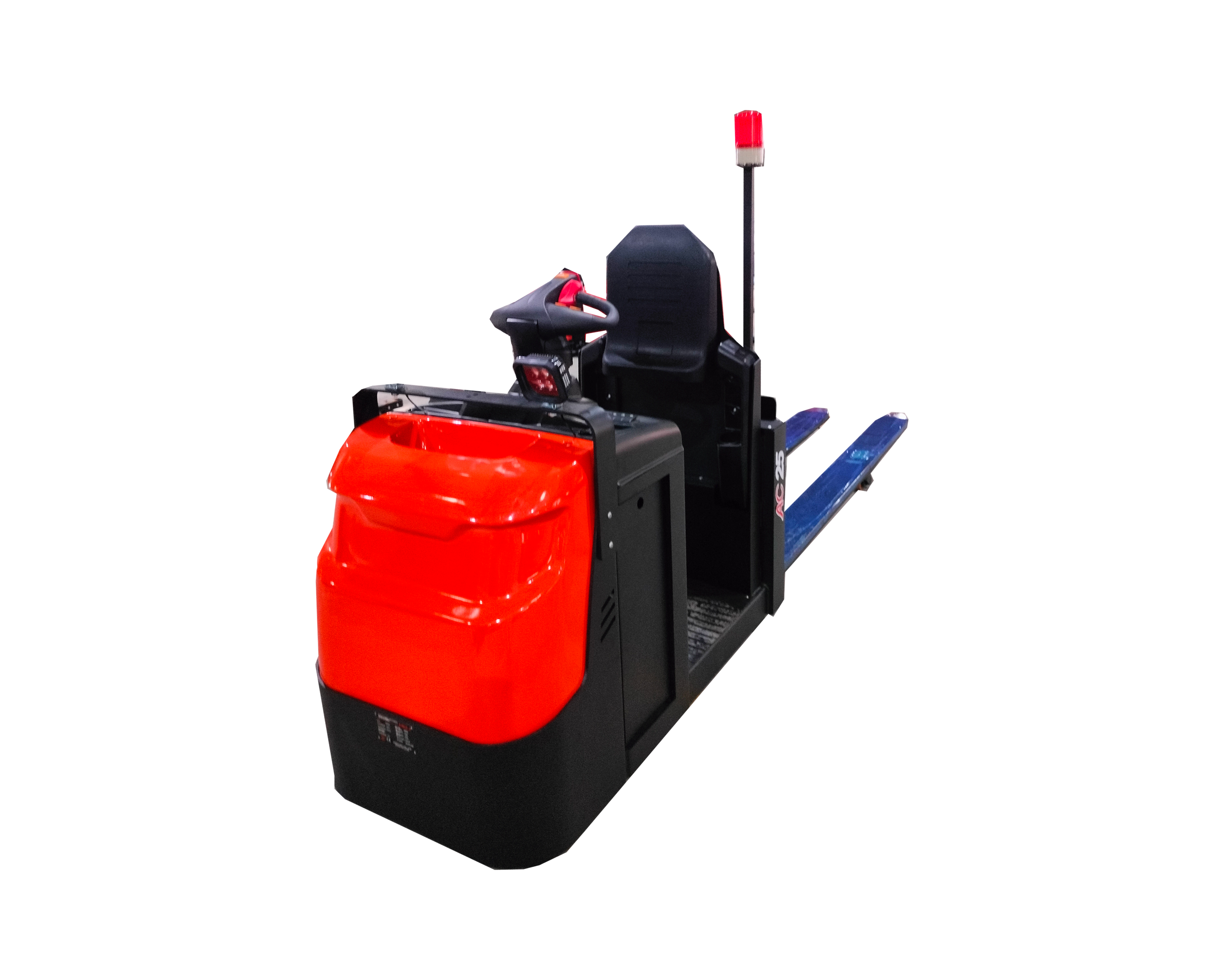
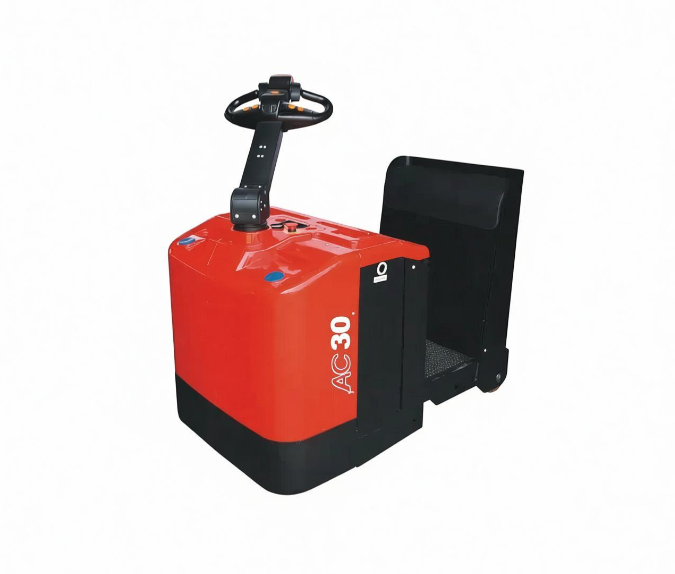
1. Introduction: Why Understanding Electric Tugger Problems Matters
- Explain the increasing use of electric tuggers in:
- Warehouses
- Manufacturing facilities
- Airports
- Distribution centers
- Introduce how unexpected equipment failures can lead to:
- Production delays
- Higher maintenance costs
- Reduced operational efficiency
- Emphasize that identifying common electric tugger problems helps businesses improve uptime and productivity.
2. Why Electric Tuggers Experience Operational Problems
2.1 Heavy-Duty Working Conditions
- Frequent towing operations increase wear on:
- Motors
- Wheels
- Braking systems
- Mechanical components
2.2 Improper Operation
- Common causes:
- Overloading
- Incorrect towing methods
- Aggressive acceleration and braking
- Ignoring warning signals
2.3 Insufficient Maintenance
- Lack of regular inspection may cause:
- Battery performance decline
- Electrical failures
- Mechanical damage
3. Common Electric Tugger Problems and Solutions
3.1 Reduced Towing Power
Possible Causes:
- Low battery voltage
- Aging battery pack
- Motor wear
- Controller malfunction
- Excessive load
Solutions:
- Check battery charge level and health.
- Inspect motor and drive system.
- Verify towing capacity matches application requirements.
3.2 Short Operating Time After Charging
Possible Causes:
- Battery aging
- Incorrect charging habits
- Damaged battery cells
- High operating intensity
Solutions:
- Check battery condition regularly.
- Avoid deep discharge.
- Use proper charging procedures.
- Consider upgrading to lithium battery systems.
3.3 Electric Tugger Cannot Start
Possible Causes:
- Empty battery
- Loose electrical connections
- Emergency stop activated
- Controller failure
- Safety switch problems
Solutions:
- Check power supply.
- Inspect wiring and connectors.
- Reset safety systems.
- Diagnose electronic components.
3.4 Slow Movement or Poor Acceleration
Possible Causes:
- Motor performance issues
- Controller problems
- Battery voltage drop
- Excessive load
Solutions:
- Test drive motor output.
- Inspect controller settings.
- Confirm load is within rated capacity.
3.5 Abnormal Noise During Operation
Possible Causes:
- Wheel or bearing wear
- Loose mechanical parts
- Lack of lubrication
- Drive system damage
Solutions:
- Inspect wheels and bearings.
- Tighten loose components.
- Lubricate moving parts regularly.
3.6 Brake System Problems
Possible Causes:
- Brake component wear
- Incorrect adjustment
- Electrical brake failure
Solutions:
- Test braking performance regularly.
- Inspect brake components.
- Replace worn parts immediately.
3.7 Steering Difficulties
Possible Causes:
- Damaged steering mechanism
- Wheel alignment problems
- Worn steering components
Solutions:
- Check steering system condition.
- Inspect wheels and mechanical connections.
- Repair damaged parts.
4. Electric Tugger Troubleshooting Checklist
| Problem | Possible Cause | Recommended Action |
|---|---|---|
| No power | Battery or electrical failure | Check battery and wiring |
| Weak towing force | Low voltage or motor issue | Inspect drive system |
| Short working time | Battery degradation | Test battery performance |
| Unusual noise | Component wear | Inspect mechanical parts |
| Poor braking | Brake wear or failure | Repair brake system |
| Slow speed | Controller or overload | Check settings and load |
5. How Preventive Maintenance Helps Avoid Downtime
5.1 Perform Daily Inspections
Check:
- Battery status
- Wheels and tires
- Brakes
- Controls
- Tow hook condition
5.2 Follow a Regular Maintenance Schedule
Include:
- Battery inspection
- Electrical system checks
- Motor maintenance
- Lubrication
- Fastener tightening
5.3 Keep Maintenance Records
Record:
- Equipment operating hours
- Repair history
- Battery replacement dates
- Component inspection results
6. How Operators Can Prevent Electric Tugger Failures
6.1 Avoid Overloading
- Operate within rated towing capacity.
- Prevent excessive stress on motors and frames.
6.2 Use Correct Driving Practices
- Avoid sudden acceleration.
- Brake smoothly.
- Operate carefully in narrow spaces.
6.3 Report Problems Early
- Encourage operators to report:
- Strange noises
- Reduced performance
- Warning indicators
7. The Role of Battery Management in Reducing Downtime
- Battery is one of the most important components of electric tuggers.
- Proper battery management includes:
- Correct charging cycles
- Temperature control
- Regular inspection
- Battery health monitoring
Lithium Battery Advantages:
- Longer service life
- Faster charging
- Lower maintenance requirements
- Stable performance
8. When Should an Electric Tugger Be Repaired or Replaced?
Repair May Be Suitable When:
- Minor electrical faults occur.
- Wear parts need replacement.
- Battery capacity can be restored.
Replacement May Be Better When:
- Major structural damage exists.
- Repair costs exceed equipment value.
- Performance no longer meets operational needs.
9. Choosing a Reliable Electric Tugger to Reduce Maintenance Costs
Discuss important purchasing factors:
- High-strength frame construction
- Reliable AC drive motor
- Durable wheels and braking system
- Advanced battery management system (BMS)
- Easy access for maintenance
- Manufacturer technical support
10. Conclusion: Reduce Downtime Through Better Electric Tugger Management
- Understanding common failures allows companies to respond quickly.
- Preventive maintenance improves reliability and reduces operating costs.
- Proper operation and regular inspections help electric tuggers deliver long-term performance.
FAQ Section (SEO Featured Snippet Optimization)
Q1: What are the most common electric tugger problems?
Answer:
The most common electric tugger problems include reduced towing power, battery issues, starting failures, slow movement, abnormal noise, brake problems, and steering difficulties.
Q2: Why does my electric tugger lose power during operation?
Answer:
Power loss is usually caused by low battery voltage, battery aging, motor problems, controller faults, or operating beyond the rated towing capacity.
Q3: How can I prevent electric tugger downtime?
Answer:
Regular inspections, proper charging, operator training, preventive maintenance, and timely replacement of worn components can significantly reduce downtime.
Q4: How long does an electric tugger battery last?
Answer:
Battery life depends on battery type, usage frequency, charging habits, and maintenance. Properly maintained lithium batteries typically provide longer service life than traditional lead-acid batteries.
Q5: What should I do if my electric tugger suddenly stops working?
Answer:
Check the battery level, emergency stop button, electrical connections, safety switches, and controller system before contacting technical support.