1. Introduction: The Importance of Control Systems in Electric Tuggers
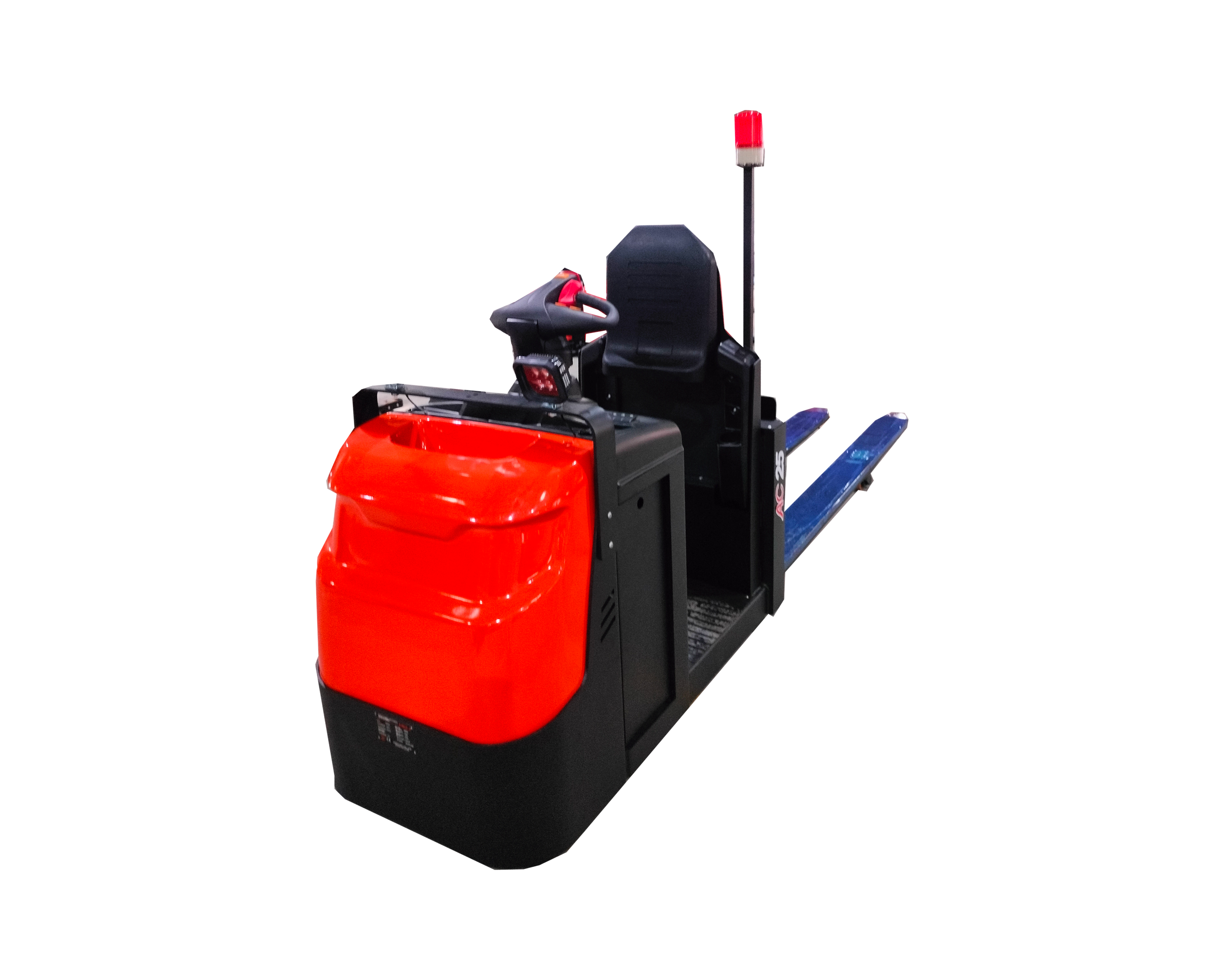
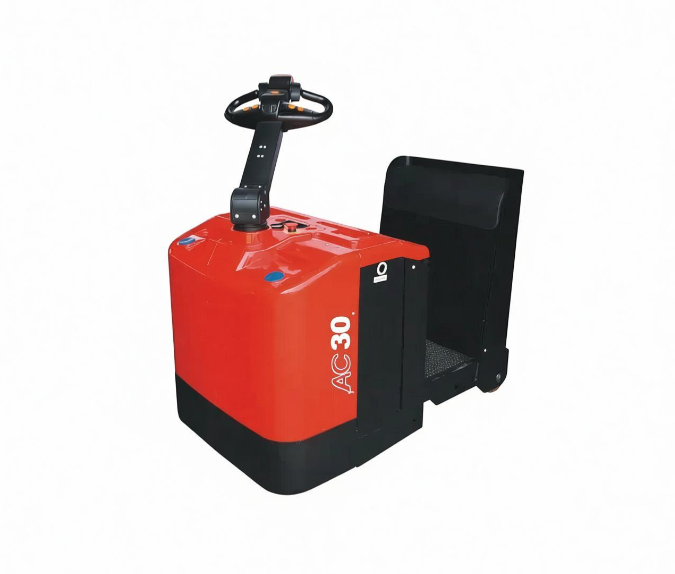
Introduce electric tuggers as essential material handling equipment used in:
Warehouses
Manufacturing plants
Logistics centers
Airports
Distribution facilities
Explain that the control system acts as the “brain” of an electric tugger by managing:
Speed
Acceleration
Braking
Power distribution
Safety functions
Highlight that understanding control systems helps businesses:
Improve operational efficiency
Reduce equipment wear
Enhance operator safety
Maximize battery performance
2. What Is an Electric Tugger Control System?
2.1 Definition of an Electric Tugger Control System
Explain that the control system is an electronic system responsible for receiving operator commands and controlling equipment operation.
It connects major components including:
Battery
Motor
Accelerator
Brake system
Safety devices
Display interface
2.2 Main Functions of the Control System
The control system manages:
Motor power output
Travel speed adjustment
Acceleration and deceleration
Braking control
Fault monitoring
Safety protection
3. How an Electric Tugger Control System Works
3.1 Receiving Operator Input
Input devices include:
Control handle
Accelerator switch
Steering controls
Direction selector
Emergency stop button
Working process:
- Operator provides commands.
- Sensors collect operation signals.
- Controller processes information.
- Motor receives adjusted power output.
- Electric tugger performs movement.
3.2 Processing Signals Through the Controller
Controller Functions:
Analyze operator commands.
Calculate required motor output.
Adjust electrical current and voltage.
Benefits:
Smooth acceleration.
Accurate speed control.
Reduced energy consumption.
3.3 Controlling Motor Operation
The controller regulates:
Motor torque
Rotation speed
Power delivery
Results:
Stable towing performance.
Better load handling.
Improved efficiency.
3.4 Coordinating Safety Systems
Control systems manage:
Emergency stop functions
Overload protection
Speed limits
Brake activation
Fault warnings
Purpose:
Prevent unsafe operation.
Protect operators and equipment.
4. Main Components of an Electric Tugger Control System
| Component | Function |
|---|---|
| Controller | Processes signals and manages operation |
| Sensors | Collect operating data |
| Accelerator | Controls speed commands |
| Steering Controls | Provides direction control |
| Display Panel | Shows equipment status |
| Safety Switches | Protect operators |
| Motor Controller | Regulates power output |
5. Key Technologies Used in Modern Electric Tugger Control Systems
5.1 Intelligent Motor Controllers
Features:
Precise power management
Automatic performance adjustment
Fault detection
Benefits:
Improved energy efficiency
Reduced motor stress
Better towing performance
5.2 Electronic Speed Control Technology
Functions:
Adjust travel speed according to operating conditions.
Provide smooth acceleration and braking.
Advantages:
Prevent sudden movements.
Improve load stability.
Increase operator control.
5.3 CAN-BUS Communication Technology
How It Works:
Allows different electronic components to communicate.
Connected Components:
Battery system
Controller
Display
Sensors
Benefits:
Faster data transmission.
Better system monitoring.
Easier troubleshooting.
5.4 Fault Diagnosis Systems
Monitoring Functions:
Detect electrical problems.
Record error codes.
Identify abnormal operation.
Advantages:
Faster maintenance.
Reduced downtime.
Improved reliability.
5.5 Regenerative Braking Control
Working Principle:
Controller manages energy recovery during braking.
Converts braking energy back into battery power.
Benefits:
Improves energy efficiency.
Extends operating time.
Reduces brake wear.
6. How Control Systems Improve Electric Tugger Efficiency
6.1 Optimize Power Usage
Deliver only the required power.
Reduce unnecessary battery consumption.
Improve operating hours per charge.
6.2 Improve Driving Precision
Control systems provide:
Smooth acceleration
Accurate speed adjustment
Better maneuverability
Benefits:
Easier operation in narrow spaces.
Reduced risk of collisions.
6.3 Protect Critical Components
Intelligent control helps prevent:
Motor overload
Battery over-discharge
Excessive current
Overheating
Results:
Longer equipment lifespan.
Lower maintenance costs.
6.4 Improve Operator Safety
Safety features include:
Emergency stop control
Speed limitation
Automatic braking assistance
Warning indicators
7. Common Electric Tugger Control System Problems and Solutions
| Problem | Possible Cause | Solution |
|---|---|---|
| Tugger does not move | Controller or power issue | Check battery and controller status |
| Slow response | Sensor or control fault | Inspect control components |
| Sudden stopping | Safety protection activated | Check alarms and error codes |
| Speed fluctuation | Motor controller issue | Diagnose electrical system |
| Display errors | Communication failure | Check CAN-BUS connections |
8. Maintenance Tips for Electric Tugger Control Systems
8.1 Inspect Electrical Connections
Check:
Wiring harnesses
Connectors
Terminals
Purpose:
Prevent signal interruption.
8.2 Keep Control Components Clean
Avoid:
Dust buildup
Moisture exposure
Contamination
Benefits:
Improves reliability.
8.3 Monitor Error Messages
Operators should:
Record warning codes.
Report abnormal conditions.
Perform timely inspections.
8.4 Perform Regular Professional Diagnostics
Recommended checks:
Controller performance
Sensor accuracy
Software updates
Electrical system testing
9. The Role of Control Systems in Different Applications
9.1 Warehouse Operations
Benefits:
Precise movement in narrow aisles.
Efficient cart transportation.
Reduced operator fatigue.
9.2 Manufacturing Facilities
Applications:
Assembly line logistics
Component delivery
Production material movement
Control advantages:
Stable speed control.
Reliable operation.
9.3 Airport Ground Handling
Requirements:
Smooth towing.
High reliability.
Safety-focused operation.
9.4 Heavy-Duty Industrial Applications
Advanced control systems help:
Manage heavy loads.
Maintain stable performance.
Reduce equipment stress.
10. How to Choose an Electric Tugger with an Advanced Control System
Consider:
10.1 Control Accuracy
Look for:
Smooth speed adjustment
Responsive controls
Precise operation
10.2 Safety Features
Important functions:
Emergency stop
Fault alarms
Overload protection
10.3 Smart Monitoring Capability
Features:
Battery monitoring
Diagnostic systems
Data communication
10.4 Compatibility with Future Automation
Consider:
AGV integration
Fleet management systems
Smart warehouse solutions
11. Future Trends in Electric Tugger Control Technology
11.1 AI-Based Intelligent Control
Future systems may include:
Predictive maintenance
Automatic performance optimization
Smart route management
11.2 Autonomous Electric Tugger Systems
Development includes:
AGV tugger solutions
AMR towing systems
Automated material movement
11.3 Cloud-Based Fleet Monitoring
Potential features:
Remote diagnostics
Equipment tracking
Operation data analysis
12. Conclusion: Smart Control Systems Improve Electric Tugger Performance
The control system plays a critical role in electric tugger operation.
Advanced controllers improve:
Efficiency
Safety
Energy management
Equipment reliability
Understanding how control systems work helps companies maximize the value of electric tugger investments.
FAQ Section (SEO Featured Snippet Optimization)
Q1: What is the function of an electric tugger control system?
Answer:
An electric tugger control system manages motor power, speed, braking, safety functions, and communication between electrical components to ensure efficient operation.
Q2: How does a controller improve electric tugger efficiency?
Answer:
The controller optimizes power output, controls acceleration, reduces energy waste, protects components, and improves overall operating performance.
Q3: What are the main components of an electric tugger control system?
Answer:
The main components include the controller, sensors, accelerator, steering controls, display panel, safety switches, and motor control unit.
Q4: Why are intelligent controllers important for electric tuggers?
Answer:
Intelligent controllers provide precise control, fault diagnosis, energy optimization, and safety protection, helping reduce downtime and improve productivity.
Q5: How can control system failures be prevented?
Answer:
Regular inspections, proper cleaning, monitoring error codes, checking electrical connections, and performing professional diagnostics can help prevent control system failures.
Follow UNILIFT MHE for More Material Handling Insights
Stay connected with UNILIFT MHE for the latest updates on electric pallet trucks, electric stackers, electric tuggers, warehouse equipment, material handling solutions, and industry insights. Follow our social media channels to discover new products, application scenarios, company updates, and practical information for modern warehouse and logistics operations.
Explore reliable electric pallet trucks, electric stackers, and material handling solutions at Unilift MHE.
If you would like to contact us, please click here.
If you would like to learn more about our news, please click here.
Facebook: Follow UNILIFT MHE on Facebook
TikTok: Follow UNILIFT MHE on TikTok
Instagram: Follow UNILIFT MHE on Instagram
X: Follow UNILIFT MHE on X
Pinterest: Explore UNILIFT MHE on Pinterest
LinkedIn: Connect with UNILIFT MHE on LinkedIn