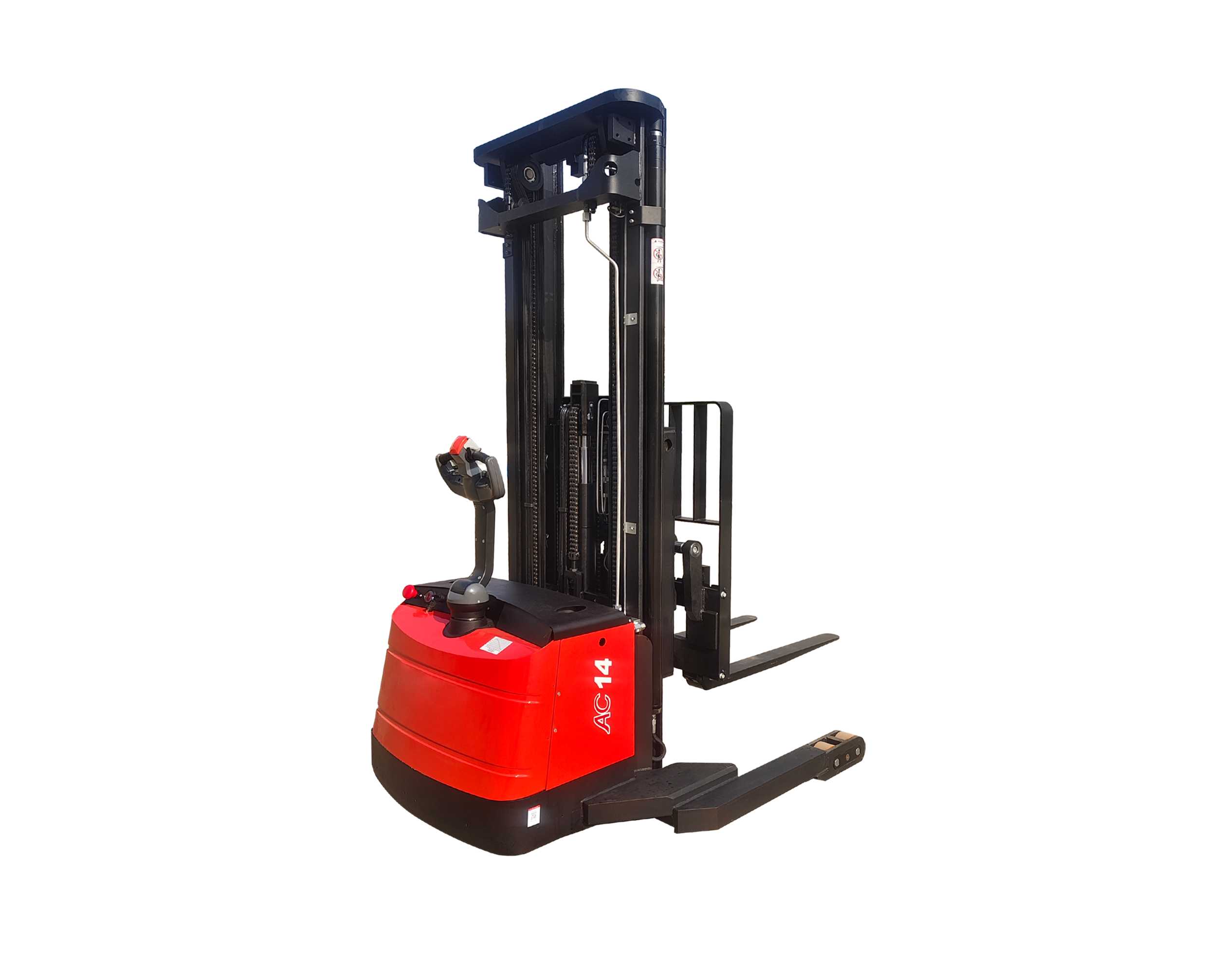
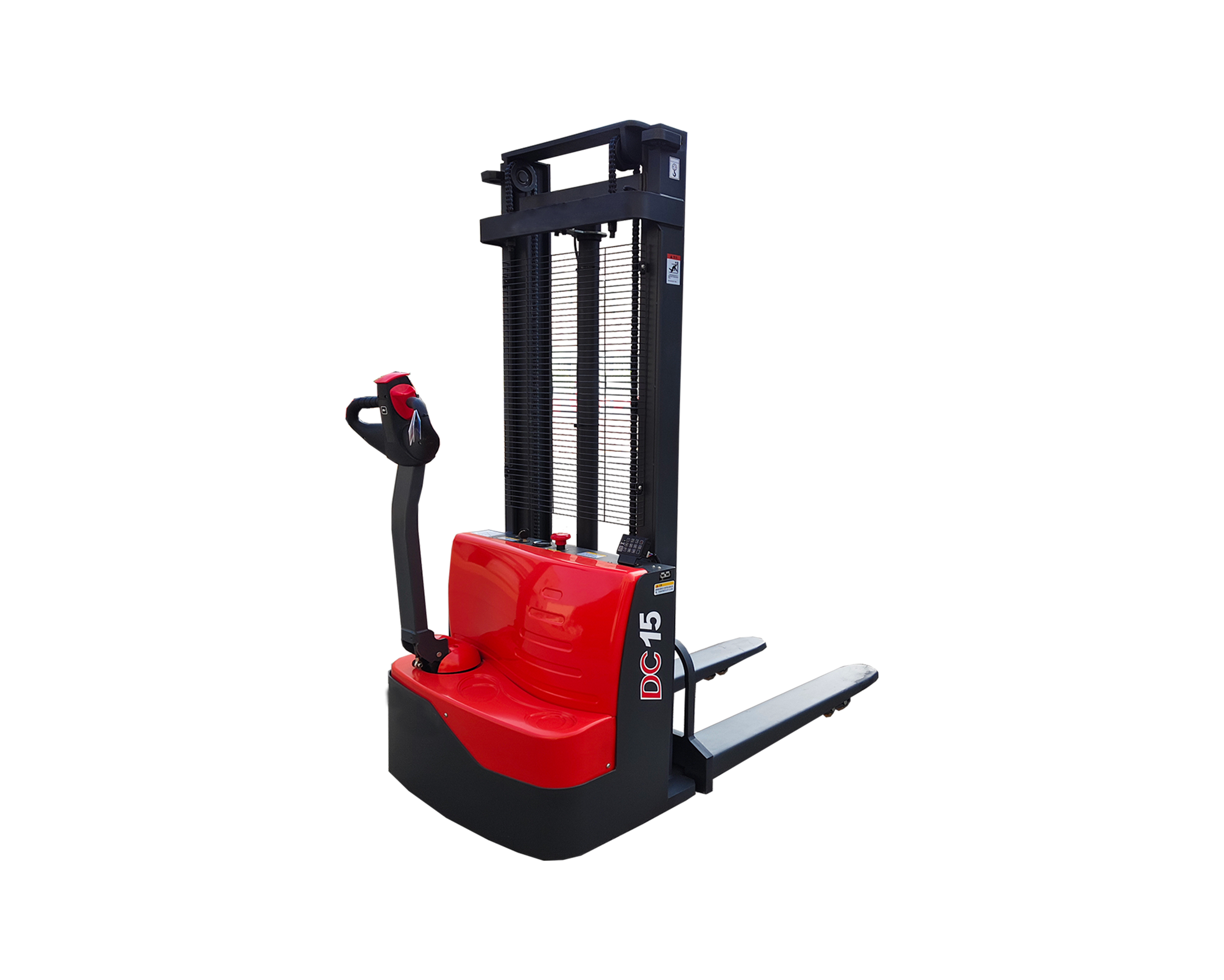
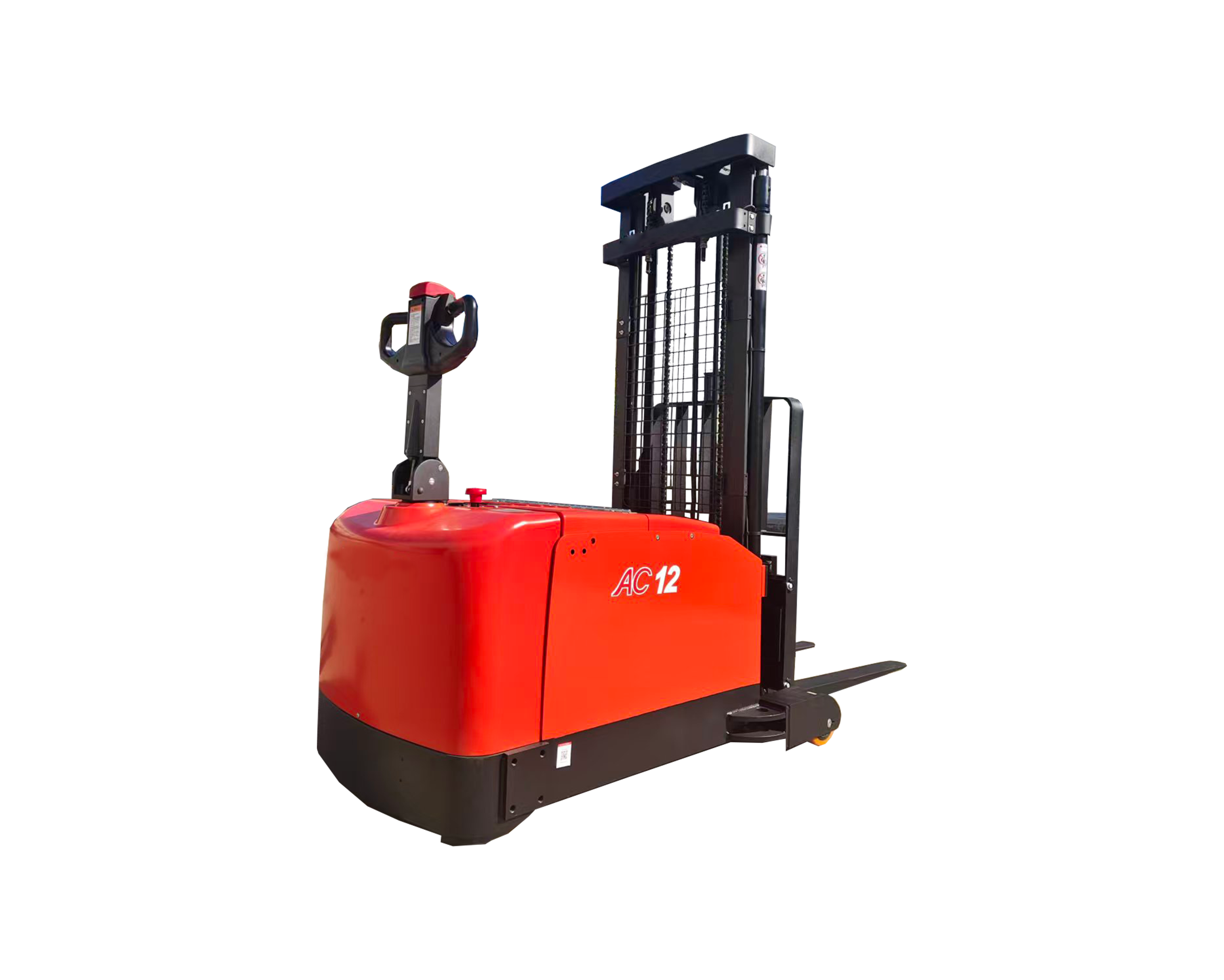
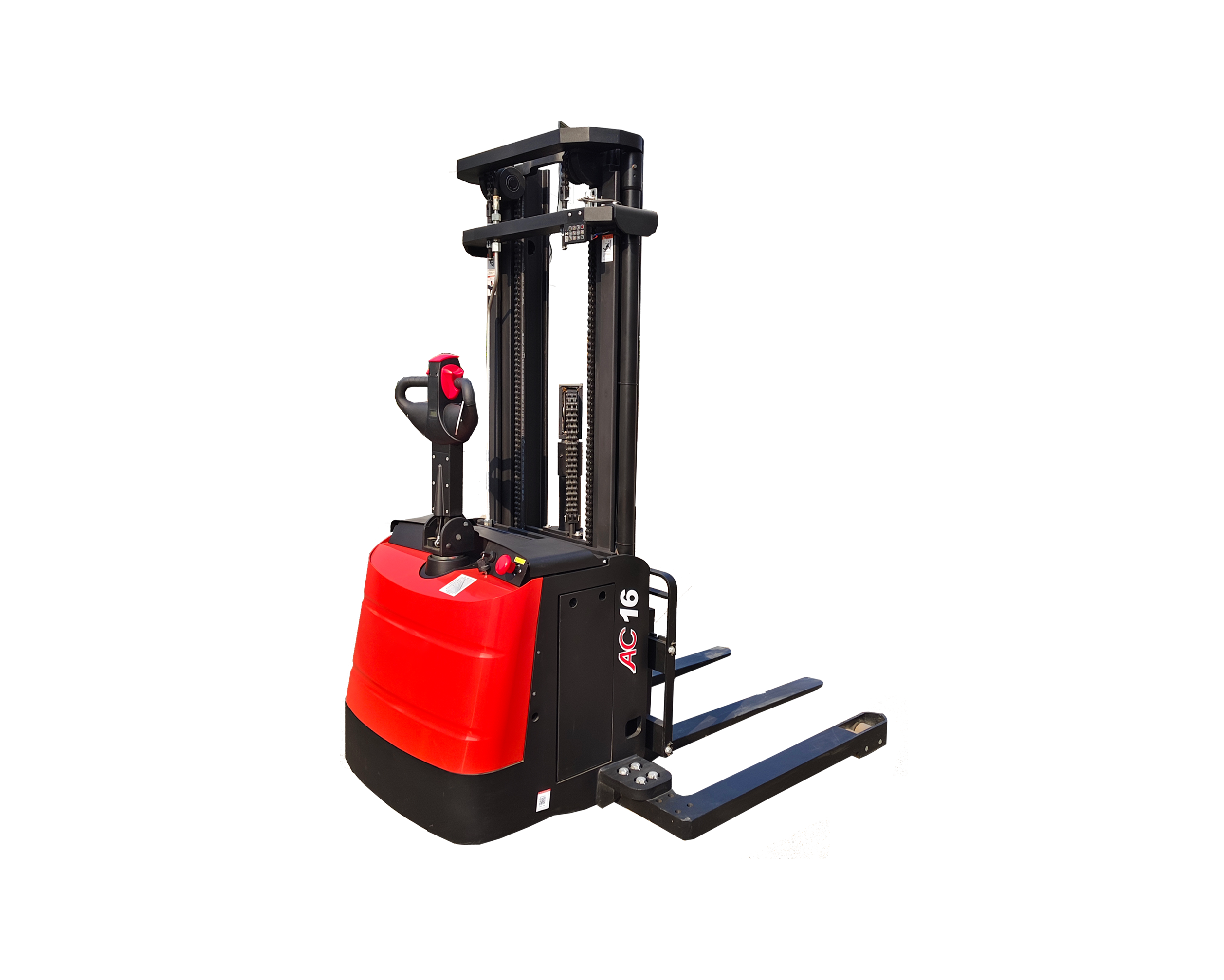
Introduction: Understanding Hydraulic System Problems in Electric Stackers
- Explain that the hydraulic system is one of the most important systems in an electric stacker.
- The hydraulic system is responsible for:
- lifting and lowering pallets
- controlling fork movement
- providing stable load handling performance
- Highlight common hydraulic failure symptoms:
- slow lifting speed
- weak lifting force
- forks cannot reach required height
- abnormal hydraulic noise
- oil leakage
- unstable lowering movement
- Explain that hydraulic failures can result from:
- insufficient maintenance
- hydraulic oil problems
- component wear
- incorrect operation
- environmental factors
Transition:
Understanding the causes of hydraulic system failures helps operators prevent downtime and maintain reliable electric stacker performance.
1. How Does the Hydraulic System Work in an Electric Stacker?
Main Components of the Hydraulic System
Hydraulic Pump
Function:
- Generates hydraulic pressure.
- Transfers oil through the hydraulic circuit.
Common problems:
- internal wear
- reduced pressure output
- abnormal noise
Hydraulic Oil
Function:
- Transfers pressure energy.
- Lubricates hydraulic components.
Importance:
- Clean and sufficient hydraulic oil is essential for stable lifting performance.
Hydraulic Cylinder
Function:
- Converts hydraulic pressure into lifting movement.
Common issues:
- seal damage
- oil leakage
- reduced lifting force
Hydraulic Valves
Function:
- Control oil flow direction and pressure.
Problems may cause:
- uncontrolled lowering
- slow lifting
- unstable movement
2. Common Symptoms of Electric Stacker Hydraulic System Failure
2.1 Electric Stacker Cannot Lift Loads
Possible causes:
- insufficient hydraulic pressure
- hydraulic pump failure
- low hydraulic oil level
- damaged cylinder seals
2.2 Slow or Weak Lifting Performance
Symptoms:
- longer lifting time
- reduced load capacity
Possible causes:
- contaminated oil
- worn pump
- battery power issues affecting hydraulic motor operation
2.3 Forks Drop Automatically
Possible causes:
- hydraulic valve leakage
- damaged cylinder seals
- internal hydraulic pressure loss
2.4 Hydraulic Noise During Operation
Possible causes:
- low oil level
- air entering hydraulic system
- pump damage
2.5 Hydraulic Oil Leakage
Common leakage areas:
- hydraulic hoses
- cylinder seals
- pipe connections
- pump housing
3. Main Causes of Hydraulic System Failures in Electric Stackers
3.1 Insufficient or Incorrect Hydraulic Oil Level
Hydraulic oil plays a critical role in generating lifting force.
Causes:
- oil leakage
- insufficient filling
- long-term operation without inspection
Effects:
- reduced lifting power
- slower operation
- increased hydraulic pump wear
How to Fix It:
Steps:
- Check hydraulic oil level.
- Inspect the system for leaks.
- Add recommended hydraulic oil.
- Test lifting performance.
3.2 Hydraulic Oil Contamination
Dirty hydraulic oil is one of the most common causes of hydraulic failure.
Sources of contamination:
- dust
- metal particles
- moisture
- foreign materials
Effects:
- blocked valves
- damaged pumps
- increased component wear
Prevention Methods:
✔ Replace hydraulic oil regularly
✔ Keep oil filling areas clean
✔ Use proper filtration systems
3.3 Hydraulic Oil Aging
Over time, hydraulic oil may lose performance.
Problems caused by aging oil:
- reduced lubrication ability
- increased friction
- unstable hydraulic pressure
Solutions:
- Follow manufacturer replacement intervals.
- Replace old or degraded hydraulic oil.
3.4 Hydraulic Pump Wear or Failure
The hydraulic pump is responsible for creating pressure.
Common causes:
- insufficient lubrication
- contaminated oil
- long-term heavy operation
- normal component wear
Symptoms:
- weak lifting force
- slow lifting speed
- abnormal operating noise
Solutions:
- Check hydraulic pressure.
- Inspect pump components.
- Repair or replace damaged pumps.
3.5 Hydraulic Cylinder Seal Damage
The cylinder relies on seals to maintain pressure.
Causes:
- aging seals
- excessive pressure
- contaminated oil
Symptoms:
- oil leakage
- forks slowly dropping
- reduced lifting ability
Solutions:
- Replace damaged seals.
- Inspect cylinder condition.
3.6 Hydraulic Valve Problems
Hydraulic valves control oil movement.
Causes:
- dirt blockage
- internal wear
- improper adjustment
Symptoms:
- unstable lifting
- uncontrolled lowering
- slow response
Solutions:
- Clean valves.
- Replace damaged valve components.
- Adjust hydraulic settings.
3.7 Air Entering the Hydraulic System
Air inside the hydraulic circuit can affect pressure stability.
Causes:
- low oil level
- loose connections
- poor maintenance practices
Symptoms:
- shaking during lifting
- unusual noise
- inconsistent movement
Solutions:
- Check leakage points.
- Remove air from the hydraulic system.
- Refill hydraulic oil if needed.
3.8 Overloading the Electric Stacker
Operating beyond rated capacity puts excessive stress on the hydraulic system.
Effects:
- higher hydraulic pressure
- faster component wear
- possible system failure
Prevention:
Operators should:
- follow rated load limits
- avoid uneven loads
- use suitable equipment for heavy applications
4. Electric Stacker Hydraulic System Troubleshooting Checklist
| Problem | Possible Cause | Recommended Solution |
|---|---|---|
| Cannot lift | Pump failure, low oil level | Check pump and hydraulic oil |
| Slow lifting | Contaminated oil, low pressure | Replace oil and inspect system |
| Forks drop automatically | Seal or valve leakage | Repair hydraulic components |
| Oil leakage | Damaged hoses or seals | Replace damaged parts |
| Abnormal noise | Air or pump problems | Check oil level and pump condition |
| Uneven lifting | Air in system or valve issue | Bleed system and inspect valves |
5. Step-by-Step Guide to Diagnose Hydraulic Problems
Step 1: Check Hydraulic Oil Level
Inspect:
- oil quantity
- oil color
- possible contamination
Step 2: Inspect External Leakage
Check:
- hoses
- cylinders
- connections
- pump area
Step 3: Test Lifting Performance
Observe:
- lifting speed
- load capacity
- movement stability
Step 4: Inspect Hydraulic Components
Check:
- pump condition
- valves
- seals
- cylinders
Step 5: Perform Professional Repair
If problems continue:
- conduct pressure testing
- replace damaged components
- consult qualified technicians
6. How to Prevent Hydraulic System Failures in Electric Stackers
6.1 Perform Regular Hydraulic Maintenance
Recommended checks:
Daily:
- check for oil leaks
- observe lifting performance
Monthly:
- inspect oil condition
- check hydraulic components
Periodically:
- replace hydraulic oil according to usage
6.2 Use the Correct Hydraulic Oil
Important factors:
- correct oil type
- suitable viscosity
- clean storage conditions
Using incorrect oil may cause:
- poor lubrication
- reduced hydraulic efficiency
6.3 Avoid Overloading Operations
Proper operation helps:
- reduce hydraulic pressure stress
- extend component lifespan
- improve equipment reliability
6.4 Train Operators Properly
Operators should understand:
- correct lifting procedures
- load limitations
- warning signs of hydraulic problems
7. How Hydraulic Maintenance Improves Electric Stacker Performance
Maintain Stable Lifting Power
Proper hydraulic maintenance ensures:
- consistent lifting capacity
- smoother operation
Reduce Equipment Downtime
Preventive maintenance helps:
- detect problems early
- avoid unexpected failures
Extend Equipment Service Life
Benefits:
- longer hydraulic component lifespan
- lower repair costs
- improved return on investment
8. When Should Hydraulic Components Be Replaced?
Replace Hydraulic Oil When:
- oil becomes contaminated
- lifting performance decreases
- recommended service interval is reached
Replace Hydraulic Seals When:
- leakage appears
- pressure cannot be maintained
Repair or Replace Hydraulic Pump When:
- lifting power is significantly reduced
- abnormal noise occurs
- pressure output is insufficient
9. Future Improvements in Electric Stacker Hydraulic Systems
More Efficient Hydraulic Designs
Future systems focus on:
- lower energy consumption
- improved lifting efficiency
- reduced component wear
Intelligent Monitoring Systems
Smart electric stackers may include:
- hydraulic pressure monitoring
- fault alerts
- predictive maintenance systems
Better Energy Management
Integration with:
- lithium batteries
- intelligent controllers
can improve:
- operating efficiency
- system reliability
FAQ Section
Q1: Why is my electric stacker not lifting properly?
Common causes include low hydraulic oil, hydraulic pump problems, damaged seals, contaminated oil, or electrical power issues.
Q2: How often should hydraulic oil be changed in an electric stacker?
Hydraulic oil replacement frequency depends on operating conditions, usage intensity, and manufacturer recommendations.
Q3: Can dirty hydraulic oil damage an electric stacker?
Yes. Contaminated hydraulic oil can damage pumps, valves, and cylinders, reducing lifting performance.
Q4: Why do electric stacker forks slowly drop after lifting?
This is usually caused by hydraulic pressure loss due to valve leakage, damaged seals, or cylinder problems.
Q5: How can I prevent electric stacker hydraulic failures?
Regular inspections, proper hydraulic oil maintenance, avoiding overload operation, and timely component replacement can prevent most hydraulic problems.