Introduction: The Importance of Warehouse Productivity
Modern warehouses are under increasing pressure to move more goods, use storage space efficiently, and control operating costs. Repetitive manual pallet handling can require significant physical effort and may limit the number of tasks an operator can complete during a working shift.
An Electric Pallet Stacker can help improve warehouse productivity by combining powered travel with electric or hydraulic lifting. Instead of relying entirely on manual pushing, pulling, and pumping, operators can use powered equipment to move and stack palletized loads more efficiently.
The potential productivity improvement depends on factors such as load capacity, lifting height, travel distance, warehouse layout, operating frequency, battery capacity, and operator experience. Understanding these factors can help businesses determine where an electric pallet stacker can provide the greatest operational value.
What Is an Electric Pallet Stacker?
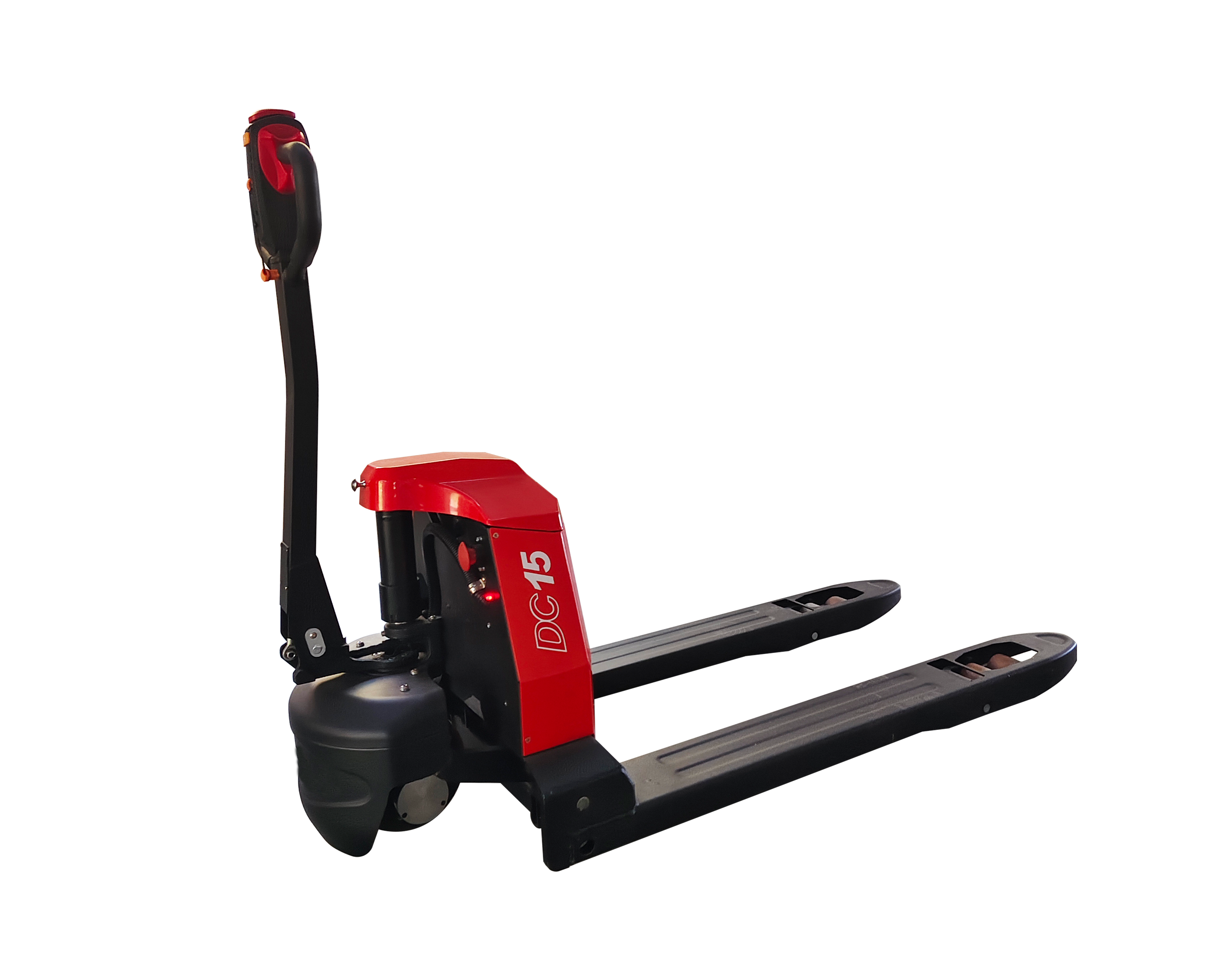
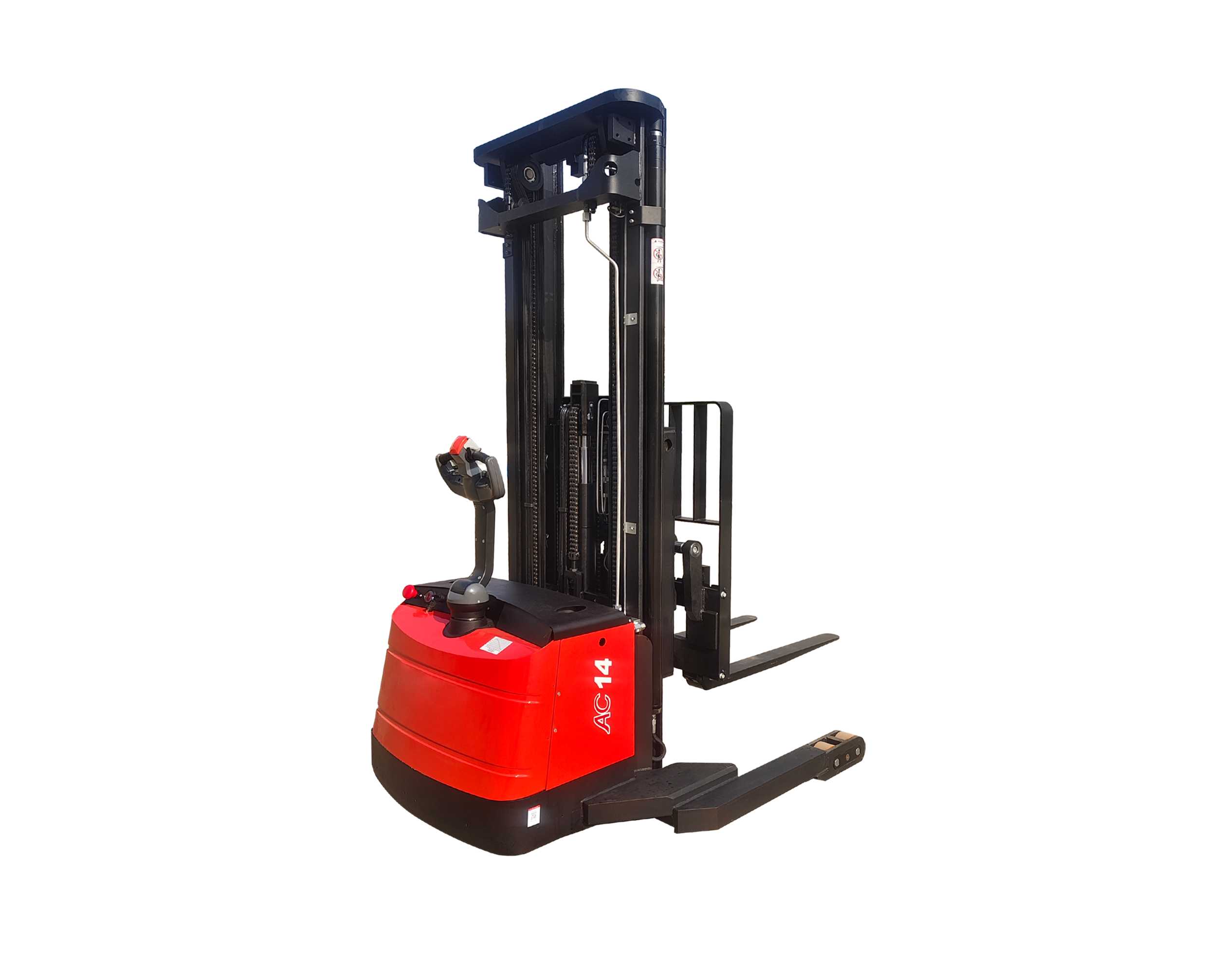
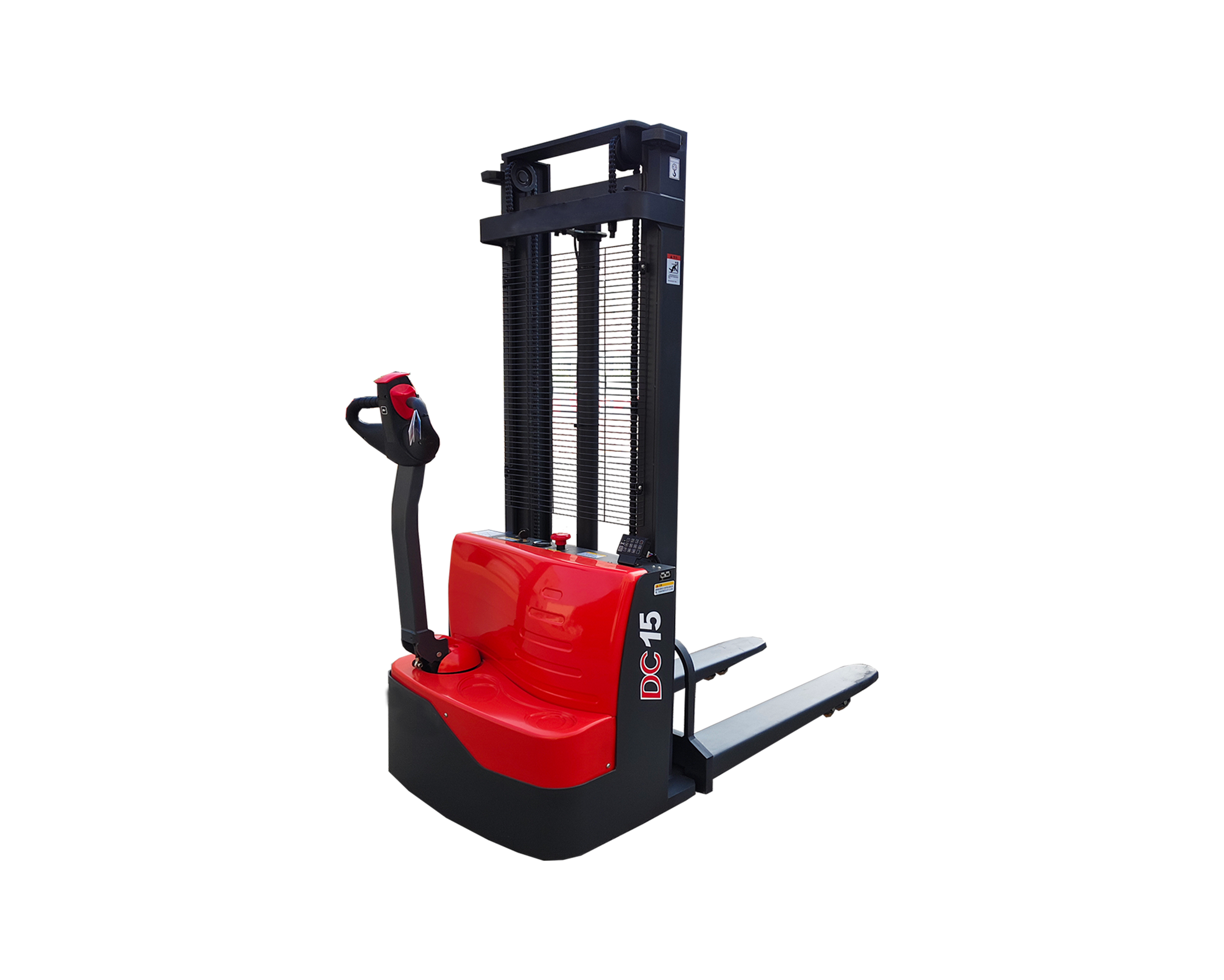
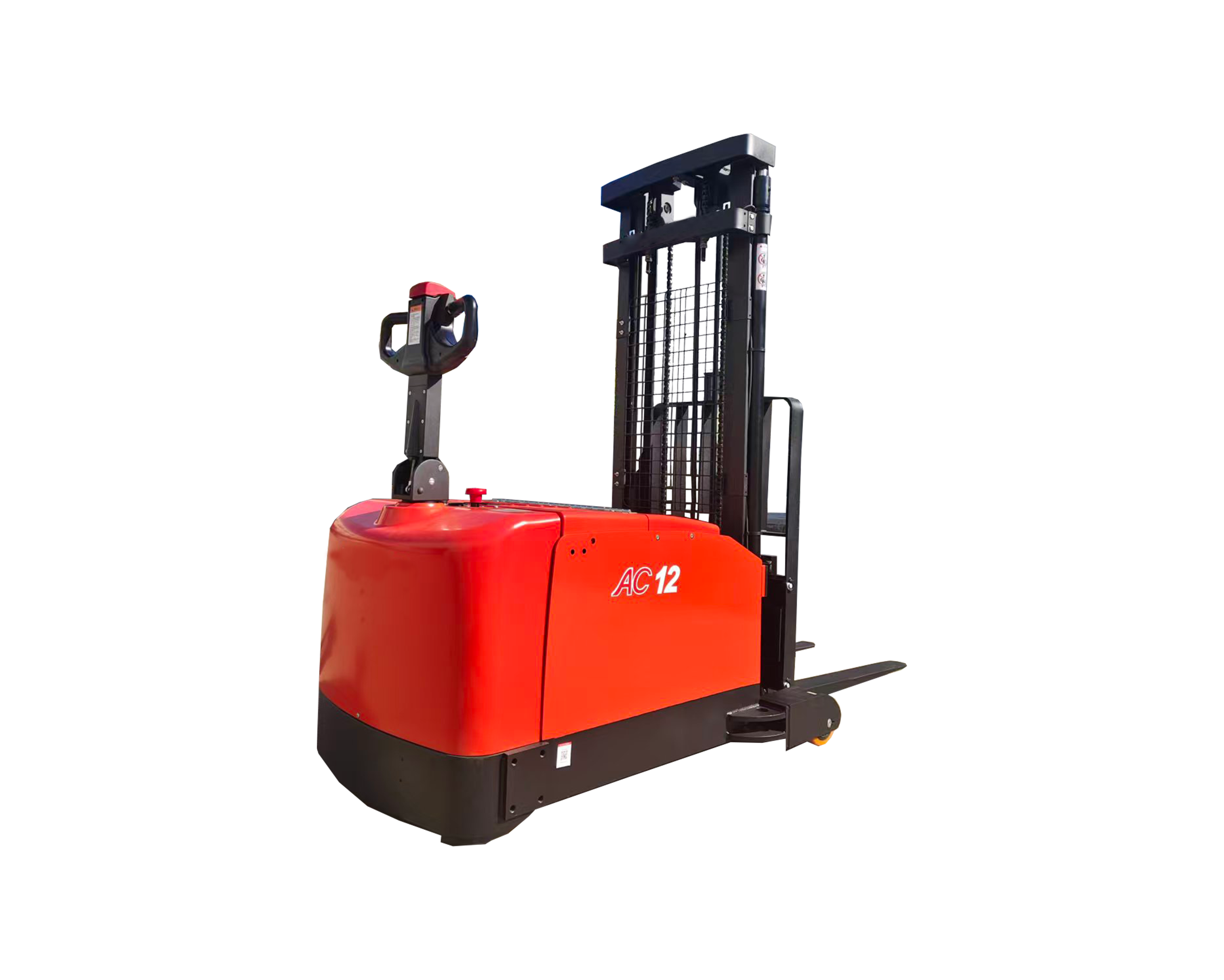
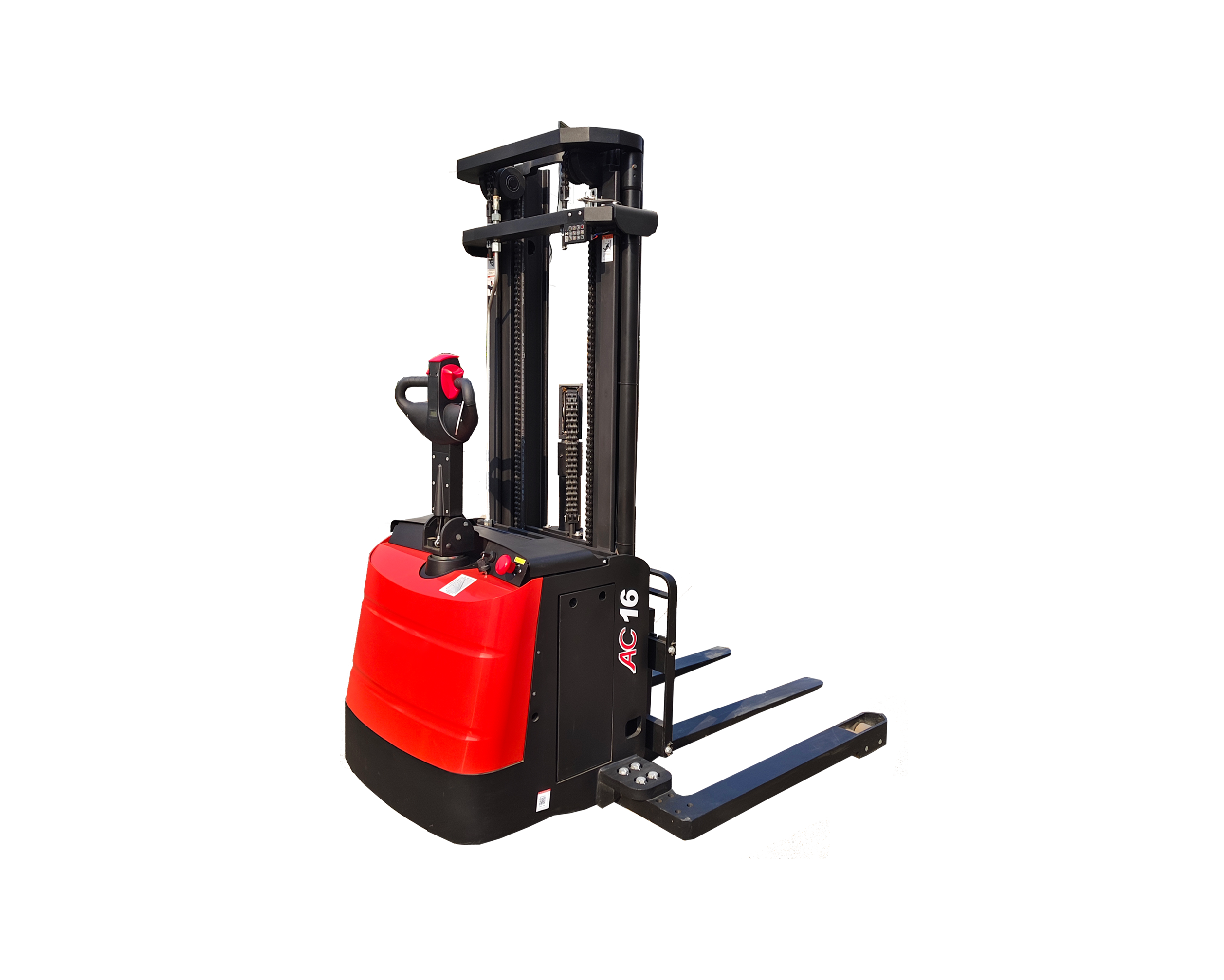
An electric pallet stacker is a battery-powered material handling machine designed to lift, transport, and stack pallets in warehouses, manufacturing facilities, distribution centers, and other material handling environments.
Unlike a manual pallet stacker, an electric model uses a powered drive system and powered lifting mechanism to reduce the physical effort required from the operator.
Typical applications include:
- Pallet lifting
- Pallet stacking
- Short- and medium-distance transportation
- Rack storage
- Inventory handling
- Internal material movement
Main Components of an Electric Pallet Stacker
An electric pallet stacker normally consists of several key systems.
Electric Drive System
The electric drive system provides powered travel and allows the operator to move loads without manually pushing or pulling the equipment.
Depending on the model, the drive system may include an electric motor, controller, drive wheel, gearbox, and related electrical components.
Lifting System
The lifting system raises and lowers the forks.
Many electric stackers use an electric motor and hydraulic pump to generate the force required for lifting. The mast and fork assembly then move the pallet to the required height.
Battery System
The battery supplies energy to the drive, lifting, and control systems.
Lead-acid and lithium-ion batteries are common options. Lithium battery configurations can support opportunity charging and reduce routine battery maintenance in suitable applications.
Control Handle
The control handle or tiller allows the operator to control functions such as travel, steering, lifting, lowering, and emergency stopping.
An ergonomic control layout can make repetitive warehouse operations easier to manage.
How Does an Electric Pallet Stacker Improve Warehouse Productivity?
The main productivity advantage of an electric pallet stacker comes from reducing unnecessary manual effort while providing controlled travel and lifting.
Increase Pallet Handling Speed
Manual pallet handling can require repeated pushing, pulling, and pumping. These activities become increasingly demanding when operators handle heavy loads or perform the same task throughout a shift.
An electric pallet stacker provides powered travel and lifting, allowing operators to move pallets and position loads with less physical effort.
This can help reduce:
- Pallet movement time
- Loading and unloading time
- Repetitive manual handling
- Unnecessary operator movement
The actual productivity improvement depends on the operating environment and equipment configuration.
Reduce Operator Fatigue
Operator fatigue can affect performance during repetitive material handling tasks.
Because the electric drive and lifting systems perform much of the physical work, an electric pallet stacker can reduce the amount of force an operator needs to apply when moving and lifting pallets.
This can be particularly useful for warehouses with:
- Frequent pallet movement
- Long operating shifts
- Repetitive handling tasks
- High daily pallet volumes
Reducing unnecessary physical effort can help operators maintain more consistent performance throughout their working time.
Improve Vertical Storage Efficiency
An important function of an electric pallet stacker is vertical pallet handling.
Instead of keeping every pallet at floor level, suitable warehouse layouts can use vertical storage and racking systems to make better use of available space.
An electric stacker can help operators:
- Lift pallets to storage levels
- Position pallets on suitable racks
- Retrieve stored pallets
- Organize inventory vertically
The appropriate lifting height and rated capacity must be selected according to the warehouse racking system and load requirements.
Improve Workflow Consistency
Warehouse productivity depends not only on individual handling speed but also on the consistency of material movement.
Electric pallet stackers can provide controlled travel and lifting, making repetitive pallet handling tasks more predictable.
For example, a warehouse may use an electric stacker to move pallets between:
- Receiving areas
- Storage locations
- Production areas
- Picking zones
- Dispatch areas
A consistent material flow can reduce unnecessary waiting and movement between different stages of warehouse operations.
How Electric Pallet Stackers Improve Warehouse Efficiency
Productivity and efficiency are closely related, but they are not exactly the same. Productivity focuses on the amount of work completed, while efficiency also considers how effectively labor, equipment, time, and warehouse space are used.
Enable Flexible Operations in Narrow Aisles
Many electric pallet stackers are designed with compact dimensions and a relatively small turning radius.
This allows suitable models to operate in areas where larger forklifts may be less practical.
Typical applications include:
- Small warehouses
- Retail backrooms
- Manufacturing workshops
- Distribution facilities
- Storage areas with limited aisle width
Before selecting a machine, the actual aisle width, turning radius, pallet dimensions, and required lifting height should be evaluated.
Reduce Unnecessary Product Handling
Every additional movement of a pallet can increase handling time and create another opportunity for load instability or product damage.
An electric pallet stacker allows operators to combine powered travel and lifting in one handling process.
Controlled acceleration, steering, lifting, and lowering can help operators position loads more precisely when the equipment is correctly used.
Support High-Frequency Operations
Warehouses with frequent pallet movement can benefit from powered material handling equipment.
Electric pallet stackers can be suitable for operations such as:
- Repeated pallet replenishment
- Internal material transportation
- Production line supply
- Warehouse-to-storage movement
- Frequent pallet stacking
For high-utilization operations, battery capacity and charging strategy become important parts of equipment selection.
Key Features That Influence Electric Pallet Stacker Productivity
Not every electric pallet stacker provides the same productivity level. Equipment configuration should be matched to the actual application.
Efficient Electric Drive Technology
An efficient drive system can provide controlled acceleration, stable travel, and reduced physical effort.
Important specifications may include:
- Motor power
- Travel speed
- Drive wheel configuration
- Controller performance
- Rated load capacity
The correct combination depends on the required travel distance, load weight, floor conditions, and operating frequency.
Battery and Charging Technology
Battery performance directly affects equipment availability.
Lithium-ion battery electric pallet stackers can provide advantages for applications that require frequent use and flexible charging.
Potential benefits include:
- Faster charging
- Opportunity charging
- Reduced routine maintenance
- No regular electrolyte maintenance
- Consistent power delivery
However, battery capacity should be selected based on the actual duty cycle rather than simply choosing the largest available battery.
Ergonomic Operator Controls
Operator controls can influence how easily equipment can be used during repetitive tasks.
Useful features may include:
- Ergonomic tiller design
- Clearly positioned controls
- Adjustable travel settings
- Easy lifting and lowering controls
- Emergency stop function
An intuitive control layout can reduce unnecessary operator movements and help maintain consistent handling performance.
Safety and Control Systems
Productivity should not be separated from safe operation.
Depending on the model, electric pallet stackers may include:
- Emergency stop switches
- Electromagnetic braking
- Speed control
- Overload protection
- Anti-roll-back functions
- Safety tiller controls
These systems should be considered together with operator training, load stability, workplace procedures, and appropriate equipment selection.
Electric Pallet Stacker Applications in Modern Warehouses
Manufacturing Facilities
Manufacturing plants can use electric pallet stackers for:
- Raw material transportation
- Production line supply
- Work-in-process handling
- Finished product movement
- Pallet storage
Powered handling can help maintain a steady flow of materials between storage and production areas.
Distribution Centers
Distribution centers often require frequent movement of palletized goods.
Electric pallet stacker applications may include:
- Pallet storage
- Inventory movement
- Replenishment
- Internal transportation
- Loading and unloading support
For larger facilities, equipment selection should take travel distance and handling frequency into account.
Small and Medium-Sized Warehouses
Compact electric pallet stackers can be useful where available floor space is limited.
Potential applications include:
- Retail storage areas
- Small distribution warehouses
- Spare parts warehouses
- Manufacturing storage rooms
Their compact design can provide a practical alternative when a larger forklift is not required for the application.
Electric Pallet Stacker vs. Manual Pallet Stacker
The productivity difference between powered and manual equipment is particularly relevant when pallet handling is frequent.
| Factor | Electric Pallet Stacker | Manual Pallet Stacker |
|---|---|---|
| Power Source | Battery-powered | Manual |
| Travel | Powered | Manual pushing |
| Lifting | Powered lifting system | Manual or assisted lifting |
| Operator Effort | Lower physical effort | Higher physical effort |
| Repetitive Handling | Suitable for frequent tasks | Better suited to lighter or occasional tasks |
| Productivity Potential | Higher in suitable applications | More limited for intensive operations |
| Initial Cost | Generally higher | Generally lower |
| Charging Requirement | Yes | No |
The table should not be interpreted as meaning that an electric pallet stacker is appropriate for every warehouse. Equipment selection should be based on workload, travel distance, load requirements, available space, and operating frequency.
How to Choose an Electric Pallet Stacker for Warehouse Productivity
Choosing the correct machine is essential because an unsuitable configuration can limit the expected productivity benefits.
Consider Load Capacity
Common electric stacker capacity classes include:
- 1,000 kg
- 1,500 kg
- 2,000 kg
The rated capacity should be sufficient for the heaviest expected load.
Load center and lifting height must also be considered because rated capacity can vary according to operating conditions and equipment configuration.
Consider Lifting Height
Determine the maximum height required for pallet storage.
Consider:
- Rack height
- Pallet dimensions
- Required clearance
- Maximum lifting height
- Rated capacity at the required height
Selecting a machine with an appropriate lifting configuration helps prevent operational limitations.
Evaluate Aisle Width
Warehouse layout has a direct impact on equipment productivity.
Measure:
- Aisle width
- Turning area
- Pallet dimensions
- Rack spacing
- Doorway clearance
A compact machine may provide greater flexibility in restricted areas, but the actual turning and operating requirements should always be verified.
Evaluate Battery Requirements
Consider:
- Daily operating hours
- Number of shifts
- Charging time
- Opportunity charging availability
- Battery capacity
- Maintenance requirements
Lithium battery models can be particularly useful for high-frequency operations when fast charging and opportunity charging are important.
Match the Equipment to the Workload
The most suitable electric pallet stacker depends on the number of pallets handled per day, average travel distance, lifting frequency, and working environment.
For occasional pallet handling, a compact walkie model may be sufficient.
For more intensive operations, a ride-on configuration or higher-capacity battery system may provide a better operational fit.
Maintenance Practices That Support Productivity
Equipment downtime can directly affect warehouse productivity. Preventive maintenance should therefore be part of the overall equipment management strategy.
Perform Daily Inspections
Before operation, inspect:
- Forks
- Wheels
- Battery condition
- Hydraulic system
- Control handle
- Emergency stop
- Braking system
- Visible cables and connectors
Any abnormal condition should be reported and handled according to the manufacturer’s service procedures.
Maintain the Hydraulic System
Check for:
- Hydraulic oil leakage
- Damaged hoses
- Loose fittings
- Abnormal lifting performance
Regular inspection can help identify problems before they interrupt normal warehouse operations.
Maintain the Battery
Follow the battery manufacturer’s charging and maintenance requirements.
For lithium battery systems, use the specified charger and follow the recommended charging procedure.
Maintaining proper battery condition helps reduce avoidable charging problems and equipment downtime.
Monitor Wear Components
Wheels, rollers, forks, and other mechanical components experience wear during normal operation.
Regular inspection can identify:
- Excessive wheel wear
- Fork damage
- Loose components
- Abnormal vibration
- Unusual operating noise
Planned maintenance can help improve equipment availability and reduce unexpected interruptions.
Future Trends in Electric Pallet Stacker Productivity
Warehouse operations are becoming increasingly connected and automated.
Future developments in electric pallet stackers may include:
- More advanced lithium battery systems
- Intelligent motor controllers
- Battery monitoring
- IoT-based equipment monitoring
- Fleet management systems
- Remote equipment diagnostics
- Integration with warehouse management systems
- Automated material handling
Electric pallet stackers may also operate alongside AGVs and AMRs in larger automated warehouses.
These technologies can help businesses collect operational data, monitor equipment utilization, and improve material flow.
Frequently Asked Questions
How does an electric pallet stacker improve warehouse productivity?
An electric pallet stacker can improve productivity by providing powered travel and lifting, reducing manual effort, supporting faster repetitive pallet handling, and enabling vertical pallet storage.
Is an electric pallet stacker more productive than a manual pallet stacker?
For frequent pallet handling, powered equipment can reduce physical effort and support more consistent handling. The actual productivity difference depends on workload, travel distance, lifting requirements, warehouse layout, and equipment configuration.
Is an electric pallet stacker suitable for a small warehouse?
Yes. Compact electric pallet stackers can be suitable for small warehouses, retail backrooms, and manufacturing storage areas where aisle space is limited.
What capacity electric pallet stacker should I choose?
Common capacities include 1,000 kg, 1,500 kg, and 2,000 kg. The correct capacity depends on the heaviest load, load center, lifting height, and operating conditions.
Are lithium battery electric pallet stackers more efficient?
Lithium battery models can provide advantages such as faster charging, opportunity charging, and reduced routine maintenance. Whether these advantages improve overall efficiency depends on the warehouse duty cycle and charging requirements.
How can I reduce electric pallet stacker downtime?
Regular inspections, preventive maintenance, proper battery charging, timely replacement of worn components, and access to reliable spare parts can help reduce avoidable downtime.
Conclusion: Using Electric Pallet Stackers to Improve Warehouse Productivity
An Electric Pallet Stacker can support warehouse productivity by reducing manual handling effort, enabling powered pallet movement, improving vertical storage capability, and providing controlled lifting and transportation.
The greatest productivity benefits are achieved when the equipment is correctly matched to the warehouse application. Load capacity, lifting height, aisle width, battery type, operating frequency, travel distance, and maintenance requirements should all be evaluated before purchase.
For businesses looking to improve material handling efficiency, the right electric stacker can become an important part of a broader warehouse productivity strategy.
Explore electric pallet trucks, electric pallet stackers, and other warehouse material handling equipment from UNILIFT MHE.
For product specifications and application recommendations, contact the UNILIFT MHE team.
Follow UNILIFT MHE for More Material Handling Insights
Stay connected with UNILIFT MHE for the latest updates on electric pallet trucks, electric stackers, electric tuggers, warehouse equipment, material handling solutions, and industry insights. Follow our social media channels to discover new products, application scenarios, company updates, and practical information for modern warehouse and logistics operations.
Explore reliable electric pallet trucks, electric stackers, and material handling solutions at Unilift MHE.
If you would like to contact us, please click here.
If you would like to learn more about our news, please click here.
Facebook: Follow UNILIFT MHE on Facebook
TikTok: Follow UNILIFT MHE on TikTok
Instagram: Follow UNILIFT MHE on Instagram
X: Follow UNILIFT MHE on X
Pinterest: Explore UNILIFT MHE on Pinterest
LinkedIn: Connect with UNILIFT MHE on LinkedIn