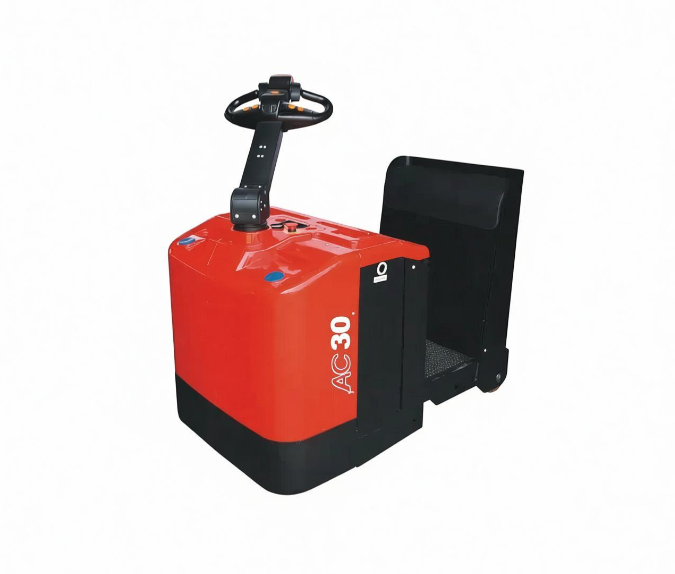
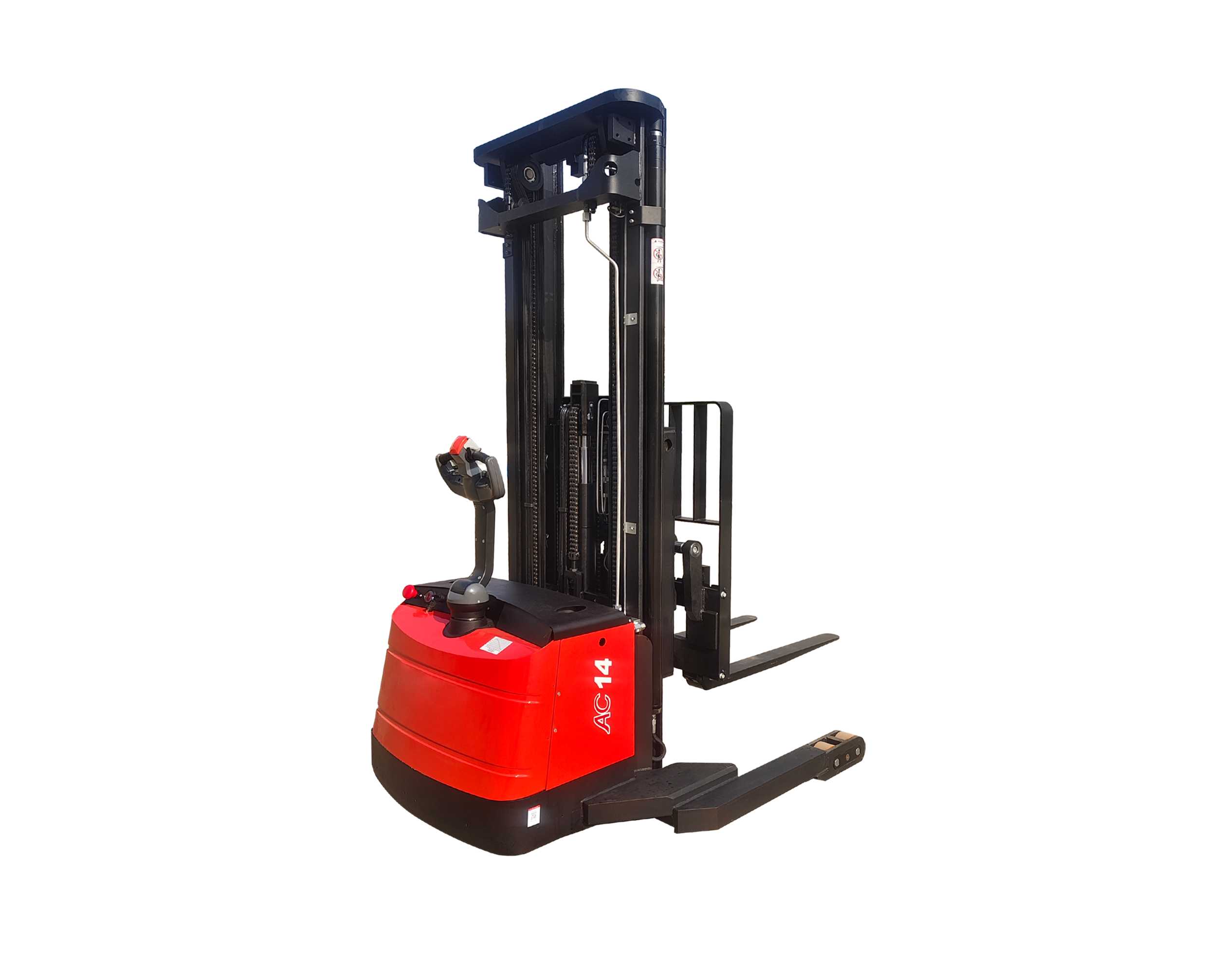
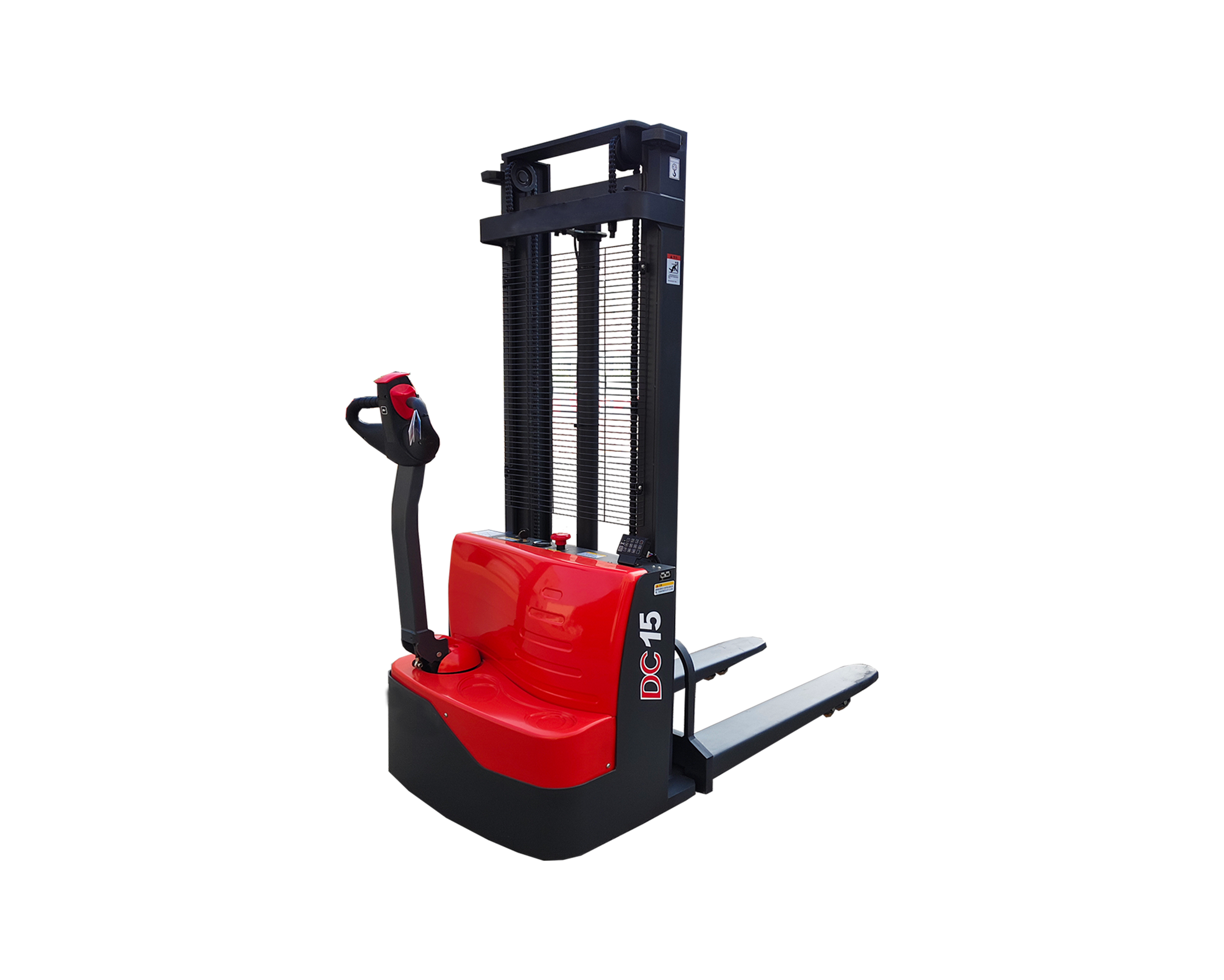
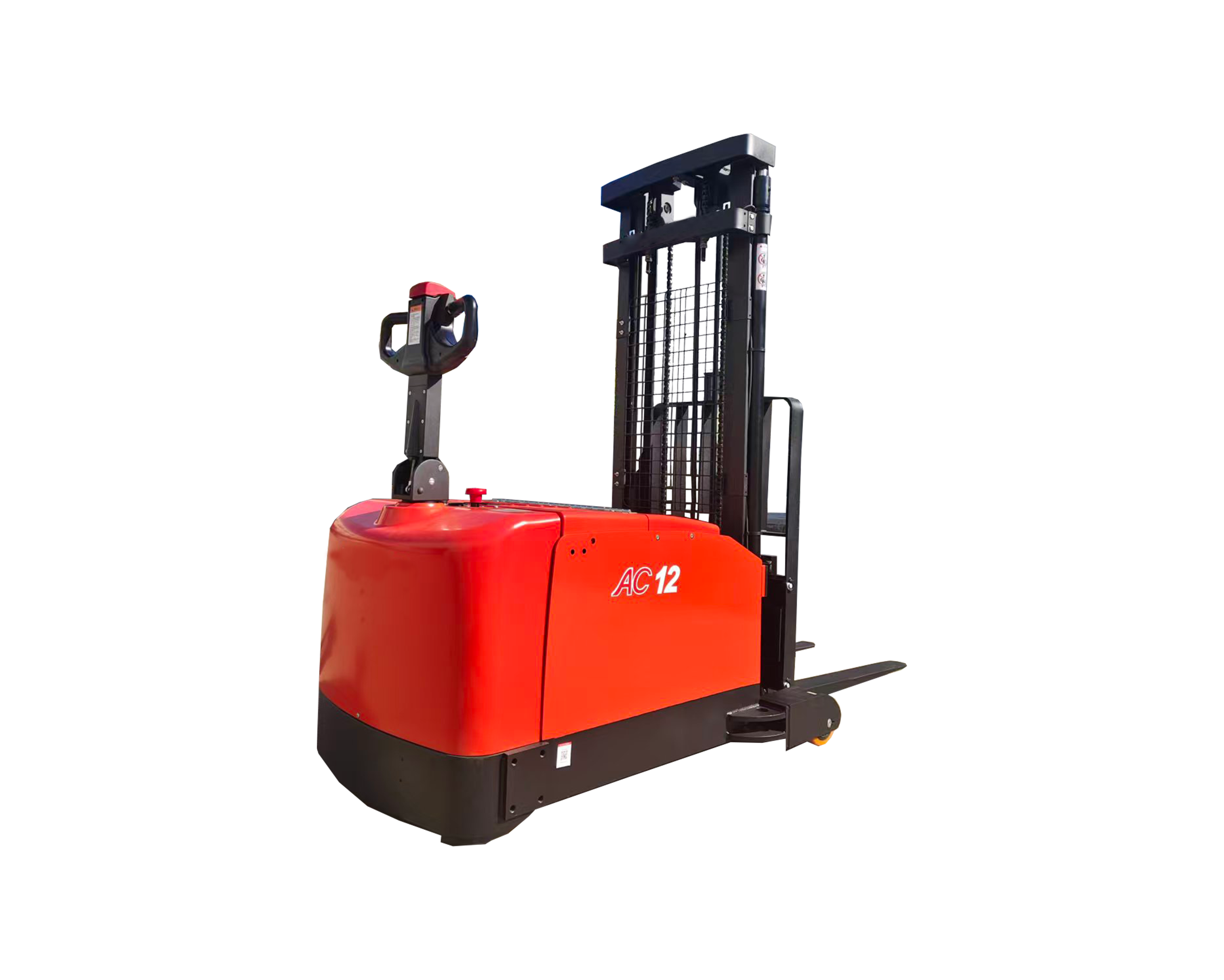
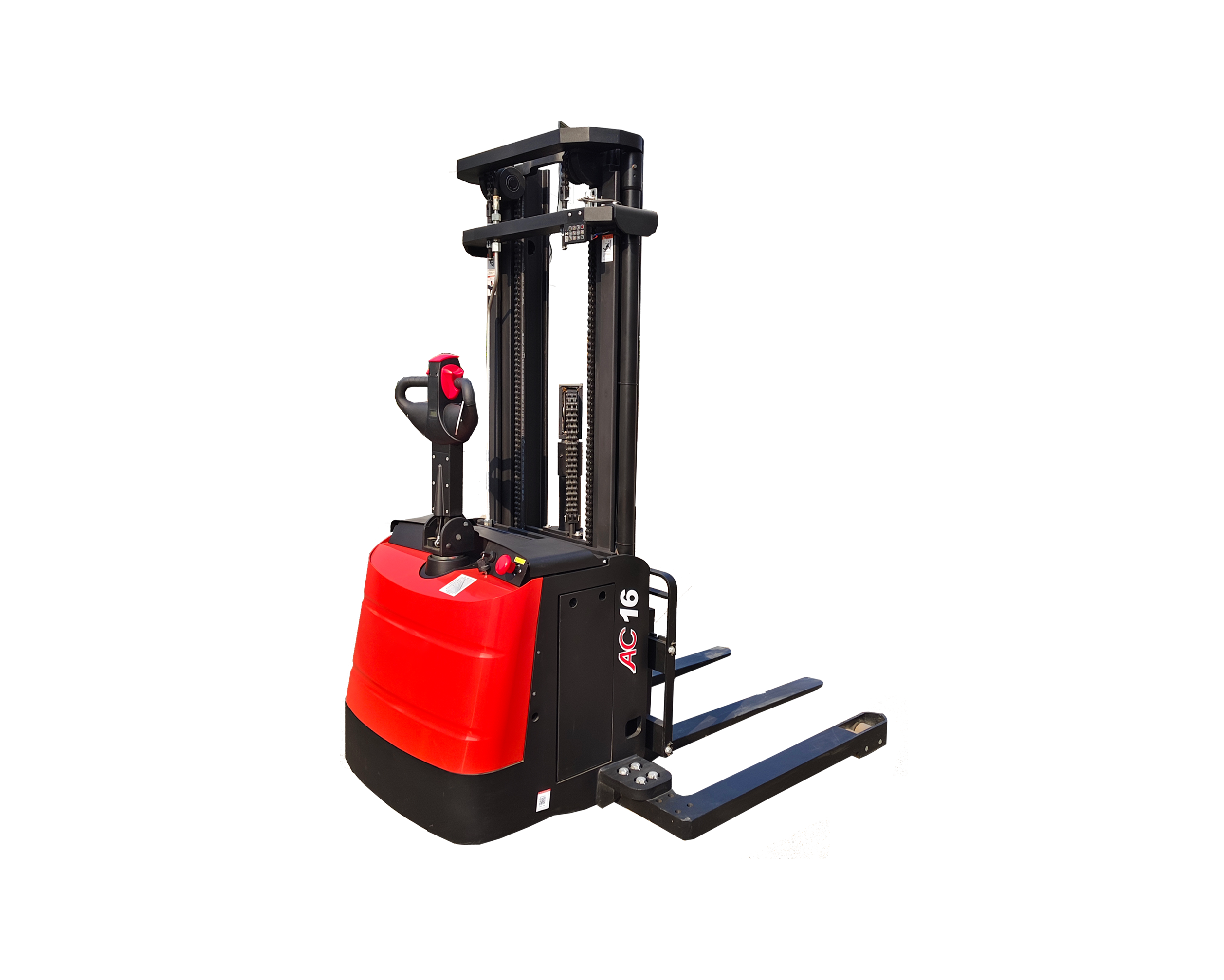
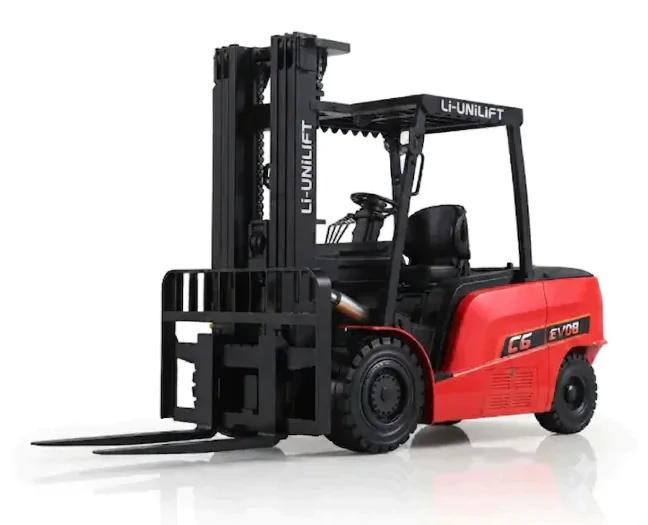
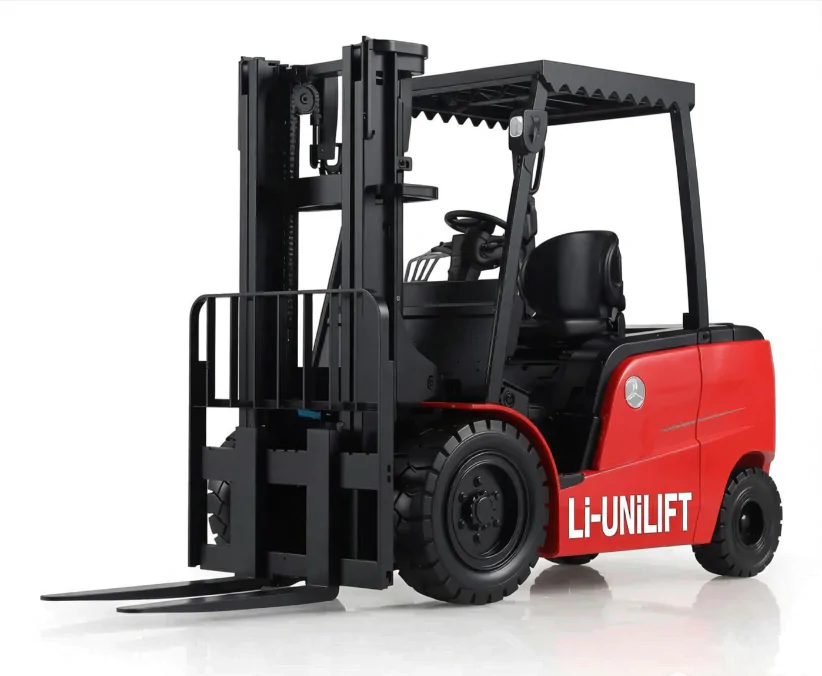
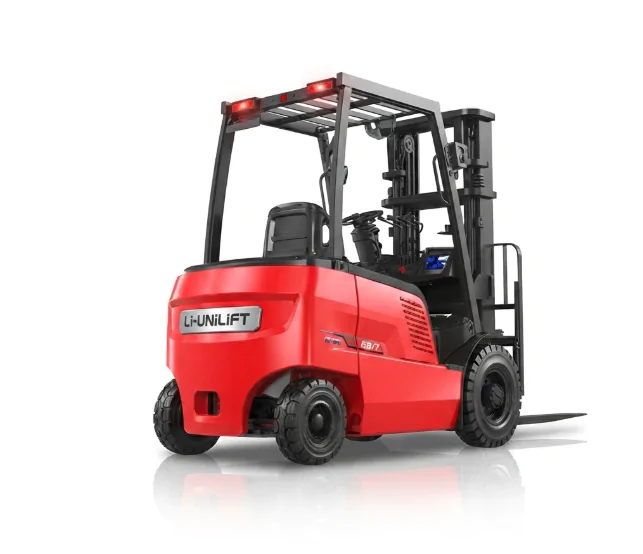
Battery technology plays an important role in electric stacker performance because it affects available operating time, power delivery, charging requirements, maintenance, and operating costs. However, battery performance is only one part of the equation. The stacker’s motor, hydraulic system, controller, rated capacity, and working environment also influence how efficiently the equipment performs.
For warehouses, factories, and distribution centers, choosing the right battery means matching the power system to the actual workload. A battery suited to occasional pallet handling may not be the best choice for a multi-shift operation with frequent lifting and limited charging time.
This guide explains how battery technology affects electric stacker performance, compares lead-acid and lithium-ion batteries, and outlines the factors businesses should consider when selecting and maintaining a battery-powered stacker.
1. Why Battery Technology Matters in Electric Stackers
An electric stacker uses stored electrical energy to power its travel system, lifting functions, and electronic controls. The battery must provide enough usable energy and power for the equipment’s intended duty cycle.
A simplified power path is:
Battery → Controller and Electrical System → Drive Motor and/or Hydraulic Pump Motor → Travel and Load-Lifting Functions
The exact arrangement varies by stacker design. The battery supplies electrical energy, while the controller, motors, hydraulic components, and mechanical structure determine how that energy is used.
Battery Capacity and Available Operating Time
Battery capacity helps determine how much energy is available during a work cycle. A battery with greater usable capacity may support longer operation between charges, provided the equipment and operating conditions are otherwise comparable.
Actual runtime also depends on:
- The frequency and duration of lifting operations
- Travel distance and operating speed
- Load weight and handling conditions
- Floor conditions and travel gradients
- Ambient temperature
- Battery condition and age
- The efficiency of the drive and hydraulic systems
A larger battery does not automatically guarantee a specific number of operating hours. Runtime estimates should be based on the actual stacker model, battery configuration, and workload.
Battery Power and Equipment Response
Battery capacity and battery power are related but different. Capacity concerns the energy available over time, while power delivery concerns how effectively the system can supply the electrical demand placed on it.
During travel or lifting, voltage behavior, current limits, battery condition, and controller settings can influence equipment response. The battery is not the only factor affecting acceleration or lifting speed, but a battery that cannot meet the system’s requirements may contribute to reduced performance or protective power limits.
2. How Battery Technology Influences Electric Stacker Performance
2.1 Operating Time and Work Efficiency
Battery technology affects how long a stacker can work before charging is required. For operations involving frequent pallet movement, battery capacity and energy consumption influence how many tasks can be completed during a shift.
A suitable battery configuration can help reduce unplanned charging interruptions. However, choosing a battery based only on nominal capacity can be misleading. Usable energy, operating conditions, and the manufacturer’s discharge limits must also be considered.
For multi-shift warehouses, evaluate the expected workload across all shifts, the time available for charging, and whether the operation requires a planned battery replacement or charging schedule.
2.2 Lifting Performance and Load Handling
Electric stackers commonly use an electrically powered hydraulic system to raise and lower the forks. The battery supplies power to the hydraulic pump motor, while the hydraulic components generate and control the lifting force.
If the battery or electrical system cannot supply the required power, the equipment may enter a reduced-performance mode or show abnormal behavior, depending on its design. Nevertheless, slow lifting is not necessarily a battery problem. Low hydraulic oil, a hydraulic fault, a control issue, or another mechanical problem may produce similar symptoms.
When investigating poor lifting performance, check the equipment’s fault indicators and follow the manufacturer’s troubleshooting procedure rather than assuming the battery is responsible.
The stacker’s rated capacity and approved load center must also be respected. Battery capacity cannot compensate for an overloaded or incorrectly configured machine.
2.3 Driving Performance and Control Response
The battery provides power to the drive system, but acceleration, travel speed, and control response are also influenced by the drive motor, controller settings, wheel condition, load, and floor conditions.
A battery that is discharged, degraded, damaged, or outside its permitted operating conditions may not support normal operation. Some models may limit speed or other functions when the battery reaches a specified state of charge.
If travel becomes unusually slow or inconsistent, inspect the battery display and error messages and follow the equipment manual. Do not continue operating if the behavior may affect safe control.
2.4 Charging Time and Equipment Availability
Charging requirements influence how long a stacker remains unavailable for work. The total charging plan depends on battery chemistry, battery capacity, charger output, the permitted charging profile, and the battery’s state of charge.
Lithium-ion systems often support flexible charging and can be suitable for operations with short breaks between tasks. Some lead-acid systems can also use approved opportunity-charging methods, but their requirements vary by battery design.
Before selecting a charging strategy, confirm:
- Whether the battery supports the intended charging pattern
- Whether the charger is approved for that battery and stacker
- How much charging time is available between shifts
- Whether cooling, equalization, or other charging procedures are required
- Whether the site’s electrical supply can support the planned charging load
Never assume that a battery can be charged during every break or that a compatible-looking charger is suitable. Follow the battery and equipment manufacturers’ instructions.
3. Common Battery Types Used in Electric Stackers
Lead-acid and lithium-ion batteries are two common battery options in electric material handling equipment. Their suitability depends on the stacker’s design, operating pattern, charging arrangements, and lifecycle costs.

3.1 Lead-Acid Batteries
Lead-acid batteries are an established power option for industrial equipment. Depending on the design, they may have a lower initial purchase cost but require more attention to charging and maintenance.
Potential advantages
- Established battery technology
- Often lower initial battery cost
- Familiar maintenance procedures for trained personnel
- Suitable options for many standard-duty applications
Considerations
- Flooded lead-acid batteries require specific maintenance, including electrolyte checks and water replenishment under the prescribed procedure.
- Charging may require longer planned downtime.
- Some applications require ventilation and dedicated charging arrangements.
- Repeated deep discharge or unsuitable charging practices can shorten battery life.
- Battery weight and dimensions must match the equipment’s approved configuration.
Not every lead-acid battery is the same. Sealed or maintenance-free lead-acid batteries have different maintenance requirements from flooded designs. The battery label and manual should determine the correct procedure.
Potential applications: Operations with predictable shifts, adequate charging time, and maintenance procedures suited to the selected battery.
3.2 Lithium-Ion Batteries
Lithium-ion batteries are increasingly used in electric material handling equipment. The specific chemistry, pack design, battery management system (BMS), and charging limits determine their actual capabilities.
Potential advantages
- High energy density in many battery designs
- Potentially shorter charging time with a compatible charging system
- Support for opportunity charging in approved configurations
- Lower routine maintenance requirements than flooded lead-acid batteries
- Battery monitoring and protection through a BMS, where fitted
Considerations
- Initial purchase cost may be higher.
- Battery, charger, connector, voltage, and control-system compatibility must be confirmed.
- Charging and operating temperature limits vary by battery design.
- The battery may require model-specific communication with the stacker controller.
- Replacement and servicing should follow the manufacturer’s requirements.
Lithium-ion batteries should not be treated as one uniform category. Different chemistries and pack designs have different performance, temperature, charging, and service-life characteristics.
Potential applications: Operations that benefit from flexible charging, reduced routine battery maintenance, or high equipment utilization, provided the selected battery system is designed for those conditions.
4. Key Advantages of Lithium-Ion Technology
Lithium-ion technology can offer operational benefits, but the actual result depends on the battery system and how the stacker is used.

4.1 Flexible Charging
Some lithium-ion batteries can accept relatively high charging rates and support opportunity charging during planned breaks. This can help reduce the need for long uninterrupted charging periods or battery changes in suitable operations.
The permitted charging rate and charging pattern must come from the battery manufacturer’s specifications. Frequent partial charging should not be assumed to be suitable for every battery.
4.2 Potentially Longer Service Life
Battery service life depends on the number and depth of charge-discharge cycles, temperature, charging conditions, operating load, and the manufacturer’s end-of-life criteria.
Some lithium-ion systems can provide more useful cycles than comparable lead-acid systems under suitable conditions. However, a reliable comparison requires actual cycle-life specifications and consistent test conditions rather than a general claim that one battery always lasts longer.
4.3 Lower Routine Maintenance Requirements
Lithium-ion batteries generally do not require electrolyte watering, unlike flooded lead-acid batteries. This can reduce routine maintenance tasks.
However, lower maintenance does not mean no maintenance. Operators and maintenance personnel still need to check battery status, connectors, charging equipment, fault indicators, and any requirements stated in the manual. Internal battery repairs should be performed only by authorized personnel.
4.4 Energy Efficiency and Operating Costs
Battery and charger efficiency can affect how much electricity is needed to deliver usable energy to the equipment. Overall energy consumption also depends on the stacker’s motors, hydraulic system, workload, and operating practices.
A more efficient battery system may help reduce energy losses, but actual cost savings should be calculated from measured or manufacturer-supported data rather than assumed from battery type alone.
5. What Is a Battery Management System (BMS)?
A battery management system, or BMS, is an electronic system used in many rechargeable battery packs to monitor and manage battery operation. Its functions depend on the battery design.
Battery Protection
A BMS may monitor conditions such as cell voltage, current, and temperature, and take protective action when operating limits are reached. Available protections depend on the specific battery system.
Battery Monitoring
Depending on the design, the BMS may provide information about:
- State of charge
- Battery voltage and current
- Battery temperature
- Charging status
- Fault or protection warnings
The information available to the operator may be displayed directly on the stacker or through a separate battery interface.
Communication With the Stacker
Some battery systems communicate with the stacker’s controller or charger. This can help the systems coordinate permitted charging and discharging conditions.
Before replacing a battery or charger, confirm that the voltage, connector, charging profile, and required communication interface are compatible with the equipment. A battery that physically fits is not necessarily electrically or operationally compatible.
6. How Battery Technology Affects Total Operating Costs
The lowest initial purchase price does not always result in the lowest long-term cost. Businesses should compare battery options over a defined period and under a realistic workload.
Energy Costs
Compare expected electricity consumption, charging losses, and the energy required for the planned operating cycle. Where possible, use actual operating data or manufacturer-supported efficiency figures.
Maintenance Costs
Include routine battery maintenance, technician time, inspections, charging-system servicing, and any special charging-area requirements.
Flooded lead-acid batteries may require electrolyte-related maintenance, while lithium-ion systems may reduce these routine tasks. Neither system should be assumed to be maintenance-free in every respect.
Replacement Costs
Estimate replacement timing using the manufacturer’s service-life criteria, expected usage, warranty terms, and replacement costs. Avoid comparing cycle-life numbers that use different test conditions or end-of-life definitions.
Downtime and Productivity
For multi-shift operations, the time required to charge, cool, service, or change batteries can affect equipment availability. A battery system that fits the operating schedule may reduce interruptions, but the benefit depends on actual charging infrastructure and work patterns.
A Practical Total Cost of Ownership Comparison
When comparing two battery configurations, evaluate:
| Cost factor | Questions to consider |
|---|---|
| Initial investment | What are the battery and compatible charger costs? |
| Electricity | How much energy is consumed under the expected workload? |
| Maintenance | What routine checks, service tasks, and labor are required? |
| Battery replacement | What is the expected replacement interval under the planned duty cycle? |
| Downtime | How much time is required for charging, cooling, or battery changes? |
| Infrastructure | Are ventilation, electrical supply, charging stations, or other site changes required? |
| Compatibility | Is the battery approved for the exact stacker model? |
The best choice is the one that meets the equipment’s technical requirements and supports the business’s operating schedule at an acceptable lifecycle cost.
7. Factors That Affect Electric Stacker Battery Performance
7.1 Charging Practices
Use only a charger approved for the battery and equipment. Follow the specified charging profile, temperature limits, and instructions for the battery type.
Avoid charging with incompatible equipment or bypassing battery protection systems. Do not assume that a battery should always be fully discharged before charging; the correct approach depends on its chemistry and manufacturer’s guidance.
7.2 Operating Temperature
Battery performance and charging limits vary with temperature. Cold conditions can reduce available power or usable capacity, while excessive heat can accelerate degradation or trigger protective limits.
Check the permitted operating and charging temperature ranges for the specific battery. If the stacker operates in cold storage or other demanding environments, confirm that the battery configuration is suitable for those conditions.
7.3 Workload and Operating Pattern
Heavy loads, frequent lifting, long travel distances, steep gradients, and intensive duty cycles can increase energy consumption.
Use the stacker within its rated capacity and operating limits. If battery runtime is consistently shorter than expected, review the actual workload and investigate battery condition and equipment efficiency before increasing battery capacity.
7.4 Battery Condition and Connections
Battery age, degradation, damaged connectors, and electrical faults may affect performance. Inspect accessible connections and warning indicators according to the manual.
If a battery shows damage, unusual heat, swelling, leakage, or a serious fault warning, stop using it and follow the manufacturer’s safety procedure. Do not open or repair a battery pack unless authorized to do so.
8. How to Choose the Right Battery for an Electric Stacker
The correct battery depends on the equipment’s approved configuration and the operation’s actual requirements. Use the following factors to compare options.
Step 1: Confirm Compatibility
Start with the stacker’s technical documentation. Confirm the approved battery type, nominal voltage, capacity range, physical dimensions, connector, charger, and any required communication interface.
Do not replace a lead-acid battery with a lithium-ion battery simply because the nominal voltage appears similar. Battery weight, dimensions, control compatibility, and the manufacturer’s approval may also matter.
Step 2: Estimate the Workload
Record how many hours the stacker operates per shift, how frequently it lifts loads, the typical load profile, and how many shifts run each day.
Use this information to estimate the required usable battery energy and charging opportunities. Manufacturer runtime estimates should be interpreted in the context of their stated test conditions.
Step 3: Review Charging Opportunities
Determine whether the stacker can be charged overnight, between shifts, during breaks, or only in longer planned periods.
If opportunity charging is important, verify that the battery and charger explicitly support the intended charging pattern. Include any required charging-area, cooling, or maintenance procedures in the plan.
Step 4: Compare Lifecycle Costs
Compare initial purchase cost, energy consumption, maintenance, expected replacement, and downtime. Use a consistent evaluation period and realistic operating assumptions.
A lower-cost battery may be suitable for predictable, low-intensity use. A higher-cost system may be worth evaluating for intensive operation if its charging flexibility and maintenance requirements provide measurable benefits.
Step 5: Consider the Working Environment
Check the temperature range, dust or moisture exposure, charging location, and any special requirements of the facility. Cold-storage use and other demanding conditions require particular attention to the battery’s approved operating limits.
Step 6: Confirm Support and Service Requirements
Review warranty conditions, replacement availability, charger support, diagnostic tools, and the availability of qualified service personnel.
The battery choice should be technically compatible, practical to maintain, and appropriate for the intended operating life of the stacker.
9. Lead-Acid vs. Lithium-Ion Batteries: A Practical Comparison
| Feature | Lead-Acid Battery | Lithium-Ion Battery |
|---|---|---|
| Initial cost | Often lower, depending on configuration | Often higher, depending on configuration |
| Charging requirements | May require longer planned charging and specific maintenance procedures | May support faster or more flexible charging when designed for it |
| Routine maintenance | Flooded types require electrolyte maintenance; sealed types differ | Generally lower routine maintenance, but inspections and servicing remain necessary |
| Service life | Depends on design, usage, and maintenance | Depends on chemistry, pack design, usage, and charging |
| Energy efficiency | Depends on battery and charger design | Often offers higher efficiency in comparable applications, but verify system data |
| Opportunity charging | Possible for some approved systems; follow battery-specific limits | Commonly supported by suitable systems, subject to manufacturer limits |
| Temperature limits | Battery-specific | Battery-specific; charging restrictions can be important |
| Best-fit application | May suit predictable schedules and cost-sensitive operations | May suit operations that benefit from flexible charging and reduced routine maintenance |
Important: This is a general comparison, not a specification for every battery. Confirm actual performance, charging rules, and compatibility using the selected stacker and battery documentation.
10. How to Maintain Electric Stacker Batteries for Reliable Performance
Follow the Approved Charging Procedure
Use the specified charger and follow the battery manufacturer’s instructions. Park and prepare the stacker as directed before charging, and use the designated charging area and safety precautions required for the battery type.
Check Battery Condition Regularly
Monitor the charge display, fault indicators, charging behavior, and operating time. A persistent reduction in runtime or a recurring fault should be investigated rather than treated as normal.
Inspect Accessible Cables and Connectors
Look for visible damage, loose connections, corrosion, or overheating signs where accessible. Do not touch exposed conductors or perform electrical repairs unless trained and authorized.
Follow Battery-Specific Maintenance Requirements
For flooded lead-acid batteries, carry out electrolyte checks and water replenishment only according to the approved procedure and by appropriately trained personnel. Sealed lead-acid and lithium-ion batteries have different requirements and should not be serviced using the same assumptions.
Respect Temperature and Storage Requirements
Follow the specified operating, charging, and storage temperature limits. If the stacker is used in a cold or hot environment, confirm the battery’s suitability before operation.
Respond to Warnings Promptly
Do not ignore repeated battery alarms, abnormal heating, physical damage, swelling, or leakage. Stop using a battery that may be unsafe and contact qualified service personnel according to the manufacturer’s procedure.
11. Future Developments in Electric Stacker Battery Technology
Battery technology continues to develop, but the practical value of a new technology depends on its suitability for industrial equipment and the operating environment.
Improvements in Energy Density
Higher energy density can potentially provide more stored energy in a given battery size or weight. Actual benefits depend on the chemistry, pack design, thermal management, and the stacker’s approved battery configuration.
Smarter Battery Monitoring
More capable monitoring systems may improve access to battery status, fault information, and usage data. The value of these functions depends on sensor accuracy, communication compatibility, and how effectively the information is used in maintenance planning.
Charging and Fleet Integration
As warehouse operations become more connected, battery monitoring and charging systems may be integrated with fleet-management or warehouse systems. Such integration can help coordinate charging schedules, but compatibility and implementation requirements must be confirmed for each equipment platform.
For equipment buyers, the priority should remain practical: reliable performance, safe charging, compatible components, appropriate service support, and a battery configuration that fits the operation.
Conclusion
Battery technology influences electric stacker runtime, power delivery, charging requirements, maintenance, and total operating costs. Lead-acid and lithium-ion batteries can both be appropriate choices, depending on the stacker design, duty cycle, charging schedule, working environment, and lifecycle budget.
Before selecting a battery, confirm compatibility with the exact equipment model, estimate the actual workload, review the charging plan, and compare long-term costs using realistic assumptions. Correct charging and battery-specific maintenance also help support reliable operation.
For information about LI-UNILIFT material handling equipment, visit LI-UNILIFT. If you are comparing electric stacker options for your warehouse or logistics operation, contact LI-UNILIFT to discuss your application requirements.
Frequently Asked Questions
1. How does battery technology affect electric stacker performance?
Battery technology affects available operating energy, power delivery, charging requirements, and maintenance. Actual travel and lifting performance also depend on the stacker’s motors, controller, hydraulic system, load, and operating conditions.
2. Are lithium-ion batteries better for electric stackers?
Lithium-ion batteries may offer flexible charging, lower routine maintenance, and high energy efficiency in suitable systems. Whether they are the better choice depends on compatibility, operating frequency, charging opportunities, cost, and service requirements.
3. Can a weak battery reduce electric stacker lifting performance?
It can contribute to reduced performance if the battery cannot meet the system’s power requirements. However, slow lifting can also result from hydraulic, electrical, control, or mechanical faults, so the equipment should be checked according to its troubleshooting procedure.
4. How long does an electric stacker battery last?
Battery service life varies with battery type, design, usage, charging practices, temperature, and maintenance. Use the manufacturer’s cycle-life information and end-of-life criteria rather than relying on a universal number of years.
5. How can I extend the service life of an electric stacker battery?
Use the approved charger, follow the battery-specific charging procedure, respect temperature limits, monitor warnings, and perform the required maintenance. Avoid incompatible charging equipment and unauthorized battery repairs.
6. Can lithium-ion batteries be opportunity charged?
Some lithium-ion battery systems support opportunity charging, but the permitted charging rate and procedure depend on the battery, charger, and equipment manufacturer. Confirm compatibility before adopting this practice.
7. Can I replace a lead-acid battery with a lithium-ion battery in an existing stacker?
Not without confirming compatibility. Voltage, physical dimensions, weight, connectors, charger, control-system communication, and manufacturer approval may all affect whether a replacement is suitable.
8. What should I consider when comparing battery costs?
Compare the initial battery and charger costs, electricity use, routine maintenance, expected replacement, downtime, and charging infrastructure over a consistent evaluation period. The best option depends on the operation’s actual workload and cost assumptions.
Follow UNILIFT MHE for More Material Handling Insights
Stay connected with UNILIFT MHE for the latest updates on electric pallet trucks, electric stackers, electric tuggers, warehouse equipment, material handling solutions, and industry insights. Follow our social media channels to discover new products, application scenarios, company updates, and practical information for modern warehouse and logistics operations.
Explore reliable electric pallet trucks, electric stackers, and material handling solutions at Unilift MHE.
If you would like to contact us, please click here.
If you would like to learn more about our news, please click here.
Facebook: Follow UNILIFT MHE on Facebook
TikTok: Follow UNILIFT MHE on TikTok
Instagram: Follow UNILIFT MHE on Instagram
X: Follow UNILIFT MHE on X
Pinterest: Explore UNILIFT MHE on Pinterest
LinkedIn: Connect with UNILIFT MHE on LinkedIn