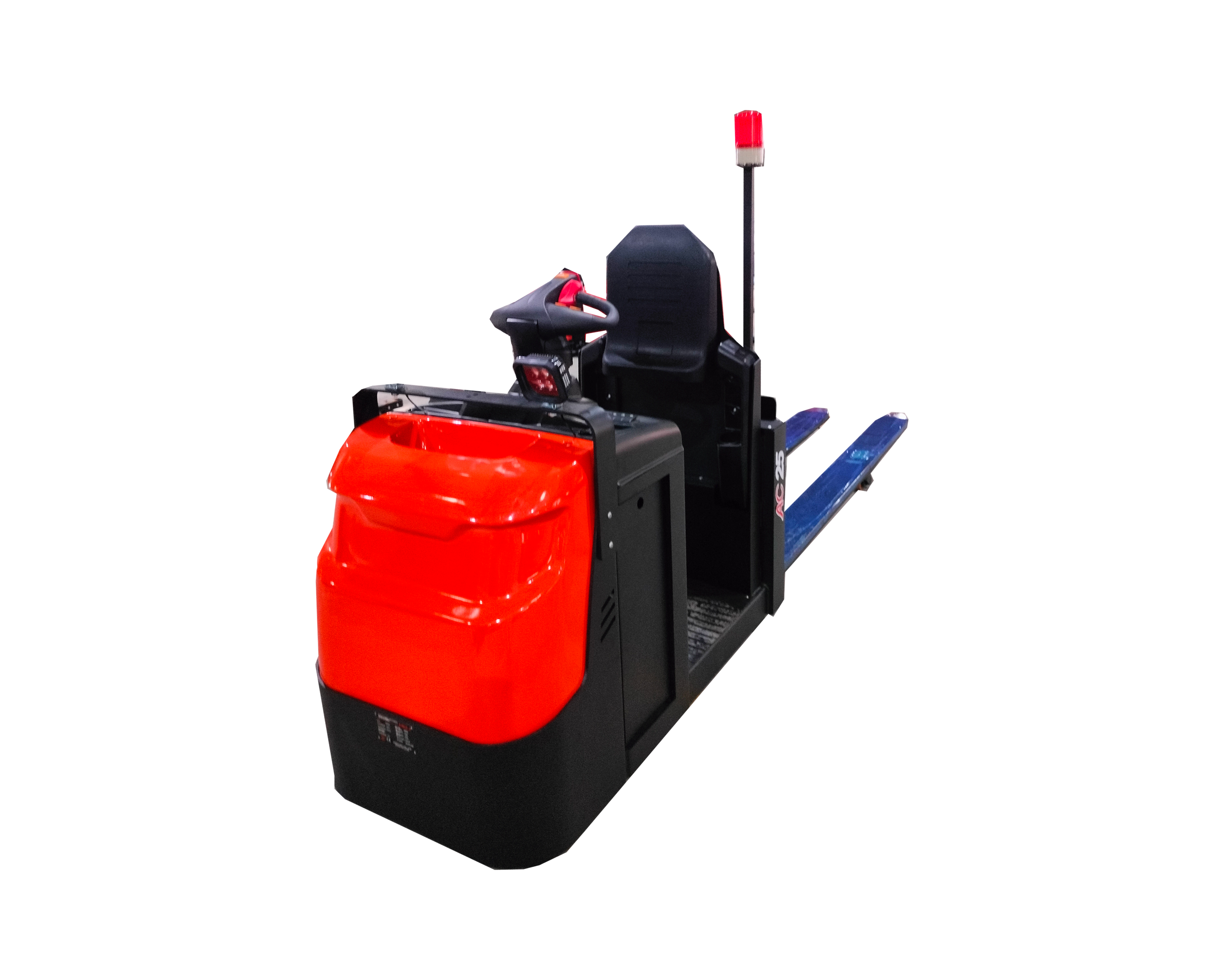
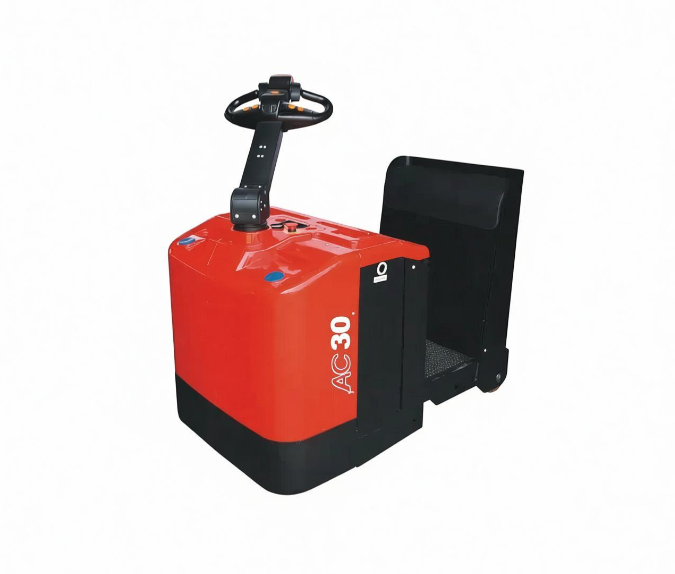
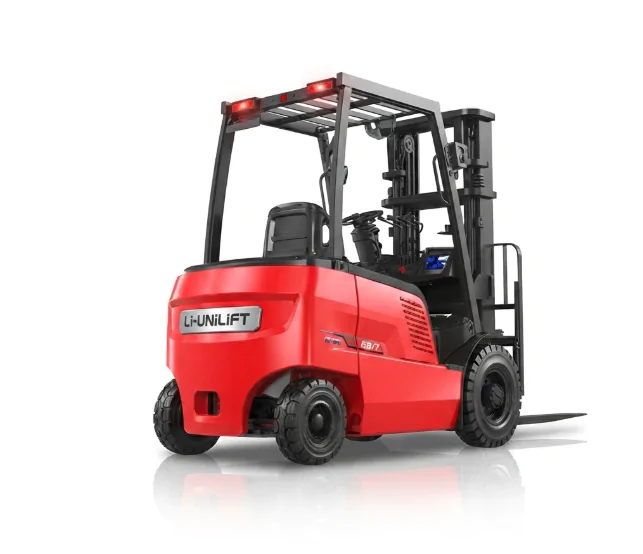
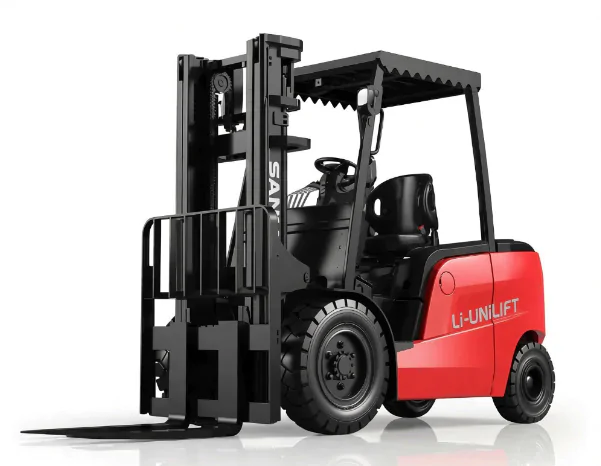
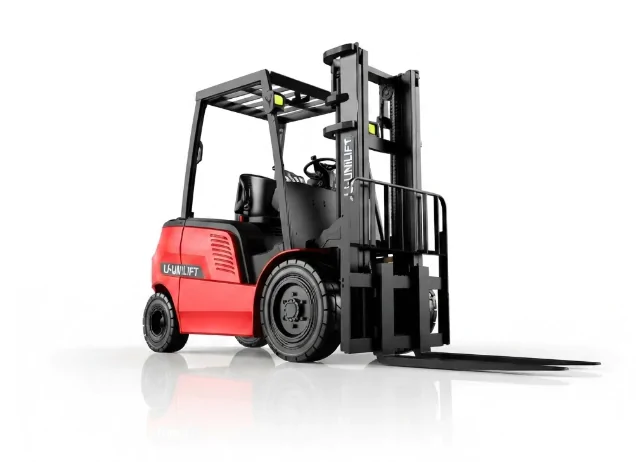
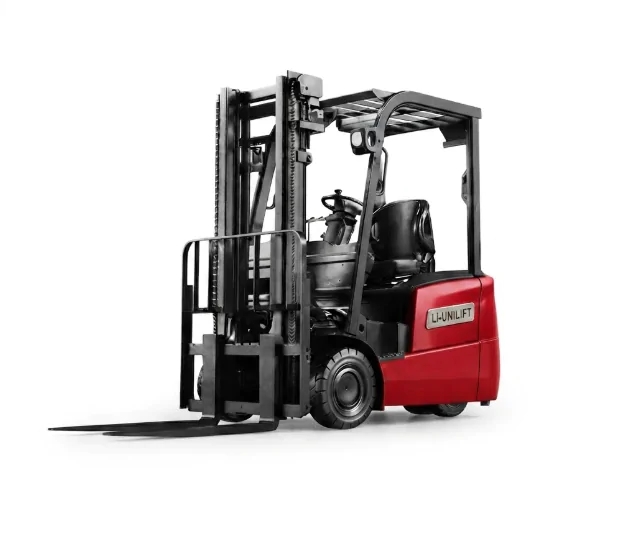
Electric tugger applications cover a wide range of material handling tasks in warehouses, manufacturing plants, distribution centers, logistics facilities, airports, and healthcare environments. Unlike forklifts, which are primarily designed to lift and stack loads, electric tuggers are built for horizontal transportation by towing carts, trailers, racks, and other wheeled loads.
Understanding different electric tugger applications helps businesses determine the right towing capacity, operating configuration, battery system, and level of automation for their material handling requirements.
In general, the right solution depends on the application:
- Small warehouses and short routes → Compact walk-behind tugger
- Large warehouses and long routes → Ride-on electric tugger
- Heavy industrial transportation → Heavy-duty industrial electric tugger
- Automated logistics → AGV or AMR tugger
What Are Electric Tuggers Used For?
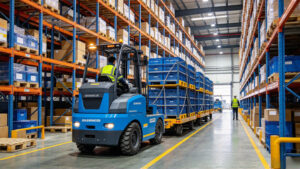
Electric tuggers are battery-powered material handling vehicles designed primarily for pulling wheeled loads. They can move carts, trailers, racks, containers, and production equipment from one location to another without requiring the operator to manually push the load.
Typical electric tugger uses include:
- Moving material carts
- Pulling multiple trailers or carts
- Transporting production components
- Delivering materials to production lines
- Supporting warehouse replenishment
- Moving containers between work areas
- Supporting internal logistics and milk-run systems
The main difference between an electric tugger and a forklift is the type of material movement involved. A forklift is designed to lift, lower, stack, and transport loads, while an electric tugger is primarily designed for horizontal towing.
For operations involving frequent cart movement over defined routes, an electric tugger can provide a practical material handling solution without repeatedly lifting individual loads.
Electric Tugger Applications in Warehouses
Warehousing is one of the most common areas for electric tugger applications. Distribution centers, fulfillment facilities, and large warehouses often need to move multiple carts over long internal routes.
Electric Tugger Applications in Distribution Centers
Distribution centers typically handle high volumes of goods and require frequent transportation between receiving, storage, picking, staging, and shipping areas.
An electric tugger can be used to:
- Pull multiple loaded carts in a single trip
- Transport goods between warehouse zones
- Reduce manual cart pushing
- Support repetitive internal transportation
- Improve the movement of materials along established routes
For larger facilities with long transportation distances, a ride-on electric tugger can reduce unnecessary walking and improve operator productivity.
A medium-duty or industrial electric tugger may be appropriate when the operation requires higher towing capacity or frequent multi-cart transportation.
Electric Tugger for E-Commerce Warehouses
E-commerce fulfillment centers require continuous movement of picking carts, order containers, and replenishment materials.
Common electric tugger uses include:
- Moving picking carts
- Transporting order containers
- Supporting warehouse replenishment
- Moving empty carts back to picking areas
- Connecting picking and packing zones
For operations with repetitive cart movement, an electric cart tugger can reduce the physical effort associated with manually moving loaded carts.
Walk-behind models can be useful in compact warehouse areas, while ride-on models are more suitable for larger facilities and longer transportation routes.
Electric Tugger Applications in Manufacturing
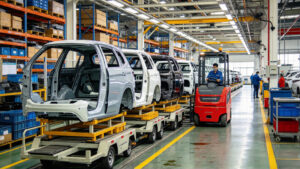
Manufacturing is another major area for electric tugger applications because factories frequently need to move components and work-in-process materials between storage areas and production lines.
Production Line Material Supply
Manufacturing plants often operate continuous material supply routes between warehouses, supermarkets, staging areas, and assembly lines.
Electric tuggers can support:
- Line-side material delivery
- Milk-run logistics
- Production replenishment
- Component cart transportation
- Work-in-process movement
Instead of using a forklift for every internal delivery, manufacturers can use a warehouse tugger or industrial electric tugger to pull several carts along a predefined route.
This approach can be particularly useful when materials need to be delivered repeatedly throughout a production shift.
Electric Tugger Applications in Automotive Manufacturing
Automotive manufacturing requires frequent transportation of components, parts, tools, and work-in-process materials.
Typical electric tugger applications include:
- Moving parts carts
- Supplying assembly lines
- Transporting component containers
- Supporting just-in-time material delivery
- Moving production carts between workstations
Heavy-duty electric tuggers may be used when the total trailer train weight is high or when the facility includes long transportation routes, ramps, or demanding operating conditions.
Automated tugger systems can also support smart factory and automated material flow strategies when the facility requires repeatable transportation routes.
Electric Tugger Applications in Electronics Manufacturing
Electronics manufacturing may require quiet and controlled internal transportation, particularly when sensitive components and organized production flows are involved.
Electric tugger uses in electronics facilities can include:
- Component transportation
- Work-in-process cart movement
- Production line replenishment
- Material transfer between workstations
Battery-electric operation eliminates local exhaust emissions during operation and can provide quiet transportation compared with internal-combustion equipment.
Electric Tugger Applications in Logistics and Transportation Facilities

Electric tuggers are also used in logistics environments where wheeled loads need to be moved repeatedly across large facilities.
Airport and Ground Support Applications
Airports can require frequent transportation of baggage carts, equipment, and other wheeled loads across operational areas.
Potential applications include:
- Baggage cart movement
- Equipment transportation
- Ground support logistics
- Internal cargo movement
For long transportation routes, a ride-on electric tugger can reduce the amount of physical effort required from operators.
The required tugger configuration depends on factors such as towing capacity, route length, surface conditions, traffic, and operating environment.
Rail Stations and Terminals
Rail stations, freight terminals, and transportation facilities may use electric tuggers to move:
- Cargo carts
- Equipment carts
- Containers
- Maintenance materials
- Other wheeled loads
Because these operations can involve frequent transportation cycles, businesses should consider towing capacity, battery runtime, maneuverability, braking performance, and operator visibility when selecting an industrial electric tugger.
Electric Tugger Applications in Healthcare Facilities
Hospitals and healthcare facilities can also use electric tuggers for internal transportation where carts and wheeled containers need to be moved regularly.
Typical applications include:
- Linen cart transportation
- Medical supply cart movement
- Waste container transportation
- Food service cart movement
- Internal logistics
For healthcare environments, low noise, maneuverability, cleanliness, and easy operation can be important considerations.
Compact electric tuggers may be suitable for narrow corridors and smaller transportation routes, while higher-capacity models can be considered for larger facilities and heavier cart trains.
Electric Tugger Applications by Task Type
Different transportation tasks require different tugger configurations. The following table provides a general starting point for equipment selection.
| Task | Recommended Electric Tugger | Main Reason |
|---|---|---|
| Short-distance cart movement | Walk-behind tugger | Compact and maneuverable |
| Long-distance transportation | Ride-on electric tugger | Higher operator efficiency |
| Multiple-cart transportation | Industrial electric tugger | Higher towing capability |
| Heavy material towing | Heavy-duty electric tugger | Higher drawbar pull |
| Automated material flow | AGV/AMR tugger | Supports automated transportation |
| Repetitive production delivery | Industrial tugger | Suitable for milk-run logistics |
The actual equipment selection should always be based on the total towing load, route conditions, operating frequency, floor surface, gradients, hitch configuration, and required safety features.
How Applications Affect Electric Tugger Selection
Choosing an electric tugger should begin with the application rather than the vehicle itself. The same tugger may not be suitable for a small warehouse, a large manufacturing plant, and a heavy industrial facility.
Towing Weight and Load Requirements
The first factor is the total towing requirement.
Consider:
- Total trailer or cart weight
- Number of carts being towed
- Maximum payload
- Rolling resistance
- Floor conditions
- Ramp or gradient requirements
A general selection approach is:
| Load Requirement | Typical Solution |
|---|---|
| Light towing loads | Compact electric tugger |
| Medium towing loads | Standard industrial tugger |
| Heavy towing loads | Heavy-duty electric tugger |
The rated towing capacity should not be evaluated only by adding the payloads of individual carts. Route conditions, wheel resistance, gradients, acceleration requirements, and the condition of the towing equipment can also affect the actual performance requirement.
Transportation Distance
Transportation distance has a direct effect on the required operating configuration.
For short routes with frequent stops, a walk-behind tugger can provide good maneuverability.
For longer routes or large facilities, a ride-on electric tugger can reduce walking time and make repetitive transportation more efficient.
When evaluating a tugger for long-distance operation, also consider battery capacity, charging opportunities, travel speed, and shift duration.
Working Frequency
Operating frequency is another important selection factor.
For occasional transportation, a standard battery configuration may be sufficient.
For intensive or multi-shift operations, businesses should evaluate:
- Battery capacity
- Charging time
- Opportunity charging
- Battery replacement requirements
- Daily operating hours
Lithium-ion battery systems can be useful for high-utilization operations because they can support opportunity charging and reduce some routine battery maintenance requirements, depending on the battery and charging system selected.
Indoor and Outdoor Working Environment
The working environment affects the required tugger configuration.
For indoor applications, consider:
- Compact dimensions
- Low operating noise
- Maneuverability
- Floor conditions
- Operator visibility
For outdoor applications, consider:
- Wheel and tire selection
- Ground clearance
- Weather protection
- Surface conditions
- Gradeability
- Braking performance
If the tugger will operate in specialized environments, additional requirements may apply. Equipment should always be selected according to the applicable local safety and operating requirements.
Electric Tugger vs Forklift
Electric tuggers and forklifts serve different material handling functions.
| Feature | Electric Tugger | Forklift |
|---|---|---|
| Main function | Towing | Lifting and transporting |
| Typical load | Carts and trailers | Pallets and unit loads |
| Primary movement | Horizontal transportation | Lifting and horizontal transportation |
| Load handling | Pulling wheeled loads | Forks and lifting mechanism |
| Typical application | Repetitive cart movement | Loading, unloading, stacking |
| Multi-load transportation | Suitable for cart trains | Usually handles one load at a time |
This does not mean one machine universally replaces the other. Instead, the equipment should be matched to the material handling task.
For example, a forklift may be appropriate for loading pallets from a truck, while an electric tugger may be more appropriate for repeatedly moving several carts between a warehouse and production line.
For general powered industrial truck safety requirements, businesses should consult the applicable local regulations and standards. In the United States, OSHA provides guidance and requirements for powered industrial trucks and material handling operations.
Electric Tugger vs Manual Cart Handling
Manual cart handling may be suitable for occasional movement over short distances, but repetitive transportation can place additional physical demands on workers.
| Feature | Manual Cart Handling | Electric Tugger |
|---|---|---|
| Labor requirement | Higher | Lower physical effort |
| Repetitive transportation | Less efficient | More suitable |
| Multiple-cart movement | Limited | Designed for towing cart trains |
| Long-distance movement | Physically demanding | More efficient |
| Operator effort | Manual pushing or pulling | Powered towing |
For facilities with high-frequency cart transportation, an electric tugger can help reduce manual pushing and pulling while creating a more consistent material flow.
Future Trends in Electric Tugger Applications
The development of smart manufacturing and warehouse automation is expanding the role of electric tuggers beyond manually operated transportation.
AGV and AMR Tugger Systems
AGV and AMR tugger solutions can support automated material transportation between predefined locations or dynamically managed routes.
Potential applications include:
- Automated production replenishment
- Automated cart transportation
- Warehouse-to-line delivery
- Repetitive internal logistics
- Smart factory material flow
The appropriate automation method depends on the facility layout, route requirements, navigation system, load configuration, safety system, and integration requirements.
Lithium-Ion Electric Tuggers
Lithium-ion battery technology is increasingly relevant to electric material handling equipment.
Potential operational benefits include:
- Opportunity charging
- Reduced routine battery maintenance
- Consistent power delivery
- Better suitability for intensive operating schedules
However, battery selection should be based on the actual duty cycle, charging infrastructure, operating environment, and total cost of ownership rather than battery chemistry alone.
How to Choose the Right Electric Tugger
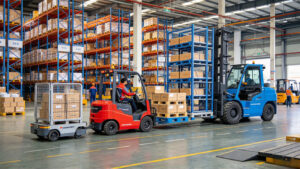
Before purchasing an electric tugger, evaluate the complete transportation task rather than focusing only on rated towing capacity.
Use the following checklist:
- What materials need to be moved?
- What is the maximum total towing weight?
- How many carts or trailers will be connected?
- What is the average and maximum transportation distance?
- How many hours will the tugger operate each day?
- Will the equipment operate indoors, outdoors, or in both environments?
- Are there ramps or gradients on the route?
- What type of floor surface is involved?
- Is walk-behind or ride-on operation more suitable?
- Is lithium-ion battery technology required?
- Is automated operation required?
- What hitch or towing connection is needed?
- What safety and operator protection features are required?
The answers to these questions can help determine whether a compact walk-behind tugger, ride-on warehouse tugger, industrial electric tugger, heavy-duty tugger, or automated AGV/AMR tugger is appropriate.
Frequently Asked Questions About Electric Tugger Applications
What are electric tuggers mainly used for?
Electric tuggers are mainly used for horizontal transportation of carts, trailers, racks, containers, and other wheeled loads in warehouses, factories, distribution centers, and logistics facilities.
Can electric tuggers replace forklifts?
Electric tuggers cannot completely replace forklifts because the two types of equipment are designed for different material handling tasks. Forklifts are designed for lifting and stacking, while electric tuggers are primarily designed for towing wheeled loads.
Which industries use electric tuggers?
Electric tuggers are used across warehouses, manufacturing plants, automotive factories, distribution centers, airports, healthcare facilities, and other industrial or logistics environments where repetitive horizontal transportation is required.
What type of electric tugger is best for a warehouse?
The right electric tugger depends on warehouse size, towing weight, route length, operating frequency, and floor conditions. Walk-behind models are generally suitable for compact areas and shorter routes, while ride-on models can be more suitable for larger facilities and longer transportation distances.
Are electric tuggers suitable for automated warehouses?
Yes. AGV and AMR tugger systems can be integrated into automated material handling operations to support repetitive transportation between designated locations. The required solution depends on the warehouse layout, navigation system, load configuration, and automation requirements.
What should I consider when choosing an electric tugger?
Key considerations include total towing weight, number of carts, transportation distance, operating hours, floor conditions, gradients, indoor or outdoor operation, battery type, hitch configuration, operator requirements, and whether automated transportation is required.
Find the Right Material Handling Solution
Electric tugger applications range from warehouse cart transportation and manufacturing milk-run logistics to airport ground support, healthcare logistics, and automated material handling.
Choosing the right electric tugger starts with understanding the application, towing requirements, route conditions, operating frequency, and future automation needs.
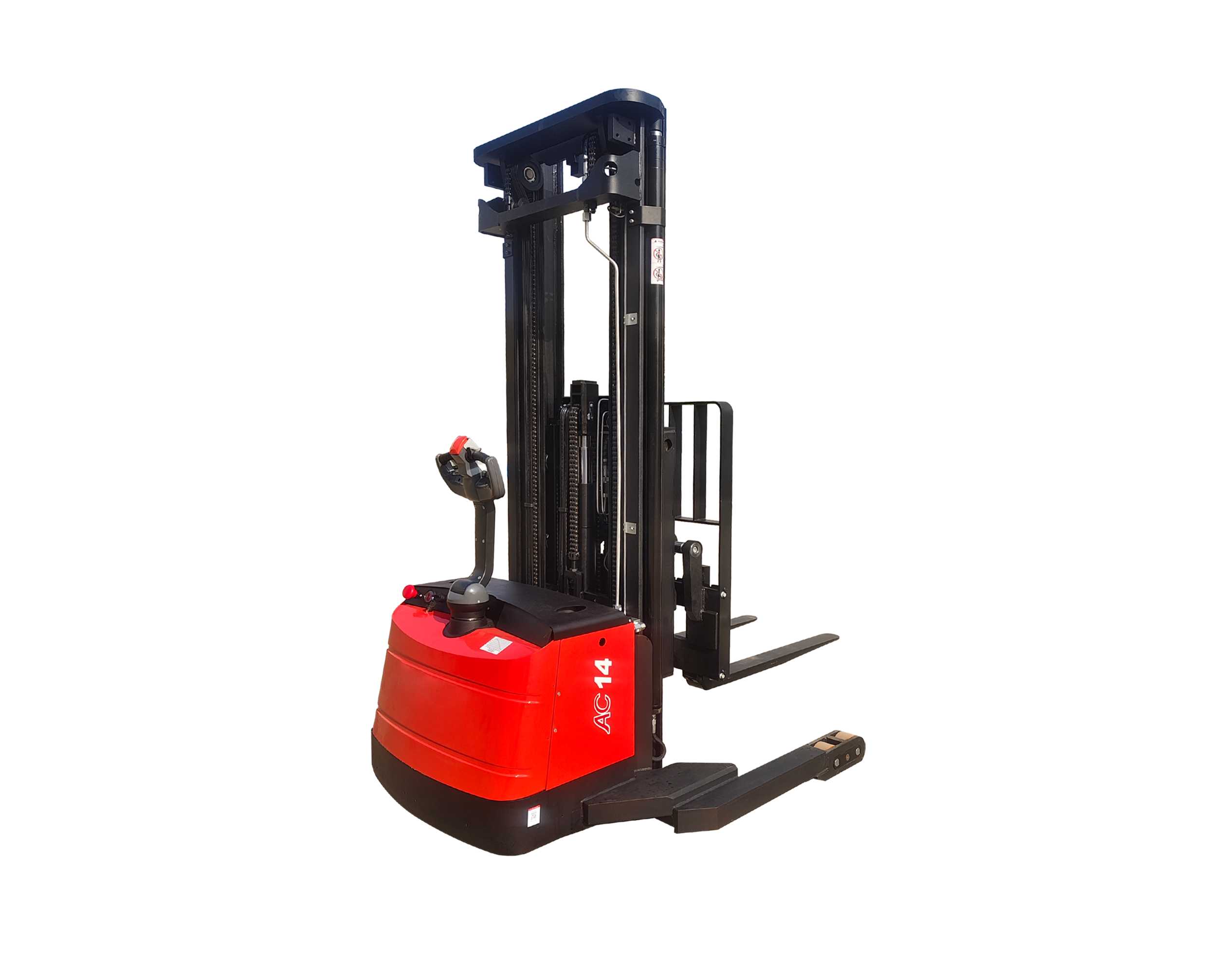
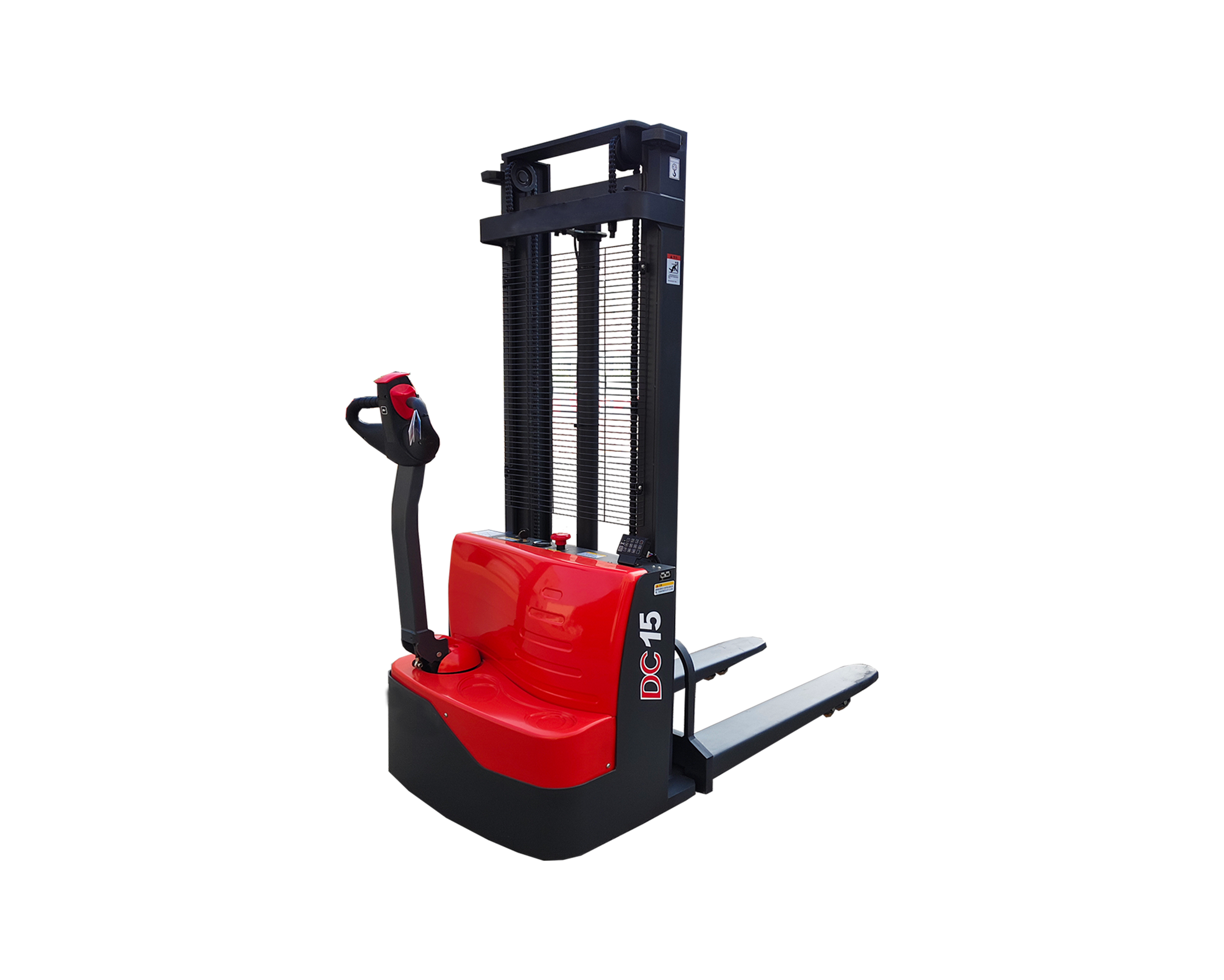
Explore reliable electric pallet trucks, electric stackers, electric tuggers, and other material handling solutions from UNILIFT MHE.
For product inquiries, contact the UNILIFT MHE team to discuss your application and equipment requirements.
Explore reliable electric pallet trucks, electric stackers, and material handling solutions at Unilift MHE.
If you would like to contact us, please click here.
If you would like to learn more about our news, please click here.