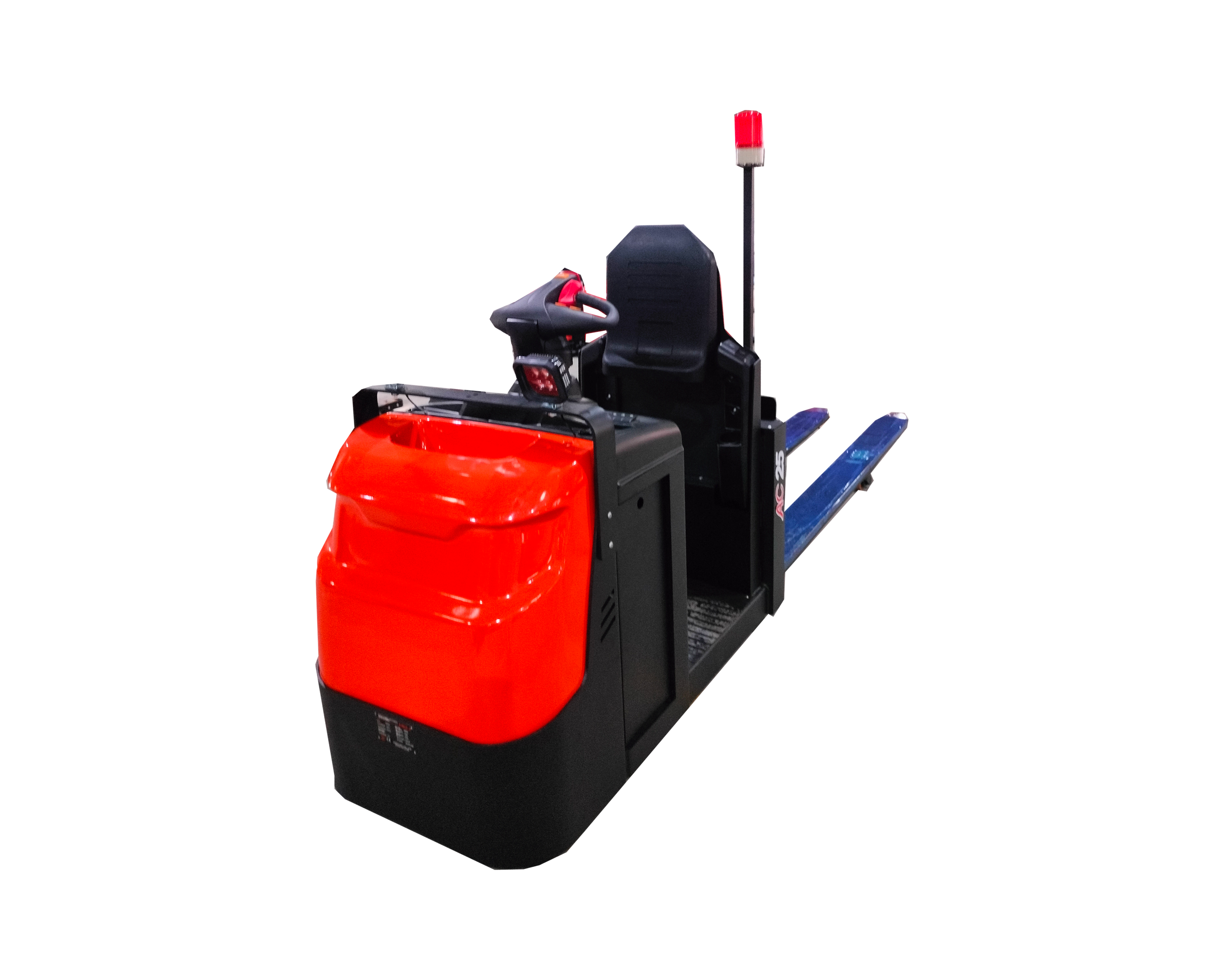
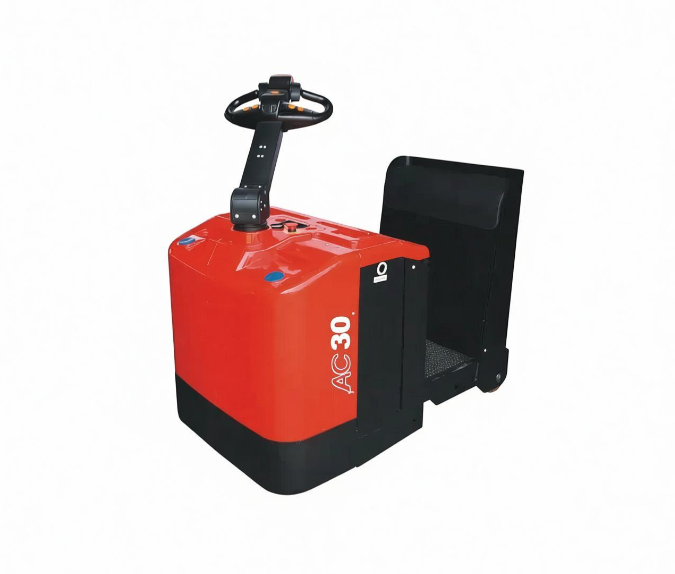
Electric tuggers are changing how warehouses, manufacturing plants, logistics facilities, airports, healthcare organizations, and other industrial operations move carts and wheeled loads. By providing powered towing instead of relying entirely on manual pushing and pulling, electric tuggers can help improve internal transportation efficiency, reduce physical workload, and create more consistent material flow.
As material movement becomes more frequent and labor-intensive, companies are looking for practical electric material handling equipment that can move multiple carts or containers with less manual effort. Electric tuggers can serve this role in applications ranging from warehouse transportation and production-line supply to baggage handling and hospital logistics.
The right solution depends on towing capacity, operating environment, travel distance, working frequency, maneuverability, battery requirements, and whether manual or automated operation is required.
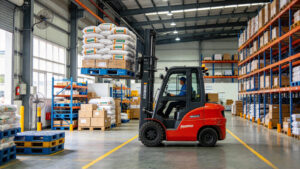
Why Are Industries Moving Toward Electric Tuggers?
Growing Demand for Efficient Material Handling
Modern warehouses and production facilities often need to move materials continuously between receiving, storage, production, picking, staging, and shipping areas.
Traditional manual transportation can become inefficient when workers repeatedly push or pull loaded carts over long distances. OSHA identifies forceful pushing and pulling, repetitive tasks, awkward postures, and heavy loads as important ergonomic risk factors. Powered movers such as tugs can be used to reduce the force required to move heavy loads in appropriate applications.
Electric tuggers can support these operations by:
- Moving multiple carts in one towing cycle
- Reducing repetitive manual pushing and pulling
- Improving internal transportation consistency
- Supporting higher-frequency material movement
- Connecting different work areas through defined transportation routes
Labor Shortages and Rising Operating Costs
Many businesses are looking for ways to use available labor more efficiently while maintaining production and logistics throughput.
An electric tugger does not necessarily replace workers. Instead, it can allow one trained operator to move multiple connected carts or trailers, depending on the equipment and application.
This can help businesses:
- Reduce repetitive physical handling
- Improve operator utilization
- Shorten internal transportation cycles
- Support higher-volume material flow
- Allocate workers to higher-value tasks
The actual labor savings depend on towing distance, load size, route frequency, equipment utilization, and the existing handling process.
Greater Attention to Workplace Ergonomics
Repeatedly pushing and pulling heavy carts can place stress on the back, shoulders, arms, and lower extremities. OSHA recommends appropriate transport devices and powered aids for tasks involving significant pushing or pulling forces.
Electric tuggers can help reduce the physical force required to move wheeled loads. However, equipment selection, operator training, cart maintenance, floor conditions, load configuration, and safe operating procedures remain essential.
How Are Electric Tuggers Changing Warehouse Operations?
Faster Cart and Container Transportation
In warehouses, electric tuggers can be used to move:
- Picking carts
- Material containers
- Roll cages
- Parts carts
- Storage carts
- Tugger trains
- Wheeled production containers
Instead of moving each cart individually, a suitable tugger can tow multiple connected carts in a single transportation cycle.
This can reduce unnecessary walking and repeated manual pushing while improving the flow of materials between warehouse zones.
Supporting Distribution Centers
Distribution centers often require frequent transportation between receiving, storage, picking, staging, and shipping areas.
An electric tugger for warehouse operations can be particularly useful when:
- Transportation routes are repetitive
- Loads are wheeled rather than palletized
- Multiple carts need to move together
- Travel distances are relatively long
- Material movement occurs throughout the working day
The appropriate tugger type depends on towing capacity, route layout, floor conditions, operating frequency, and maneuverability requirements.
Improving E-Commerce Fulfillment
E-commerce fulfillment centers handle large volumes of inventory and often require continuous movement between picking, replenishment, packing, and staging areas.
Electric tugger applications in e-commerce can include:
- Moving picking carts
- Transporting replenishment carts
- Moving packed orders
- Connecting picking and packing zones
- Supporting internal staging operations
For high-frequency transportation, a battery powered tugger can reduce the physical effort required for repetitive cart movement while supporting more predictable material flow.
Electric Tugger Applications in Manufacturing
Manufacturing is one of the major application areas for electric towing equipment because production processes often require materials to move repeatedly between storage and workstations.
Automotive Manufacturing
Automotive plants may use industrial electric tuggers for:
- Parts delivery
- Assembly-line supply
- Component transportation
- Empty-container return
- Work-in-process movement
A tugger train can connect multiple material carts and follow a defined route through the facility.
This approach can support lean material flow by reducing unnecessary forklift traffic in suitable horizontal transportation applications.
For heavier loads or longer routes, companies may consider heavy-duty electric tugger configurations or automated towing systems.
Electronics Manufacturing
Electronics manufacturing can require controlled and consistent internal transportation.
Depending on the facility, electric tuggers can support:
- Component transportation
- Production-line replenishment
- Empty-container collection
- Finished-product movement
- Clean indoor logistics
Low-noise electric operation can be useful in indoor environments where noise levels are an operational consideration.
Where sensitive production processes are involved, the equipment should be selected according to the facility’s cleanliness, floor, battery, and environmental requirements rather than assuming that every electric tugger is suitable for cleanroom or ESD-controlled applications.
Food and Beverage Manufacturing
Food and beverage facilities may use electric tuggers to transport:
- Ingredient carts
- Packaging materials
- Finished-product containers
- Waste or return carts
- Production supplies
The appropriate equipment should be selected according to hygiene requirements, washdown conditions, temperature, floor surfaces, and applicable industry regulations.
Electric Tuggers in Logistics and Transportation
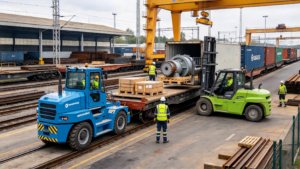
Airports
Airports are another important application for powered towing equipment.
Electric tuggers can be used for:
- Baggage carts
- Cargo carts
- Ground-support equipment
- Service carts
- Internal airport logistics
Airport operations often involve repeated transportation over defined routes, making towing equipment useful for reducing manual cart movement and supporting consistent ground logistics.
Distribution and Logistics Networks
Logistics facilities can use electric tuggers to move wheeled loads between:
- Receiving areas
- Storage zones
- Cross-docking areas
- Sorting areas
- Staging areas
- Shipping docks
Compared with using a forklift for every horizontal transportation task, a tugger can be more appropriate when the primary requirement is towing multiple wheeled loads rather than lifting pallets.
Electric Tuggers in Healthcare and Commercial Facilities
Hospitals and Healthcare Facilities
Hospitals have numerous internal transportation tasks involving wheeled loads.
Potential electric tugger applications include:
- Linen carts
- Supply carts
- Waste containers
- Food-service carts
- Maintenance carts
- Equipment transportation
Healthcare facilities may benefit from powered cart movement where long internal routes or repetitive pushing and pulling are involved. OSHA identifies pushing and pulling heavy carts as an ergonomic concern in healthcare facility operations.
Low-noise operation may also be desirable in areas where minimizing operational disturbance is important.
Retail and Commercial Facilities
Retail stores, shopping centers, hotels, campuses, and other commercial facilities may use compact electric tuggers for:
- Backroom stock transportation
- Waste-cart movement
- Supply delivery
- Linen transportation
- Internal logistics
Compact dimensions and maneuverability are especially important where aisles, doors, and shared pedestrian areas limit available operating space.
Electric Tugger Applications by Industry
| Industry | Common Application | Suitable Tugger Approach |
|---|---|---|
| Small Warehouse | Cart movement | Compact walk-behind tugger |
| Distribution Center | High-frequency transportation | Ride-on or higher-capacity tugger |
| Manufacturing Plant | Production material supply | Industrial electric tugger |
| Automotive Factory | Heavy parts movement | Heavy-duty tugger or tugger train |
| Smart Factory | Automated material flow | Automated tugger or AGV-based solution |
| Hospital | Supply and linen transportation | Compact electric tugger |
| Airport | Baggage and service carts | Heavy-duty towing equipment |
| Retail Facility | Backroom transportation | Compact maneuverable tugger |
The recommended equipment should always be selected according to actual towing requirements, route conditions, operating hours, and local safety requirements.
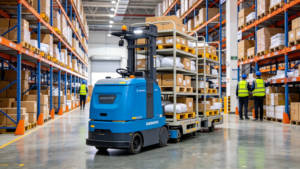
What Are the Main Benefits of Electric Tuggers?
Increased Transportation Productivity
Electric tuggers can move multiple carts during one towing cycle, which can improve productivity in repetitive horizontal transportation applications.
Potential benefits include:
- Fewer individual transportation trips
- Reduced walking distance
- More consistent material flow
- Less waiting between work areas
- Better utilization of transportation routes
Productivity improvements depend on the number of carts, towing capacity, route distance, traffic conditions, and operating process.
Reduced Physical Workload
The primary ergonomic advantage of an electric tugger is powered movement.
Instead of manually generating all the force required to push or pull a loaded cart, the operator controls powered equipment designed for towing.
This can help reduce physical exertion during repetitive transportation tasks. OSHA specifically identifies powered tugs as a possible solution for moving heavy loads that would otherwise require substantial pushing or pulling force.
Potential Labor Efficiency Improvements
A single trained operator may be able to move multiple carts at once, depending on the tugger and towing configuration.
This can allow businesses to evaluate:
- Operator requirements
- Transportation cycle time
- Number of trips
- Route utilization
- Daily towing volume
The result can be improved labor utilization rather than simply a reduction in headcount.
Battery-Powered Operation
A battery powered tugger produces no direct exhaust emissions at the point of operation and can be suitable for many indoor applications where internal-combustion equipment is undesirable.
Actual environmental performance also depends on battery technology, electricity sources, charging practices, equipment efficiency, and operating conditions.
Flexible Material Handling
Electric tuggers can handle transportation tasks that are not well suited to forklifts.
They are particularly useful when the load is already placed on wheels and the primary requirement is horizontal movement rather than lifting.
Electric Tugger vs Traditional Material Movement Methods
Electric Tugger vs Manual Handling
| Feature | Manual Handling | Electric Tugger |
|---|---|---|
| Power source | Human effort | Battery-powered drive |
| Towing assistance | None or limited | Powered towing |
| Multiple carts | Physically demanding | Designed for towing multiple carts where permitted |
| Physical workload | Higher for heavy/repetitive tasks | Can be reduced |
| Transportation consistency | Depends heavily on manual effort | More controlled powered movement |
| Best suited to | Light or occasional movement | Repetitive powered towing applications |
Electric Tugger vs Forklift
| Feature | Electric Tugger | Forklift |
|---|---|---|
| Main function | Towing | Lifting and transporting |
| Typical load | Carts and trailers | Pallets and unit loads |
| Primary movement | Horizontal | Horizontal and vertical |
| Multiple carts | Yes, depending on configuration | Not the primary use |
| Storage/racking | Limited | Designed for lifting applications |
| Best application | Repetitive towing routes | Pallet handling and lifting |
The two equipment types can complement each other. A forklift is generally used when lifting and stacking are required, while an electric tugger is more appropriate when the main task is moving wheeled loads horizontally.
The Role of Electric Tuggers in Smart Manufacturing
Automated Material Handling
As factories and warehouses adopt automation, towing systems can become part of broader automated material handling strategies.
Potential technologies include:
- Automated tugger trains
- AGV towing systems
- Automated route control
- Fleet management
- Warehouse management system integration
- Production-line material delivery
Automation requirements vary significantly between facilities. Route design, pedestrian interaction, safety systems, load transfer, charging infrastructure, and software integration should all be evaluated before implementation.
Industry 4.0 Material Flow
In a connected manufacturing environment, electric tuggers can form part of a larger material flow system.
For example, a production facility may combine:
- Warehouse inventory management
- Automated material requests
- Tugger transportation
- Production-line delivery
- Empty-container return
- Digital tracking
This creates a more structured approach to internal logistics and can reduce unnecessary transportation activity.
How to Choose the Right Electric Tugger
Choosing an industrial electric tugger requires more than looking at the maximum towing capacity.
Towing Capacity
Determine:
- Maximum gross towing load
- Number of carts
- Cart weight
- Trailer configuration
- Inclines or ramps
- Required acceleration and braking
The total towed weight should be evaluated according to the manufacturer’s specifications and the actual operating environment.
Operating Environment
Consider:
- Indoor or outdoor operation
- Floor conditions
- Ramps and slopes
- Aisle width
- Turning radius
- Doorway dimensions
- Pedestrian traffic
- Temperature and humidity
Floor conditions are particularly important because rolling resistance can significantly affect the force required to move carts.
Working Frequency
Evaluate:
- Operating hours per shift
- Number of towing cycles
- Travel distance
- Peak workload
- Charging opportunities
- Required equipment availability
For intensive operations, battery capacity and charging strategy can have a direct effect on equipment utilization.
Manual or Automated Operation
Businesses can choose among different configurations depending on workflow:
- Walk-behind electric tugger
- Ride-on tugger
- Industrial electric tugger
- Automated tugger
- AGV tugger
Manual systems may be suitable where routes change frequently, while automated solutions may be considered for repetitive and predictable transportation routes.
Cart and Trailer Compatibility
The tugger should be compatible with the carts or trailers being towed.
Important considerations include:
- Hitch design
- Cart dimensions
- Load stability
- Braking requirements
- Connection method
- Turning characteristics
- Maximum train length
The entire towing system—not just the tugger itself—should be evaluated before deployment.
Frequently Asked Questions About Electric Tuggers
What industries use electric tuggers?
Electric tuggers are used in warehouses, manufacturing plants, automotive factories, distribution centers, airports, hospitals, retail facilities, and other operations that require repetitive transportation of wheeled loads.
Why are companies switching to electric tuggers?
Companies may adopt electric tuggers to reduce repetitive manual pushing and pulling, improve transportation efficiency, move multiple carts, and better utilize available labor.
Can electric tuggers improve warehouse efficiency?
Yes. When the application is suitable, electric tuggers can move multiple carts in one towing cycle and support more consistent transportation between warehouse areas.
Are electric tuggers suitable for factories?
Yes. Electric tuggers can support production-line supply, parts transportation, work-in-process movement, container return, and other horizontal material flow tasks.
Are electric tuggers environmentally friendly?
Battery-powered electric tuggers produce no direct exhaust emissions during operation. Their overall environmental impact depends on battery technology, electricity generation, charging practices, equipment efficiency, and service life.
Can electric tuggers replace forklifts?
Not in every application. Electric tuggers are primarily designed for towing wheeled loads, while forklifts are designed for lifting and transporting palletized loads. Many facilities use both types of equipment for different material handling tasks.
How do I choose an electric tugger?
Start with the maximum towing weight, number and type of carts, travel distance, route conditions, operating hours, floor conditions, turning requirements, battery needs, and automation requirements.
Conclusion: Electric Tuggers for Modern Material Movement
Electric tuggers are becoming an important option for businesses that need to move carts, containers, trailers, and other wheeled loads efficiently across warehouses, factories, logistics facilities, airports, healthcare environments, and commercial sites.
Their main value comes from powered horizontal transportation. By reducing the manual force required to move repetitive loads, electric tuggers can support better ergonomics, more consistent material flow, and more efficient use of labor. OSHA guidance also recognizes powered tugs as a potential engineering control for tasks involving substantial pushing and pulling forces.
The right solution depends on towing capacity, route conditions, cart configuration, operating frequency, battery requirements, maneuverability, and automation needs.
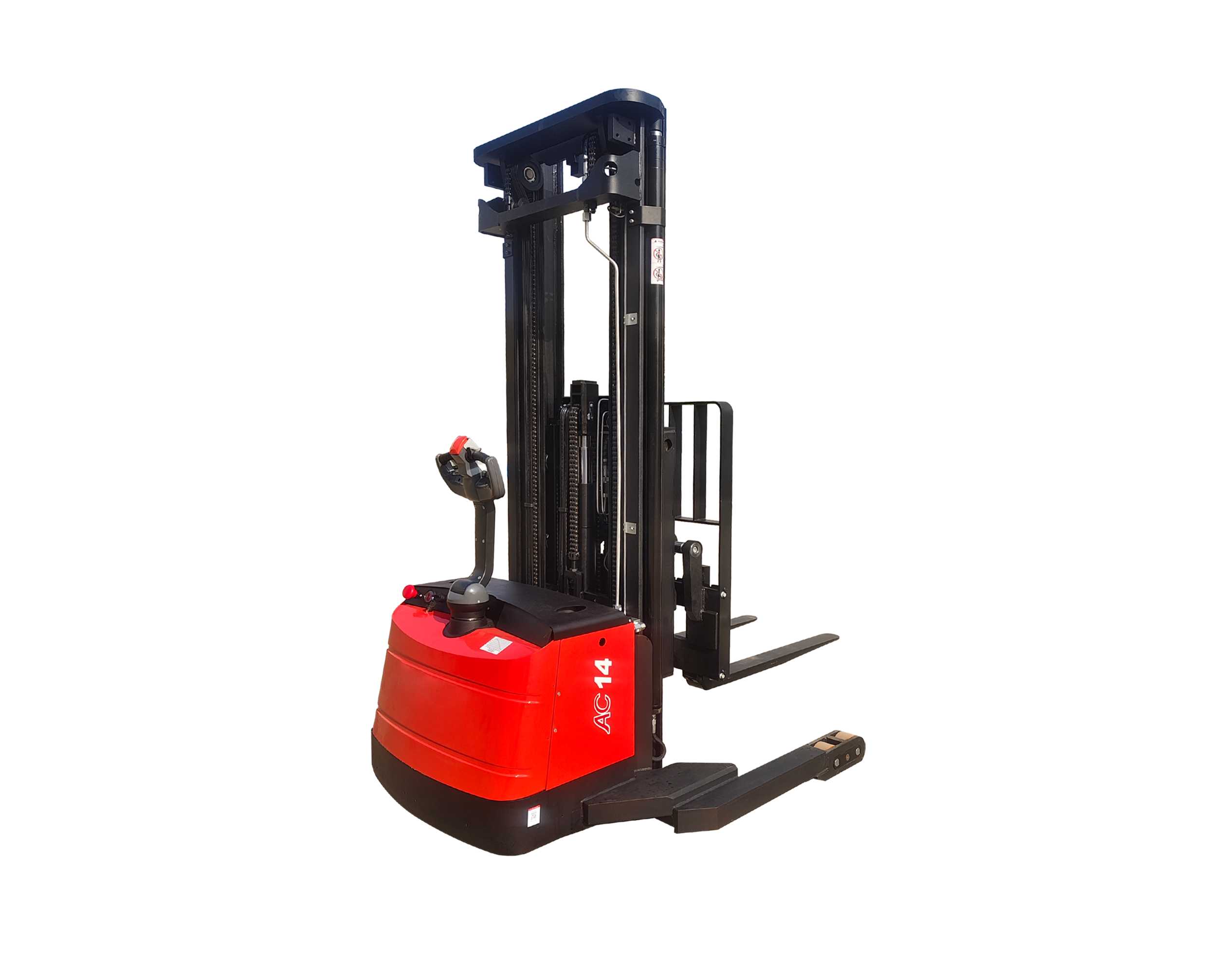
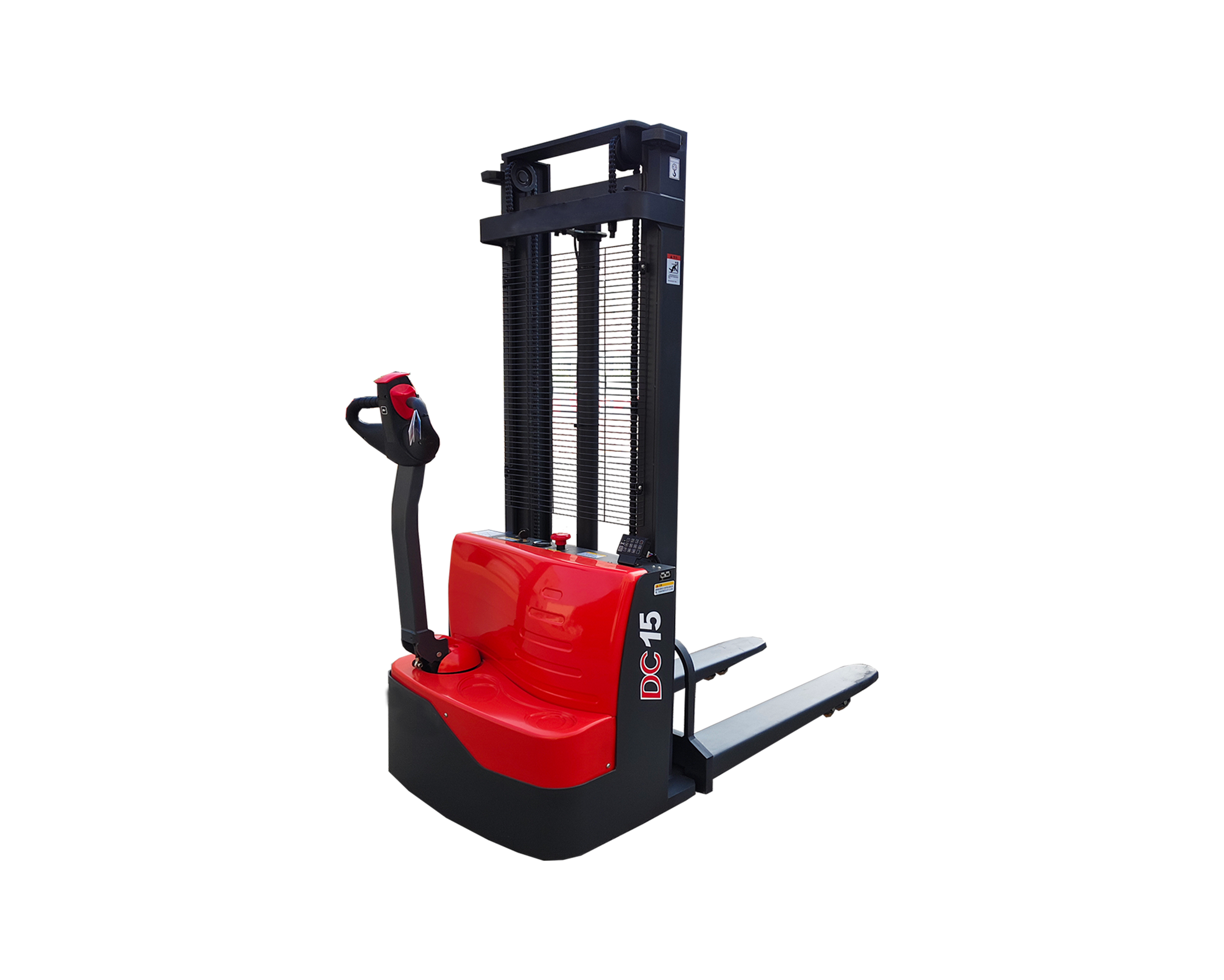
For businesses evaluating electric material handling equipment, electric tuggers can be considered alongside electric pallet trucks, electric stackers, forklifts, and automated material handling systems as part of a broader warehouse or factory transportation strategy.
Follow UNILIFT MHE for More Material Handling Insights
Stay connected with UNILIFT MHE for the latest updates on electric pallet trucks, electric stackers, electric tuggers, warehouse equipment, material handling solutions, and industry insights. Follow our social media channels to discover new products, application scenarios, company updates, and practical information for modern warehouse and logistics operations.
Explore reliable electric pallet trucks, electric stackers, and material handling solutions at Unilift MHE.
If you would like to contact us, please click here.
If you would like to learn more about our news, please click here.
Facebook: Follow UNILIFT MHE on Facebook
TikTok: Follow UNILIFT MHE on TikTok
Instagram: Follow UNILIFT MHE on Instagram
X: Follow UNILIFT MHE on X
Pinterest: Explore UNILIFT MHE on Pinterest
LinkedIn: Connect with UNILIFT MHE on LinkedIn