Effective electric tugger training helps warehouse and factory employees learn how to operate towing equipment safely, efficiently, and consistently. Electric tuggers can streamline material transportation and reduce manual handling, but inadequate training may increase the risk of collisions, unstable loads, equipment damage, and unsafe operating practices.
A complete training program should cover equipment familiarization, pre-operation inspections, driving techniques, towing procedures, load handling, workplace hazards, emergency response, hands-on practice, and operator evaluation. This guide explains how to build an effective electric tugger training program for warehouses, manufacturing facilities, logistics centers, and other industrial environments.
1. Why Is Electric Tugger Training Important?
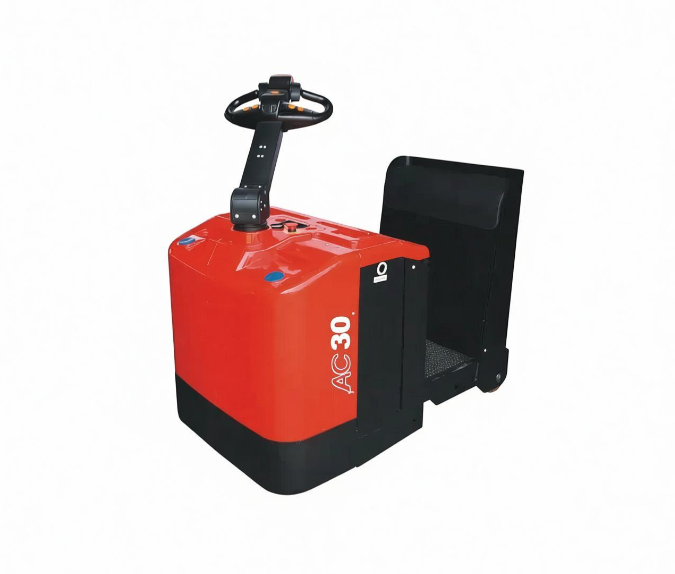
Electric tuggers are designed to move carts, trailers, and other towable loads across workplaces. Because operating conditions vary significantly between facilities, employees need to understand not only how to use the controls but also how the equipment, towing configuration, load, and workplace environment interact.
1.1 Improve Workplace Safety
Proper training helps operators recognize hazards before and during operation.
Training should address:
- Pedestrian traffic
- Blind spots and restricted visibility
- Warehouse intersections
- Narrow aisles
- Load stability
- Safe operating speeds
- Ramps and slopes where applicable
- Shared vehicle and pedestrian areas
- Emergency procedures
Operators should maintain adequate visibility and follow the site’s traffic management procedures whenever operating an electric tugger.
For workplaces subject to OSHA’s powered industrial truck requirements, employers should review the applicable requirements in 29 CFR 1910.178(l), including training, practical instruction, workplace evaluation, refresher training, and certification requirements.
1.2 Protect Equipment From Damage
Incorrect operation can place unnecessary stress on the drive system, wheels, towing components, battery, braking system, and other equipment.
Training should teach operators to:
- Stay within the rated towing capacity
- Use compatible towing equipment
- Avoid sudden acceleration and braking
- Inspect the equipment before operation
- Recognize abnormal equipment conditions
- Follow manufacturer operating limits
- Report defects before continued operation when required
Good operating practices can reduce avoidable wear and support more predictable equipment maintenance.
1.3 Improve Operational Efficiency
Safety and productivity should be trained together rather than treated as separate objectives.
Well-trained operators can help:
- Reduce handling errors
- Improve route awareness
- Maintain smoother material flow
- Reduce unnecessary stops
- Improve equipment utilization
- Follow standardized towing procedures
- Support consistent warehouse operations
The goal is not simply to move a load faster. The goal is to move the load safely and consistently under the actual conditions of the workplace.
2. What Should Employees Learn Before Operating an Electric Tugger?
Before employees begin hands-on operation, they should understand the equipment, its intended application, and its operating limitations.
2.1 Understand Electric Tugger Components
Operators should become familiar with the main components of the specific electric tugger they will operate, including:
- Drive motor
- Battery system
- Control handle or control panel
- Steering system
- Emergency stop
- Braking system
- Towing hitch
- Wheels and drive components
- Battery and system indicators
- Warning devices, where equipped
The objective is not to turn operators into technicians. Instead, operators should understand the basic function of each major component and recognize conditions that require the equipment to be removed from service or reported for inspection.
For example, operators should know where the emergency stop is located and understand the manufacturer’s instructions for using it.
2.2 Learn Equipment Specifications and Limitations
Employees should understand the specifications that directly affect safe operation.
Training should cover:
- Rated towing capacity
- Maximum operating speed
- Battery and charging characteristics
- Approved towing equipment
- Suitable operating environments
- Grade or slope limitations specified by the manufacturer
- Indoor or outdoor operating restrictions, where applicable
- Any restrictions associated with the towing configuration
An electric tugger is primarily designed for towing. It should not be treated as a substitute for lifting equipment such as an electric pallet truck, electric stacker, or forklift.
The exact capacity and operating limits must always come from the specific equipment manufacturer’s documentation.
3. Step-by-Step Electric Tugger Training Process
A structured electric tugger training program should combine formal instruction with practical exercises and workplace evaluation.
OSHA’s powered industrial truck training framework similarly calls for a combination of formal instruction, practical training, and evaluation of operator performance in the workplace.
Step 1: Provide Safety Awareness Training
Begin by explaining the main hazards associated with electric tugger operation.
Training topics should include:
- Workplace traffic rules
- Pedestrian safety
- Load stability
- Collision prevention
- Safe operating speeds
- Emergency procedures
- Personal protective equipment (PPE), where required
- Site-specific safety rules
Operators should learn to:
- Maintain adequate visibility
- Keep a safe distance from pedestrians and obstacles
- Adjust speed to the operating environment
- Avoid sudden movements
- Follow designated traffic routes
- Communicate clearly in shared work areas
The training should use examples from the actual workplace whenever possible. A warehouse with narrow aisles and frequent pedestrian traffic requires different practical instruction from an isolated manufacturing area.
Step 2: Teach Pre-Operation Inspection Procedures
Employees should learn how to inspect the electric tugger according to the manufacturer’s instructions and the company’s inspection procedure.
Battery System
Check, as applicable:
- Battery charge level
- Battery condition
- Cables and connectors
- Charging system condition
- Warning indicators
- Visible damage or leakage
Equipment Condition
Check:
- Wheels
- Frame
- Controls
- Brakes
- Emergency stop
- Steering system
- Audible or visual warning devices, where equipped
- Visible damage or loose components
Towing Connection
Check:
- Hitch security
- Cart or trailer compatibility
- Towing equipment condition
- Load stability
- Load distribution
- Proper engagement of the towing connection
Operators should not continue using equipment when a condition could affect safe operation. Defects should be reported according to the company’s maintenance procedure.
Step 3: Train Employees on Basic Operation
After safety awareness and inspection training, employees can learn the basic controls.
Starting the Electric Tugger
Training should cover:
- Power activation
- Control checks
- Emergency stop location
- Initial movement test
- Warning indicators
The operator should confirm that the equipment responds correctly before entering the normal operating route.
Driving and Steering
Employees should practice:
- Forward movement
- Reverse operation
- Steering
- Turning
- Speed control
- Controlled acceleration
- Controlled deceleration
Operators should reduce speed before turning and when entering areas with limited visibility or increased pedestrian activity.
Stopping and Parking
Training should include:
- Controlled braking
- Safe parking position
- Parking on approved surfaces
- Power shutdown procedure
- Securing the towing equipment when required
- Following the manufacturer’s parking instructions
Step 4: Teach Proper Load Handling
Towing safety is a central part of electric tugger training.
Check Load Conditions
Before moving a load, operators should:
- Confirm the total towing weight
- Verify that the cart or trailer is compatible
- Check load distribution
- Secure loose materials
- Confirm that the towing connection is properly engaged
- Check that the route is suitable for the load
Follow Safe Transportation Practices
During transportation:
- Avoid sudden acceleration
- Avoid sudden braking
- Reduce speed before turns
- Maintain adequate clearance
- Watch for pedestrians
- Follow designated routes
- Avoid exceeding rated capacity
- Stop if the load becomes unstable or the towing connection is compromised
The complete towing configuration should remain within the limits specified by the electric tugger and towing equipment manufacturers.
4. Essential Safety Rules for Electric Tugger Operators
Safety rules should be reinforced during classroom instruction, practical exercises, and workplace evaluation.
4.1 Follow Towing Capacity Limits
Operators should never:
- Exceed the rated towing capacity
- Pull unstable carts
- Attach incompatible trailers
- Use damaged towing equipment
- Operate with an improperly secured load
Exceeding equipment limits can increase the risk of loss of control, equipment damage, and other workplace incidents.
4.2 Maintain Safe Driving Practices
Operators should:
- Drive at an appropriate speed
- Slow down in crowded areas
- Reduce speed before turning
- Maintain adequate visibility
- Watch for pedestrians
- Keep appropriate clearance from obstacles
- Follow site traffic rules
Speed should be appropriate for the load, floor condition, route, visibility, and surrounding traffic.
4.3 Understand Emergency Procedures
Every operator should know what to do when an abnormal situation occurs.
Training should cover:
- Emergency stop operation
- Loss of control
- Equipment malfunction
- Unexpected obstacles
- Battery or system warnings
- Towing connection failure
- Load instability
- Reporting procedures
- Who to contact for maintenance support
Emergency procedures should be specific to the equipment and workplace rather than presented only as general safety theory.
5. Hands-On Electric Tugger Training
Practical training allows employees to demonstrate the skills introduced during formal instruction.
5.1 Practice in a Controlled Area
Initial practical training should take place in a designated area with limited traffic and controlled hazards.
Suitable locations may include:
- An empty warehouse section
- A designated training zone
- A low-traffic material handling area
- A controlled outdoor area when appropriate
Practice tasks can include:
- Starting and stopping
- Forward and reverse movement
- Steering
- Turning
- Controlled braking
- Emergency stop operation
- Connecting towing equipment
- Moving unloaded equipment
- Moving representative loads
The trainer should directly supervise the trainee during practical exercises and correct unsafe operating habits.
For workplaces covered by OSHA’s powered industrial truck standard, trainees may operate equipment during training only under the direct supervision of appropriately knowledgeable and experienced trainers and where the operation does not endanger the trainee or other employees.
5.2 Conduct Workplace-Based Training
After basic skills are demonstrated in a controlled environment, employees can progress to supervised operation in their normal workplace.
Workplace training can include:
- Actual warehouse routes
- Representative material loads
- Normal intersections
- Production-area routes
- Loading and unloading points
- Pedestrian interaction
- Site-specific traffic procedures
- Actual towing configurations
The transition to independent operation should be based on demonstrated competence rather than simply completing a fixed number of practice hours.
6. How to Evaluate Electric Tugger Operator Skills
A complete training program should include both knowledge assessment and practical evaluation.
6.1 Conduct a Knowledge Assessment
The assessment should verify that employees understand:
- Equipment functions
- Safety rules
- Operating limitations
- Inspection procedures
- Towing capacity
- Load handling requirements
- Emergency procedures
- Workplace traffic rules
Employees should be able to explain how they would respond to common abnormal situations.
6.2 Conduct a Practical Operation Test
The practical assessment can evaluate:
- Pre-operation inspection
- Correct startup procedure
- Smooth acceleration
- Controlled braking
- Steering
- Turning
- Reverse operation
- Towing connection
- Load handling
- Pedestrian awareness
- Emergency response
- Safe parking
A documented evaluation form can help supervisors apply consistent criteria across different operators.
For OSHA-covered powered industrial truck operations, the employer must ensure the operator has successfully completed the required training and evaluation before allowing independent operation, subject to the standard’s provisions.
6.3 Provide Refresher Training When Needed
Refresher training should be considered or provided when required by applicable regulations and when an operator’s knowledge or skills are no longer sufficient for safe operation.
Under OSHA 29 CFR 1910.178(l), refresher training is required in specified circumstances, including unsafe operation, an accident or near miss, an evaluation showing unsafe operation, assignment to a different type of truck, or workplace changes that affect safe operation. Operator performance must also be evaluated at least once every three years.
Companies should also consider additional training when:
- A new electric tugger model is introduced
- Operating procedures change
- The workplace layout changes
- An operator repeatedly demonstrates unsafe practices
- A collision or near-miss occurs
- An operator has not used the equipment for an extended period
- New workplace hazards are introduced
6.4 Maintain Training and Evaluation Records
For workplaces subject to OSHA requirements, employers must certify that operators have been trained and evaluated. The certification includes the operator’s name, training date, evaluation date, and the identity of the person or persons conducting the training or evaluation.
A company training record can also include:
- Equipment type
- Training topics
- Practical evaluation results
- Trainer or evaluator
- Refresher training date
- Corrective training actions
7. Common Electric Tugger Training Mistakes to Avoid
Even a formal training program can be ineffective if important areas are overlooked.
7.1 Training Only on Controls
A common mistake is teaching employees how to move the equipment without explaining the conditions that affect safe operation.
Operators may learn how to:
- Start
- Stop
- Steer
- Reverse
But they may not understand:
- Towing capacity
- Pedestrian hazards
- Inspection requirements
- Emergency procedures
- Towing limitations
- Workplace traffic rules
Effective training should combine equipment operation, safety, inspection, towing, load handling, and emergency response.
7.2 Ignoring Different Working Environments
Warehouse and industrial environments can vary significantly.
Training should reflect actual operating conditions, including:
- Narrow aisles
- Production lines
- Heavy pedestrian traffic
- Warehouse intersections
- Loading areas
- Ramps or slopes where permitted
- Outdoor operating areas where applicable
An operator trained only in an empty warehouse may not be prepared for a busy production environment.
7.3 Allowing Untrained Employees to Operate Equipment
Companies should establish clear authorization procedures before employees operate electric tuggers independently.
Employees should not operate equipment unless they have received the training and authorization required by applicable workplace regulations and company procedures.
Unauthorized operation may increase the risk of:
- Equipment misuse
- Load handling errors
- Collisions
- Equipment damage
- Workplace incidents
7.4 Failing to Document Training
Training records help supervisors track operator qualification and identify when additional training may be required.
Records can include:
- Employee name
- Equipment type
- Training date
- Training topics
- Practical evaluation results
- Trainer or evaluator
- Refresher training date
- Evaluation date
For regulated workplaces, documentation should meet the applicable legal and company requirements.
8. Electric Tugger Training Checklist
The following checklist can be adapted to the specific electric tugger model, towing equipment, workplace layout, and applicable regulations.
| Training Item | Completed |
|---|---|
| Understand electric tugger components | ✓ |
| Learn workplace safety rules | ✓ |
| Understand towing capacity | ✓ |
| Perform pre-operation inspection | ✓ |
| Check battery and system condition | ✓ |
| Operate controls correctly | ✓ |
| Practice forward and reverse movement | ✓ |
| Practice steering and turning | ✓ |
| Practice controlled braking | ✓ |
| Connect towing equipment correctly | ✓ |
| Handle representative loads safely | ✓ |
| Understand emergency procedures | ✓ |
| Complete practical operation assessment | ✓ |
| Complete workplace evaluation | ✓ |
| Receive required operator authorization | ✓ |
| Record training and evaluation | ✓ |
9. How Proper Training Supports Warehouse Performance
A structured electric tugger training program can support both safety and operational consistency.
9.1 Improve Material Flow
Well-trained operators can perform routine towing tasks more consistently.
Potential operational benefits include:
- Fewer handling errors
- Smoother material movement
- Better route awareness
- More consistent workflow
- Improved equipment utilization
Productivity should always be evaluated alongside safe operating requirements and equipment limitations.
9.2 Reduce Avoidable Equipment Wear
Operator behavior can affect equipment wear and maintenance requirements.
Proper training can help reduce:
- Incorrect towing practices
- Sudden acceleration and braking
- Overloading
- Improper hitch use
- Continued operation after abnormal conditions are identified
This can support more predictable maintenance planning and reduce avoidable equipment damage.
9.3 Support a Safer Working Environment
Consistent training can improve awareness of:
- Pedestrian traffic
- Load stability
- Equipment limitations
- Emergency procedures
- Workplace traffic rules
A strong material handling safety program depends on training, supervision, equipment maintenance, workplace design, and clear operating procedures working together.
FAQ
Q1: Do employees need training before operating an electric tugger?
Employees should receive appropriate training before independently operating an electric tugger. Training should cover equipment controls, safety procedures, operating limitations, inspections, towing procedures, load handling, and emergency response. Applicable workplace regulations and company requirements should also be followed.
Q2: How long does electric tugger training take?
Training time varies according to the equipment type, workplace environment, employee experience, and training scope. A complete program should combine instruction, hands-on practice, and evaluation rather than relying on a fixed number of training hours.
Q3: What should electric tugger training include?
A comprehensive program should include equipment familiarization, safety awareness, pre-operation inspection, basic operation, towing procedures, load handling, emergency response, practical training, workplace evaluation, and operator authorization.
Q4: Can any warehouse employee operate an electric tugger?
Only employees who have received the required training and authorization should operate an electric tugger independently. Companies should also consider applicable workplace regulations, equipment requirements, and site-specific procedures.
Q5: How often should electric tugger training be repeated?
There is no single universal interval that applies to every workplace. Training should be repeated when required by applicable regulations or when changes in equipment, procedures, workplace conditions, or operator performance create a need for additional instruction.
For OSHA-covered powered industrial truck operations, specific events trigger refresher training, and operator performance must be evaluated at least once every three years.
Q6: Should electric tugger training include hands-on practice?
Yes. Hands-on practice allows employees to demonstrate inspection, steering, braking, towing, load handling, and emergency procedures under controlled conditions before operating independently.
Q7: Who should evaluate an electric tugger operator?
The evaluator should be appropriately qualified under the applicable workplace requirements and company training procedures. The evaluation should verify both the operator’s knowledge and practical operating skills.
Conclusion
Effective electric tugger training should go beyond teaching employees how to operate the controls. A complete program should cover safety awareness, equipment inspection, towing capacity, load handling, driving techniques, emergency procedures, hands-on practice, workplace evaluation, and appropriate refresher training.
By combining structured instruction with supervised practical exercises and documented evaluation, warehouses and factories can help operators use electric tuggers more consistently and responsibly. Proper training also supports equipment protection, reliable material flow, and long-term fleet management.
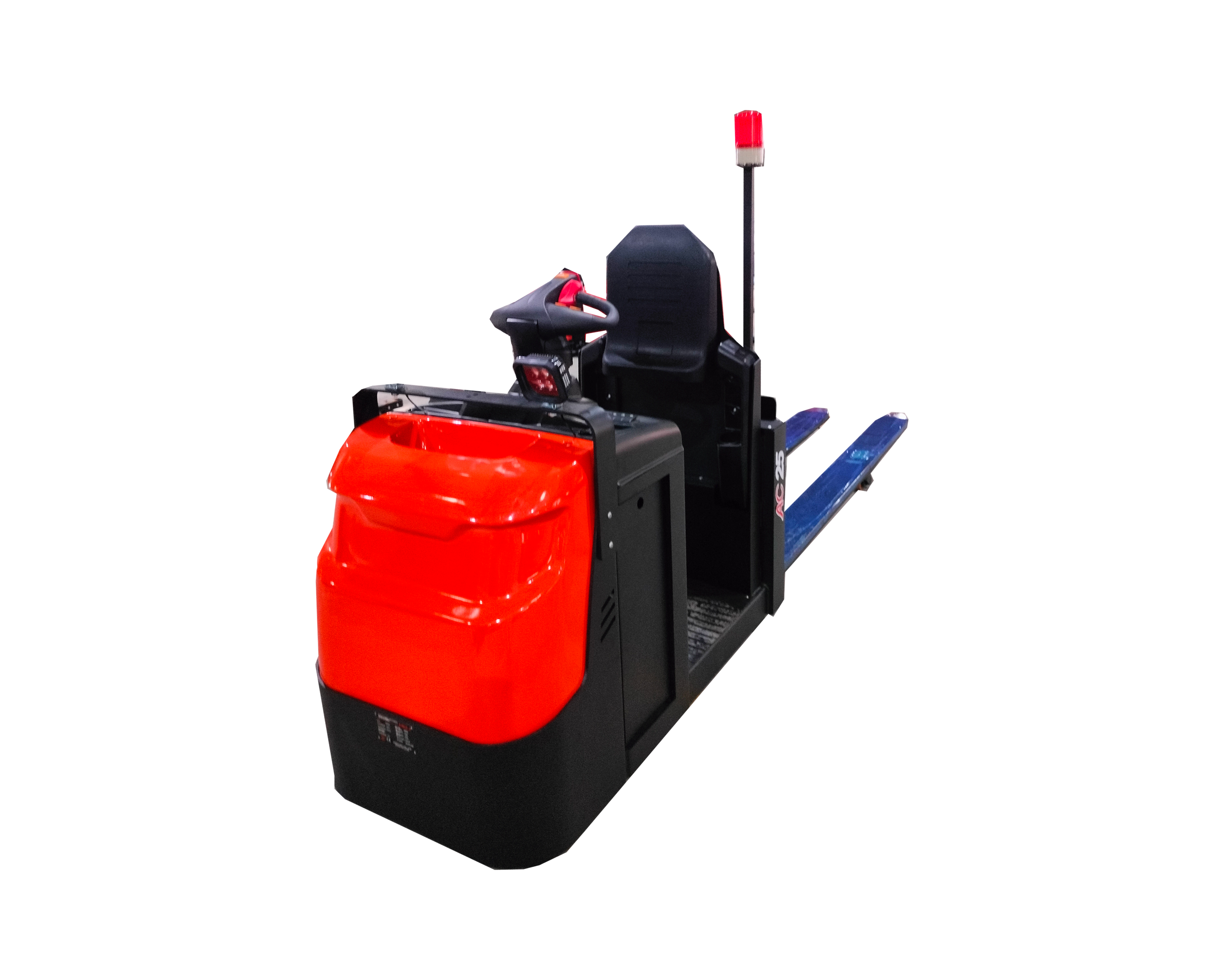
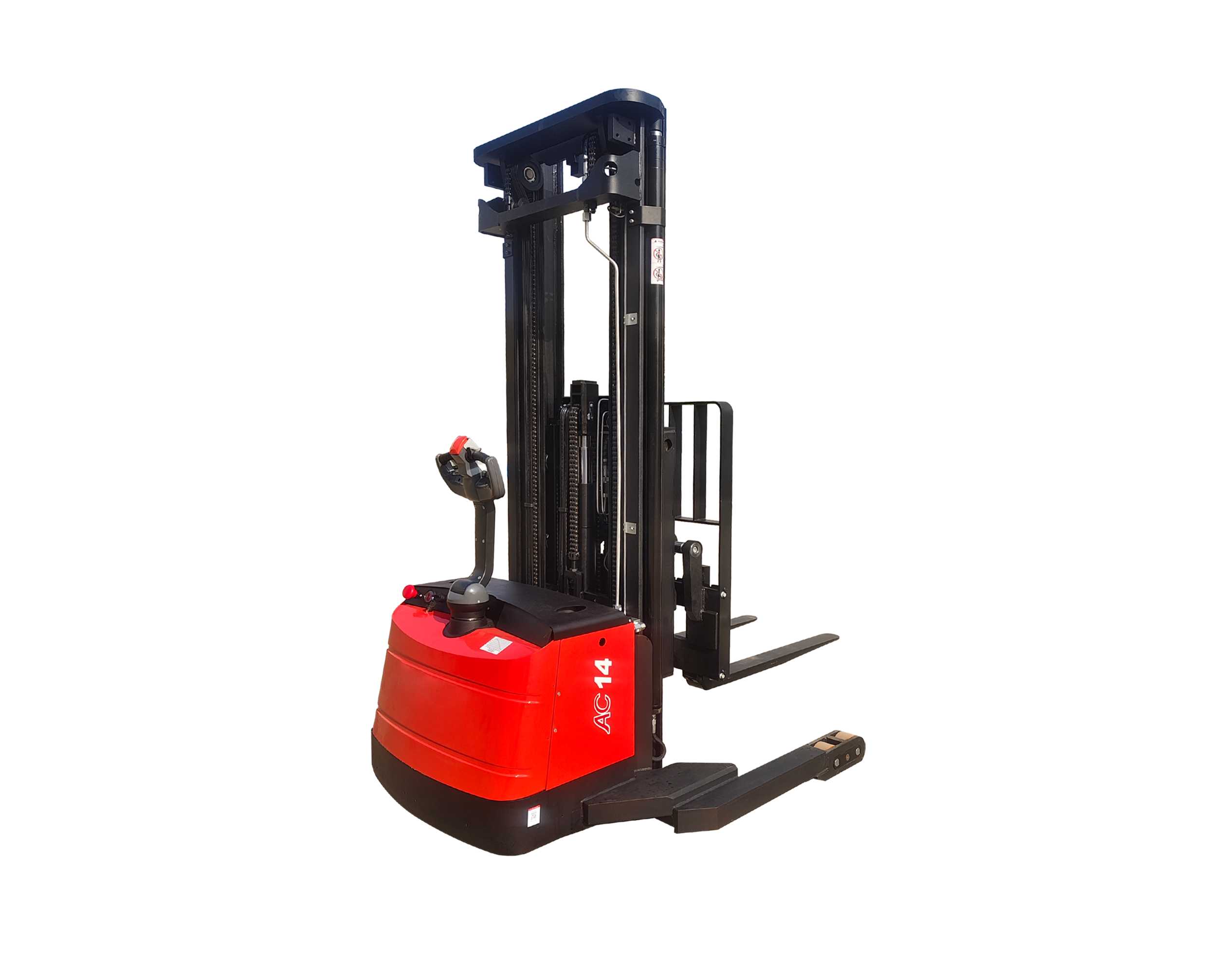
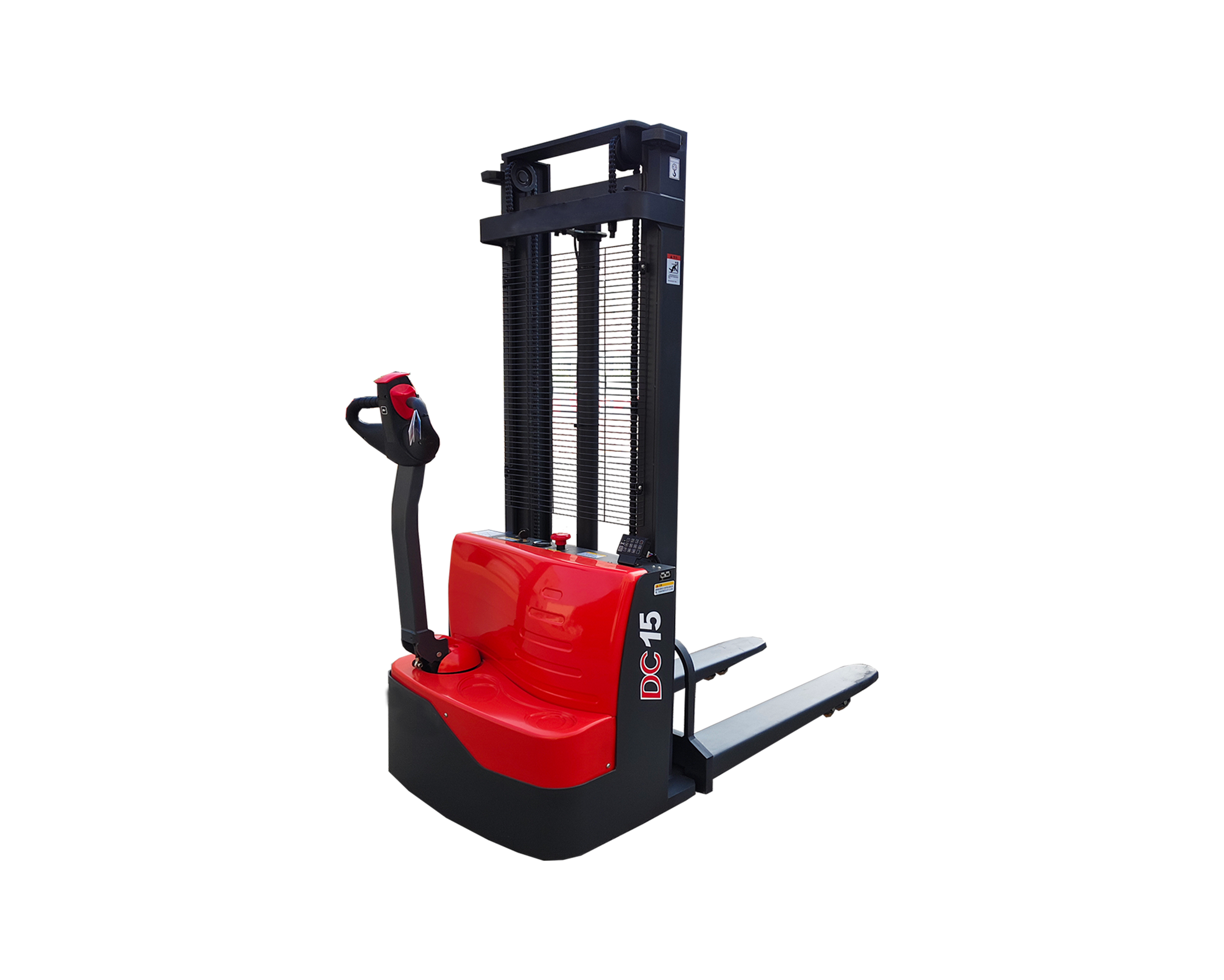
UNILIFT MHE provides electric material handling solutions for warehouses, manufacturing facilities, logistics centers, and other industrial applications. Its product portfolio includes electric pallet trucks, electric stackers, electric order pickers, and electric tow tractors.
Explore the UNILIFT Electric Tow Tractor product range to learn more about electric towing solutions for material transportation.
For related material handling equipment, see the UNILIFT Electric Pallet Truck and UNILIFT Electric Stacker product ranges.
For more material handling guides and industry updates, visit the UNILIFT News Center.
If you have questions about electric towing equipment or material handling solutions, contact UNILIFT MHE for further information.
Follow UNILIFT MHE for More Material Handling Insights
Stay connected with UNILIFT MHE for the latest updates on electric pallet trucks, electric stackers, electric tuggers, warehouse equipment, material handling solutions, and industry insights. Follow our social media channels to discover new products, application scenarios, company updates, and practical information for modern warehouse and logistics operations.
Explore reliable electric pallet trucks, electric stackers, and material handling solutions at Unilift MHE.
If you would like to contact us, please click here.
If you would like to learn more about our news, please click here.
Facebook: Follow UNILIFT MHE on Facebook
TikTok: Follow UNILIFT MHE on TikTok
Instagram: Follow UNILIFT MHE on Instagram
X: Follow UNILIFT MHE on X
Pinterest: Explore UNILIFT MHE on Pinterest
LinkedIn: Connect with UNILIFT MHE on LinkedIn