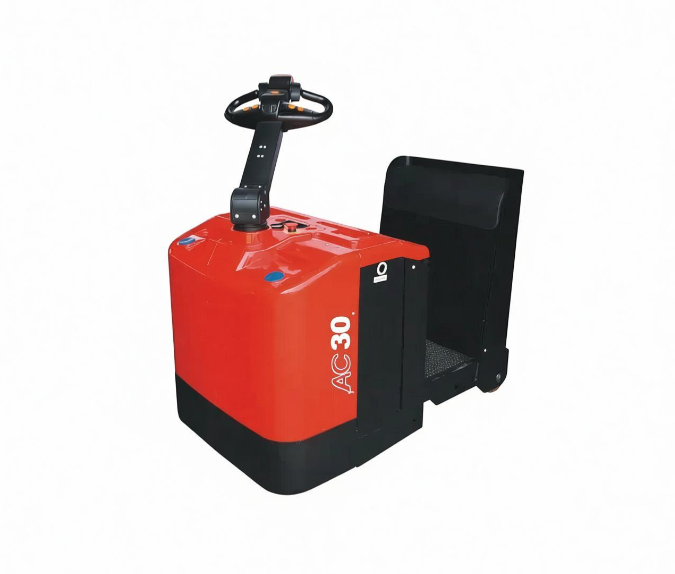
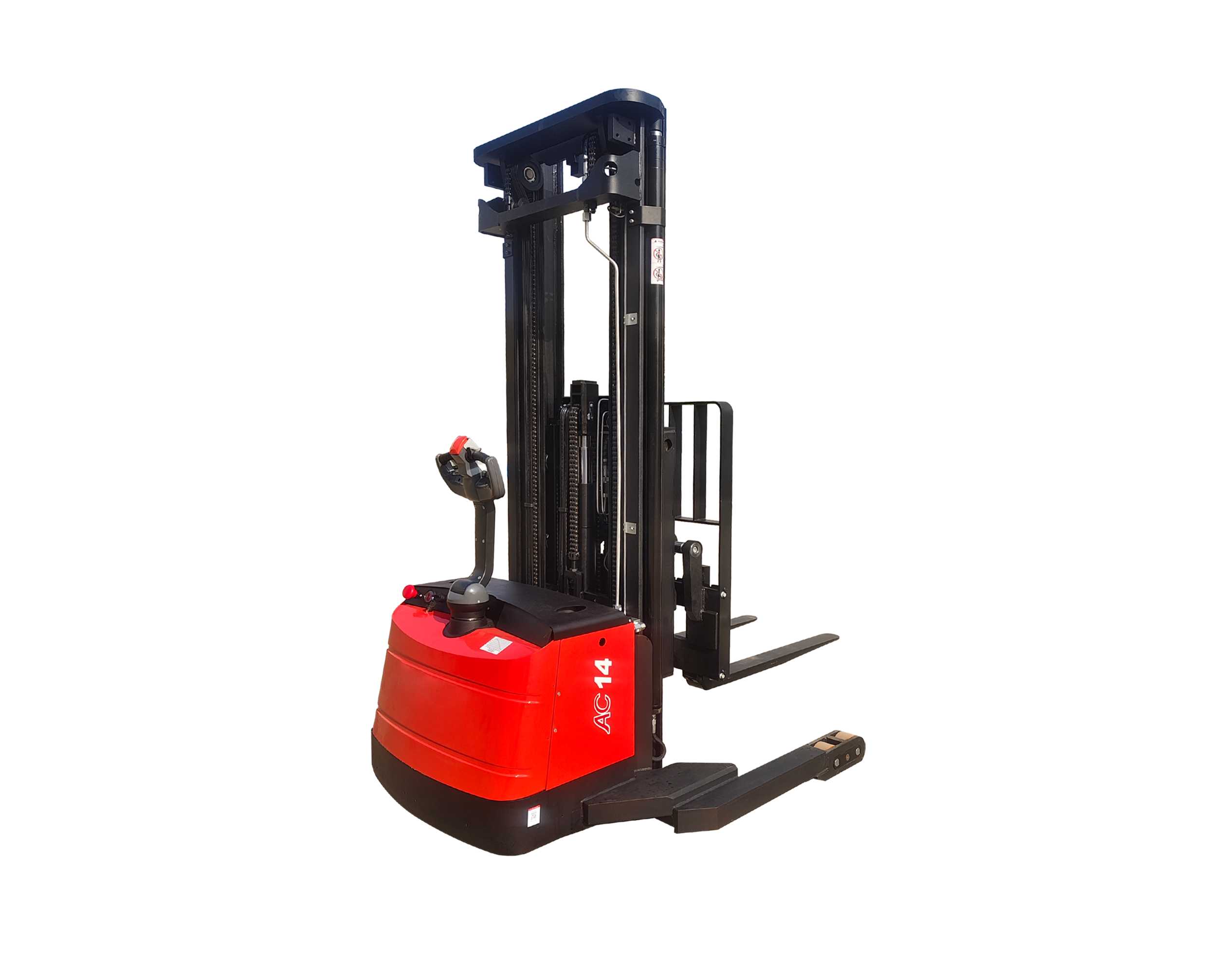
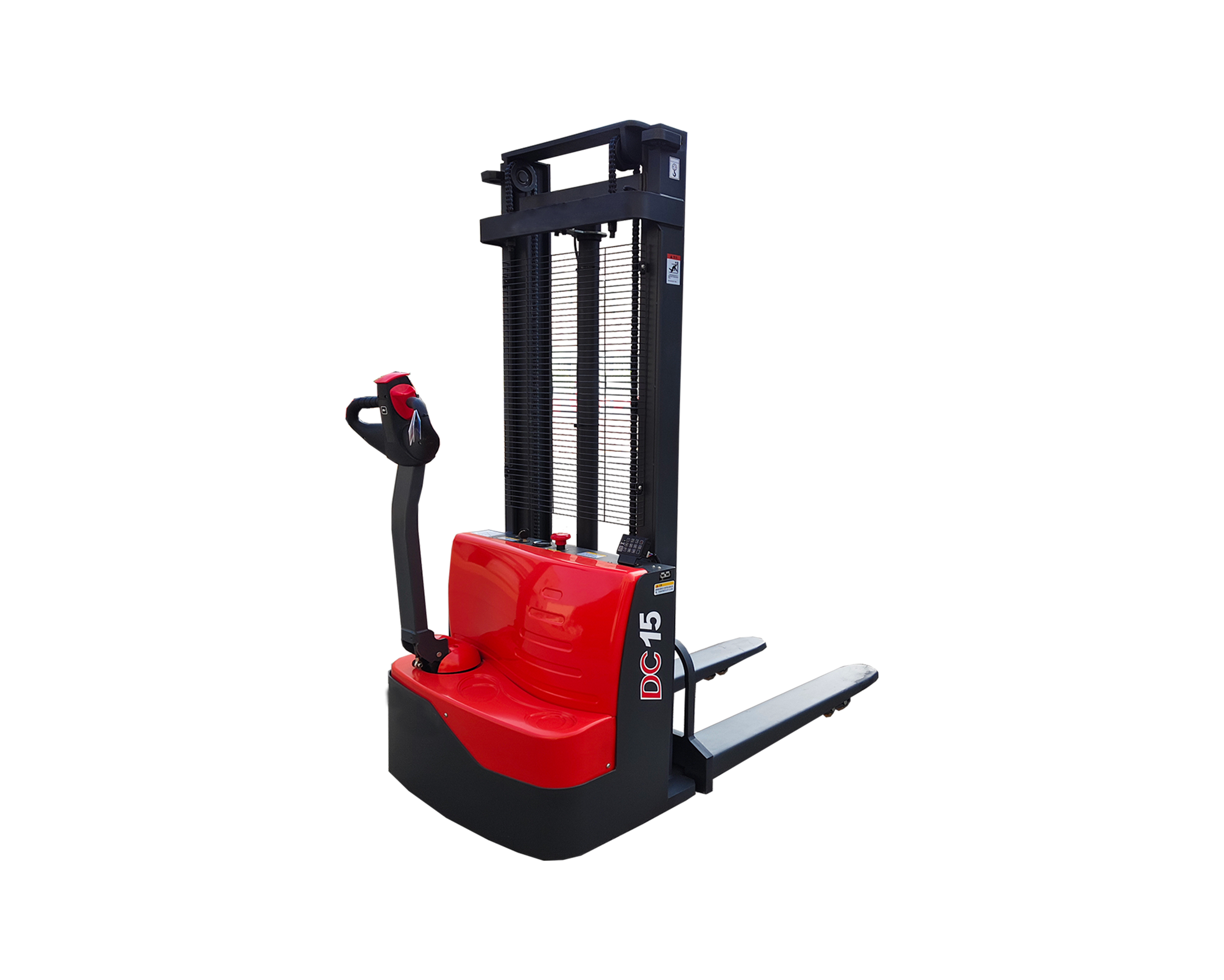
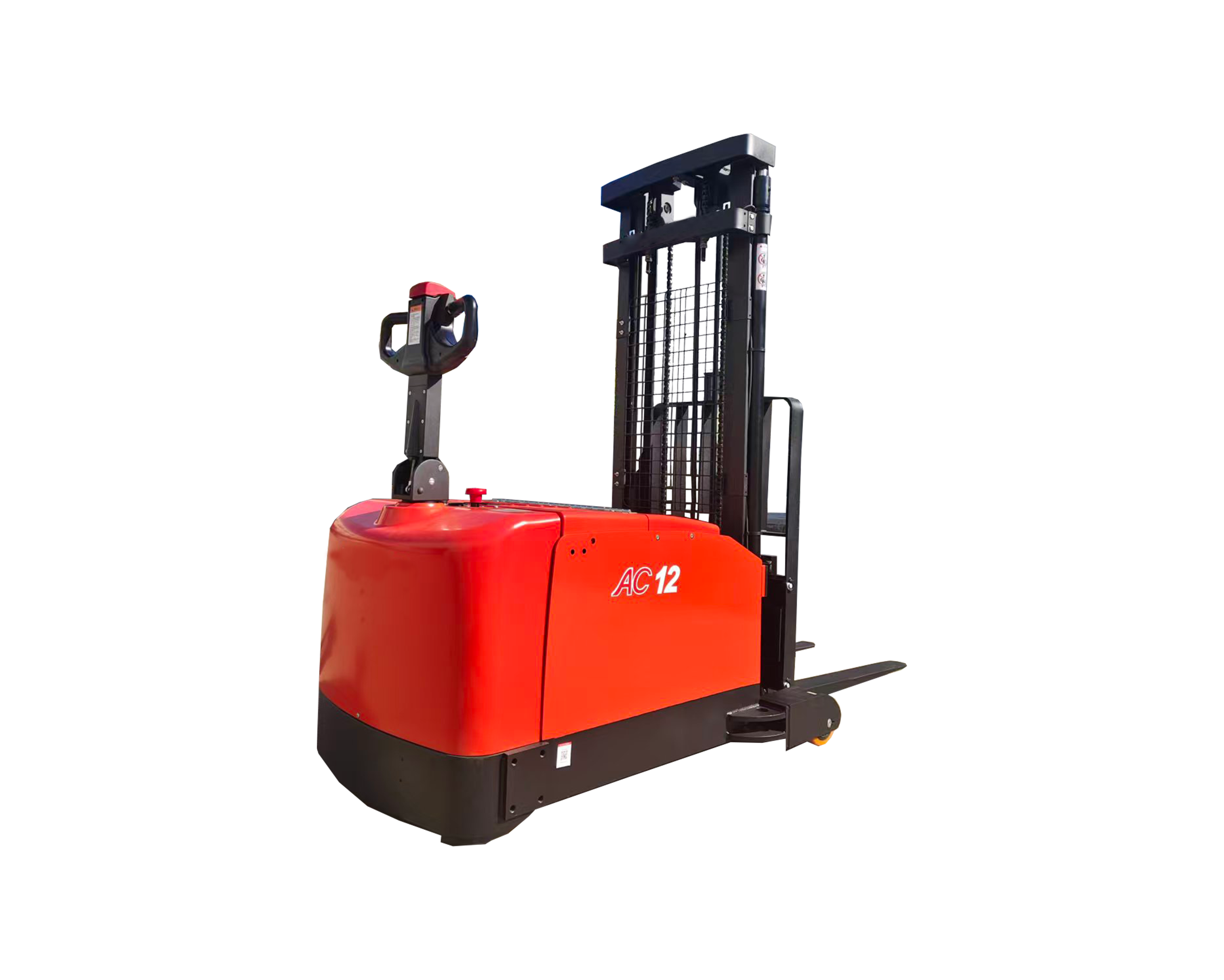
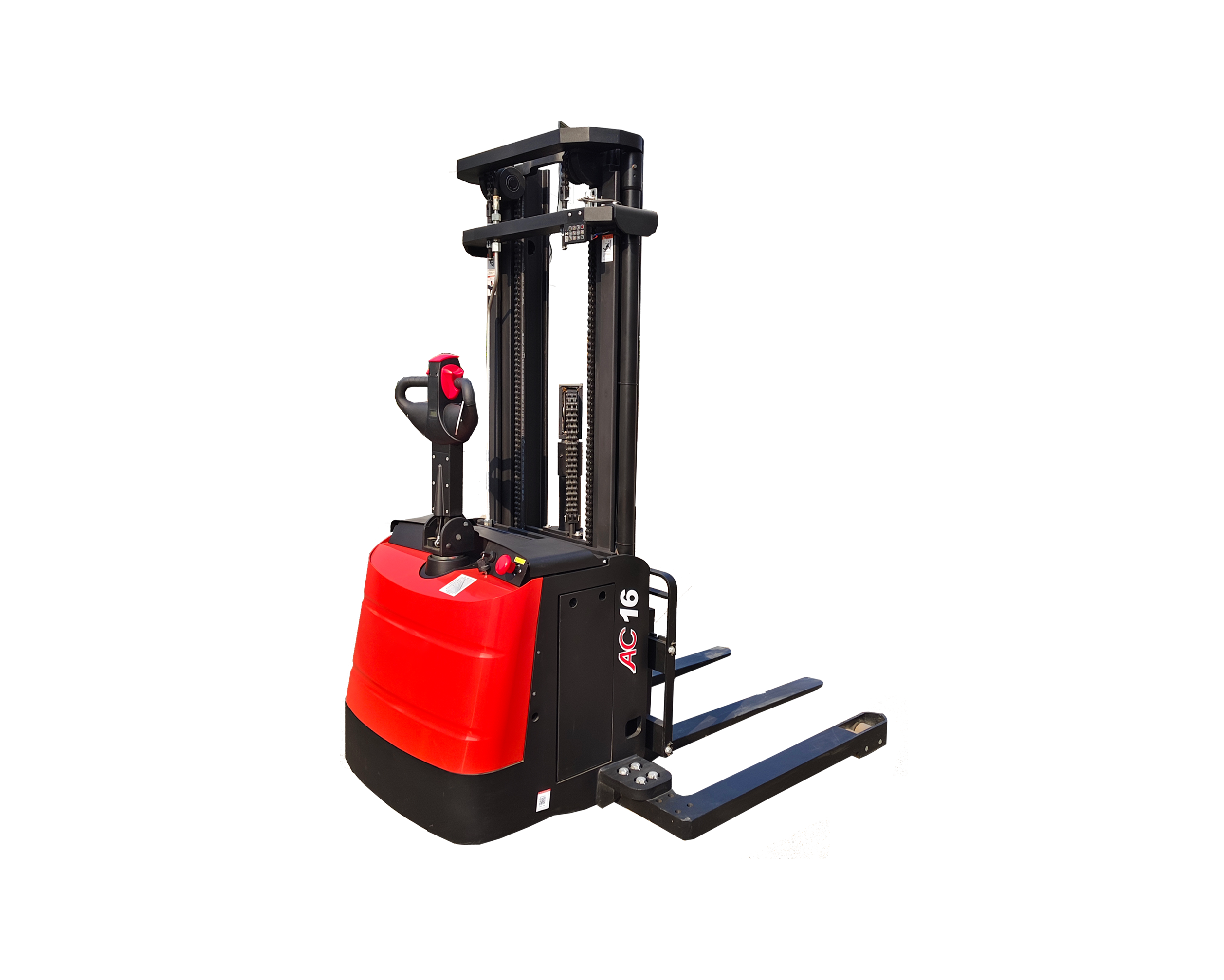
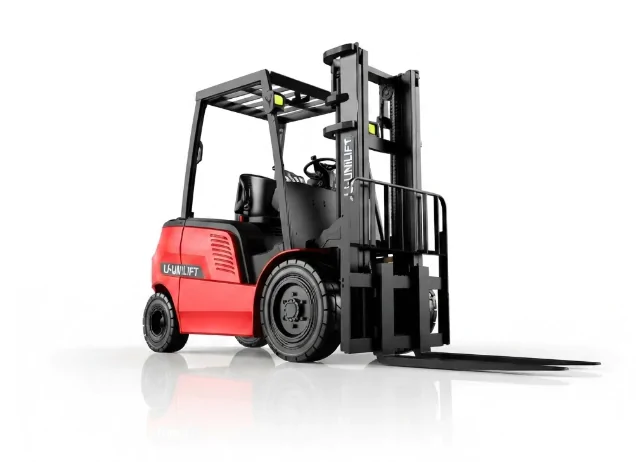
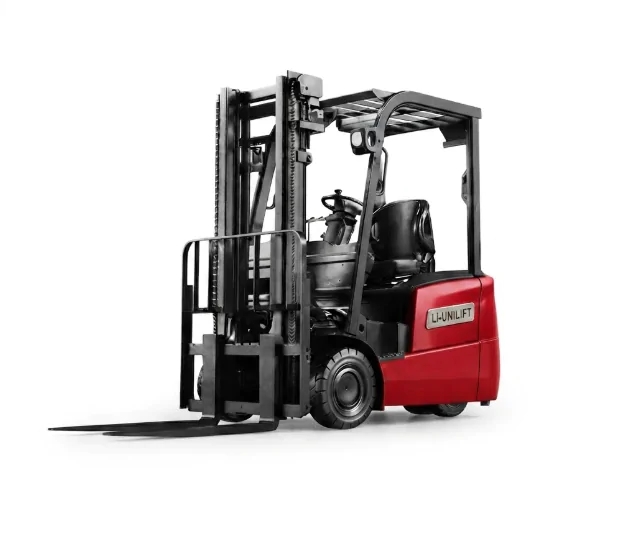
Proper electric tugger battery charging is essential for maintaining equipment performance, reducing battery degradation, and keeping material handling operations reliable. Whether an electric tugger uses a lead-acid or lithium battery, incorrect charging practices can increase downtime, reduce usable battery capacity, and raise long-term operating costs.
A consistent charging routine helps operators maintain stable power output and get more value from their battery investment. This guide explains how to charge an electric tugger correctly, how charging practices differ between battery types, and which common mistakes should be avoided to help extend battery service life.
1. Why Is Electric Tugger Battery Charging Important?
Battery charging directly affects the availability and operating performance of an electric tugger. A suitable electric tugger battery charging routine can help maintain battery condition and reduce avoidable charging-related problems.
1.1 Maintain Stable Operating Performance
A properly charged battery provides sufficient power for towing and material transportation throughout the working cycle.
Consistent charging helps:
- Maintain stable power output
- Reduce unexpected power loss during operation
- Support reliable material transportation
- Improve daily workflow continuity
Battery performance can vary depending on load, operating hours, temperature, battery condition, and the charging strategy specified by the manufacturer.
1.2 Extend Battery Service Life
Incorrect charging can accelerate battery degradation. Repeated deep discharge, unsuitable charging equipment, excessive heat, or inappropriate storage conditions may reduce usable battery capacity over time.
Following the battery manufacturer’s charging instructions can help:
- Reduce unnecessary battery stress
- Maintain charging performance
- Preserve usable battery capacity
- Delay premature battery replacement
1.3 Reduce Equipment Downtime
Battery-related problems can prevent an electric tugger from being available when it is needed.
A consistent charging routine helps operators:
- Keep the tugger ready for scheduled operations
- Reduce unexpected charging interruptions
- Improve equipment availability
- Support more predictable fleet planning
For industrial operations, battery availability should be considered together with workload, shift schedules, charging infrastructure, and the manufacturer’s recommended operating procedures.
2. Understand Electric Tugger Battery Types
Before establishing an electric tugger battery charging routine, it is important to understand the battery technology used by the equipment.
The two common battery categories are lead-acid and lithium-ion. Their charging requirements, maintenance procedures, and operating characteristics are different.
2.1 Lead-Acid Batteries
Lead-acid batteries remain a traditional power option for many industrial electric vehicles.
Typical characteristics include:
- Established battery technology
- Generally lower initial purchase cost
- Regular maintenance requirements for applicable battery designs
- Longer charging cycles compared with many lithium-ion systems
Lead-Acid Charging Considerations
Operators should:
- Avoid discharging the battery beyond the manufacturer’s recommended level
- Use the specified charger
- Follow the manufacturer’s charging sequence
- Check battery condition regularly
- Maintain electrolyte levels when required by the battery design
- Provide appropriate ventilation during charging
For flooded lead-acid batteries, maintenance requirements may include electrolyte and water-level checks. These procedures should always follow the battery manufacturer’s instructions.
OSHA also provides guidance on designated charging areas, ventilation, charging procedures, and battery maintenance for applicable powered industrial trucks.
2.2 Lithium Batteries
Lithium-ion batteries are increasingly used in electric material handling equipment because they can support flexible charging schedules and typically require less routine maintenance than flooded lead-acid batteries.
Common advantages include:
- Faster charging capability on compatible systems
- High energy efficiency
- Flexible charging opportunities
- Reduced routine maintenance
- No routine electrolyte watering for sealed lithium-ion systems
Lithium Battery Charging Considerations
When charging a lithium battery:
- Use the charger specified or approved for the battery system
- Confirm charger and battery compatibility
- Follow the battery management system (BMS) instructions
- Avoid charging outside the manufacturer’s specified temperature range
- Monitor abnormal battery or charger indications
- Follow the recommended storage charge level when the tugger will not be used for an extended period
Lithium battery charging procedures can vary significantly by battery chemistry, BMS configuration, charger design, and vehicle manufacturer. Therefore, the equipment and battery manuals should take priority over generic charging recommendations.
3. How to Charge an Electric Tugger Correctly
A consistent charging procedure is one of the most effective ways to manage battery performance.
The exact sequence may vary between electric tugger models, so operators should always follow the manufacturer’s instructions.
3.1 Check the Battery Before Charging
Before beginning the charging process, inspect the battery and charging system.
Check:
- Battery housing for visible damage
- Charging connector condition
- Charging cable condition
- Battery status indicator
- Charger condition
- Signs of unusual heat, odor, leakage, or other abnormal conditions
Do not start charging if cables, connectors, or other charging components are damaged.
Any abnormal battery condition should be handled according to the manufacturer’s service procedure.
3.2 Use the Correct Charger
Using the correct charger is a critical part of safe and effective electric tugger battery charging.
The charger should be compatible with:
- Battery chemistry
- Battery voltage
- Battery capacity
- Charging current requirements
- Battery management system, where applicable
- Charging connector
An unsuitable charger may result in charging failure, excessive heat, reduced battery performance, or battery damage.
For industrial electric equipment, the charger manufacturer’s instructions should also be followed. OSHA specifically advises following the recharger manufacturer’s recommendations for connecting, disconnecting, and operating charging equipment.
3.3 Follow a Consistent Charging Process
A general charging workflow is:
- Park the electric tugger in the designated charging area.
- Position the equipment securely before charging.
- Turn off the power system according to the manufacturer’s instructions.
- Inspect the charger and connector.
- Connect the charger correctly.
- Start or enable the charging process.
- Monitor the charging indicator or battery management system.
- Allow the charging cycle to complete according to the manufacturer’s requirements.
- Disconnect the charger using the correct procedure.
- Return the electric tugger to service when the battery and equipment are ready.
Charging areas should be appropriate for the battery technology being used. For applicable lead-acid industrial batteries, OSHA identifies designated charging areas and adequate ventilation among relevant requirements and recommended practices.
4. Best Charging Practices to Extend Electric Tugger Battery Life
Correct electric tugger battery charging is not simply about connecting a charger. Daily charging behavior also affects battery performance and service life.
4.1 Avoid Excessive Battery Discharge
Repeatedly discharging a battery beyond the manufacturer’s recommended level can reduce battery performance and shorten service life.
Good operating practices include:
- Monitor battery state of charge
- Recharge according to the manufacturer’s recommendations
- Avoid repeatedly operating until the battery reaches a critically low level
- Match battery capacity to the tugger’s workload
For applicable industrial batteries, OSHA advises avoiding discharge beyond the manufacturer’s recommended discharge level because excessive discharge can permanently damage a battery and considerably shorten battery life.
4.2 Avoid Improper Overcharging
Overcharging can increase battery stress and heat generation, depending on battery technology and charger design.
To reduce the risk:
- Use a compatible charger
- Follow the manufacturer’s charging profile
- Do not bypass charger protection functions
- Do not use damaged charging equipment
- Monitor unusual temperature or charging behavior
Modern charging systems may include automatic charge termination or battery management functions, but operators should still follow the equipment manufacturer’s charging instructions.
4.3 Match Charging Frequency to Daily Usage
Charging frequency should be based on the tugger’s actual workload rather than a fixed schedule that ignores operating conditions.
Consider:
- Daily operating hours
- Towing load
- Number of shifts
- Battery capacity
- Battery state of charge
- Available charging time
For high-utilization applications, lithium-ion systems may support more flexible charging strategies when the battery, charger, and vehicle are specifically designed for that use.
4.4 Charge in Suitable Conditions
The charging environment also matters.
A suitable charging area should be:
- Dry
- Clean
- Well ventilated where required
- Protected from excessive heat
- Protected from water exposure
- Suitable for the specific battery technology
For lead-acid industrial batteries, ventilation is particularly important because charging can generate hydrogen gas. OSHA identifies ventilation, designated charging areas, and controls for ignition sources as important battery charging considerations.
5. Lithium Battery Charging Tips for Electric Tuggers
Lithium-ion batteries can provide greater charging flexibility, but operators still need to follow the battery manufacturer’s requirements.
5.1 Use Opportunity Charging When Supported
One advantage of compatible lithium-ion systems is the ability to use shorter charging sessions during operational breaks.
Opportunity charging can be useful for:
- Multi-shift warehouses
- Distribution centers
- Continuous material handling operations
- Applications with short scheduled breaks
However, opportunity charging should only be used when the battery and charging system are designed to support it.
5.2 Monitor the Battery Management System
The Battery Management System, or BMS, monitors important battery operating parameters.
Depending on the system, the BMS may help monitor:
- State of charge
- Battery temperature
- Cell voltage
- Charging conditions
- Discharge conditions
- Protective limits
Operators should pay attention to battery or charger warning indicators and follow the manufacturer’s troubleshooting procedures when an abnormal condition appears.
5.3 Avoid Improper Long-Term Storage
If an electric tugger will remain unused for an extended period, do not simply leave the battery completely discharged.
Before storage:
- Follow the manufacturer’s recommended storage charge level
- Disconnect or power down the equipment as instructed
- Store the tugger in suitable environmental conditions
- Check the battery periodically when required
- Recharge according to the battery manufacturer’s storage instructions
The correct storage procedure depends on battery chemistry and the specific battery management system.
6. Common Electric Tugger Battery Charging Mistakes to Avoid
Avoiding common charging mistakes can improve battery reliability and reduce unnecessary operating costs.
6.1 Using an Incorrect Charger
Using a charger that does not match the battery can result in:
- Charging failure
- Excessive heat
- Reduced battery performance
- Battery damage
- Potential safety hazards
Always confirm charger compatibility before connecting it to an electric tugger.
6.2 Charging Without Checking Battery Condition
Connecting a charger without inspecting the battery and charging components can allow damaged cables, connectors, or batteries to remain unnoticed.
Operators should check for:
- Damaged cables
- Loose connectors
- Abnormal battery indicators
- Visible battery damage
- Unusual heat or odor
If an abnormal condition is identified, follow the manufacturer’s service procedure rather than continuing to charge the equipment.
6.3 Ignoring Battery Maintenance
Charging alone cannot replace routine battery inspection.
Depending on battery type, maintenance may include:
- Checking cables and connectors
- Inspecting the battery housing
- Checking electrolyte levels for applicable lead-acid batteries
- Monitoring battery performance
- Checking charger condition
OSHA recommends regular inspection of battery cables and connectors and states that worn insulation or damaged connector contacts should be addressed promptly.
6.4 Leaving the Battery Fully Discharged
Repeatedly leaving a battery at a very low state of charge can reduce available operating time and may shorten battery life.
Instead:
- Monitor battery status
- Follow the manufacturer’s discharge limits
- Establish a consistent charging routine
- Use the appropriate storage procedure during extended downtime
7. Electric Tugger Battery Charging Checklist
Operators can use the following checklist as part of a daily battery management routine.
| Check Item | Recommended Action |
|---|---|
| Battery level | Confirm sufficient power for the planned operation |
| Battery condition | Check for visible damage or abnormal indications |
| Charger | Use compatible charging equipment |
| Cable | Inspect for damage, wear, or exposed conductors |
| Connector | Confirm a secure and correct connection |
| Charging area | Keep the area clean and suitable for the battery type |
| Temperature | Avoid charging outside the manufacturer’s specified range |
| Charging status | Monitor the charging indicator or BMS |
| Completion | Disconnect according to the manufacturer’s procedure |
| Storage | Follow the recommended storage charge level |
A documented checklist can also help fleet managers standardize charging procedures across multiple electric tuggers.
8. How Proper Charging Improves Electric Tugger ROI
Battery charging practices influence more than battery life. They can also affect the total operating cost of an electric tugger.
8.1 Reduce Battery Replacement Costs
A battery represents an important part of the total ownership cost of an electric tugger.
Proper charging and maintenance can help:
- Reduce avoidable battery degradation
- Extend usable battery service life
- Reduce premature replacement
- Improve long-term equipment utilization
8.2 Improve Equipment Availability
A well-managed charging routine makes it easier to keep electric tuggers ready for scheduled operations.
This can support:
- More predictable equipment availability
- Fewer charging-related interruptions
- Better shift planning
- More consistent material flow
8.3 Reduce Avoidable Maintenance Costs
Correct charging can reduce problems associated with improper charging, damaged connectors, neglected battery maintenance, and unsuitable operating conditions.
The result can be a more predictable maintenance schedule and better control of fleet operating costs.
9. Future Trends in Electric Tugger Battery Technology
Battery technology is continuing to evolve, and electric tuggers are becoming increasingly integrated with digital fleet management systems.
9.1 Wider Adoption of Lithium Battery Systems
Lithium-ion technology is becoming increasingly common in electric material handling equipment because it can support high energy efficiency, flexible charging, and reduced routine maintenance.
For high-utilization applications, the ability to charge during scheduled operating breaks can help reduce downtime when the complete vehicle and charging system are designed for this operating model.
9.2 Smart Battery Monitoring
Connected battery systems can provide more detailed information about battery condition and usage.
Potential applications include:
- Real-time battery status
- Charging history
- Battery condition monitoring
- Predictive maintenance
- Fleet management integration
These capabilities can help fleet managers make better decisions about charging schedules, maintenance, and equipment utilization.
9.3 More Efficient Charging Solutions
Future electric tugger fleets may increasingly use:
- Faster charging systems
- Automated charging stations
- Opportunity charging
- Smart energy management
- Fleet-level charging management
As warehouse automation develops, battery charging is likely to become increasingly connected to overall fleet and energy management.
FAQ
Q1: How often should an electric tugger battery be charged?
Charging frequency depends on the battery type, operating hours, workload, battery capacity, and manufacturer recommendations. Operators should monitor the battery state of charge and follow the specified charging procedure rather than relying on a universal schedule.
Q2: Can I leave an electric tugger charging overnight?
It depends on the battery, charger, and manufacturer’s instructions. Compatible charging systems may support scheduled or unattended charging, but operators should follow the specific charging instructions for the equipment and battery.
Q3: Does overcharging damage an electric tugger battery?
Improper or prolonged overcharging can contribute to battery degradation and heat generation. Using the correct charger and following the manufacturer’s charging profile helps reduce this risk.
Q4: Are lithium batteries better for electric tuggers?
Lithium-ion batteries can offer advantages such as faster charging, flexible charging opportunities, high energy efficiency, and reduced routine maintenance. Whether they are suitable depends on the tugger’s workload, operating environment, charging infrastructure, and total cost requirements.
Q5: What is the best way to extend electric tugger battery life?
The key practices are to use the correct charger, avoid excessive discharge, follow the manufacturer’s charging procedure, maintain a suitable charging environment, monitor battery condition, and perform regular inspections.
Q6: Can lithium batteries be opportunity charged?
Many lithium-ion systems can support opportunity charging, but this depends on the battery, charger, BMS, and vehicle design. Always confirm that the complete system is designed for this charging method.
Q7: What should I do if an electric tugger battery becomes unusually hot during charging?
Stop or interrupt charging according to the manufacturer’s safety procedure and move the equipment out of service if required. Do not continue charging an abnormal battery without determining the cause. Follow the battery and charger manufacturer’s troubleshooting instructions.
Conclusion
Proper electric tugger battery charging is an important part of maintaining battery performance, equipment availability, and long-term operating efficiency. Whether an electric tugger uses lead-acid or lithium-ion technology, the correct charger, charging environment, discharge limits, maintenance routine, and storage procedure should all be considered.
For warehouse and industrial operations, battery management should be treated as part of the overall equipment management strategy rather than as a simple end-of-shift task. A consistent charging routine can help reduce avoidable battery degradation, support reliable material handling, and improve the long-term value of an electric tugger fleet.
Follow UNILIFT MHE for More Material Handling Insights
Stay connected with UNILIFT MHE for the latest updates on electric pallet trucks, electric stackers, electric tuggers, warehouse equipment, material handling solutions, and industry insights. Follow our social media channels to discover new products, application scenarios, company updates, and practical information for modern warehouse and logistics operations.
Explore reliable electric pallet trucks, electric stackers, and material handling solutions at Unilift MHE.
If you would like to contact us, please click here.
If you would like to learn more about our news, please click here.
Facebook: Follow UNILIFT MHE on Facebook
TikTok: Follow UNILIFT MHE on TikTok
Instagram: Follow UNILIFT MHE on Instagram
X: Follow UNILIFT MHE on X
Pinterest: Explore UNILIFT MHE on Pinterest
LinkedIn: Connect with UNILIFT MHE on LinkedIn