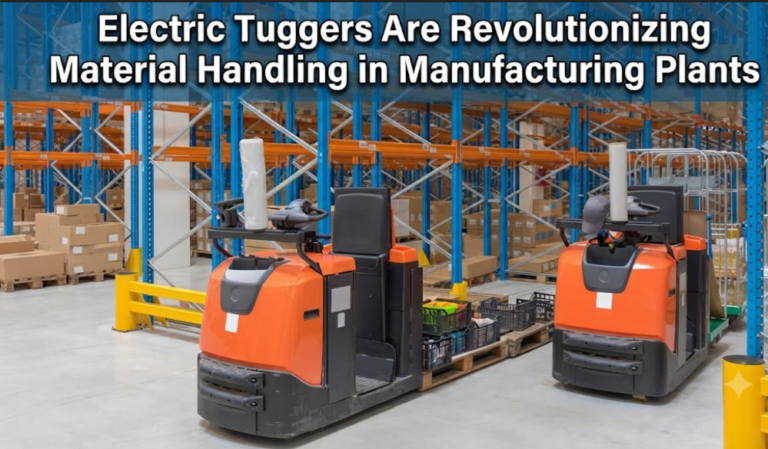
Material handling equipment plays a critical role in warehouse, logistics, manufacturing, and outdoor operations. Among the most widely used forklift types, the Gas Counterbalance Forklift and Electric Counterbalance Forklift are two popular choices.
If you are planning to invest in a new forklift fleet, understanding the differences between these two options can help you make the right decision for your business.
What Is a Gas Counterbalance Forklift?
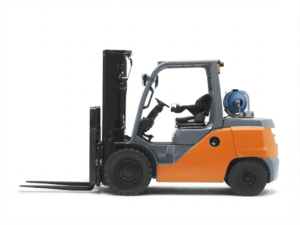
A Gas Counterbalance Forklift is powered by an internal combustion engine that uses LPG (liquefied petroleum gas), gasoline, or a combination of both. The counterweight at the rear of the truck balances heavy loads lifted at the front, allowing stable and efficient operation.
Gas forklifts are widely used in outdoor environments and demanding applications where high power output and long operating hours are required.
Key Features
- High lifting performance
- Fast refueling process
- Suitable for indoor and outdoor use with proper ventilation
- Strong performance on uneven surfaces
- Capable of handling heavy loads
What Is an Electric Counterbalance Forklift?
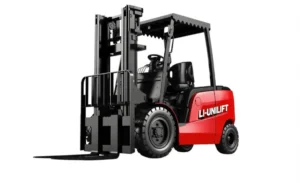
An Electric Counterbalance Forklift is powered by rechargeable batteries, typically lithium-ion or lead-acid batteries. It uses an electric drive motor and hydraulic system to lift and transport loads without producing exhaust emissions.
Electric forklifts have become increasingly popular as businesses focus on sustainability, energy efficiency, and lower operating costs.Through this article, you can learn more about the information of electric counterbalanced forklifts.
Key Features
- Zero exhaust emissions
- Low noise operation
- Energy-efficient performance
- Reduced maintenance requirements
- Suitable for warehouses and indoor facilitie.
Gas Forklift vs Electric Forklift: Key Differences
1. Power Source
The most obvious difference is the power source.
Gas Counterbalance Forklift
- Powered by LPG or gasoline
- Requires fuel storage and refueling stations
- Continuous operation with quick refueling
Electric Counterbalance Forklift
- Powered by rechargeable batteries
- Requires charging infrastructure
- Lithium batteries support fast charging and opportunity charging
2. Operating Cost
Operating costs can significantly impact long-term profitability.
Gas Forklift
- Higher fuel expenses
- Engine oil changes required
- More frequent maintenance
Electric Forklift
- Lower electricity costs
- Fewer moving parts
- Reduced maintenance expenses
In most cases, electric forklifts offer a lower total cost of ownership over their service life.
3. Environmental Impact
Environmental regulations are becoming increasingly strict worldwide.
Gas Forklift
- Produces exhaust emissions
- Generates higher carbon emissions
- Requires ventilation when used indoors
Electric Forklift
- Zero tailpipe emissions
- Environmentally friendly operation
- Supports corporate sustainability goals
For businesses seeking greener logistics solutions, electric forklifts provide a clear advantage.
4. Noise Level
Noise reduction is important in many warehouses and production facilities.
Gas Forklift
- Engine noise during operation
- Higher vibration levels
Electric Forklift
- Quiet operation
- Smoother driving experience
- Improved operator comfort
Lower noise levels contribute to a safer and more productive working environment.
5. Maintenance Requirements
Maintenance directly affects equipment uptime and operating costs.
Gas Forklift Maintenance
- Engine servicing
- Oil and filter replacement
- Spark plug maintenance
- Fuel system inspections
Electric Forklift Maintenance
- Battery inspection
- Charging system checks
- Motor and controller monitoring
Electric forklifts generally require less maintenance due to their simpler drivetrain structure.
6. Performance and Productivity
Both forklift types offer excellent performance but excel in different environments.
Gas Forklift Advantages
- Strong power output
- Better suited for heavy-duty outdoor operations
- Consistent performance in continuous shifts
Electric Forklift Advantages
- Instant torque delivery
- Smooth acceleration
- Precise load handling
- Excellent maneuverability in confined spaces
Modern lithium battery electric forklifts can now support multi-shift operations with fast charging technology.
7. Indoor vs Outdoor Applications
Choosing the right forklift often depends on the working environment.
| Application | Gas Counterbalance Forklift | Electric Counterbalance Forklift |
|---|---|---|
| Indoor Warehouses | Limited | Excellent |
| Distribution Centers | Good | Excellent |
| Manufacturing Plants | Good | Excellent |
| Retail Facilities | Not Recommended | Excellent |
| Outdoor Yards | Excellent | Good |
| Construction Sites | Excellent | Limited |
Electric Forklift vs Propane Forklift vs Diesel Forklift: Which One Has the Lowest Operating Cost?
When comparing the total operating costs of electric, propane, and diesel forklifts, electric forklifts generally provide the lowest long-term cost for indoor warehouse and manufacturing applications. They use electricity instead of fuel, require less maintenance due to fewer mechanical components, and eliminate costs associated with engine oil, spark plugs, fuel systems, and exhaust systems. Propane forklifts offer faster refueling and greater flexibility for mixed indoor and outdoor operations, but fuel expenses, cylinder management, and engine maintenance can increase overall costs over time. Diesel forklifts deliver excellent power and durability for heavy-duty outdoor applications, but higher fuel consumption and more complex maintenance requirements usually result in greater operating expenses. Therefore, the most cost-effective choice depends on factors such as working environment, load capacity, operating hours, energy availability, and long-term fleet management needs.
How Can a Reliable Manufacturer Help You Choose the Right Forklift for Your Business?
A reliable manufacturer does not simply sell electric or propane forklifts. Instead, they help you select the right forklift based on your operating environment, load requirements, working hours, floor conditions, operator experience, and maintenance plans.
As an engineering machinery manufacturer, UNILIFT-mhe focuses on producing equipment that is truly designed for real-world applications. This includes strong and durable frames, reliable power systems, user-friendly control systems, convenient maintenance solutions, and long-term spare parts support. Our customers value equipment durability and reliability while also considering ease of operation, functional features, load capacity, and overall power performance.
The best solution for your business may be an electric forklift, a propane forklift, a diesel forklift, or even a mixed fleet that combines different forklift types. A professional supplier should clearly explain the advantages and limitations of each option instead of recommending the same solution to every customer.
For buyers who want to learn more about selecting the right electric forklift, please read the UNILIFT-mhe Electric Forklift Buying Guide for detailed information.
Case Study: Choosing Between Electric and Propane Forklifts in a Distribution Center
A logistics distribution company is responsible for handling and transporting building materials, boxed goods, and palletized products. Its daily operations include both indoor material handling inside the warehouse and outdoor truck loading and unloading activities. Initially, the management team preferred propane forklifts, mainly because they offered fast refueling and could support continuous operations.
However, after evaluating the actual working environment, the company found that approximately 70% of forklift operations were performed indoors. At the same time, operators reported that the noise and exhaust emissions from traditional fuel-powered forklifts affected the workplace environment. Since the company had scheduled break periods during the day, there was enough time to recharge electric forklifts. As a result, electric forklifts were selected for indoor material handling, while propane forklifts remained in use for outdoor loading and unloading areas.
This combined solution created a more efficient equipment configuration. Electric forklifts helped create a quieter and cleaner indoor working environment while reducing exhaust emissions. Meanwhile, propane forklifts maintained their advantages in outdoor applications, providing fast refueling and flexible operation. In addition, assigning each forklift type to the tasks it was best suited for made equipment maintenance and fleet management more efficient.
This case demonstrates that electric and propane forklifts are not simply competing alternatives. With proper fleet planning and application-based selection, both types of forklifts can complement each other and provide businesses with a more efficient, cost-effective, and practical material handling solution.
FAQ
Q: Are electric forklifts better than propane forklifts?
A: Electric forklifts are more suitable for indoor warehouse operations due to zero emissions, quiet operation, and lower daily maintenance costs, whereas propane forklifts are better suited for fast refueling, long operating hours, and flexible indoor-outdoor environments.
Q: Is it safe to use propane forklifts indoors?
A: Propane forklifts can only be used indoors if there is good ventilation and proper machine maintenance; buyers must properly address risks such as carbon monoxide poisoning, propane tank safety, fuel leaks, and personnel training.
Q: What are the main disadvantages of electric forklifts?
A: The main disadvantages include charging time, battery costs, charging space requirements, and potential downtime if battery planning does not match shift schedules.
Q: Do electric forklifts have fewer moving parts?
A: Yes, electric forklifts have fewer moving parts than internal combustion forklifts because they use electric motors instead of fuel engines, which reduces long-term maintenance requirements.
Q: Which forklift is more suitable for outdoor construction work?
A: For outdoor construction, diesel or rough-terrain forklifts are usually better choices; propane forklifts may work on paved surfaces, while electric forklifts are typically limited to flat ground with convenient outdoor charging facilities.
Q: Should I choose electric or propane forklifts for a rental fleet?
A: A rental fleet may need to equip both electric and propane forklifts. Electric forklifts are ideal for customers with warehouse and indoor use cases, while propane forklifts suit customers needing fast refueling and mixed-site use, and a balanced fleet configuration attracts more buyers.