Introduction
Operating an electric reach truck forklift requires specialized technical knowledge, extensive practical experience, and a high level of safety awareness. These versatile machines serve as invaluable assistants in modern warehouses and distribution centers, offering quiet operation, zero emissions, and exceptional maneuverability in indoor environments. However, their powerful capabilities come with greater responsibility—improper operation can lead to serious accidents, product damage, and costly downtime.
Whether you are a novice operator seeking certification or an experienced driver looking to enhance your skills, this comprehensive guide from UNILIFT-mhe (a trusted supplier of electric forklifts, lithium-ion forklifts, and material handling equipment) will provide you with everything you need to know. To operate an Electric Reach Truck safely and easily, you need to carefully read the following Safety Guide.
Reach Truck Pre-Operation Inspection
Every shift should begin with a complete Reach Truck Pre-Operation Inspection.A few minutes spent checking equipment can prevent costly accidents and downtime.
Battery Inspection
Battery inspection involves checking the battery charge level, examining battery connectors, looking for signs of leakage, and assessing cable condition. For lithium-powered trucks, it’s also important to verify that the battery management system is functioning properly.
Fork Inspection
Fork inspection involves checking for cracks, bending, excessive wear, and ensuring secure mounting. Any damaged forks should be replaced immediately to maintain safety and operational integrity.
Wheels and Tires
To ensure safe reach truck operation, a comprehensive inspection of the wheels and tires is essential, covering verifying wheel condition, checking tire wear, removing debris, and confirming proper wheel operation, as maintaining good wheel condition is the core prerequisite for operational safety.
Controls and Safety Devices
To ensure safety, all controls and safety devices—including steering, accelerator, brakes, horn, emergency stop button, and warning lights—must be tested prior to operation, and any malfunctions must be reported before work begins.
Electric Reach Truck Forklift Safety Rules Every Operator Must Follow
Following established Electric Reach Truck Safety Rules reduces workplace accidents and equipment damage.
Always Wear Required PPE
Operators must always wear the required personal protective equipment (PPE), including safety shoes, high-visibility clothing, hard hats where necessary, and protective gloves, as proper PPE is a fundamental requirement for reach truck workplace safety.
Maintain Clear Visibility
Before moving, operators must maintain clear visibility by looking in the direction of travel, using available mirrors, sounding the horn at intersections, and slowing down near blind corners, as visibility awareness is one of the most effective reach truck driving safety tips.
Observe Warehouse Speed Limits
As a key part of reach truck accident prevention, operators must observe warehouse speed limits by following site regulations, slowing down when turning, and reducing speed in congested areas, since driving too fast increases both stopping distance and accident risks.
Safe Reach Truck Forklift Operation Techniques
Learning proper handling techniques is essential for every new reach truck operator.
Traveling Without a Load
When driving without a pallet, operators should keep forks low, maintain a clear line of sight, avoid sudden acceleration, and drive smoothly, as these practices improve overall vehicle stability.
Traveling With a Load
As fundamental reach truck safety procedures, operators carrying a load must keep the load low, center the pallet, avoid sharp turns, and travel slowly.
Turning Safely
Because reach trucks have a higher center of gravity when loaded, operators should turn safely by slowing down before turning, avoiding abrupt steering movements, and keeping loads stable, as following these reach truck safety tips helps effectively reduce rollover risks.
Operation:Electric Reach Forklift Truck Safe Lifting Procedures
One of the most important sections of any Reach Truck Operator Safety Guide involves lifting operations.
Before Lifting
Before lifting any load, operators must check the load weight, load stability, rack condition, and clearance above the load to ensure safe operations.
During Lifting
During lifting, operators should lift smoothly, avoid sudden mast movements, keep personnel away from the load, and continuously monitor load stability to ensure safe and controlled material handling.
Lowering Loads
When lowering pallets, operators must ensure the area is clear, lower slowly, confirm pallet placement, and retract forks carefully, as these methods support effective reach truck accident prevention.
Electric Forklift Truck In Warehouse Pedestrian Safety
An important aspect of Warehouse Reach Truck Safety is protecting nearby workers.
Pedestrian Safety Rules
Operators should yield to pedestrians, use designated travel lanes, sound the horn when necessary, and stop immediately if visibility is blocked, as pedestrian awareness remains one of the most critical reach truck safety best practices.
Training Requirements
Proper training should include both classroom instruction and practical operation, covering topics typically including equipment controls, load handling, emergency procedures, battery safety, warehouse traffic management, and daily inspections, while regular refresher courses help reinforce safe behaviors.
Reach Truck Safety Checklist
After you have a thorough understanding of the components of the reach forklift truck, perform daily checks using this simple reach truck safety checklist.
- Battery condition verified
- Forks inspected
- Wheels checked
- Brakes tested
- Steering tested
- Horn functioning properly
- Emergency stop button tested
- Warning lights operational
- Hydraulic system inspected
- No visible leaks detected
A documented checklist supports consistent Reach Truck Workplace Safety standards.
Common Mistakes New Operators Should Avoid
Many incidents occur because new operators make avoidable mistakes.
- Driving with raised forks
- Overloading the truck
- Ignoring warning alarms
- Taking corners too quickly
- Operating with obstructed visibility
- Skipping inspections
Of course, you can also develop a Maintenance Plan to perform daily maintenance, in order to reduce the occurrence of the above problems.
UNILIFT-mhe Electric Reach Truck Manufacturer
UNILIFT – mhe is a Chinese manufacturer specializing in the research, processing, and manufacturing of logistics equipment. Its product range includes various types of logistics equipment, such as electric pallet trucks, electric stackers, electric order pickers, and tow tractors. Below are two of the main best – selling industrial – grade reach trucks.
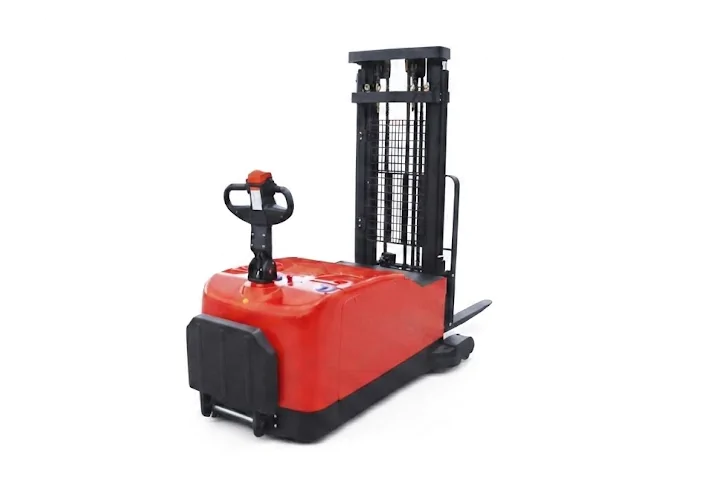
CQDM20 – 810Li Electric Reach truck forklift
The Unilift-MHE CQDM20 – 810Li is a 2 – ton lithium – battery electric reach truck engineered for high – rack storage. It features a compact reach design suitable for narrow aisles, AC drive motors that ensure zero emissions and quiet operation, and lithium – ion battery technology which enables fast charging and extended runtime. Safety systems like automatic speed reduction and emergency controls guarantee secure handling. With low maintenance requirements and eco – friendly operation, it excels in warehouse storage, logistics, and light industrial settings where efficient vertical space utilization and lightweight load management are critical.
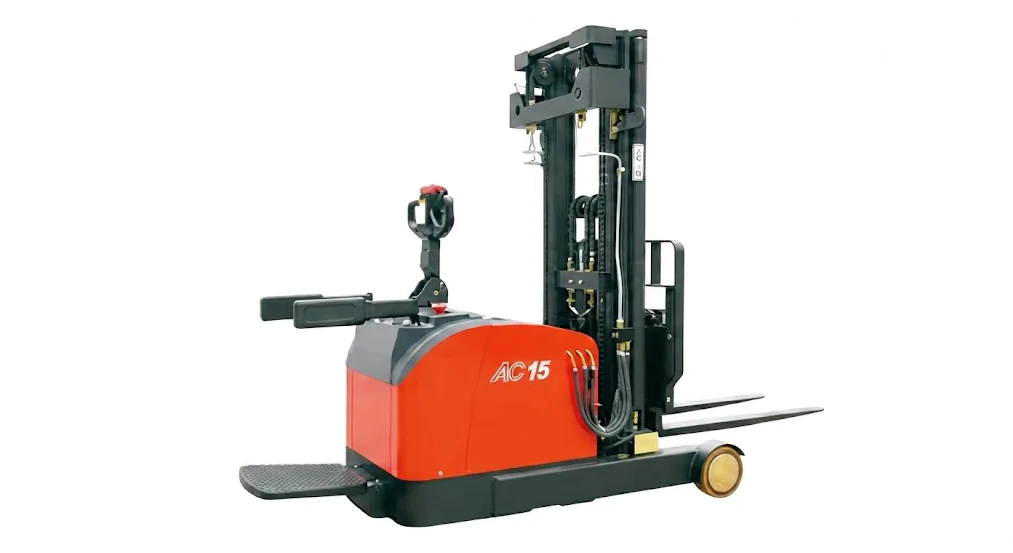
The Unilift MHE CQDM12 – 15 – 810Li is a 1.2 – 1.5 – ton lithium – battery electric reach truck designed for high – rack storage. It features a brushless AC drive motor for zero emissions and low maintenance, electronic power steering for smooth, quiet operation, and a dual – circuit descent solenoid valve with three speed modes for precise load handling. Safety is prioritized with automatic speed reduction during turns, high – position speed control, and multiple protection systems including an emergency reverse device. With its compact design and lithium – ion battery enabling fast charging and long runtime, it excels in warehouse environments, especially narrow aisles and high – level racking applications, combining efficiency, safety, and eco – friendliness.
Conclusion
Following a comprehensive Electric Reach Truck Safety Guide helps new operators work more safely and efficiently. Through proper Reach Truck Operator Training, daily inspections, and adherence to established Reach Truck Safety Procedures, warehouses can significantly reduce accidents and equipment damage.
Whether you are beginning Electric Reach Truck Safety Training or looking to improve Reach Truck Workplace Safety, consistent attention to safety rules, inspections, and operational best practices is the key to long-term success.
FAQ
Q1.Do I Need A License To Drive An Electric Forklift?
Yes, electric forklifts are classified as powered industrial trucks, so operators must complete certified training and hold a valid operator license or certificate. Driving without certification is illegal and can lead to significant penalties.
Q2.What’s The Difference Between Driving An Electric Forklift And A Diesel Forklift?
Electric forklifts offer smoother acceleration, quieter operation, and zero emissions. They have different pre – start checks (like battery checks) compared to diesel forklifts (which involve engine – related checks). However, core driving principles—such as load stability, speed control, and safety awareness—are similar for both types.
Q3.How Fast Can An Electric Forklift Go?
Most electric forklifts have governed speeds between 10 – 15 km/h (6 – 9 mph) when empty. In congested zones, corners, or areas with pedestrians, speeds are lower (5 km/h or less) to ensure safety. Always follow posted speed limits in your facility.
Q4.How High Should I Carry A Load When Traveling?
Always carry loads as low as possible—typically 15 – 20 cm (6 – 8 inches) above the ground. This maintains a low center of gravity for stability and ensures the load doesn’t block your view.
Q5.Can I Drive An Electric Forklift Outdoors?
Yes, most electric forklifts with appropriate tires can be used outdoors on paved or relatively smooth surfaces. However, for rough terrain, mud, or significant slopes, check your specific model’s specifications first.
Q6.What Should I Do If The Forklift Starts Tipping?
Stay in the seat with your seatbelt fastened. Do not jump—you’ll be crushed. Hold the steering wheel tightly and steer away from the point of impact. Brake firmly and wait for the forklift to stop completely before exiting.
Q7.How Often Should I Charge The Battery?
For lead – acid batteries, charge them after each shift once the battery reaches 20 – 30% remaining charge. Avoid “opportunity charging” (partial charges) as it can damage lead – acid batteries. Lithium – ion batteries can be opportunity – charged during breaks as needed, following the manufacturer’s guidelines.
Q8.What’s The Most Common Mistake New Operators Make?
The most common errors include: failing to complete pre – operational inspections, traveling with forks too high, attempting sharp turns at speed, ignoring safety zones, and prioritizing speed over safety.
Q9.How Do I Know If My Electric Forklift Needs Maintenance?
Signs that your electric forklift needs maintenance include unusual noises, reduced performance, battery issues, or worn – out components. Always follow the manufacturer’s maintenance guidelines.