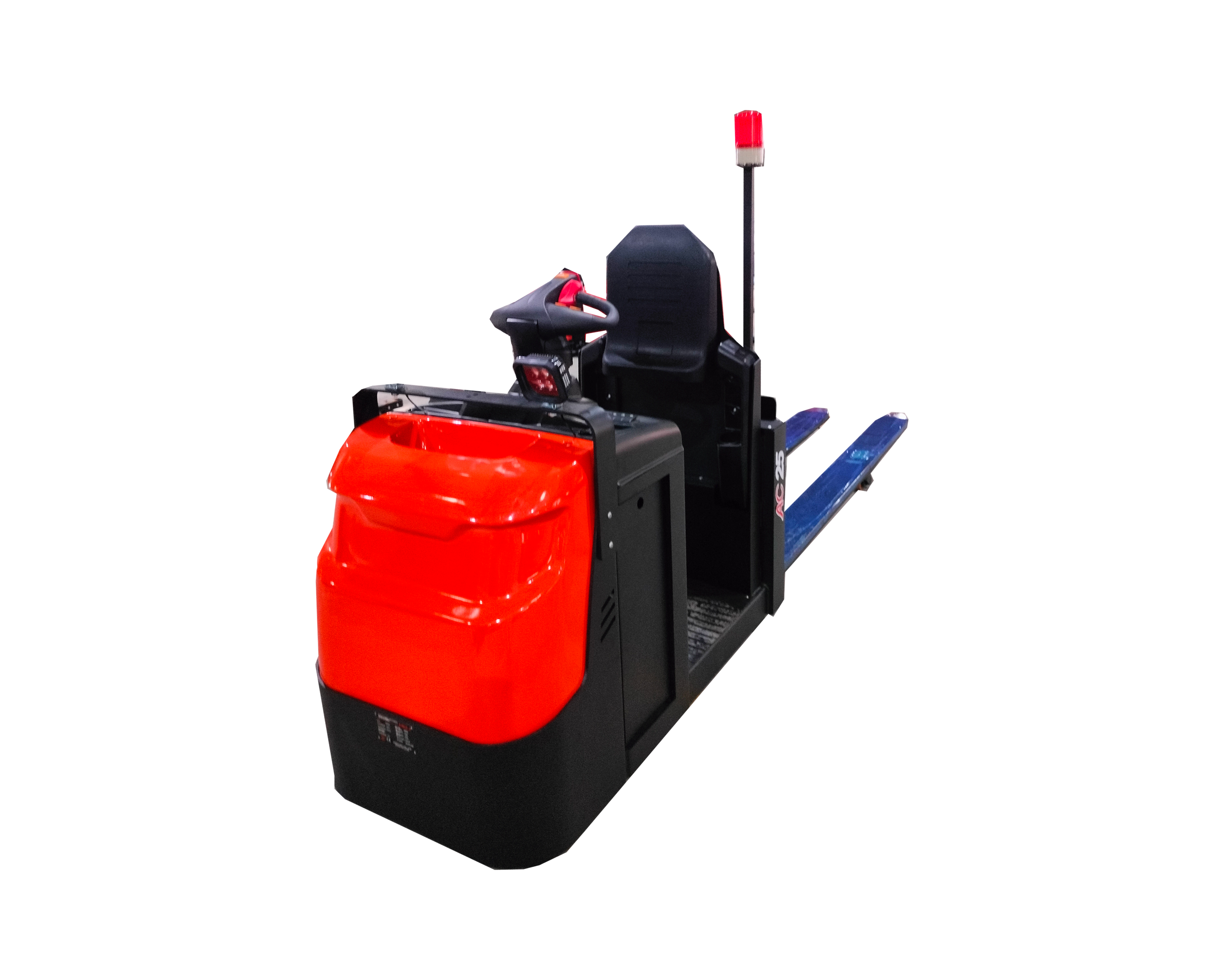
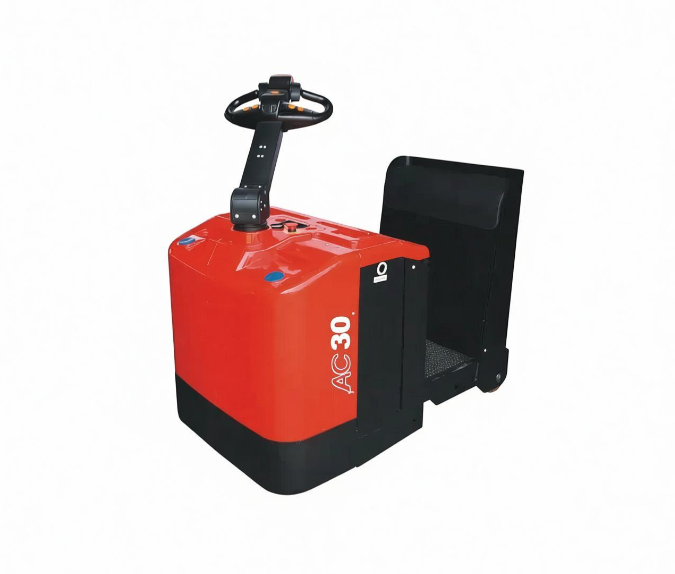
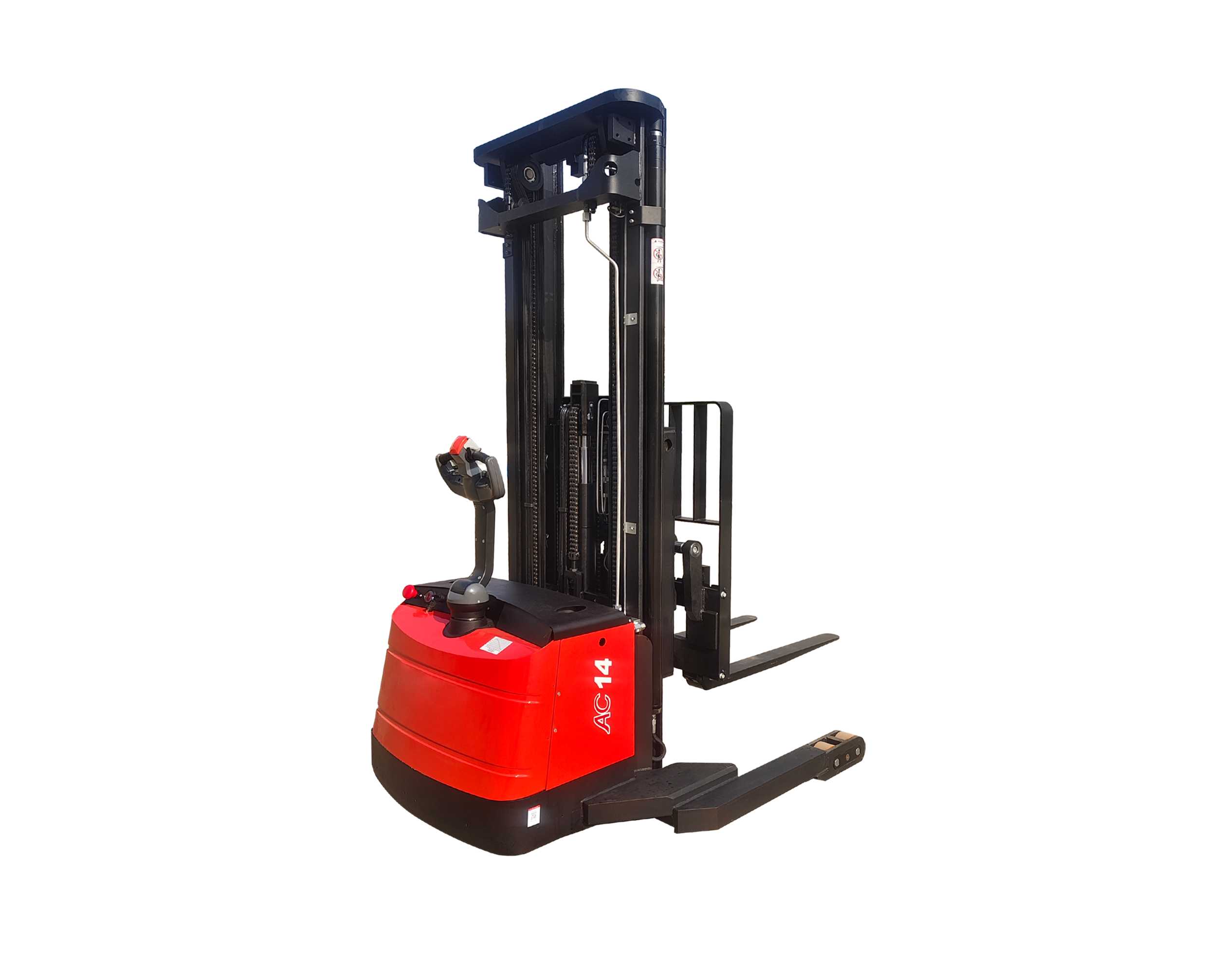
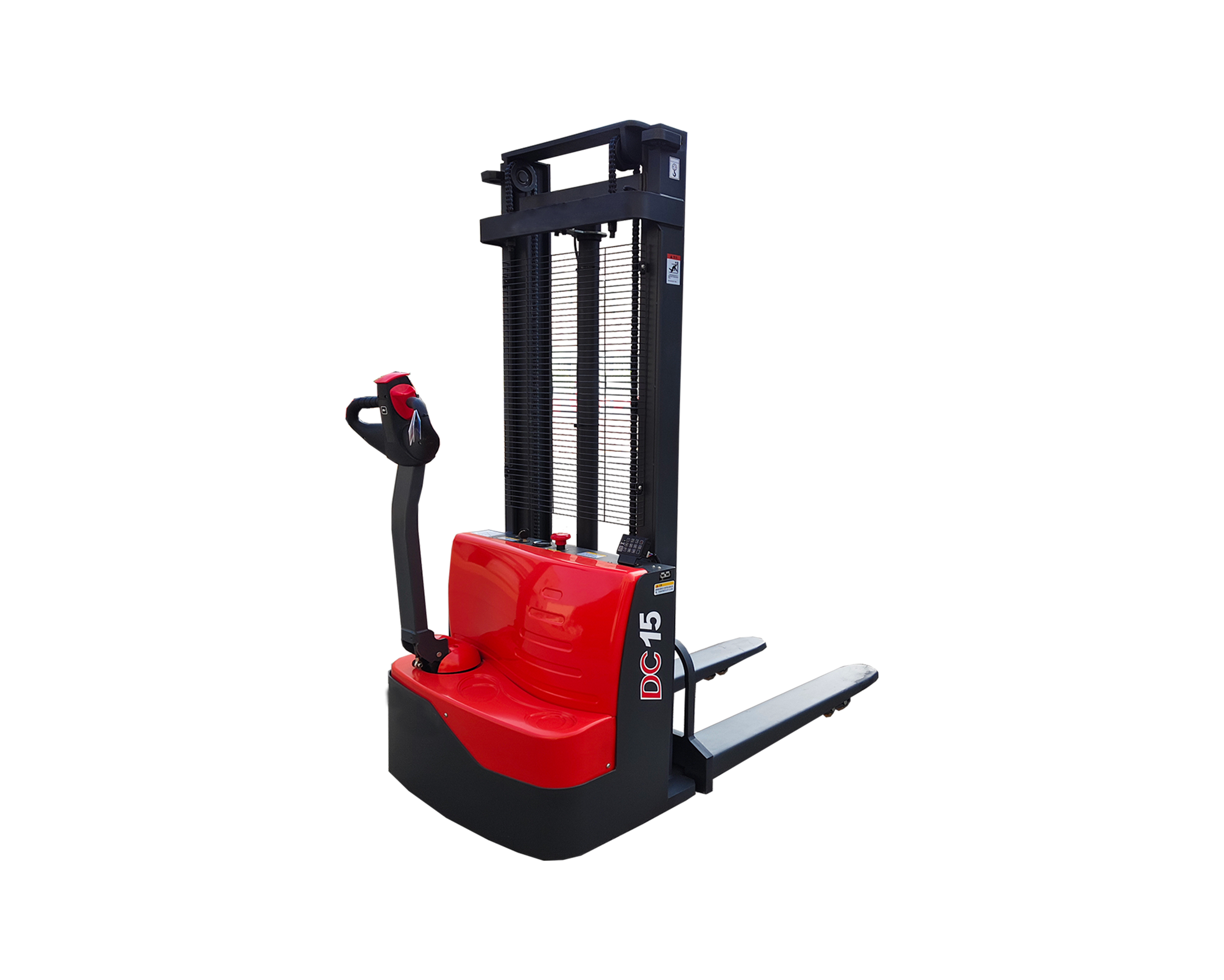
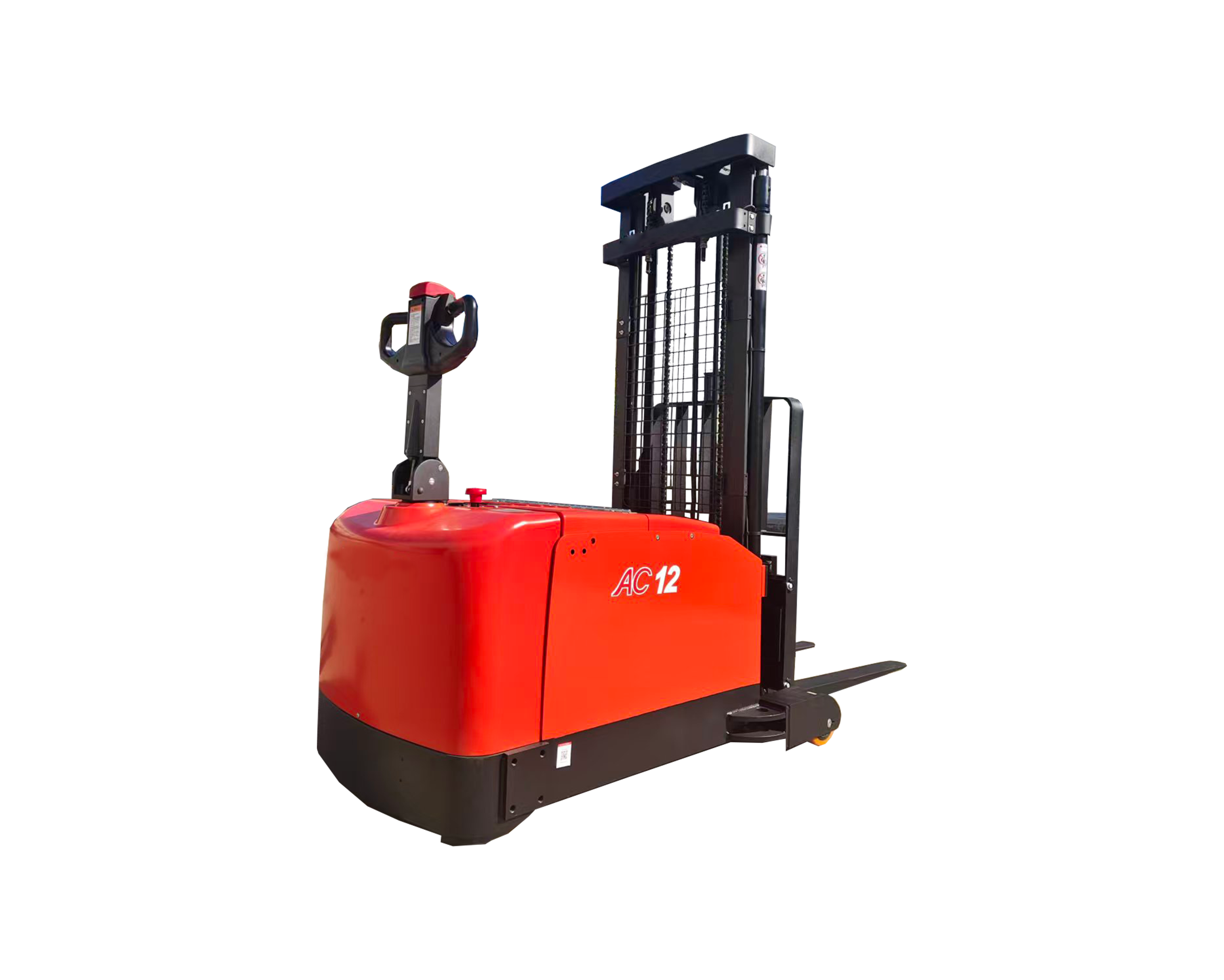
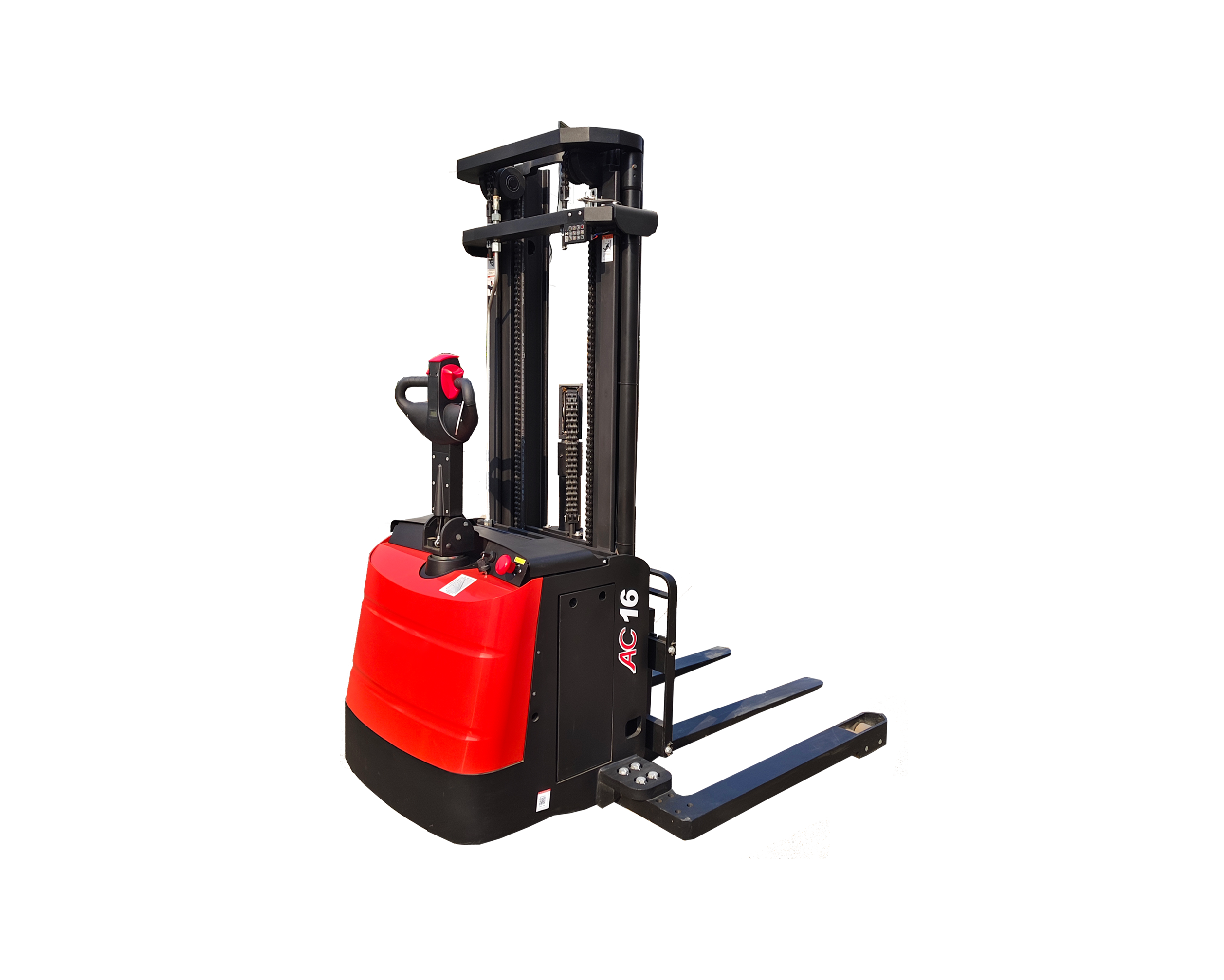
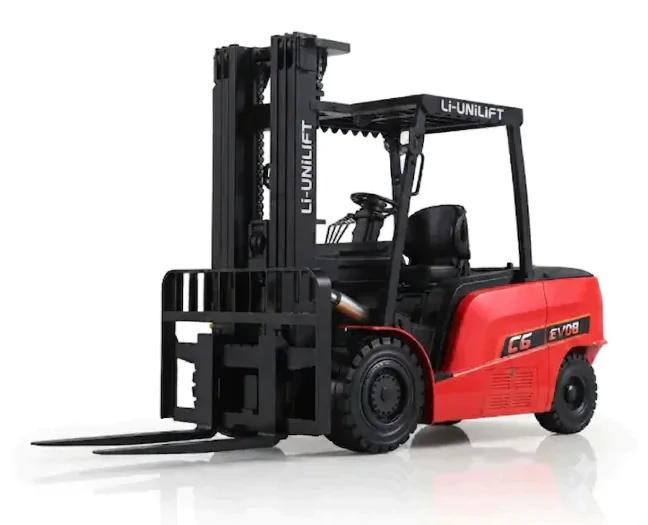
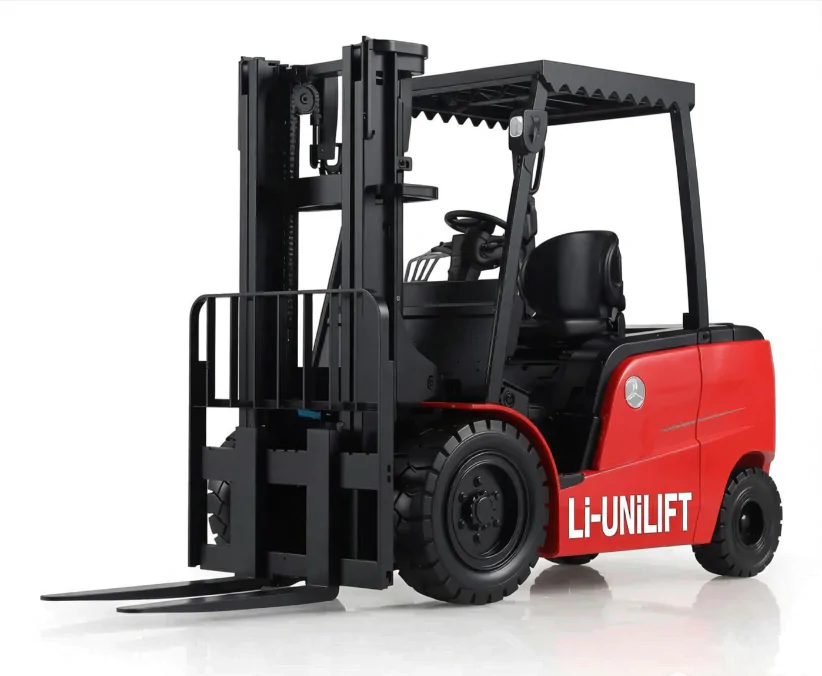
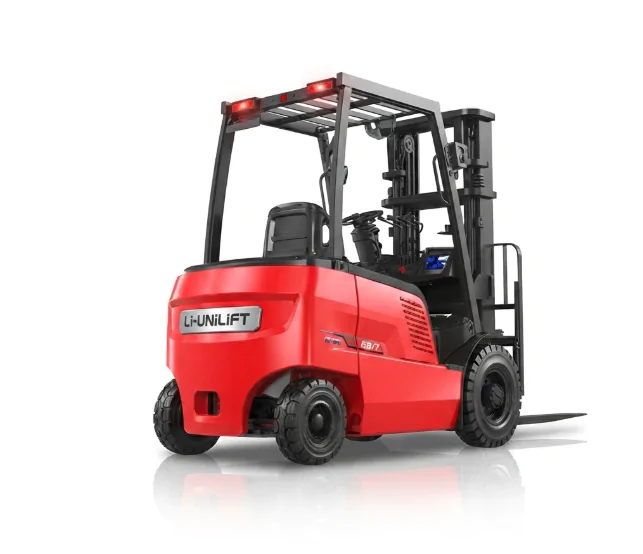
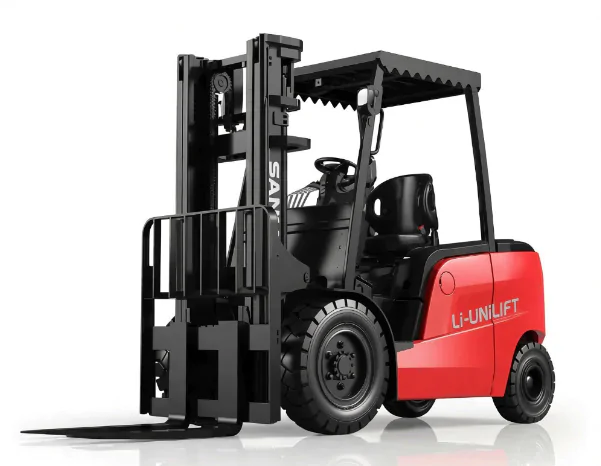
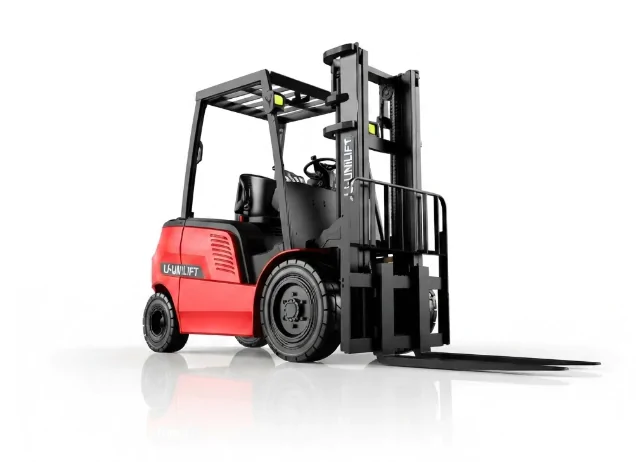
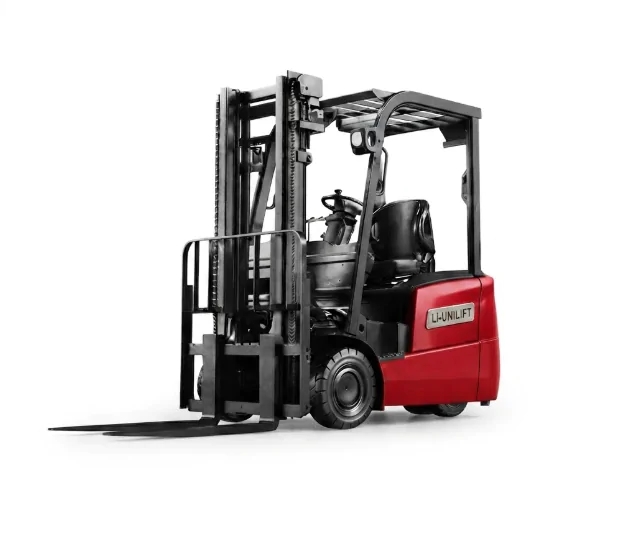
An electric pallet stacker for logistics centers can help warehouses move, lift, and position palletized goods with less manual effort and greater operational consistency. As logistics facilities handle higher shipment volumes, tighter delivery schedules, and increasingly demanding storage requirements, efficient material handling equipment has become an important part of modern warehouse operations.
Logistics and distribution centers need equipment that can support repetitive pallet handling while making effective use of available warehouse space. Electric pallet stackers combine powered travel and lifting functions with a relatively compact design, making them suitable for many warehouse, distribution, manufacturing, retail, and internal logistics applications.
This guide explains how electric pallet stackers work, why logistics centers are increasingly using powered stacking equipment, where they can be applied, and which specifications buyers should evaluate before selecting a machine.
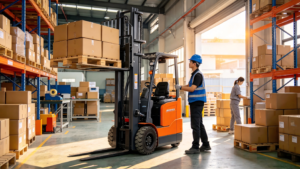
1. What Is an Electric Pallet Stacker?
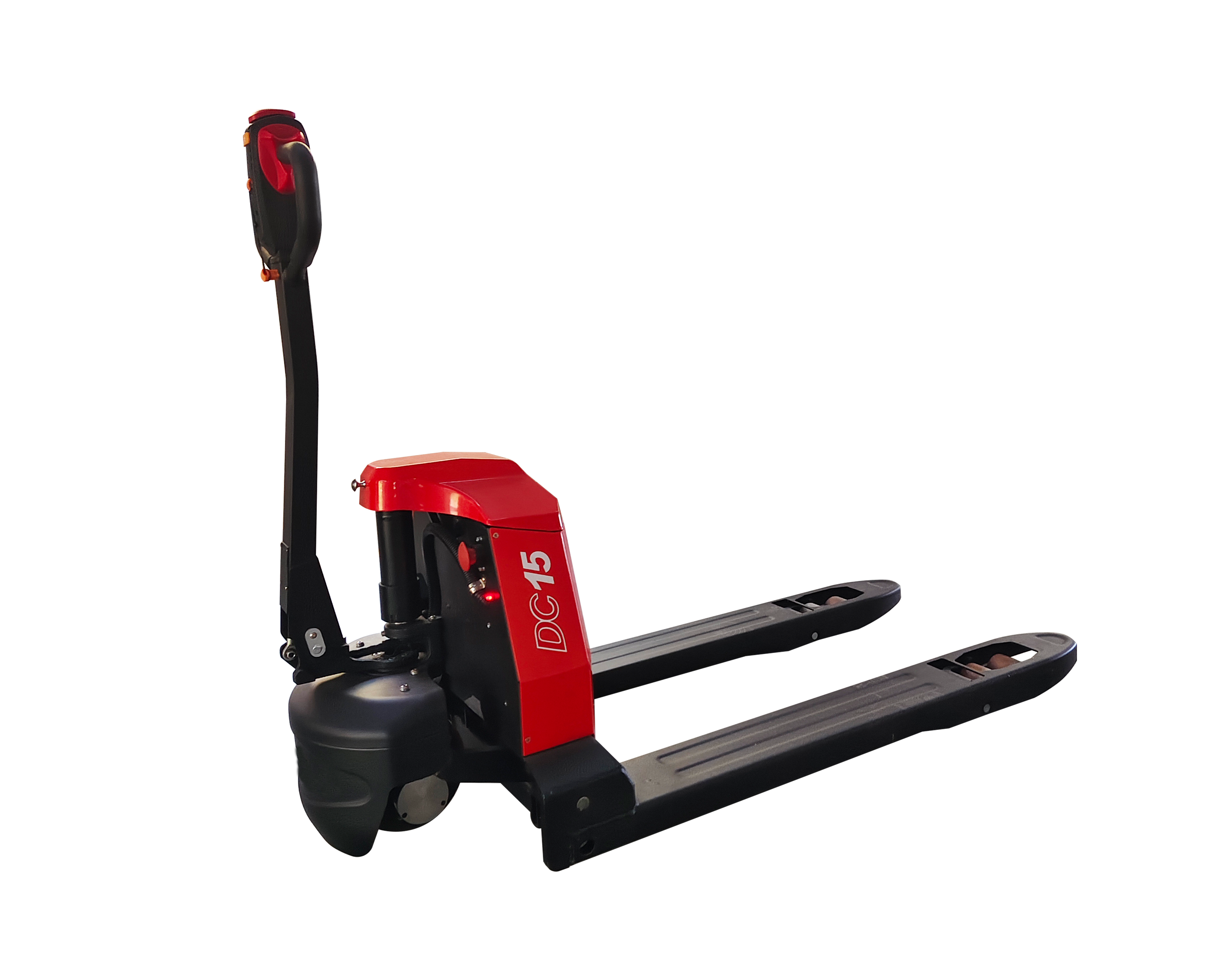
An electric pallet stacker is battery-powered material handling equipment designed to lift, transport, and position palletized goods. Depending on the model, electric power can be used for travel, lifting, or both functions.
Compared with manual pallet stackers, powered models reduce the physical effort required for repetitive pallet movement and lifting operations. They can therefore provide a practical solution for warehouses that need more handling capacity than basic manual equipment can provide.
Typical applications include:
- Pallet stacking and retrieval
- Internal pallet transportation
- Warehouse inventory movement
- Loading and unloading assistance
- Production material supply
- Order preparation support
- Retail backroom handling
The correct configuration depends on factors such as load capacity, lifting height, pallet dimensions, aisle width, floor conditions, operating frequency, and battery requirements.
1.1 Electric Drive and Lifting Systems
Powered travel allows operators to move pallets with less physical effort than manual equipment. Electric lifting systems also allow loads to be raised and lowered using controlled powered movement.
Depending on the machine configuration, electric functions may include:
- Forward and reverse travel
- Pallet lifting and lowering
- Controlled speed adjustment
- Electromagnetic or regenerative braking
- Steering assistance
For warehouses with frequent pallet movement, powered functions can help make repeated handling operations more consistent.
1.2 Compact Design for Warehouse Operations
Warehouse space is often limited, particularly in retail facilities, smaller distribution centers, and manufacturing workshops.
Compact electric stackers can be useful in applications where operators need to move pallets through relatively restricted areas.
Potential applications include:
- Narrow warehouse aisles
- Retail stockrooms
- Small distribution facilities
- Manufacturing workshops
- High-density storage areas
- Staging and receiving zones
Actual aisle suitability should always be determined from the machine’s overall dimensions, turning radius, pallet dimensions, rack configuration, and operating conditions.
1.3 Battery-Powered Operation
Battery technology is an important part of modern warehouse equipment.
Depending on the model, electric pallet stackers may use lead-acid or lithium-ion batteries. Lithium-ion systems can provide convenient charging, opportunity charging capability, and reduced routine battery maintenance compared with conventional lead-acid systems.
However, battery selection should be based on the actual operating profile, including working hours, shift patterns, charging infrastructure, load frequency, and ambient conditions.
2. Why Are Logistics Centers Choosing Electric Pallet Stackers?
Modern logistics facilities often need to move large numbers of pallets throughout the day. Receiving, storage, replenishment, order preparation, staging, and shipping can all require repeated pallet handling.
As these operations become more frequent, powered equipment can provide practical advantages over purely manual handling methods.

2.1 Improve Pallet Handling Efficiency
An electric stacker can support repeated pallet transportation and lifting operations throughout a logistics facility.
Powered travel and lifting can help operators complete handling tasks with less physical effort while maintaining consistent equipment performance.
Potential operational benefits include:
- Faster pallet movement
- More consistent lifting
- Reduced manual effort
- Improved workflow continuity
- Better support for repetitive operations
For logistics centers with high pallet movement frequency, these advantages can contribute to more efficient internal material flow.
2.2 Reduce Operator Physical Effort
Warehouse employees may repeatedly move pallets between receiving areas, storage locations, staging zones, and shipping areas.
When manual equipment is used continuously, pushing, pulling, steering, and lifting can become physically demanding.
Powered equipment can reduce the physical effort associated with these operations by providing electric assistance for travel and lifting.
This does not remove the need for operator training or safe work procedures. Instead, it provides equipment that is better suited to repetitive pallet handling.
2.3 Support High-Frequency Warehouse Operations
Distribution centers frequently operate continuous material flows.
Pallets may need to move between:
- Receiving areas
- Storage aisles
- Replenishment zones
- Order preparation areas
- Staging areas
- Loading docks
- Shipping areas
An electric stacker can support several of these activities depending on its capacity, lifting height, operating speed, and configuration.
2.4 Support Safer Material Handling
Warehouse safety depends on equipment selection, operator training, operating procedures, maintenance, traffic management, and workplace conditions.
Appropriately specified electric pallet stackers may include features such as:
- Emergency stop controls
- Controlled lifting and lowering
- Braking systems
- Speed control
- Overload protection
- Safety switches
The exact safety functions vary between manufacturers and models.
OSHA provides guidance covering warehousing hazards, powered industrial trucks, material handling, and related workplace safety considerations. Buyers should therefore evaluate equipment together with their facility’s safety procedures and applicable regulations.
3. How Electric Pallet Stackers Improve Distribution Center Productivity
Productivity in a distribution center depends on more than vehicle speed. Storage density, workflow design, operator workload, equipment availability, and pallet movement frequency all influence overall warehouse performance.
Powered stacking equipment can support several of these areas.

3.1 Faster Pallet Stacking and Retrieval
Vertical storage enables warehouses to use available floor space more efficiently.
Electric pallet stackers provide powered lifting for positioning pallets at suitable storage heights and retrieving them when required.
This can reduce the physical effort involved in repeated lifting and positioning operations.
For facilities with frequent pallet movement, consistent lifting performance can also support a more predictable warehouse workflow.
3.2 Better Use of Vertical Storage Space
Warehouse floor space can be expensive and difficult to expand.
Using suitable racks and vertical storage systems allows businesses to increase storage capacity within an existing facility.
Stackers can support these operations by lifting pallets to designated storage positions.
When evaluating a stacking application, buyers should consider:
- Rated load capacity
- Load center
- Residual capacity at lifting height
- Rack specifications
- Pallet condition
- Floor conditions
- Required storage height
Maximum lifting height should never be considered separately from rated capacity and load stability.
3.3 Support Space-Constrained Operations
Not every logistics facility has enough space for a large counterbalance forklift.
A compact stacker can provide a practical alternative for applications where equipment footprint and maneuverability are important.
Typical environments include:
- Small warehouses
- Retail backrooms
- Manufacturing facilities
- Distribution centers
- High-density storage areas
The required aisle width should be calculated from the actual equipment dimensions and turning characteristics rather than relying only on general descriptions such as “narrow aisle.”
3.4 Improve Material Flow Between Warehouse Zones
Material handling equipment should fit naturally into the warehouse workflow.
For example, palletized goods may move through the following process:
Receiving → Inspection → Storage → Replenishment → Staging → Shipping
A suitable electric stacker can support several of these stages depending on the required lifting height, load capacity, travel distance, and facility layout.
This makes the stacker part of a broader warehouse material handling solution rather than an isolated piece of equipment.
4. Electric Pallet Stacker vs. Manual Handling Equipment
Electric and manual pallet handling equipment are designed for different operating requirements.
The appropriate solution depends on workload, travel distance, lifting height, handling frequency, budget, and warehouse conditions.
| Feature | Electric Pallet Stacker | Manual Pallet Stacker |
|---|---|---|
| Power Source | Battery-powered | Manual operation |
| Travel Assistance | Powered on applicable models | Manual |
| Lifting Assistance | Electric on applicable models | Manual or mechanical |
| Operator Effort | Lower for powered functions | Higher |
| Repetitive Handling | Suitable for frequent operations | Better for lighter workloads |
| Vertical Storage | Suitable for many stacking applications | Suitable for lighter-duty applications |
| Operating Frequency | Medium to high, depending on model | Low to medium |
| Productivity Potential | Higher for repetitive operations | Lower for frequent handling |
| Battery Charging | Required | Not required |
| Initial Investment | Generally higher | Generally lower |
The main consideration is whether the equipment matches the actual workload.
Manual equipment can be suitable for occasional pallet movement and lighter applications. Powered equipment can provide additional support when pallets need to be moved, lifted, and positioned repeatedly.
5. Applications of Electric Pallet Stackers in Logistics Centers
Electric stackers can support different stages of internal material movement.
5.1 Warehouse Storage and Inventory Handling
Warehouse applications can include:
- Pallet storage
- Pallet retrieval
- Inventory movement
- Internal transportation
- Staging operations
They are particularly useful where pallets need to be transferred between floor-level staging areas and elevated storage positions.
5.2 E-Commerce Distribution Centers
E-commerce distribution facilities often handle high inventory turnover and frequent replenishment requirements.
Electric stackers can support pallet movement between:
- Receiving areas
- Bulk storage
- Replenishment zones
- Order preparation areas
- Shipping staging areas
Equipment specifications should be selected according to pallet weight, handling frequency, rack height, and facility layout.
5.3 Manufacturing Logistics
Manufacturing facilities need reliable internal material flow between storage and production areas.
Typical applications include:
- Raw material supply
- Component transportation
- Production line replenishment
- Work-in-process movement
- Finished goods handling
A suitable stacker can therefore become part of a larger manufacturing material handling system.
5.4 Retail and Supermarket Backrooms
Retail backrooms often combine limited floor space with frequent inventory replenishment.
Compact electric stackers can help move pallets from receiving areas into storage and support subsequent replenishment activities.
Their relatively compact design can be useful where warehouse space is restricted, although actual suitability should always be verified against aisle dimensions and load requirements.
5.5 Cold Storage and Food Distribution
Cold storage facilities can involve low temperatures, condensation, limited operating space, and frequent pallet movement.
When selecting equipment for cold-chain applications, buyers should confirm that the specific model is suitable for the required temperature range and working conditions.
Battery performance, traction, corrosion protection, operator protection, and maintenance requirements should also be evaluated.
6. Battery Technology and Electric Pallet Stacker Performance
Battery technology plays an important role in the operating performance of modern warehouse equipment.
The battery affects operating time, charging requirements, equipment availability, and maintenance procedures.
6.1 Lithium-Ion Battery Advantages
Lithium-ion batteries are increasingly used in electric warehouse equipment.
Depending on the battery system and machine configuration, potential advantages include:
- Faster charging
- Opportunity charging
- Reduced routine maintenance
- Efficient energy use
- No conventional lead-acid watering requirement
Actual battery performance depends on capacity, charger specifications, load, travel distance, operating conditions, ambient temperature, and duty cycle.
For this reason, battery selection should be based on the complete operating profile rather than battery chemistry alone.
6.2 Charging and Equipment Availability
For busy logistics operations, equipment availability can be as important as lifting capacity.
Facilities operating multiple shifts should evaluate:
- Battery capacity
- Charging time
- Number of shifts
- Opportunity charging
- Spare battery requirements
- Charging location
- Daily operating hours
A suitable battery and charging strategy can help reduce unnecessary downtime during busy operating periods.
7. How to Choose an Electric Pallet Stacker for Logistics Applications
Selecting the correct machine requires more than choosing a nominal load capacity.
Buyers should evaluate the complete operating environment.
7.1 Consider Load Capacity
Common capacity categories include:
- 1-ton electric stackers
- 1.5-ton electric stackers
- 2-ton electric stackers
The correct capacity should be based on the heaviest actual load rather than only the average pallet weight.
Important factors include:
- Maximum pallet weight
- Load center
- Pallet dimensions
- Daily handling volume
- Required lifting height
- Operating frequency
Always verify rated capacity and residual capacity at the required lifting height in the manufacturer’s technical specifications.
7.2 Consider Lifting Height
Lifting height should correspond to actual storage requirements.
Consider:
- Rack height
- Pallet stacking height
- Top beam clearance
- Free lift requirements
- Ceiling height
- Doorway height
- Load stability
A machine with a higher maximum lifting height is not necessarily appropriate if its residual capacity becomes insufficient at the required height.
7.3 Consider Battery and Operating Frequency
Battery requirements depend on daily workload.
A warehouse operating several hours per day with frequent lifting and travel may have substantially different energy requirements from a facility that uses the machine only occasionally.
Consider:
- Operating hours per shift
- Number of shifts per day
- Charging time
- Battery capacity
- Charging infrastructure
- Opportunity charging
- Maintenance requirements
7.4 Consider Aisle Width and Turning Space
Warehouse layout is a critical selection factor.
Before purchasing equipment, measure:
- Aisle width
- Rack spacing
- Doorway width
- Turning areas
- Loading zones
- Floor conditions
The equipment dimensions and turning radius should be compared with the actual warehouse layout.
7.5 Consider Floor and Operating Conditions
Different warehouses have different operating environments.
Check whether the equipment will operate on:
- Smooth concrete floors
- Uneven surfaces
- Ramps
- Cold-storage floors
- Wet environments
- High-traffic routes
Tire type, traction, braking performance, ground clearance, and protection requirements should be evaluated according to the application.
8. Future Trends in Electric Stackers for Smart Logistics
Warehouse operations are increasingly adopting digital management, automation, energy-efficient equipment, and connected technologies.
Electric stackers are therefore developing beyond basic powered lifting and transportation.
8.1 Lithium Battery Development
Battery technology continues to develop in areas such as energy density, charging performance, battery management, and service life.
These improvements can help warehouse equipment operate more efficiently when the battery system is correctly matched to the application.
8.2 Intelligent Control Systems
Modern control systems can improve:
- Travel control
- Lifting precision
- Speed management
- Operator interaction
- Equipment diagnostics
8.3 Energy-Efficient Drive Systems
More efficient electric motors and control systems can help reduce energy consumption in suitable applications.
The actual energy savings depend on equipment configuration, operating conditions, load, travel distance, and duty cycle.
8.4 IoT and Fleet Monitoring
Connected equipment can provide information about:
- Operating hours
- Battery status
- Equipment utilization
- Maintenance requirements
- Fault information
Fleet data can help warehouse managers understand equipment usage and schedule maintenance more systematically.
8.5 Integration with Automated Warehouses
As warehouse automation develops, electric material handling equipment may increasingly work alongside warehouse management systems, automated storage solutions, and other intelligent logistics technologies.
The long-term development of warehouse equipment is therefore focused not only on machine performance but also on how equipment integrates with the complete material flow.
9. Key Benefits of Electric Pallet Stackers for Logistics Operations
For logistics and distribution facilities, the increasing adoption of electric stackers is associated with several practical requirements.
Key considerations include:
- Frequent pallet movement
- Repetitive lifting operations
- Reduced operator physical effort
- Vertical storage requirements
- Compact equipment requirements
- Flexible warehouse applications
- Battery-powered operation
- Integration with modern material handling workflows
The value of powered stacking equipment depends on how closely the machine matches the actual warehouse application.
Load capacity, lifting height, aisle dimensions, battery requirements, floor conditions, operating frequency, and applicable safety requirements should all be considered before purchasing equipment.
Frequently Asked Questions
Q1: Why are electric pallet stackers becoming popular in logistics centers?
Electric pallet stackers can provide powered travel and lifting, reduce operator physical effort, support repetitive pallet handling, and assist with vertical storage operations. These capabilities make them useful for many modern warehouse workflows.
Q2: Is an electric stacker suitable for a distribution center?
Yes. Electric stackers can be used for pallet transportation, storage, retrieval, staging, inventory handling, and other internal material handling tasks when the machine specifications match the application.
Q3: What are the main benefits of electric pallet stackers?
Common benefits include reduced operator effort, powered lifting, consistent handling performance, support for repetitive operations, flexible warehouse applications, and vertical storage capability.
Q4: Can electric stackers operate in narrow warehouse aisles?
Some compact models are designed for space-constrained applications. However, suitability depends on machine dimensions, turning radius, pallet dimensions, rack configuration, and actual aisle width.
Q5: Are lithium-ion batteries suitable for electric warehouse equipment?
Lithium-ion batteries can provide convenient charging, opportunity charging, reduced routine maintenance, and efficient energy use. The correct battery should be selected according to operating hours, workload, charging infrastructure, and environmental conditions.
Q6: What should I consider when selecting a stacker for a logistics center?
Important factors include load capacity, lifting height, load center, aisle width, pallet dimensions, operating hours, battery capacity, charging requirements, floor conditions, and handling frequency.
Conclusion
An electric pallet stacker for logistics centers can provide powered support for pallet transportation, lifting, storage, and internal material movement. Its compact design and electric operating functions make it suitable for many warehouse and distribution applications where repetitive pallet handling is required.
From e-commerce fulfillment and manufacturing logistics to retail backrooms and selected cold-storage applications, powered stackers can support different stages of the warehouse workflow.
The correct equipment should always be selected according to the actual application. Load capacity, lifting height, aisle dimensions, battery requirements, operating frequency, floor conditions, and safety requirements should all be evaluated before purchase.
Explore UNILIFT MHE’s electric pallet trucks, electric stackers, and other material handling equipment for warehouse and logistics applications.
Contact UNILIFT MHE for product specifications, customization options, and application-based material handling solutions.
Follow UNILIFT MHE for More Material Handling Insights
Stay connected with UNILIFT MHE for the latest updates on electric pallet trucks, electric stackers, electric tuggers, warehouse equipment, material handling solutions, and industry insights. Follow our social media channels to discover new products, application scenarios, company updates, and practical information for modern warehouse and logistics operations.
Explore reliable electric pallet trucks, electric stackers, and material handling solutions at Unilift MHE.
If you would like to contact us, please click here.
If you would like to learn more about our news, please click here.
Facebook: Follow UNILIFT MHE on Facebook
TikTok: Follow UNILIFT MHE on TikTok
Instagram: Follow UNILIFT MHE on Instagram
X: Follow UNILIFT MHE on X
Pinterest: Explore UNILIFT MHE on Pinterest
LinkedIn: Connect with UNILIFT MHE on LinkedIn