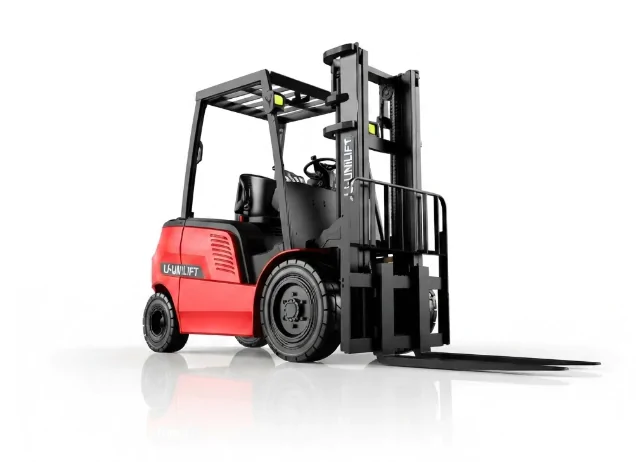
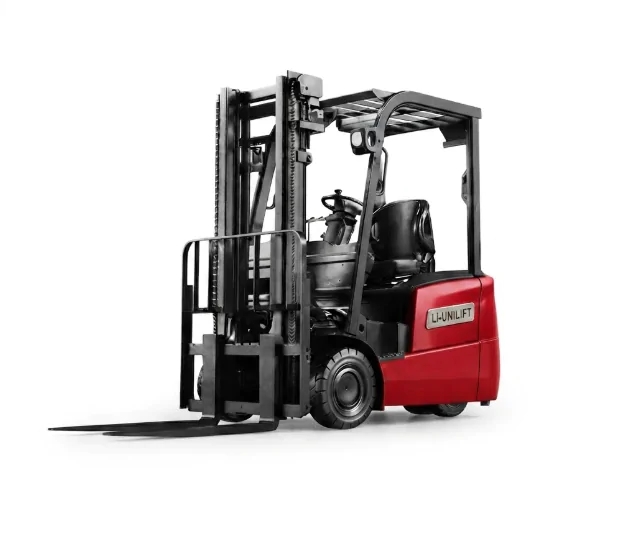
An electric tugger investment requires careful evaluation of towing capacity, battery technology, operating conditions, workload, safety requirements, maintenance, and long-term operating costs. Choosing the right electric tugger can help businesses improve material handling efficiency, reduce unnecessary manual transportation, and build a more consistent internal logistics workflow.
Unlike equipment purchased only for occasional material movement, an electric tugger is often used repeatedly throughout a working shift. The right configuration therefore needs to match the total towing load, number of carts, travel distance, floor conditions, operating frequency, and available charging infrastructure.
This guide explains what an electric tugger does, why businesses invest in powered towing equipment, which specifications matter during procurement, how to estimate return on investment, and how to evaluate suppliers before making a purchasing decision.
1. What Is an Electric Tugger?
An electric tugger is a battery-powered towing machine designed to move wheeled loads without requiring operators to manually push or pull them over longer distances.
Depending on the model and application, an electric tugger can tow:
- Carts
- Trailers
- Material racks
- Trolleys
- Containers
- Industrial transport platforms
Electric tuggers are commonly used in:
- Warehouses
- Manufacturing plants
- Logistics centers
- Distribution facilities
- Automotive production
- Retail backrooms
- Industrial workshops
The main purpose of a tugger is horizontal transportation. Unlike a forklift, it is generally designed to pull wheeled loads rather than lift palletized goods vertically.
This distinction is important when determining whether a tugger is appropriate for a particular material handling application.
1.1 How an Electric Tugger Works
An electric tugger uses an electric motor and battery system to generate the traction required to move connected loads.
The operator typically controls:
- Forward and reverse travel
- Steering
- Speed
- Braking
- Towing connection
Depending on the configuration, the machine may be operated as a walk-behind unit, ride-on unit, or part of an automated material handling system.
The appropriate design depends on towing weight, travel distance, facility layout, and operating frequency.
2. Why Should Businesses Invest in an Electric Tugger?
An electric tugger can provide a practical alternative to repeated manual cart movement, particularly when materials must travel long distances or when several carts need to be transported during the same trip.
2.1 Improve Material Handling Efficiency
One of the main reasons businesses consider an electric tugger investment is the potential to improve internal transportation efficiency.
Instead of moving individual carts separately, a suitable tugger can tow multiple compatible carts in one route.
Potential advantages include:
- Moving multiple carts in one trip
- Reducing transportation time
- Improving material flow
- Reducing unnecessary walking
- Supporting repeatable delivery routes
The actual productivity improvement depends on towing capacity, route length, traffic conditions, cart configuration, loading time, and operator workflow.
2.2 Reduce Manual Transportation Requirements
Manual pushing and pulling can become inefficient when loads are heavy, travel distances are long, or transportation tasks are repeated throughout the day.
A powered tugger allows one trained operator to move a suitable train of carts, reducing the amount of physical effort associated with manual transportation.
This can help businesses allocate workers more efficiently while maintaining a predictable internal logistics process.
2.3 Improve Workplace Ergonomics
Repeated manual pushing and pulling can contribute to physical strain, particularly when loads are heavy or movement occurs frequently.
Powered towing equipment can reduce the physical force required to move compatible wheeled loads.
However, equipment selection should be combined with appropriate training, route planning, load management, and workplace safety procedures.
OSHA provides guidance on material handling and workplace hazards that can help businesses evaluate manual handling risks and appropriate control measures.
2.4 Support Lower-Emission Indoor Operations
Battery-powered equipment can be useful in indoor facilities where exhaust emissions from internal-combustion equipment are undesirable.
Electric tuggers can provide:
- Battery-powered operation
- Low local emissions during operation
- Lower operating noise than many combustion-powered alternatives
- Suitable operation in many indoor environments
Actual noise and energy performance depend on the equipment configuration, battery system, floor conditions, load, and operating pattern.
3. What Factors Should You Consider Before Buying an Electric Tugger?
A successful electric tugger investment starts with understanding the actual transportation requirement.
Before requesting quotations, buyers should define the load, route, operating environment, working schedule, and required towing frequency.
3.1 Determine the Required Towing Capacity
Towing capacity is one of the most important specifications.
Before selecting a model, determine:
- Maximum total towing weight
- Average towing weight
- Number of carts connected
- Cart dimensions
- Trailer configuration
- Travel distance
- Floor conditions
- Maximum slope
For example:
| Application | Typical Equipment Requirement |
|---|---|
| Small carts | Light-duty electric tugger |
| Warehouse transportation | Medium-duty electric tugger |
| Heavy industrial loads | Heavy-duty electric tugger |
These categories are general application references rather than fixed industry capacity standards. Always verify the manufacturer’s rated towing capacity for the actual operating conditions.
3.2 Choose the Right Electric Tugger Type
Different electric tugger configurations are designed for different operating environments.
Walk-Behind Electric Tugger
A walk-behind electric tugger can be suitable for:
- Small warehouses
- Short-distance transportation
- Space-constrained facilities
- Frequent low-speed material movement
Potential advantages include:
- Compact dimensions
- Easy maneuverability
- Lower initial equipment cost
- Flexible operation
It is generally most appropriate when travel distances and towing requirements are moderate.
Ride-On Electric Tugger
A ride-on electric tugger can be suitable for:
- Large warehouses
- Long-distance internal transportation
- Distribution centers
- Repetitive towing routes
- Higher-frequency operations
Potential advantages include:
- Reduced operator walking
- Better operator comfort
- Higher transportation productivity
- Suitability for longer routes
The correct model should be selected according to route distance, towing capacity, speed requirements, and operating frequency.
AGV and AMR Tugger Systems
Automated tugger systems can be used in facilities with structured and repeatable transportation routes.
Potential applications include:
- Automated warehouses
- Smart factories
- Production logistics
- Repetitive material delivery
- Automated line-side replenishment
AGV and AMR systems generally require additional infrastructure, navigation technology, safety systems, and software integration. Their investment requirements are therefore different from those of conventional manually operated tuggers.
4. Consider Battery Type and Working Time
Battery selection has a direct effect on operating availability, charging requirements, maintenance, and total ownership costs.
4.1 Lead-Acid Batteries
Lead-acid batteries may offer:
- Lower initial purchase cost
- Established technology
- Wide availability
Potential limitations include:
- Longer charging time
- Regular maintenance requirements
- Greater weight
- Conventional charging procedures
4.2 Lithium-Ion Batteries
Lithium-ion batteries can provide:
- Faster charging
- Opportunity charging
- Long service life under suitable conditions
- Reduced routine maintenance
- High energy efficiency
The initial purchase price may be higher than that of a comparable lead-acid system.
However, buyers should evaluate the total cost of ownership rather than comparing battery purchase prices alone.
4.3 Match Battery Capacity to Operating Hours
Before selecting a battery, consider:
- Working hours per day
- Number of shifts
- Daily travel distance
- Average towing load
- Charging time
- Charging location
- Opportunity charging availability
- Battery replacement requirements
A battery that is too small may create unnecessary downtime, while an oversized battery can increase the initial equipment cost without providing meaningful benefits for a low-duty application.
5. Evaluate the Working Environment
The operating environment has a major influence on tugger selection.
5.1 Floor Conditions
Evaluate whether the tugger will operate on:
- Smooth concrete floors
- Uneven surfaces
- Ramps
- Expansion joints
- Wet areas
- High-traffic routes
Traction, wheel type, braking performance, and ground clearance should be matched to the actual floor conditions.
5.2 Space Limitations
Measure:
- Aisle width
- Turning radius
- Doorway width
- Loading areas
- Storage layout
- Pedestrian routes
A compact machine may be preferable in areas with limited maneuvering space, while larger facilities may prioritize towing capacity and travel speed.
5.3 Indoor or Outdoor Operation
Outdoor applications may require additional consideration of:
- Weather protection
- Water resistance
- Wheel selection
- Battery protection
- Ground conditions
- Lighting and visibility
The manufacturer should confirm whether the specific model is suitable for the intended environment.
5.4 Temperature and Special Environments
Cold storage, food processing, clean manufacturing, and other specialized environments may require additional equipment specifications.
Before purchase, confirm:
- Operating temperature range
- Battery performance
- Corrosion protection
- Wheel material
- Electrical protection
- Cleaning requirements
6. Electric Tugger Features to Look For
The most important features depend on the application, but several equipment characteristics should be evaluated during procurement.
6.1 Electric Drive System
Evaluate:
- Motor power
- Rated towing capacity
- Travel speed
- Traction
- Acceleration control
- Braking performance
A powerful motor alone does not guarantee suitable towing performance. The complete drive system must match the load, floor, route, and operating frequency.
6.2 Safety Control System
Depending on the model, useful safety features may include:
- Emergency stop button
- Speed control
- Braking system
- Audible warning device
- Safety switches
- Operator presence controls
- Controlled acceleration
Safety equipment should be evaluated together with operator training, traffic management, route design, and facility procedures.
6.3 Durable Frame Construction
For frequent industrial use, frame durability is an important consideration.
Evaluate:
- Steel frame construction
- Reinforced towing structure
- Chassis design
- Towing connection
- Load distribution
- Component protection
The frame should be designed according to the expected towing load and operating environment.
6.4 Easy Maintenance Design
A maintenance-friendly design can help reduce downtime.
Look for:
- Accessible electrical components
- Easy battery access
- Simple inspection points
- Replaceable wear components
- Clear maintenance procedures
- Available spare parts
Maintenance requirements should be reviewed before purchasing, rather than after the equipment is already in operation.
7. Electric Tugger vs. Other Material Handling Equipment
Different types of material handling equipment solve different transportation problems.
7.1 Electric Tugger vs. Manual Cart Handling
| Feature | Manual Cart Handling | Electric Tugger |
|---|---|---|
| Power Source | Human effort | Battery |
| Labor Requirement | Higher | Lower for powered movement |
| Multiple Loads | Limited | Multiple compatible carts possible |
| Travel Distance | Better for shorter tasks | Suitable for repeated routes |
| Operator Effort | Higher | Lower |
| Productivity Potential | Lower for repetitive towing | Higher for suitable applications |
| Initial Equipment Cost | Lower | Higher |
The electric tugger becomes particularly useful when transportation is repetitive, loads are heavy, or multiple carts can be moved together.
7.2 Electric Tugger vs. Tow Tractor
| Feature | Electric Tugger | Tow Tractor |
|---|---|---|
| Typical Size | Compact to medium | Medium to large |
| Maneuverability | Often highly maneuverable | Depends on configuration |
| Towing Capacity | Application-dependent | Often designed for heavier towing |
| Operator Position | Walk-behind or ride-on | Typically ride-on |
| Typical Application | Warehouses and internal logistics | Industrial and high-capacity towing |
The terminology used for “electric tugger” and “tow tractor” can vary between manufacturers and markets. Buyers should compare actual towing capacity, dimensions, attachments, and operating specifications rather than relying only on product names.
8. How Much Does an Electric Tugger Cost?
There is no single standard price for an electric tugger because equipment configuration and application requirements can vary significantly.
8.1 Load Capacity
Higher towing capacity generally requires a larger drive system, stronger frame, and potentially a larger battery.
These factors can increase equipment cost.
8.2 Battery Technology
Battery selection also affects the purchase price.
Lithium-ion models may have a higher initial cost than lead-acid alternatives, but the total cost of ownership can differ because of charging time, maintenance, battery life, and operating patterns.
8.3 Equipment Features and Customization
Additional features may increase the total investment, including:
- Remote control
- Automated navigation
- Special towing attachments
- Customized hitch systems
- Additional safety equipment
- Fleet monitoring
- Specialized battery configurations
The best configuration should be based on actual operating requirements rather than selecting the largest number of optional features.
9. How to Calculate the ROI of an Electric Tugger
A proper investment decision should consider both the initial purchase price and the expected operational benefits.
9.1 Calculate the Total Investment
Include:
- Equipment purchase price
- Battery and charger
- Installation
- Operator training
- Maintenance
- Spare parts
- Infrastructure
- Automation integration, if applicable
9.2 Estimate the Annual Benefits
Potential benefits may include:
- Labor savings
- Reduced manual transportation
- Higher material flow efficiency
- Reduced equipment downtime
- Lower maintenance requirements
- Improved utilization of warehouse personnel
These benefits should be based on measurable operational data rather than assumptions.
9.3 Simple ROI Formula
A simplified calculation can be expressed as:
ROI = (Annual Net Benefit − Investment Cost) ÷ Investment Cost × 100%
For example, if a business invests $20,000 and expects $8,000 in annual net benefits:
ROI = ($8,000 − $20,000) ÷ $20,000 × 100%
However, businesses may use different accounting methods for equipment investments. A more complete evaluation can include payback period, total cost of ownership, depreciation, financing costs, and residual value.
10. Electric Tugger Maintenance Requirements
Regular maintenance can help preserve equipment performance and reduce unexpected downtime.
10.1 Daily Inspection
Operators should check relevant components such as:
- Battery status
- Wheels
- Steering
- Brakes
- Controls
- Emergency stop function
- Tow connection
- Warning devices
The exact inspection checklist should follow the manufacturer’s instructions.
10.2 Regular Maintenance
Depending on the equipment design, scheduled maintenance may include:
- Electrical system inspection
- Brake inspection
- Wheel inspection
- Fastener checks
- Lubrication where applicable
- Battery inspection
- Towing connection inspection
- Diagnostic checks
A preventive maintenance schedule should be based on operating hours and manufacturer recommendations.
11. How to Choose a Reliable Electric Tugger Supplier
Supplier evaluation is an important part of an electric tugger investment because equipment performance depends not only on the machine itself but also on technical support and parts availability.
11.1 Product Quality
Evaluate:
- Manufacturing experience
- Product design
- Factory quality control
- Testing procedures
- Applicable certifications
- Component quality
- Technical documentation
Ask the supplier for technical specifications that correspond to the actual application.
11.2 Technical Support
Important services may include:
- Spare parts availability
- Technical assistance
- Operator training
- Maintenance guidance
- Troubleshooting support
- Warranty service
For long-term industrial equipment, after-sales support can be as important as the initial purchase price.
11.3 Customization Capability
Some operations require equipment configurations that differ from standard models.
Potential customization areas include:
- Towing capacity
- Battery configuration
- Hitch design
- Attachments
- Dimensions
- Control systems
- Safety equipment
- Fleet management integration
A supplier with suitable engineering capabilities can help adapt the equipment to the actual material flow.
12. Future Trends in Electric Tugger Technology
Electric towing equipment is developing alongside broader trends in warehouse automation and smart manufacturing.
12.1 Lithium Battery Adoption
Lithium-ion batteries are likely to remain important in electric material handling because of their charging flexibility, energy efficiency, and reduced routine maintenance requirements.
Battery selection will continue to depend on duty cycle, charging infrastructure, and total cost of ownership.
12.2 AGV and AMR Tugger Systems
Automated tugger systems are increasingly relevant to facilities with predictable transportation routes.
Potential applications include:
- Automated warehouse transportation
- Production line replenishment
- Repetitive material delivery
- Smart factory logistics
- Scheduled internal transportation
12.3 Connected Fleet Management
Future electric tuggers can increasingly be integrated with digital fleet management systems.
Potential data points include:
- Battery status
- Operating hours
- Utilization
- Maintenance alerts
- Fault information
- Route performance
This can help businesses manage equipment based on actual operating data.
Frequently Asked Questions
Q1: What should I consider before buying an electric tugger?
Consider towing capacity, battery type, working environment, travel distance, safety features, operating frequency, maintenance requirements, and the availability of technical support.
Q2: How do I choose the right electric tugger capacity?
Determine the maximum total towing weight, number of carts, travel distance, floor conditions, slopes, and operating frequency. Then compare these requirements with the manufacturer’s rated towing capacity.
Q3: Is a lithium battery electric tugger worth the investment?
Lithium-ion batteries can provide faster charging, opportunity charging, and reduced routine maintenance. Whether the additional initial cost is justified depends on operating hours, charging requirements, battery life, and total cost of ownership.
Q4: How long does an electric tugger last?
Service life depends on equipment design, workload, operating conditions, maintenance quality, battery management, and replacement of wear components. Following the manufacturer’s maintenance schedule can help preserve equipment performance.
Q5: Can electric tuggers replace forklifts?
Electric tuggers are not direct replacements for forklifts. Tuggers are primarily designed for horizontal towing, while forklifts are designed for lifting and transporting loads. The appropriate equipment depends on the material handling task.
Conclusion
A well-planned electric tugger investment starts with understanding the actual material transportation requirement rather than simply comparing equipment prices.
Businesses should evaluate towing capacity, battery technology, working environment, travel distance, operating frequency, safety features, maintenance requirements, supplier support, and long-term total cost of ownership.
For repetitive horizontal transportation, an electric tugger can help reduce manual pushing and pulling while supporting more consistent internal material flow. The right model should be selected according to the specific load, route, facility layout, and operating conditions.
Explore UNILIFT MHE’s electric tuggers and other material handling equipment for warehouse, manufacturing, and logistics applications.
Contact UNILIFT MHE for product specifications, customization options, and application-based material handling solutions.
Follow UNILIFT MHE for More Material Handling Insights
Stay connected with UNILIFT MHE for the latest updates on electric pallet trucks, electric stackers, electric tuggers, warehouse equipment, material handling solutions, and industry insights. Follow our social media channels to discover new products, application scenarios, company updates, and practical information for modern warehouse and logistics operations.
Explore reliable electric pallet trucks, electric stackers, and material handling solutions at Unilift MHE.
If you would like to contact us, please click here.
If you would like to learn more about our news, please click here.
Facebook: Follow UNILIFT MHE on Facebook
TikTok: Follow UNILIFT MHE on TikTok
Instagram: Follow UNILIFT MHE on Instagram
X: Follow UNILIFT MHE on X
Pinterest: Explore UNILIFT MHE on Pinterest
LinkedIn: Connect with UNILIFT MHE on LinkedIn